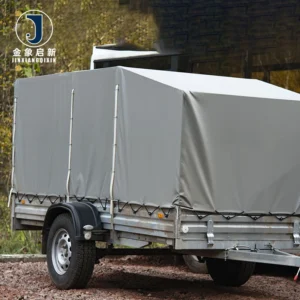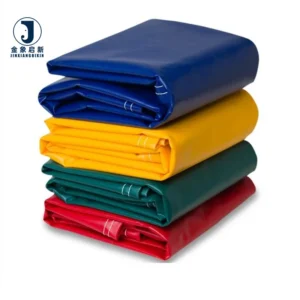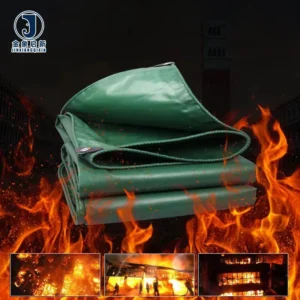
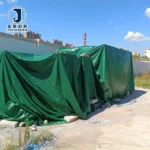
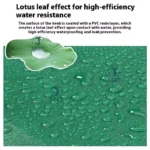
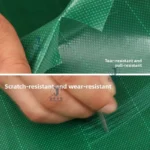


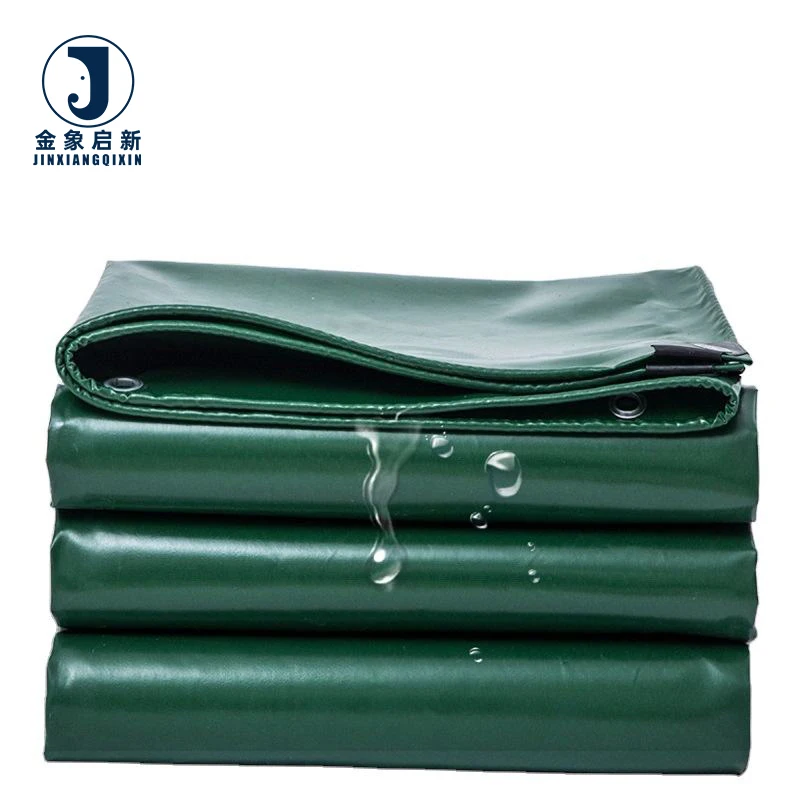
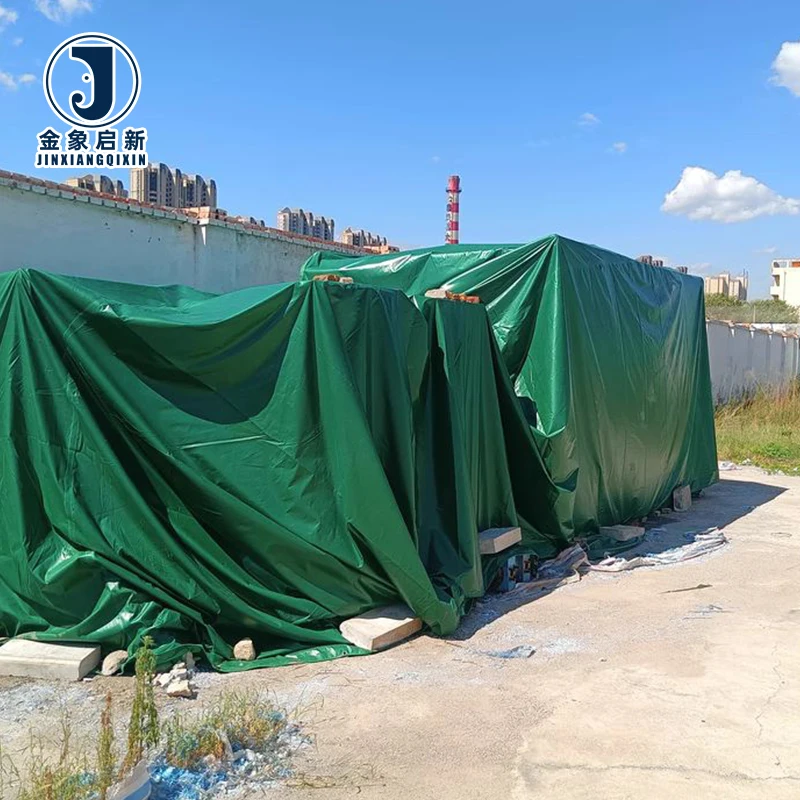
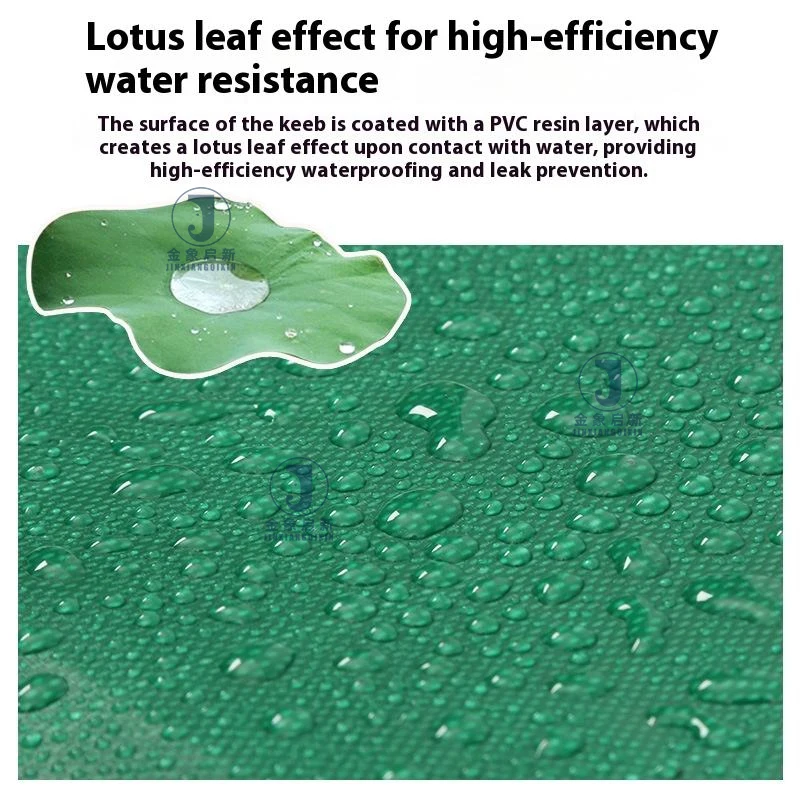
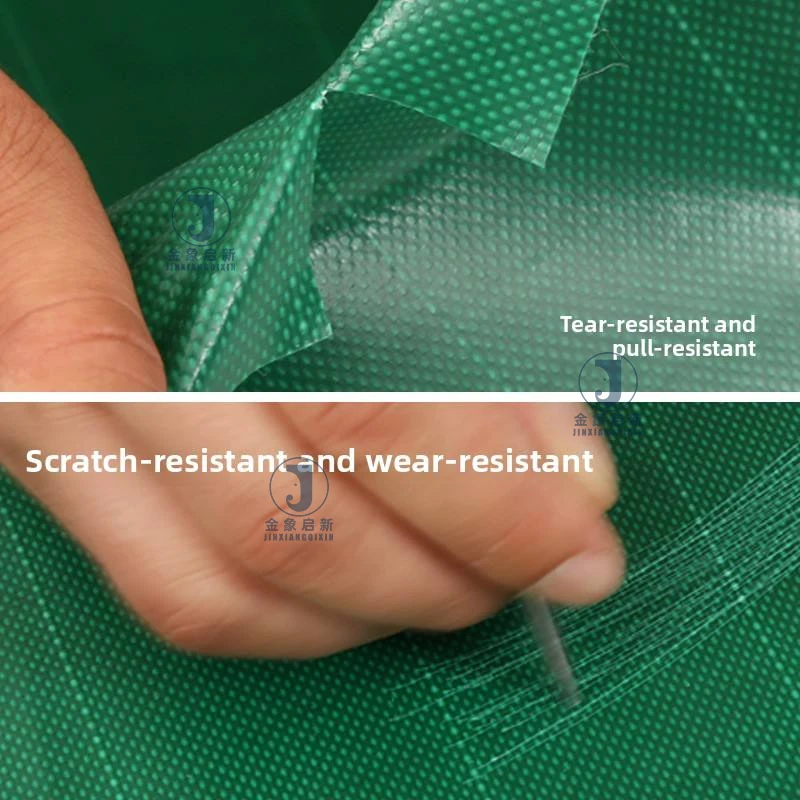
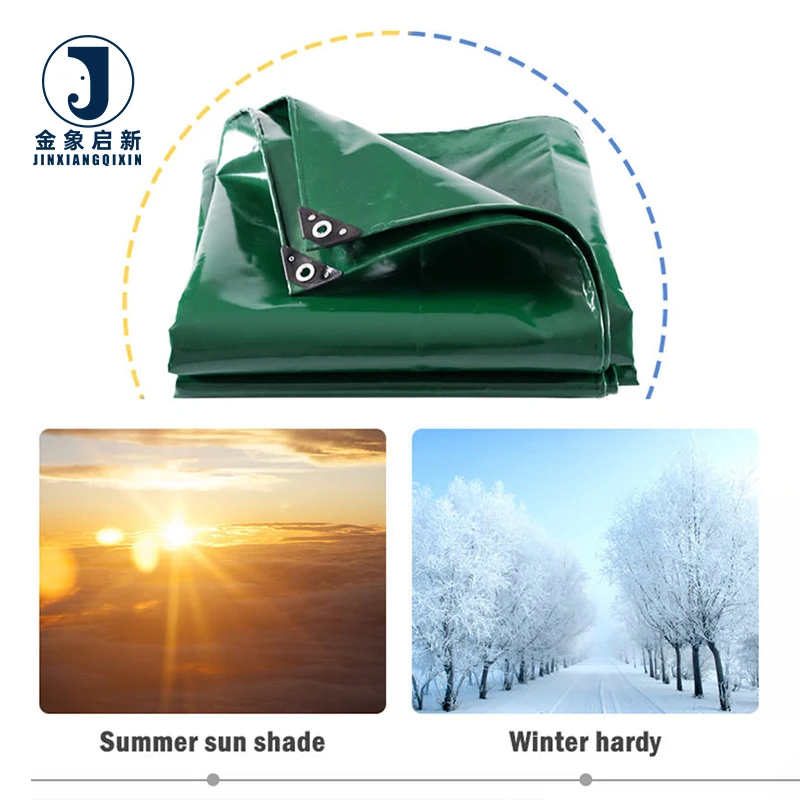
Process Control Over Coating Weight — Three full production lines maintain consistent GSM across every roll, verified by dedicated QA/QC at each stage before dispatch.
Technical Specifications
| Parameter | Value |
|---|---|
| Product Type | PVC Coated Tarpaulin |
| Material | PVC Coated Fabric |
| Construction | Double-Faced |
| Water Resistance | Water Resistant |
| UV Protection | Anti-UV (test basis not stated — confirm requirement) |
| Flame Retardant | Yes (grade not stated — confirm grade required for your market) |
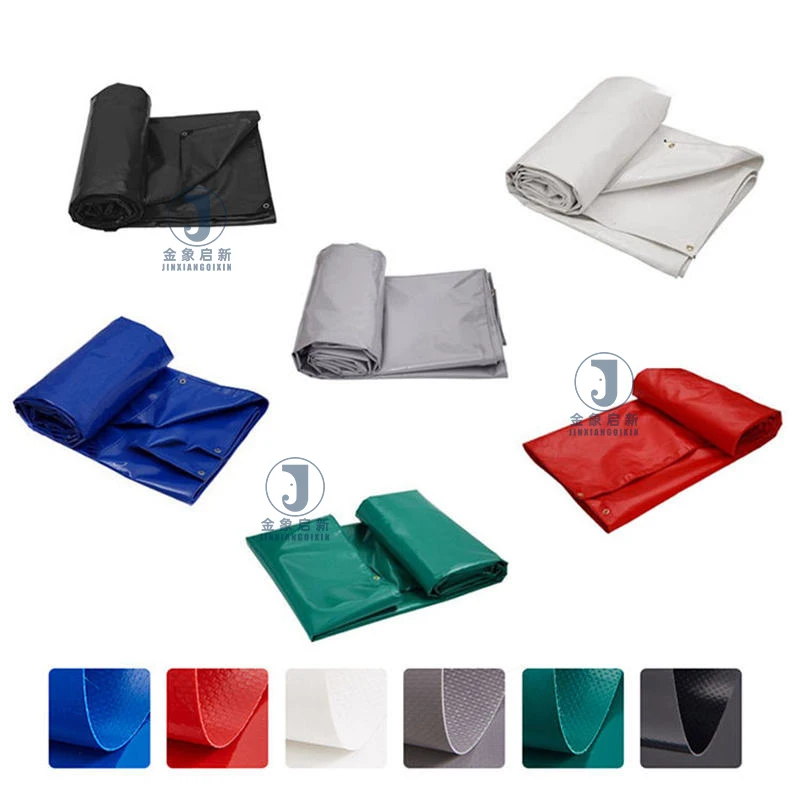
| Color Options | Multiple Colors Available |
Application Suitability
| Application | Exposure & Requirement |
|---|---|
| Lumber transport protection | Sustained UV exposure, rain ingress risk, load shifting abrasion |
| Flatbed truck cargo covering | Road debris impact, tie-down point stress, wind flap fatigue |
| Heavy-duty freight tarpaulin | Multi-day transit weather cycles, mechanical handling damage, long-term storage degradation |
Why Flame Retardant Claims Require a Grade, Not Just a Label
A fabric described as flame retardant without a named standard leaves compliance entirely in the buyer’s hands.
Many PVC coated tarpaulin products arrive at job sites carrying a generic flame retardant claim that satisfies no specific regulation. The transport sector, mining operations, and construction enclosures each reference different fire classification systems, and a material that passes one test may fail another entirely. Purchasers who accept an unspecified flame retardant grade often discover the shortfall only when a site inspector or insurance auditor requests documentation that does not exist. [NEED_CITE: fire classification systems for industrial coated fabrics and transport covers]
Ventilation, Enclosure and Transport Fabric Compliance
Mining and tunnelling contractors specifying ventilation duct or temporary enclosure fabric operate under strict fire safety mandates that name the exact standard the material must meet. A PVC coated tarpaulin intended for these environments must carry a test report referencing the applicable classification, not a supplier declaration alone. When the grade is confirmed in writing before production, the documentation travels with the shipment and satisfies the site safety officer on arrival.
Double-Faced Construction Under Road and Weather Stress
Flatbed operators face a specific degradation pattern where the underside of the tarpaulin abrades against cargo edges while the top surface endures continuous UV and rain exposure. Double-faced PVC coated fabric delivers uniform coating adhesion and tensile behaviour on both sides, reducing the chance that one face fails before the other. This symmetry matters most on long-haul routes where the cover is tensioned, released, and refolded repeatedly across varying temperatures. [NEED_CITE: tensile and tear test methods for coated fabrics per ISO 1421]
Reading Beyond Coating Weight Alone
Coating weight stated in GSM describes the total mass per square metre but does not isolate the contribution of the base fabric from the PVC layer. A heavier base fabric with tighter weave density will resist tear propagation more effectively than a lighter base carrying the same total GSM through thicker coating alone. Knife-coated construction typically produces stronger adhesion between coating and yarn compared to laminated methods, which influences how well the material holds up at welded seams and mechanically stressed tie-down zones. Selecting the right balance of base denier, weave density, and coating method determines real-world longevity far more than a single weight figure.
The Hidden Cost of Specifying on Price Per Square Metre
Buyers who compare PVC coated tarpaulin quotes on unit cost alone frequently encounter colour variation between rolls in the same consignment, visible once panels are installed side by side on a trailer or enclosure frame. Batch inconsistency in coating weight also means the fabric received may be lighter than the GSM stated on the original quotation, reducing tear strength below the threshold needed for the intended load. Welded seams on under-specified material tend to fail at the exact point the load flexes most, leading to mid-route cargo exposure and insurance disputes. [NEED_CITE: seam failure rates in coated fabric covers under cyclic loading]
Why Sourcing Through This Channel Works
Three full production lines and 36 sets of professional equipment support bulk roll output with reliable on-time delivery for repeat orders. A 10-person R&D team handles material selection, custom width and colour development, and sample turnaround within days so buyers can verify hand feel and coating adhesion before committing volume. Dedicated QA/QC at every production stage with full pre-shipment inspection catches GSM deviation and colour drift before rolls leave the facility. Nearly 30 years of focused coated fabric experience means process control over coating weight and adhesion is built into standard operating procedure rather than added as an optional check.
Documentation & Verification
- Material specification sheet stating base fabric, PVC coating type, and confirmed colour reference per roll batch
- Test report for flame retardant grade where applicable, matched to the standard your market requires
- Pre-shipment inspection record confirming GSM verification against the quoted value
- ISO and CE certificates included with every export consignment
- Roll packing list with net weight and dimensions for customs clearance support
Fabrication, Handling & Storage
- Heat welding parameters must match the PVC coating thickness to prevent seam delamination under load stress
- Reinforced hems at tie-down points distribute tension across the double-faced construction evenly
- Store rolls horizontally on pallets to avoid permanent creasing in the PVC coating layer
- Avoid dragging cut panels across abrasive surfaces during installation to protect the coated face
- Clean with mild detergent only — solvent-based products degrade the PVC surface treatment over time
- Allow cold-stored rolls to reach ambient temperature before unrolling to prevent coating crack damage
What to Include in Your Enquiry
Specify the flatbed trailer or truck model so the tarpaulin dimensions and tie-down reinforcement layout can be matched to the actual vehicle. State the fire classification or regulatory standard your end market requires, along with any anti-UV or specialist treatment expectation. Confirm whether you need finished cut-and-hemmed covers or roll stock for your own fabrication, and provide estimated annual volume so production scheduling and colour consistency can be planned across batches.
Frequently Asked Questions
Q: How do I specify the right tarpaulin size for my flatbed trailer model?
A: Provide the trailer make, model, deck length, width, and the height of the load profile you typically carry. We use these measurements to cut the PVC coated tarpaulin with sufficient overhang for tie-down points and edge reinforcement. Generic sizes often leave gaps at the corners or fail to reach the trailer hooks.
Q: What flame retardant certifications are available for transport applications?
A: Available flame retardant grades depend on the market you are supplying. State the specific standard or regulation your end user references — such as a national fire code or transport authority requirement — and we will confirm whether the PVC coated tarpaulin formulation meets it and provide the matching test report with shipment documentation.
Q: How long does anti-UV treatment last under continuous outdoor exposure?
A: UV resistance depends on the treatment formulation, regional solar intensity, and whether the tarpaulin is tensioned or draped. We supply anti-UV treated PVC coated tarpaulin with a test report on request. Confirm the exposure conditions of your route or storage site so the appropriate treatment level can be specified at order stage.
Q: Can custom dimensions and tie-down reinforcements be accommodated?
A: Yes. The 10-person R&D team develops samples within days based on your trailer drawings and tie-down configuration. Custom width, length, hem reinforcement, and eyelet placement are all adjusted to match the specific flatbed model before bulk production begins.
Q: What is the difference between single-faced and double-faced tarpaulin construction?
A: Double-faced PVC coated tarpaulin carries coating on both sides of the base fabric, providing uniform tensile and tear behaviour regardless of which face contacts the cargo or weather. Single-faced material leaves the underside exposed to abrasion and moisture, which accelerates degradation at load contact points.