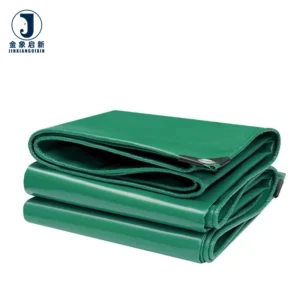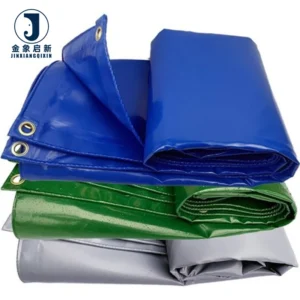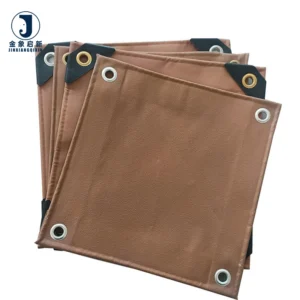


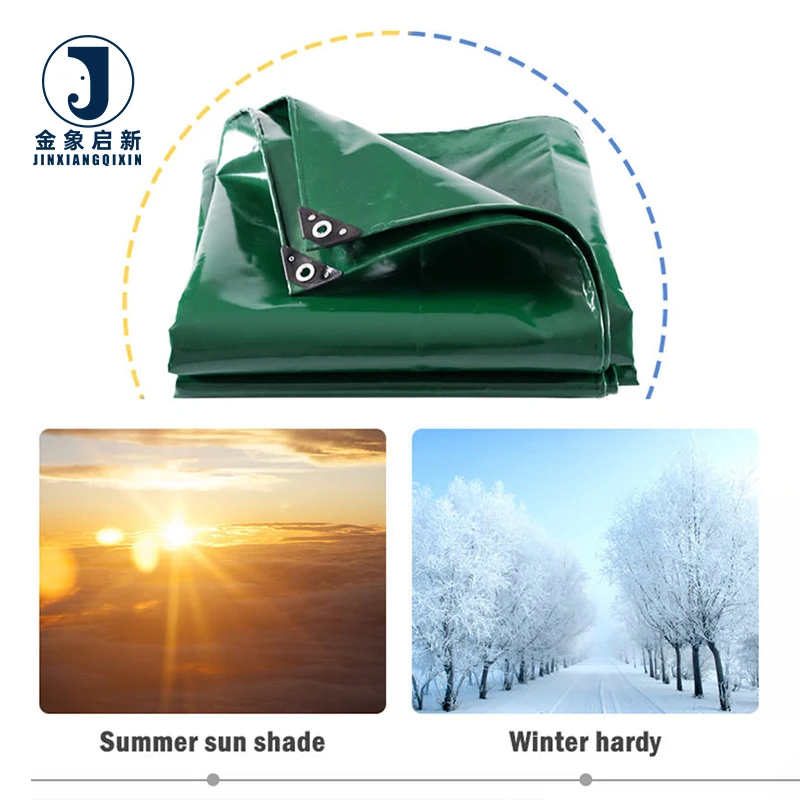
Coated Fabric Expertise — nearly 30 years of process control over coating weight, adhesion and treatment application, supporting industrial ventilation and technical fabric requirements with verifiable documentation at every stage.
Technical Specifications
| Parameter | Value |
|---|---|
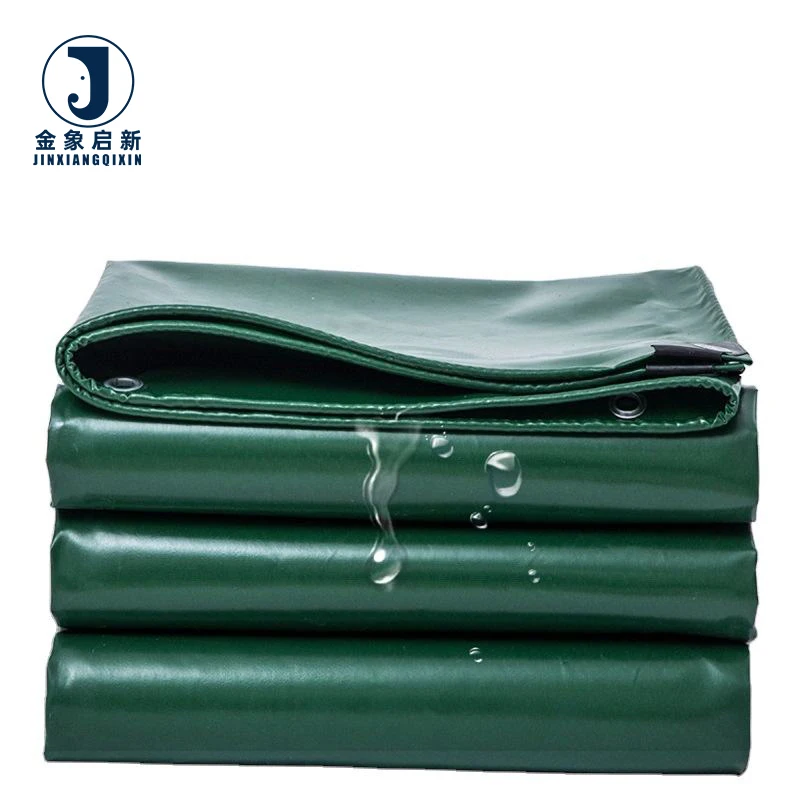
| Product Type | PVC Coated Tarpaulin |
| Coating Material | PVC |
| Construction | Double-faced |
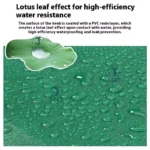
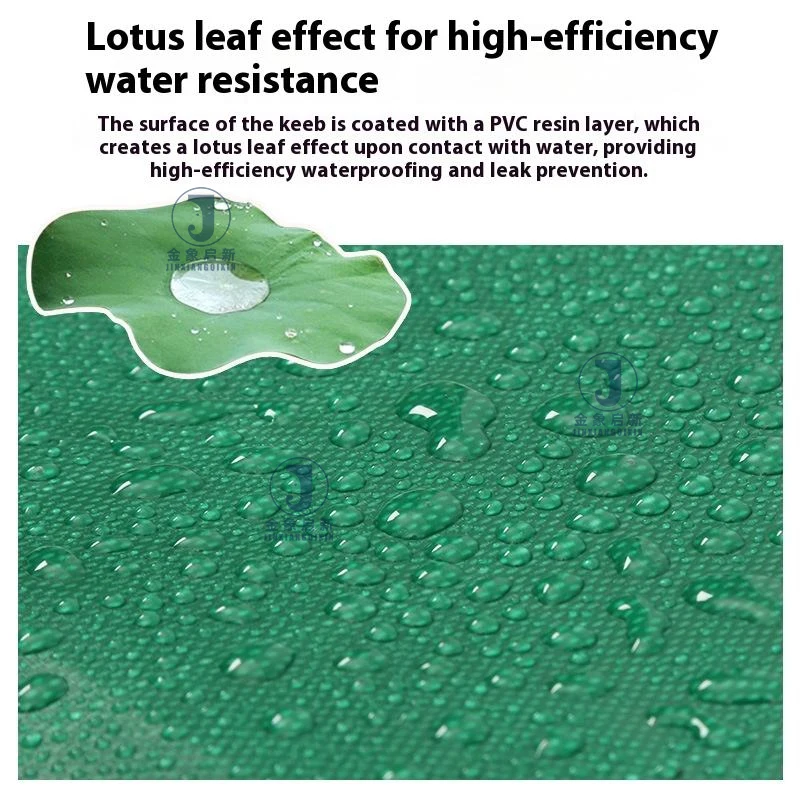
| Water Resistance | Yes |
| Anti-UV Treatment | Yes (test basis available on request) |
| Flame Retardant Treatment | Yes (grade to be confirmed against target market requirements) |
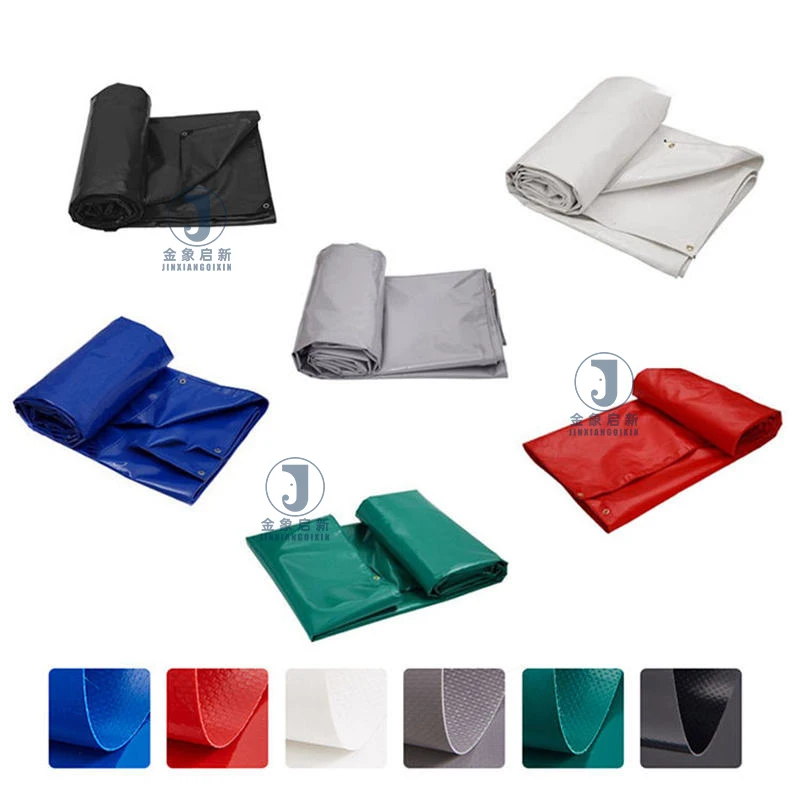
| Color Options | Multiple colors available |
| Certification | ISO / CE |
Application Suitability
| Application | Exposure & Requirement |
|---|---|
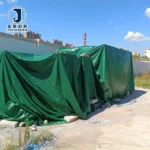
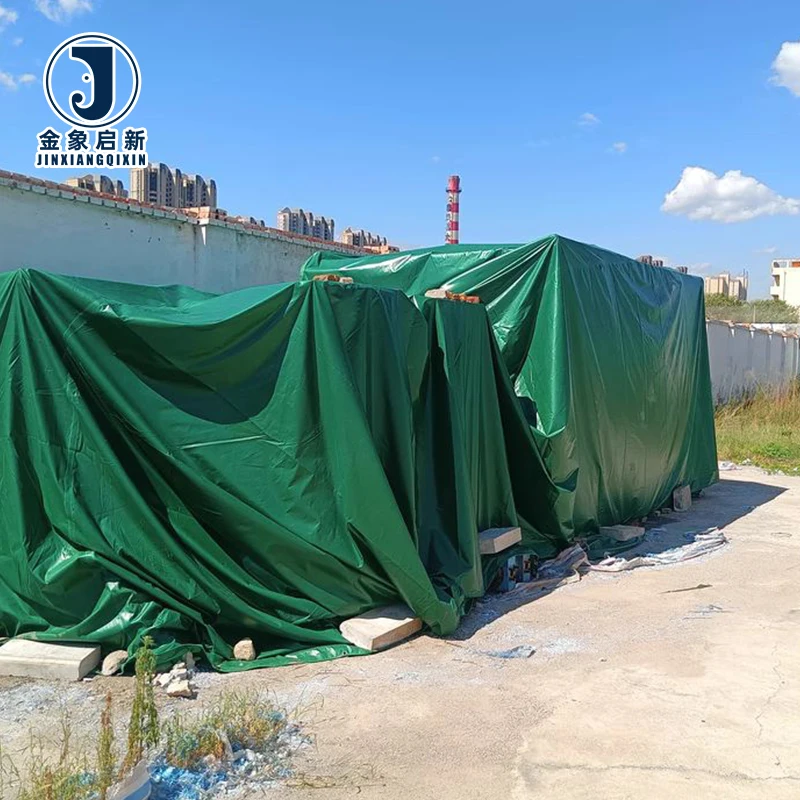
| Flatbed trailer load covering | Road weather, wind-driven rain, UV exposure, abrasion from load shifting |
| Lumber transport protection | Moisture ingress, sap and resin contact, repeated tie-down stress |
| Heavy-duty truck transportation | Constant flexing at load points, highway debris impact, temperature fluctuation |
| Industrial ventilation duct integration | Fire-retardant and anti-static compliance, airflow containment, mine and tunnel environment |
Why "Flame Retardant" Means Nothing Without a Grade Behind It
A PVC coated tarpaulin fire retardant claim must name the standard and grade — otherwise it is marketing, not compliance.
When a technical buyer receives a flame retardant PVC coated tarpaulin without a referenced test standard, the material cannot be verified against the fire safety requirements of the installation site. Mining operations, aviation hangars and tunnel construction projects each demand specific classifications — M2, B1, NFPA 701 or DIN 4102 — and a generic claim satisfies none of them [NEED_CITE: DIN 4102 fire classification for building materials]. The consequence is material arriving on site, failing the compliance audit, and the entire roll inventory sitting idle while a replacement is sourced. Procurement teams specifying PVC coated tarpaulin fire retardant or anti-static certified fabric need the test report in hand before the purchase order is issued.
Ventilation Duct and Technical Fabric Compliance
Industrial air duct systems in mining, tunnelling and aviation environments require fabric that meets fire-retardant and, where applicable, anti-static standards specific to the jurisdiction and the contracting authority. This PVC coated tarpaulin is treated for flame retardancy, and the applicable grade must be confirmed against your project specification before order commitment. Technical buyers working on ventilation duct or membrane structure projects should request the test report referencing the exact standard required — whether DIN 4102, NFPA 701 or another regional classification [NEED_CITE: tensile and tear test methods for coated fabrics per ISO 1421].
Double-Faced Construction for Dual-Exposure Environments
Double-faced PVC coating provides uniform protection on both surfaces, which matters when a flatbed tarpaulin is exposed to road spray on the underside and direct UV on the top, or when a ventilation duct faces internal airflow abrasion alongside external environmental contact. This construction approach distributes mechanical stress more evenly across the fabric cross-section compared to single-sided alternatives, reducing the likelihood of coating delamination at high-flex zones where the load settles and shifts during transit.
How Base Fabric and Coating Weight Interact in Practice
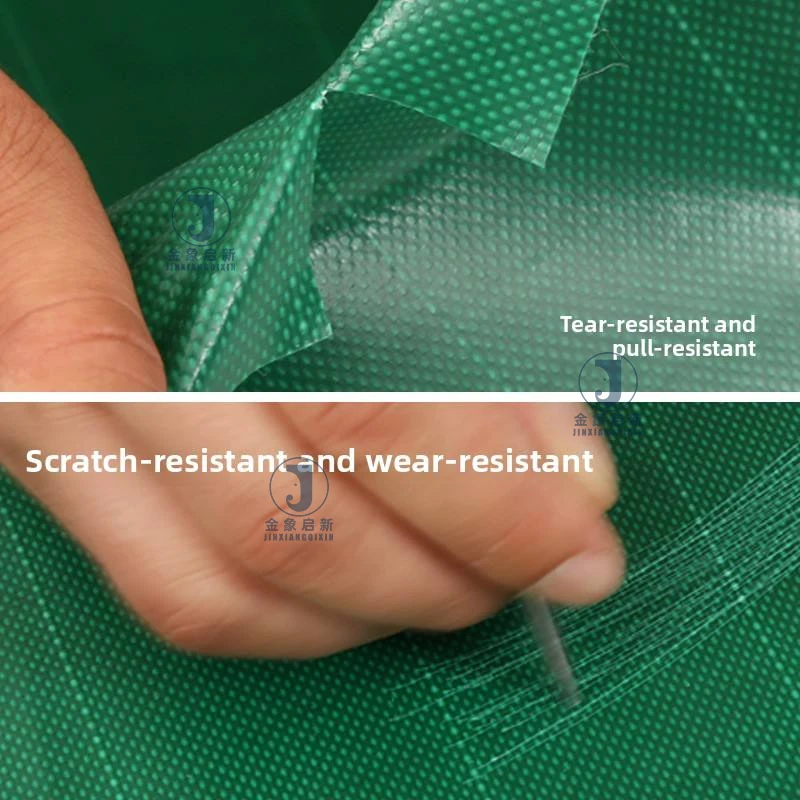
The performance of any PVC coated tarpaulin depends on the relationship between base fabric denier, weave density and coating weight — not on any single parameter in isolation. A heavier coating does not compensate for a loosely woven base fabric when tear propagation resistance is the priority. The double-faced construction applied here ensures coating adhesion on both sides of the substrate, which supports consistent heat-welding behaviour across the material surface. Anti-UV treatment extends service life under direct sunlight exposure, though the test basis and rated duration should be confirmed against your expected installation environment. Flame retardant treatment is applied during production, and the specific grade determines which market compliance frameworks the material satisfies [NEED_CITE: flame retardant testing standards for technical textiles in industrial ventilation].
The Cost of Specifying Without Verification
Material that arrives lighter than the quoted GSM, flame retardant claims unsupported by a test certificate, or colour variation visible when adjacent panels are installed — these failures share a common root: specification without verification at the procurement stage. For ventilation duct and technical fabric applications, a missing fire-retardant certificate can halt a project inspection entirely. For transport fleets, inconsistent coating weight across rolls leads to uneven welding behaviour during fabrication, and seams fail before the fabric body reaches its expected service life. Batch colour variation forces installers to reject otherwise sound material because installed panels show visible tone differences under daylight [NEED_CITE: batch consistency standards in coated fabric manufacturing].
Why Technical Buyers Source This Material Here
Production runs are supported by dedicated QA/QC with inspection coverage at every stage and full pre-shipment verification, so the GSM and treatment claims on the quotation match what arrives at the receiving dock. A 10-person R&D team handles material selection, custom sizing and sample development for technical applications including ventilation duct configurations and specialist membrane structures. Three full production lines and 36 sets of professional equipment provide capacity for bulk orders without extended lead time penalties on standard specifications. Material specification sheets state base fabric denier, coating weight and treatment references, giving procurement teams the documentation needed for compliance audits and site approvals.
Documentation & Verification
- Material specification sheet stating base fabric denier, coating weight and PVC formulation for each roll
- Flame retardant test report referencing the specific grade and standard applicable to your market
- Anti-UV test documentation confirming treatment basis and rated exposure parameters
- Pre-shipment inspection record with GSM verification against quoted values before dispatch
- ISO and CE certificates covering production facility and quality management scope
- Certificate of origin and customs documentation supporting international shipment
Fabrication, Handling & Storage
- Heat-weld parameters must be set according to the PVC coating weight to avoid seam delamination at flex points
- Double-faced construction requires temperature profiling on both surfaces during thermal joining
- Store rolls horizontally on pallets to prevent edge compression marks on the coating surface
- Avoid unfolding at low ambient temperatures to prevent PVC coating crease damage
- Use mild detergent cleaning agents compatible with PVC coating chemistry to preserve surface treatment
- Custom width rolls should be stored with end caps to prevent edge contamination during warehouse holding
What to Include in Your Enquiry
Specify the fire-retardant grade and test standard required by your project authority, along with the installation environment — whether ventilation duct, membrane structure or transport covering. Confirm the required roll width, colour reference and whether anti-static treatment is mandated by your site safety protocol. Indicate your annual volume and whether you need raw roll stock or finished fabricated panels to dimension.
Frequently Asked Questions
Q: Which flame retardant grades are available and how do I confirm compliance?
A: This PVC coated tarpaulin is produced with flame retardant treatment, and the specific grade must be matched to your target market requirements — whether DIN 4102, NFPA 701, M2 or another classification. Request the test report referencing the exact standard before placing your order to ensure site compliance.
Q: How is GSM verified before shipment?
A: Every roll undergoes inspection as part of the pre-shipment QA process, with GSM measured and recorded against the quoted specification. The material specification sheet included with your shipment documents the verified coating weight and base fabric details for your receiving inspection.
Q: Can anti-UV performance be documented for my project specification?
A: Anti-UV treatment is applied during production, and the test basis confirming treatment type and rated exposure parameters is available on request. Provide your expected service environment so the appropriate documentation can be matched to your specification requirements.
Q: How is batch colour consistency controlled across multiple rolls?
A: Colour matching is managed through controlled pigment formulation and in-process inspection at the coating stage. For orders requiring visual uniformity across installed panels, specify your colour reference at enquiry stage and request the batch inspection record before dispatch.
Q: What customisation is possible for width, length and fabrication?
A: Rolls can be produced in custom widths and lengths with options for colour, treatment grade and branding. The R&D team develops samples for non-standard requirements, and the production facility supports both raw roll stock and fabricated panel orders depending on your application.