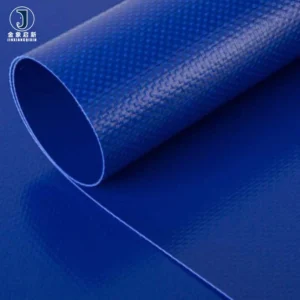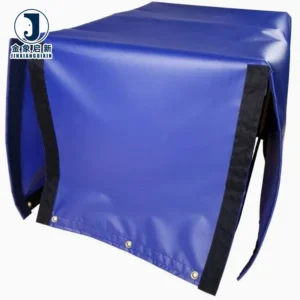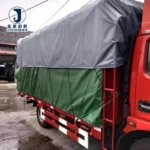
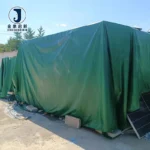

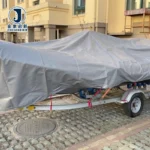
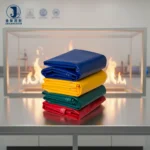
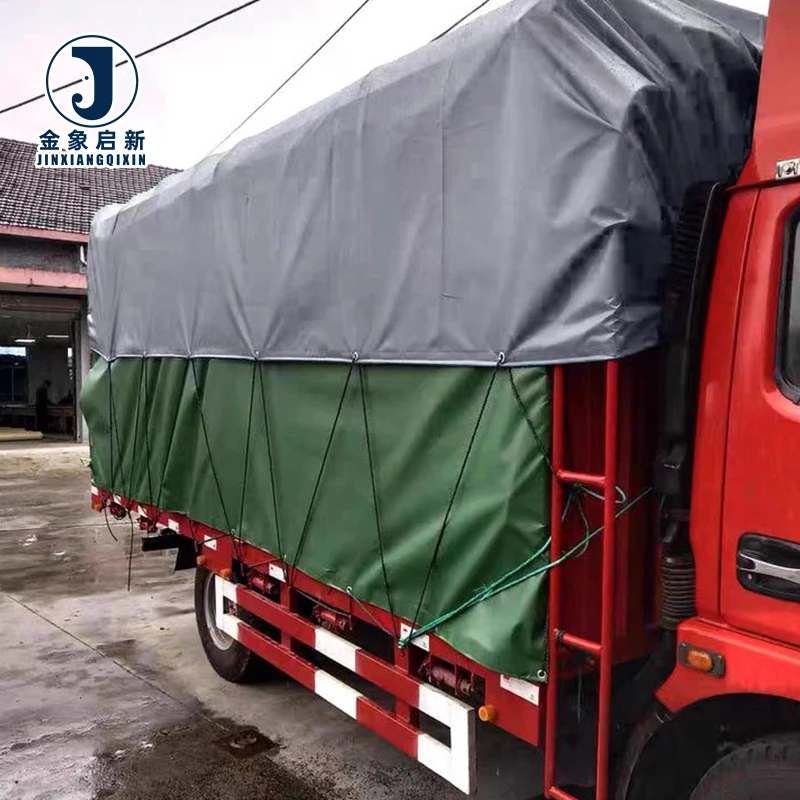
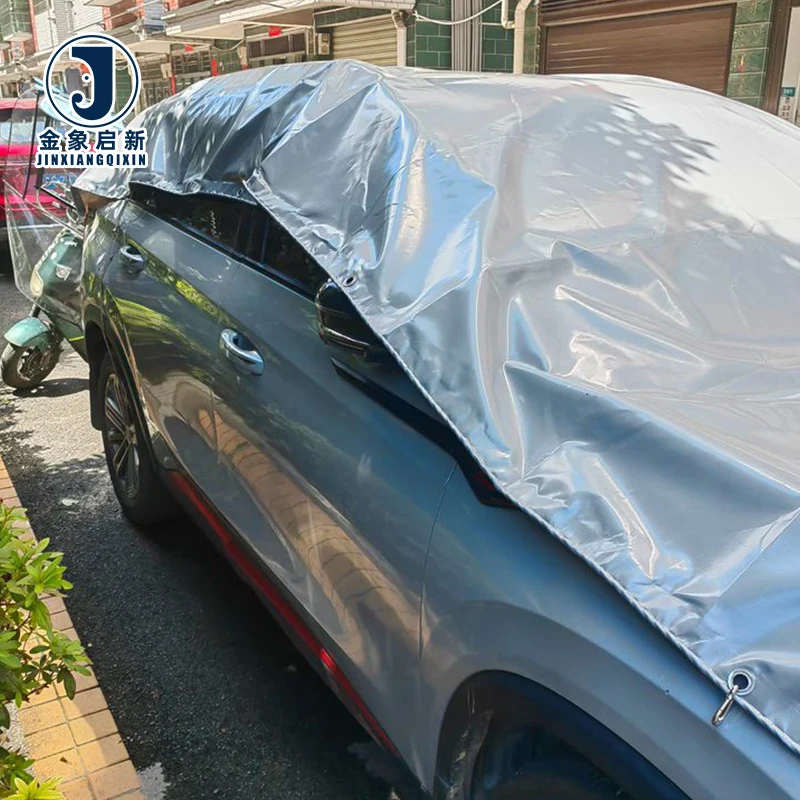
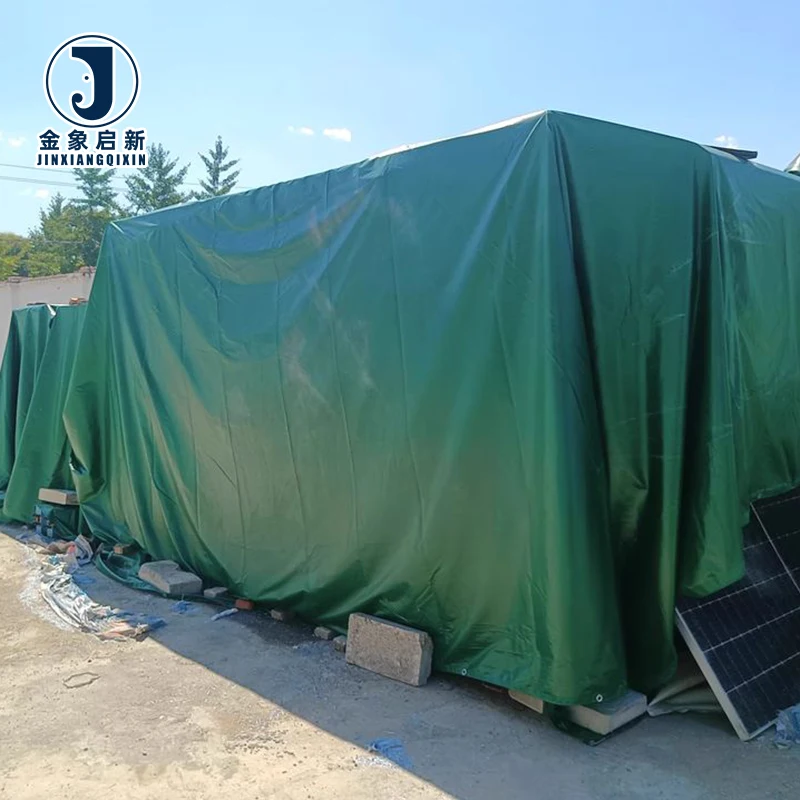
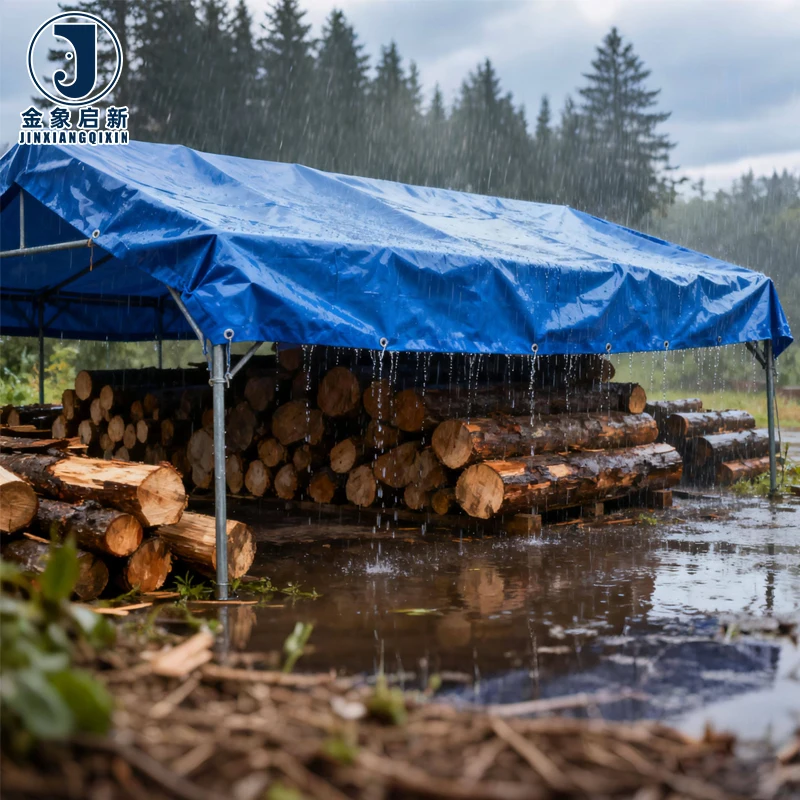
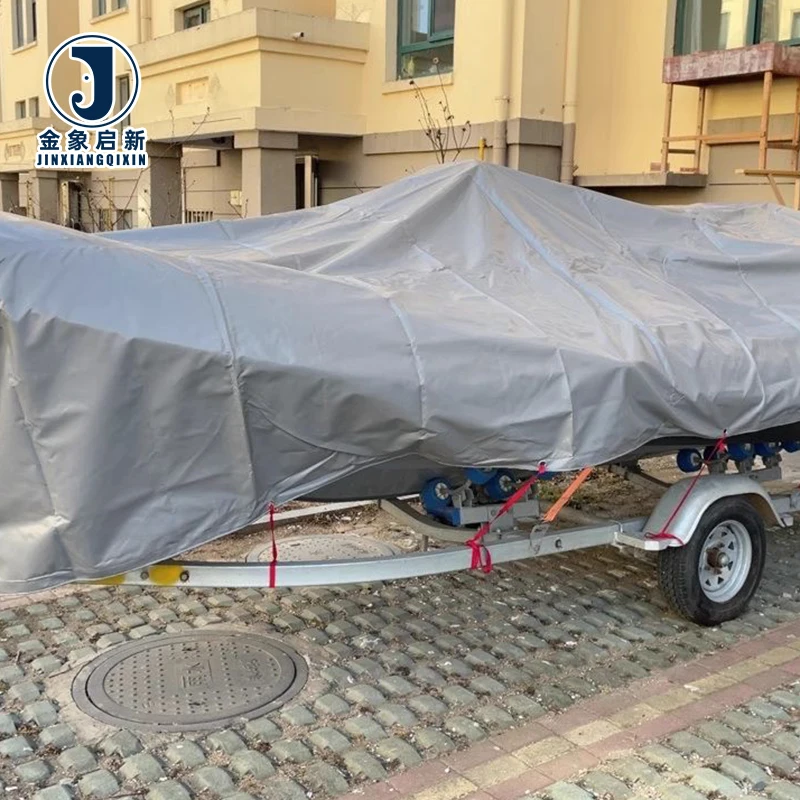
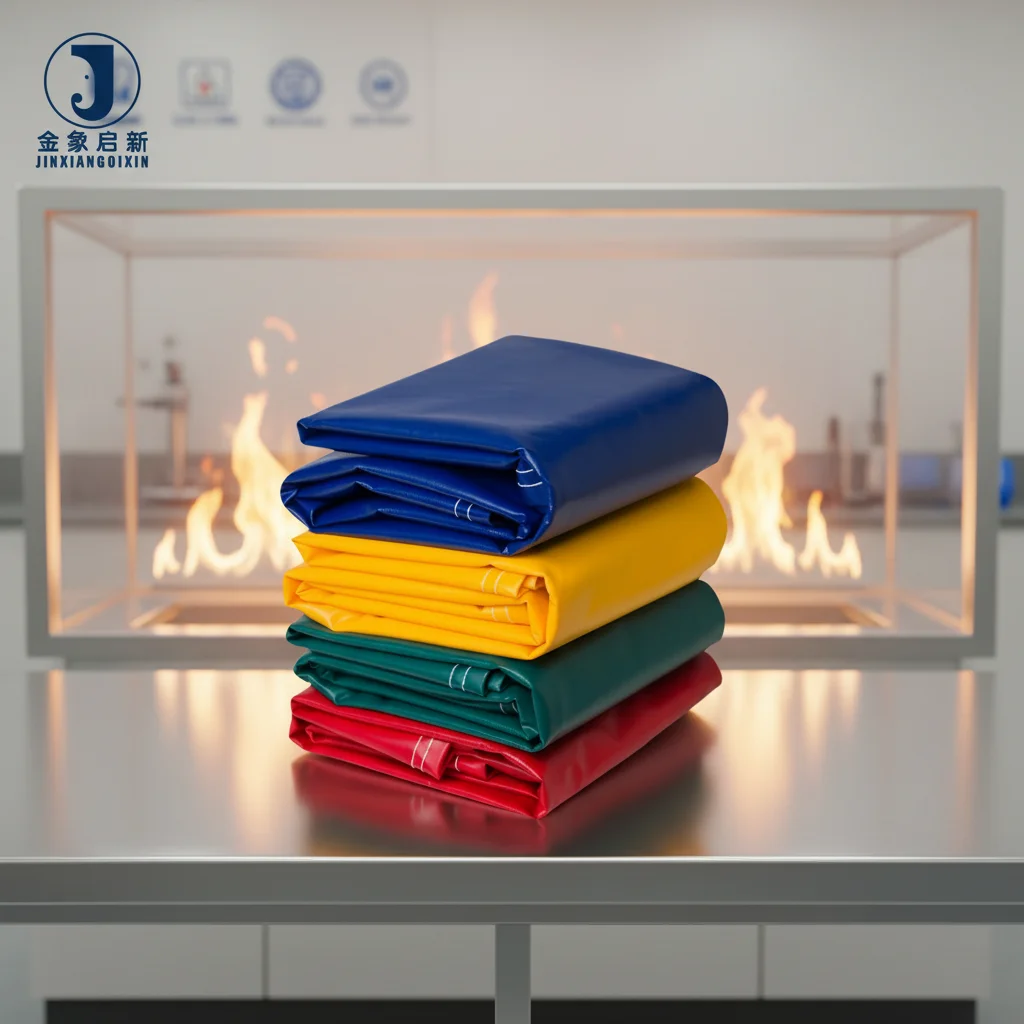
Hot Melt Coating Precision — our production lines maintain tight control over PVC coating weight and base fabric adhesion, ensuring every roll of PVC Coated Tarpaulin for Trucks and Trailers delivers the tensile performance stated on the specification sheet.
Technical Specifications
| Parameter | Value |
|---|---|
| Product Type | PVC Coated Tarpaulin |
| Base Fabric | 100% high toughness polyester yarn |
| Coating Technology | Lamination technology and hot melt coating technology |
| Medium-Duty Weight | 400–500 g/m² |
| Medium-Duty Thickness | 0.35–0.45 mm |
| Medium-Duty Denier | 500D |
| Medium-Duty Tensile Strength | Warp 1500–2000 / Weft 1200–1800 N/5cm |
| Heavy-Duty Weight | 700–1000 g/m² |
| Heavy-Duty Thickness | 0.70–1.0 mm |
| Heavy-Duty Denier | 1000D |
| Heavy-Duty Tensile Strength | Warp 2000–2500 / Weft 1800–2200 N/5cm |
| Super Heavy Weight | 1100–1500 g/m² |
| Super Heavy Thickness | 1.2–1.5 mm |
| Super Heavy Denier | 500D–2000D |
| Super Heavy Tensile Strength | Warp 2500–3000 / Weft 2200–2800 N/5cm |
| Colors Available | Blue, Blue/Orange, Green, Grey, Black, Clear, Grey/Green, Orange, or custom |
| Waterproof | Yes |
| UV Treatment | Available (test basis not stated in source) |
| Flame Retardant | Available (grade not stated in source — confirm required grade for your project) |
| Anti-Static | Available (surface resistance or standard not stated in source — verify against site requirements) |
| Anti-Mildew | Mold proof |
| Cold Resistant | Cold resistant cracking |
| Welding Tear Strength | Excellent (test standard not stated in source) |
| Custom Printing | Accepted |
| Standard Cut Sizes (ft) | 8’×10′, 10’×12′, 12’×16′, 16’×20′, 20’×20′, 20’×30′ |
| Certifications | ISO, CE |
Application Suitability
| Application | Exposure & Requirement |
|---|---|
| Mining and tunnelling ventilation duct | Continuous airflow pressure, underground fire code compliance, anti-static discharge, mechanical abrasion from duct flexing |
| Heavy truck and trailer tarpaulin | Highway wind load, UV exposure, constant tie-down tension, road debris abrasion, temperature fluctuation |
| Inflatable and membrane structure fabric | Structural tension loading, weather exposure, fire classification for enclosed public or industrial spaces |
| Industrial pipe and equipment canopy | Outdoor weathering, chemical splash proximity, thermal variation, prolonged water contact |
| Aviation ground ventilation duct | Fire-retardant certification per aviation site specification, anti-static for fuel-vapour environments |
Why the Fire-Retardant Label Without a Grade Is a Compliance Risk for Your Site
A PVC Coated Tarpaulin marked "flame retardant" without a stated test grade is not compliance documentation — it is a liability waiting for the site inspector.
Ventilation duct installed in a mine or tunnel must meet a specific fire classification — M2, B1 per DIN 4102, NFPA 701, or whichever standard the project contract mandates. When the roll arrives without a matching test report, the duct fails pre-commissioning inspection and the entire run must be replaced before the ventilation system goes live. I have seen project timelines stall because the fabric supplier treated fire retardancy as a checkbox rather than a verified grade [NEED_CITE: DIN 4102 fire classification for building materials]. The cost of replacement material is only part of the damage — the downtime on a tunnelling face while new duct is fabricated and shipped is where the real expense sits.
Coating Adhesion Under Flex and Tension Loads
Hot melt coating technology bonds the PVC layer to the polyester base yarn at a molecular level, which matters when the fabric is fabricated into ventilation duct that cycles between inflated and collapsed states. Lamination technology alone can leave a mechanical bond that delaminates under repeated flex, particularly at the welded seam where the duct connects to the fan or branching collar. For PVC Coated Tarpaulin destined for truck side curtain use, the same adhesion principle prevents coating peel at tie-down eyelet zones where road vibration concentrates stress.
Anti-Static Performance in Fuel-Vapour and Dust Environments
Anti-static treatment is available on this fabric range, and the surface resistance value must be matched to the hazard zone classification of your site. Aviation fuel farm ventilation, grain handling duct, and coal mine intake airways each define a maximum permissible surface resistance. Request the measured value before approving production, because a generic "anti-static" label does not confirm that the PVC Coated Tarpaulin meets the ohm-per-square threshold your safety officer will verify at commissioning [NEED_CITE: anti-static surface resistance requirements for coated fabric in hazardous zones].
Reading the Weight and Denier Table Correctly
The three grade tiers — 400–500 g/m² at 500D, 700–1000 g/m² at 1000D, and 1100–1500 g/m² at 500D–2000D — represent fundamentally different fabric constructions, not simply heavier versions of the same cloth. A 1000D base yarn in the heavy-duty tier provides individual yarn tensile capacity that a denser weave of 500D cannot match, even when total weight is similar. Coating weight and base fabric denier together determine how the material behaves under biaxial tension during membrane structure erection or when a loaded trailer side curtain billows under crosswind. Thicker coating at 1.2–1.5 mm in the super heavy tier adds puncture resistance and stiffness that suits permanent duct and structural enclosure fabrication, while the 0.35–0.45 mm medium-duty tier remains pliable enough for roll-up truck covers that are handled daily.
What Specifying the Wrong Grade Costs After Installation
A ventilation duct fabricated from a grade that is too light will stretch under continuous positive pressure, pulling the welded longitudinal seam open at the joint closest to the fan where pulsation is greatest. On a truck cover, underspecified tensile strength shows up as fabric deformation around eyelets after a season of highway use, where tie-down strap tension exceeds the warp yield point. Flame retardant treatment applied without a project-specific grade means the fabric may pass a laboratory ignition test but fail the site-standard smoke density or flame spread requirement, triggering rejection at handover [NEED_CITE: tensile and tear test methods for coated fabrics per ISO 1421]. Batch-to-batch colour variation across rolls used on adjacent trailer bays becomes visible the moment the fleet is parked side by side, forcing a full re-cover to restore fleet appearance standards.
Production Control Backed by Three Decades of Coated Fabric Focus
Deep process control over coating weight and adhesion means the GSM stated on your material specification sheet is the GSM measured on every roll before it leaves the factory — verified at 100% pre-shipment inspection, not sampled. Three full production lines and 36 sets of professional equipment give this PVC Coated Tarpaulin the capacity to fill container-volume orders with consistent lead times, so fleet operators and duct fabricators can plan installation schedules against confirmed dispatch dates. A dedicated 10-person R&D team handles material selection, sample development, and custom sizing, producing trial rolls within days when your project calls for a specific denier, colour, or treatment combination that is not in standard stock. Every production stage carries QA checkpoints, and the pre-shipment inspection record documents the actual test values for your batch — not a generic datasheet from a previous run [NEED_CITE: quality inspection documentation practices for coated technical textiles].
Documentation & Verification
- Material specification sheet stating exact GSM, base fabric denier, and coating weight per roll
- Flame retardant test report citing the specific grade achieved, matched to your site compliance requirement
- Anti-static surface resistance measurement recorded against the applicable standard for your hazard zone
- ISO and CE certificates included with each dispatch for project audit trail
- Pre-shipment inspection record with measured values for your production batch
- Certificate of origin supplied for customs clearance in your destination market
Fabrication, Handling & Storage
- Hot melt coated construction supports high-frequency welding; confirm weld temperature against the 0.35–1.5 mm thickness range before setting machine parameters
- Polyester base yarn at 500D–2000D tolerates industrial sewing; use UV-stable thread at eyelet and hem reinforcement zones
- Store rolls horizontally on pallets to prevent edge creasing that transfers into visible lines on the finished truck cover or duct panel
- Cold-resistant formulation allows handling in low temperatures, but allow rolls to acclimatise before unrolling to avoid coating crack at fold lines
- Clean PVC surface with mild detergent only; solvent-based cleaners can degrade the coating bond on lamination-technology grades
- Custom cut sizes from 8’×10′ to 20’×30′ reduce on-site trimming waste and minimise field-welded joints on truck and trailer covers
What We Need to Move Your Enquiry Forward
Provide the application environment — ventilation duct, truck side curtain, or membrane structure — along with the fire classification and anti-static grade your project specification calls for. State the target GSM tier, the total linear metres or number of finished covers required, and any custom colour or printing requirement so we can confirm batch consistency and lead time. If your project demands finished covers cut to specific vehicle model dimensions, share the trailer or duct collar drawings for sizing confirmation before sample development begins.
Frequently Asked Questions
Q: Which fire-retardant grade does your project require — M2, B1, NFPA 701, or DIN 4102?
A: Different site specifications call for different fire classifications. State the exact grade and test standard in your enquiry so we can confirm the PVC Coated Tarpaulin formulation that meets it and supply the matching test report with your roll. Generic flame-retardant claims without a cited grade do not satisfy project compliance audits.
Q: How is anti-static surface resistance verified before shipment?
A: We record the surface resistance measurement during pre-shipment inspection and include the result in your dispatch documentation. Specify the maximum ohm-per-square value your hazard zone requires so we can confirm the anti-static treatment grade before production begins and verify the outcome on your batch.
Q: What GSM and denier do mining ventilation ducts typically specify?
A: Mining and tunnelling ventilation ducts commonly fall in the heavy-duty to super-heavy tier, where higher denier base fabric and thicker PVC coating resist continuous positive-pressure flex and underground abrasion. Share your fan static pressure and duct diameter so we can recommend the grade that maintains dimensional stability under your operating conditions.
Q: Can you supply the test report and certificate of origin with the roll?
A: Yes. Every dispatch includes the material specification sheet, flame retardant and anti-static test reports where applicable, pre-shipment inspection record, ISO and CE certificates, and the certificate of origin required for customs clearance in your destination market.
Q: How do you ensure weld and seam strength matches the base fabric for duct fabrication?
A: Hot melt coating technology creates a bond between the PVC layer and polyester base that supports high-frequency welding at seam strength levels matching the parent fabric. We confirm welding tear performance during the sample stage so your fabrication parameters are set before bulk production runs.