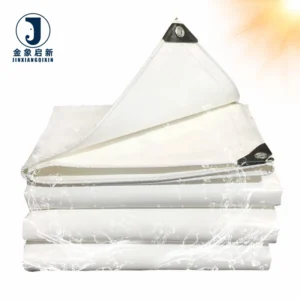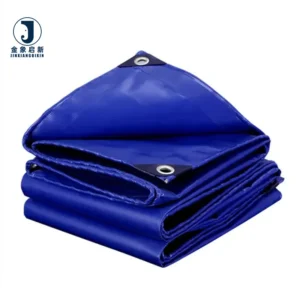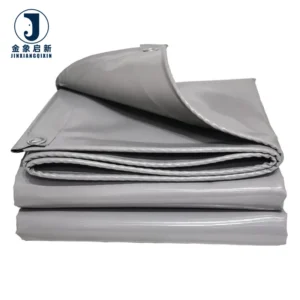

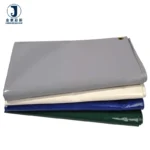
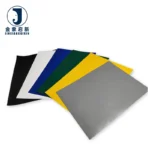
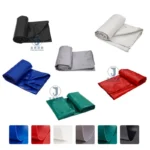
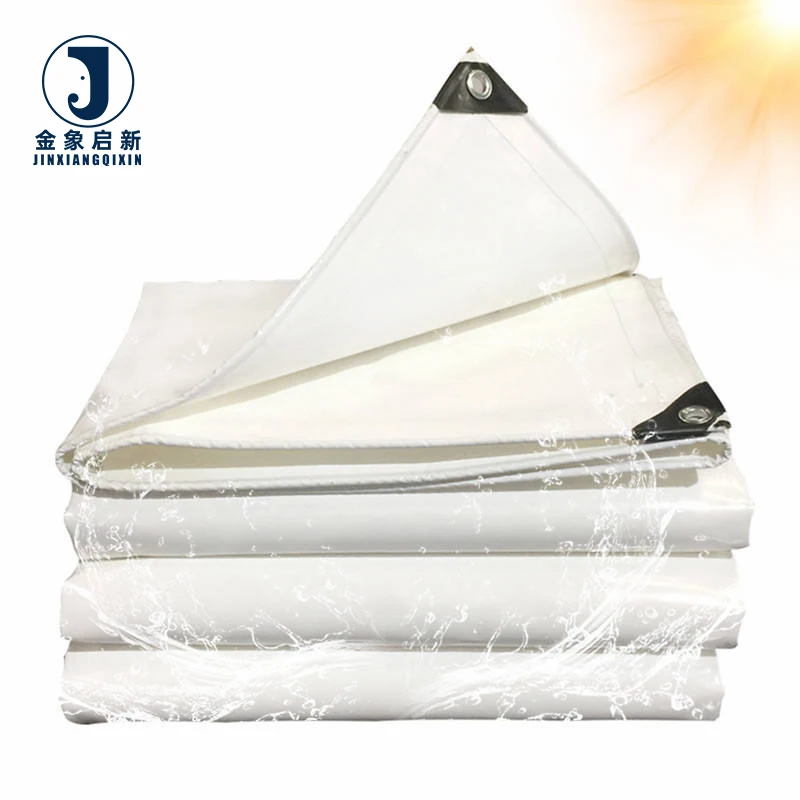
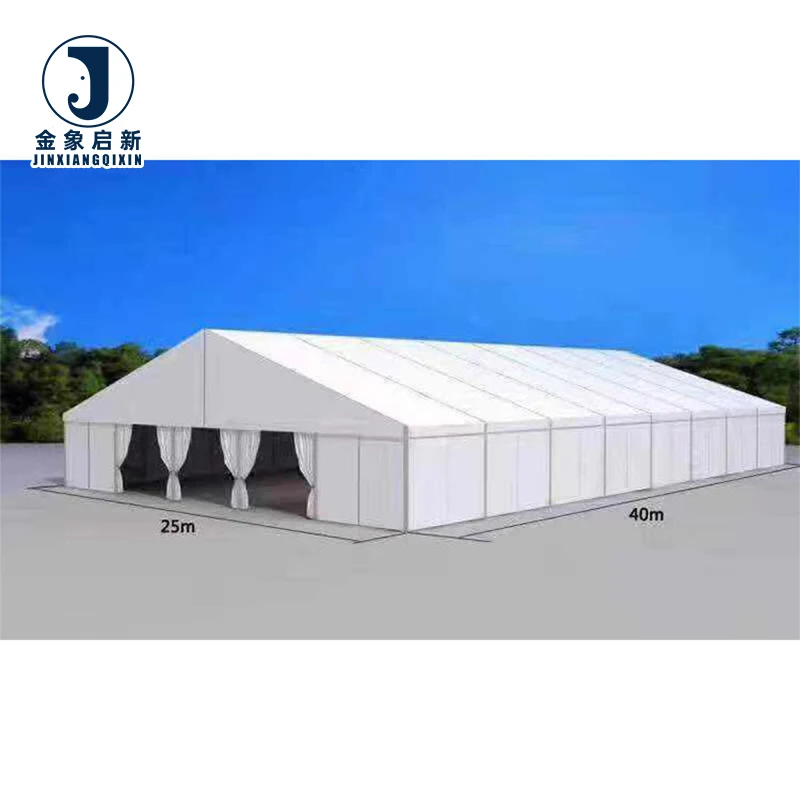
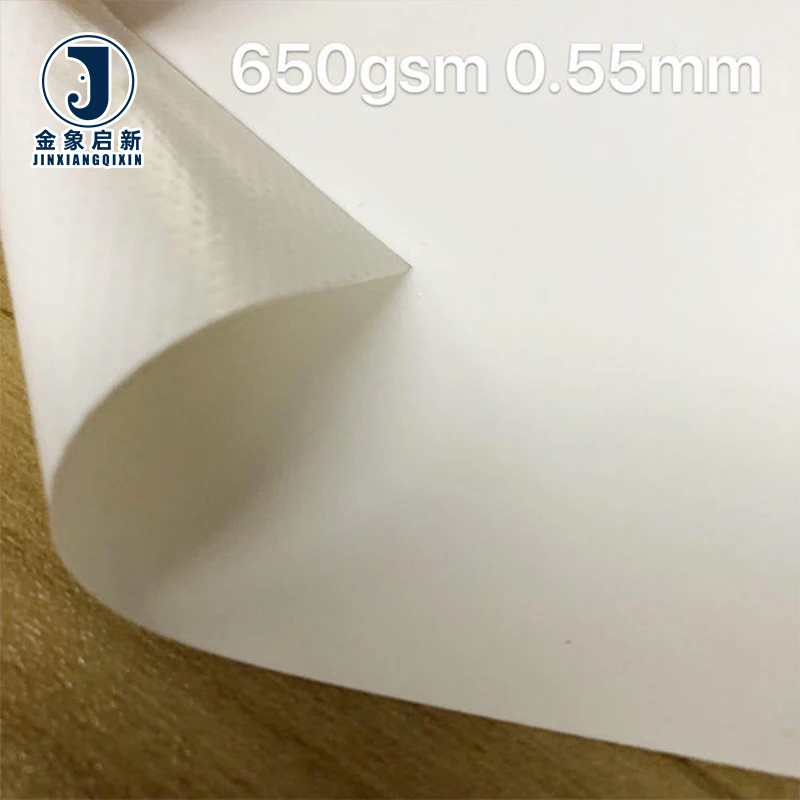
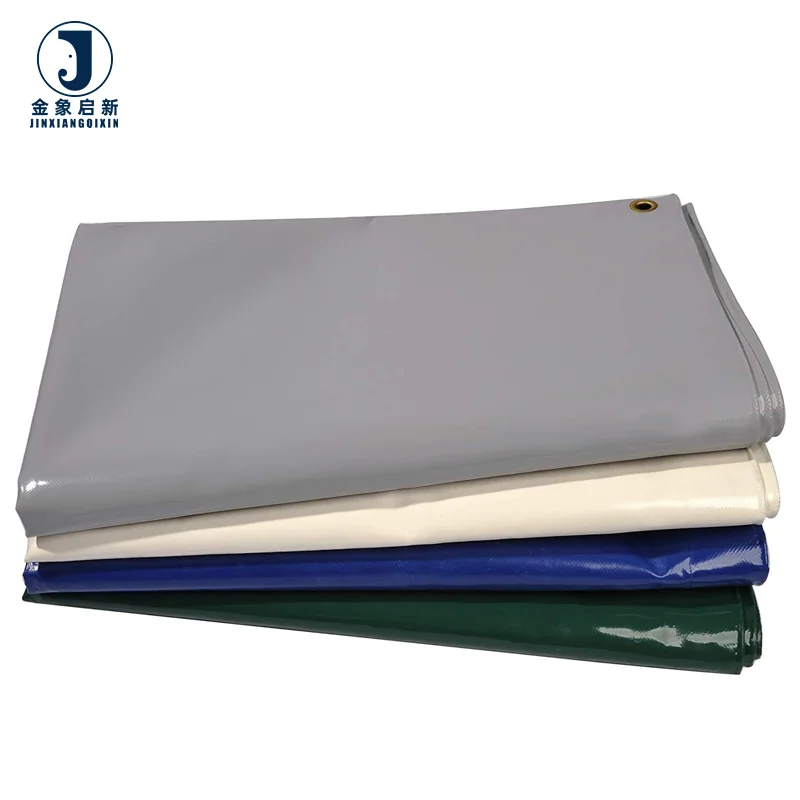
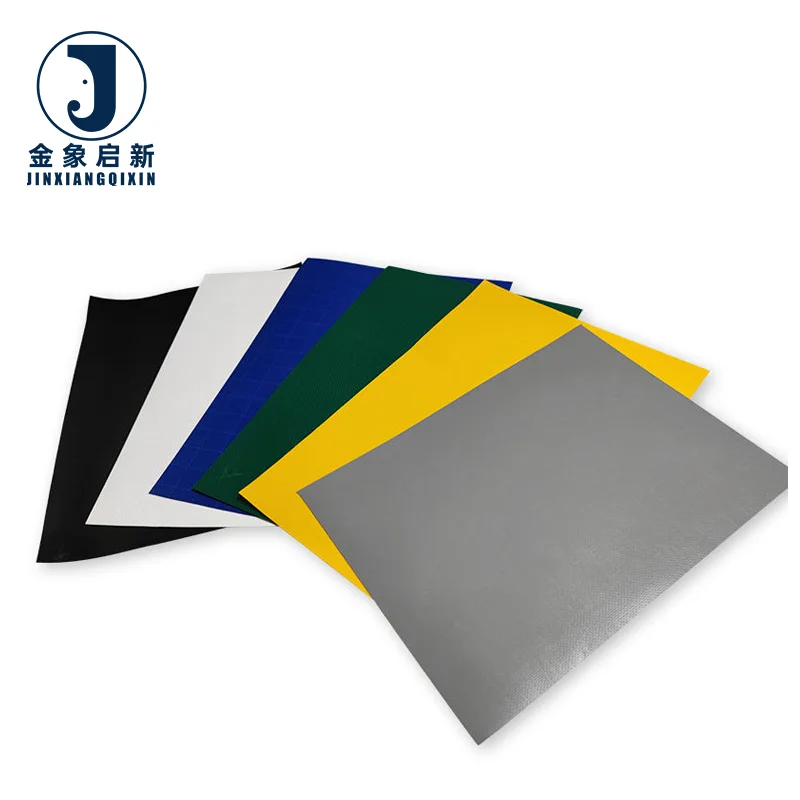
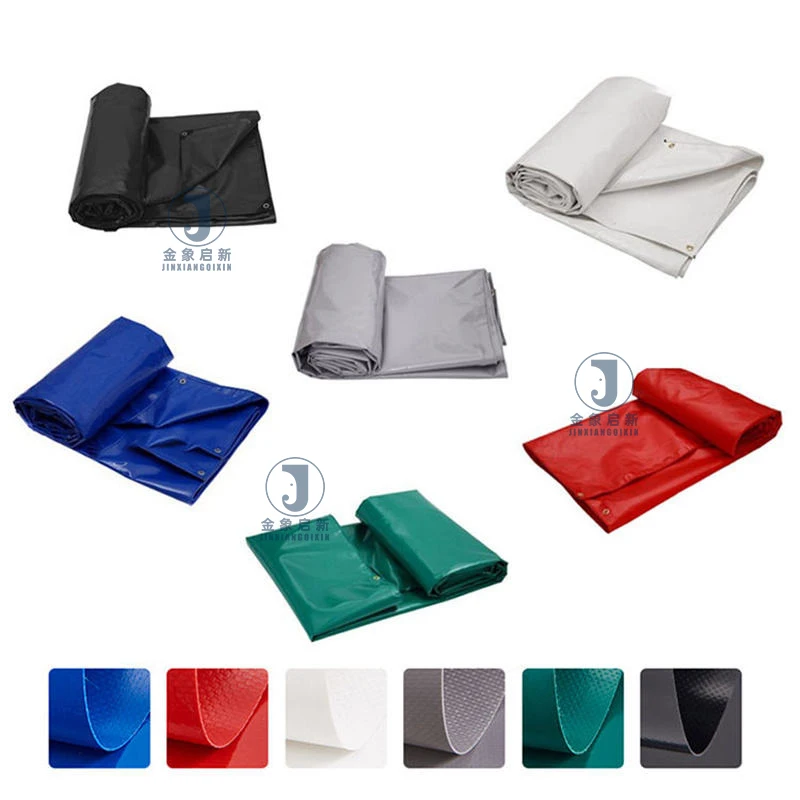
Proven Coating Adhesion — laminated and hot-melt technology applied across three production lines delivers consistent PVC-to-polyester bonding verified at every stage of the roll build.
Technical Specifications
| Parameter | Value |
|---|---|
| Product Type | PVC Coated Tarpaulin |
| Base Fabric | High-strength polyester mesh fabric |
| Coating Material | PVC |
| Coating Method | Laminated technology & Hot-melt coating technology |
| Weight Options | 350 gsm / 420 gsm / 500 gsm / 550 gsm / 600 gsm / 750 gsm |
| Thickness Options | 0.32 mm / 0.35 mm / 0.4 mm / 0.45 mm / 0.5 mm / 0.65 mm |
| Roll Width | 2 m / 2.1 m |
| Roll Length | 75 m (2 m width) / 50 m (2.1 m width) |
| Colour Options | Blue / Red / Yellow / Light Blue / Grey / Customised |
| Operating Temperature | -70 °C to +100 °C |
| Key Features | Waterproof, cold crack resistance, anti-mildew, odourless, non-toxic, good electrical insulation, good chemical stability |
| Optional Treatments | Flame retardant (grade not stated in source — confirm required grade), anti-static (test basis not stated in source — confirm compliance standard), UV treatment (test basis not stated in source) |
| Standards | ISO, CE |
Application Suitability
| Application | Exposure & Requirement |
|---|---|
| Mining & tunnelling ventilation duct | Continuous airflow, fire-retardant and anti-static compliance, duct flex under positive pressure |
| Aviation hangar ducting & covers | Flame retardant certification contractually specified, chemical exposure from maintenance fluids |
| Membrane & inflatable structures | Consistent coating weight for air-holding integrity, welded seam reliability under tension |
| Refinery & offshore site covers | Chemical stability, temperature extremes, UV exposure in open deck environments |
| Construction enclosure & scaffolding wrap | Wind load, weather exposure, puncture from site debris |
What Fire-Retardant Certification Actually Means on a Ventilation Duct Roll
A fire-retardant claim without a named test standard is a liability, not a specification.
When a mining or tunnelling contractor orders ventilation duct fabric, the site safety officer needs a certificate that maps to a recognised classification — not a supplier declaration. PVC coated tarpaulin fire retardant grades vary widely across markets, and a roll that passes one protocol may not satisfy another. Ordering without locking the test basis means the material may arrive compliant in chemistry but non-compliant on paper [NEED_CITE: DIN 4102 / NFPA 701 / M2 classification frameworks for coated fabrics]. The cost of a failed site inspection dwarfs the lead time of confirming the grade before production starts.
Coating Adhesion Under Duct Pressure Cycles
Ventilation ducts inflate and deflate with every fan cycle, placing repeated peel stress on the bond between PVC coating and polyester mesh. The laminated and hot-melt coating technology used on this PVC coated tarpaulin produces a continuous adhesive interface rather than a surface bond, which is critical when the duct flexes at branch junctions and suspension points. Consistent adhesion prevents delamination that would otherwise expose the base yarn to abrasion and chemical ingress.
Temperature Boundaries in Underground and Hangar Environments
The operating range of -70 °C to +100 °C with stated cold crack resistance means the PVC coating remains flexible in winter surface installations and underground cold-air intakes. At the upper boundary, chemical stability matters in refinery and offshore maintenance covers where hydrocarbon vapours contact the fabric surface. PVC coated tarpaulin fire retardant and anti-static treatments, when specified to the correct grade, must retain their performance across this full thermal window — a point worth verifying against the test report before committing to a bulk order.
Reading the Specification Sheet Beyond GSM
Weight per square metre alone does not define how a coated fabric performs in a duct or structural membrane. The base fabric denier and weave density determine how load transfers across the mesh, while coating thickness controls abrasion resistance and weld penetration. A 550 gsm roll with a tighter base weave can outperform a 600 gsm roll with a looser construction in tear propagation [NEED_CITE: tensile and tear test methods for coated fabrics per ISO 1421]. The hot-melt coating method also influences how well high-frequency welds penetrate the coating layer to fuse seam to seam, which is the governing factor for duct joint longevity. Matching GSM to the actual mechanical demand — rather than selecting the heaviest grade by default — keeps material cost proportional to structural need.
The Hidden Cost of Undocumented Treatment Grades
When flame retardant or anti-static treatment is claimed without a supporting test report, the material may pass a visual inspection but fail a site audit. A mining operation that installs duct without the correct surface resistance documentation faces shutdown until replacement fabric arrives — weeks of lost ventilation and idle crews. Similarly, a membrane structure specified with fire-retardant fabric that lacks the classification paperwork will not receive occupancy certification [NEED_CITE: fire safety compliance for temporary membrane structures]. The price of re-supply and delay always exceeds the cost of requesting the test report before the order is placed.
Why Source This PVC Knife-Coated Fabric Here
Three full production lines and 36 sets of professional equipment support bulk roll output with consistent coating weight across the batch. The 10-person R&D team handles material selection and treatment specification, matching flame retardant and anti-static grades to the target market standard rather than offering a generic additive. Dedicated QA and QC at every production stage means coating adhesion, GSM, and colour are checked in-process, not only at final inspection. Samples for custom width, colour, and treatment combinations are developed within days, allowing buyers to verify weld behaviour and surface finish before committing to full production. Every roll ships with documentation tied to the specific batch — not a generic datasheet.
Documentation & Verification
- Material specification sheet stating exact GSM, base fabric, coating method, and colour reference for the ordered grade
- Test reports for flame retardant and anti-static grades issued against the named standard applicable to the project
- ISO and CE certificates included in the shipment documentation package
- Pre-shipment inspection record confirming roll-to-roll GSM consistency and treatment performance
- Roll packing list and certificate of origin for customs clearance
Fabrication, Handling & Storage
- High-frequency welding parameters should be adjusted to coating thickness — the 0.32 mm to 0.65 mm range requires corresponding dwell time changes
- Store rolls upright on pallets to prevent flat-spot deformation on the polyester mesh core
- Allow cold-stored rolls to acclimatise above 10 °C before unrolling to avoid coating micro-cracking
- Use PVC-compatible solvent cleaners only — aggressive alkaline agents may degrade the anti-mildew surface treatment
- For duct fabrication, align weld seams parallel to the warp direction to maximise joint peel strength
What to Include in Your Enquiry
Provide the ventilation duct diameter, operating pressure, and the fire-safety or anti-static standard your site requires so the correct treatment grade can be matched. Specify roll width preference and annual volume to determine production scheduling and batch consistency planning. If membrane or inflatable structure use is intended, share the seam welding method and any third-party certification the finished product must carry.
Frequently Asked Questions
Q: Which fire-retardant grades can be supplied for ventilation duct applications?
A: Flame retardant treatment is available across the PVC coated tarpaulin range, but the specific grade must be confirmed against your target market standard — options map to classifications such as DIN 4102, NFPA 701, or M2 depending on the test protocol your project specifies. Request the applicable test report before ordering.
Q: How is anti-static surface resistance verified for mining and tunnelling use?
A: Anti-static treatment is offered as a special option with test documentation. Surface resistance values must meet the threshold required by your local mining safety regulation. Provide the compliance standard in your enquiry so the treatment formulation and test method are aligned before production begins.
Q: How do you confirm GSM matches the quotation when rolls arrive?
A: Every roll undergoes weight verification during pre-shipment inspection, recorded on the inspection report supplied with the shipment. Buyers can cross-check by cutting a measured sample from the roll end and weighing it against the stated GSM. Any discrepancy flagged at inspection is resolved before dispatch.
Q: What is the lead time for custom width and treatment combinations?
A: Custom width, colour, and treatment combinations require dedicated production scheduling. Typical lead times run several weeks depending on order volume and treatment complexity. Submitting your specification and target standard early allows sample development and approval before the full production run is committed.