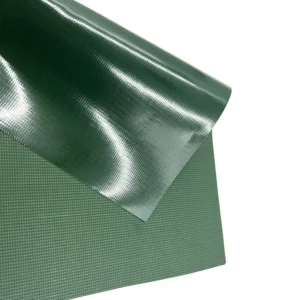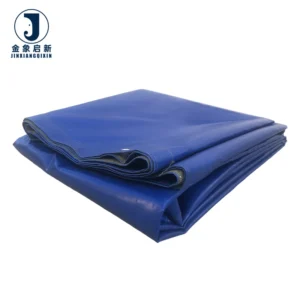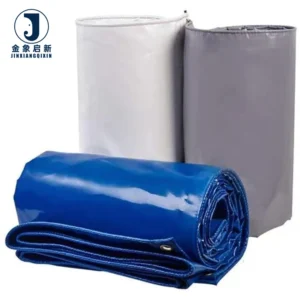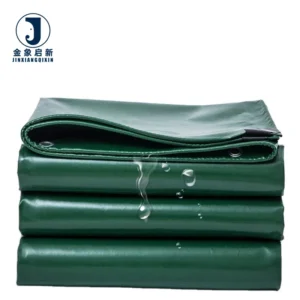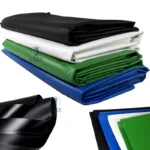
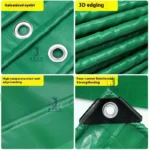
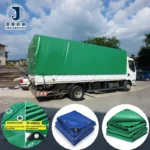
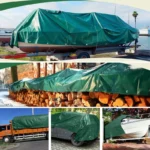
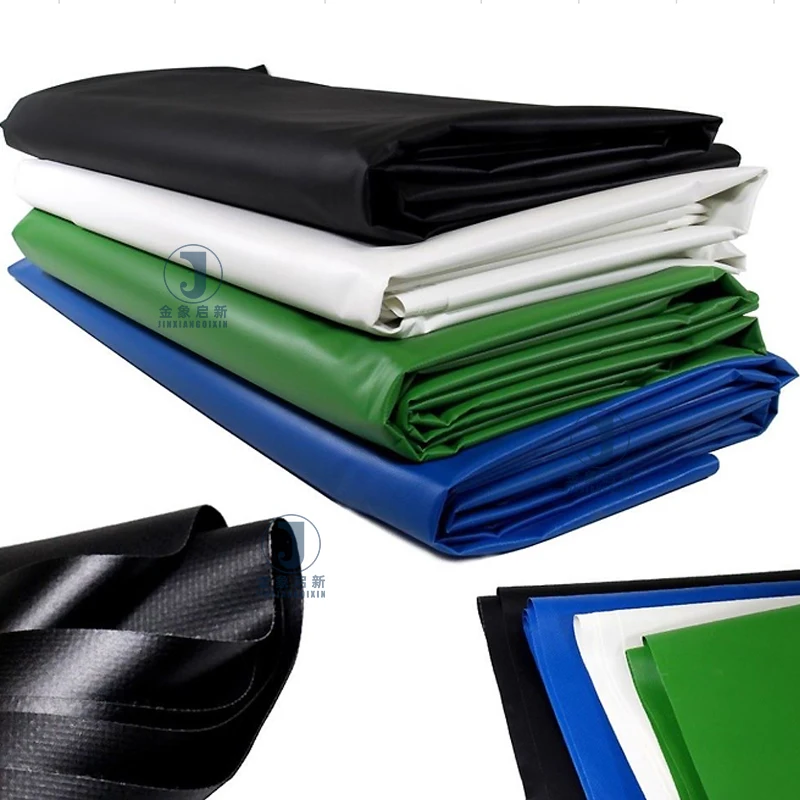
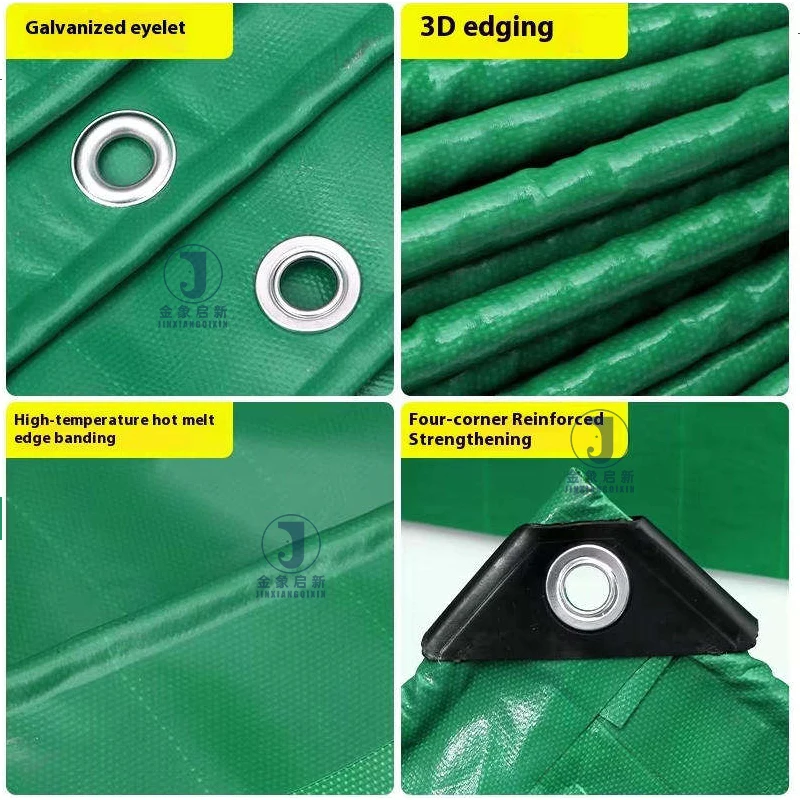
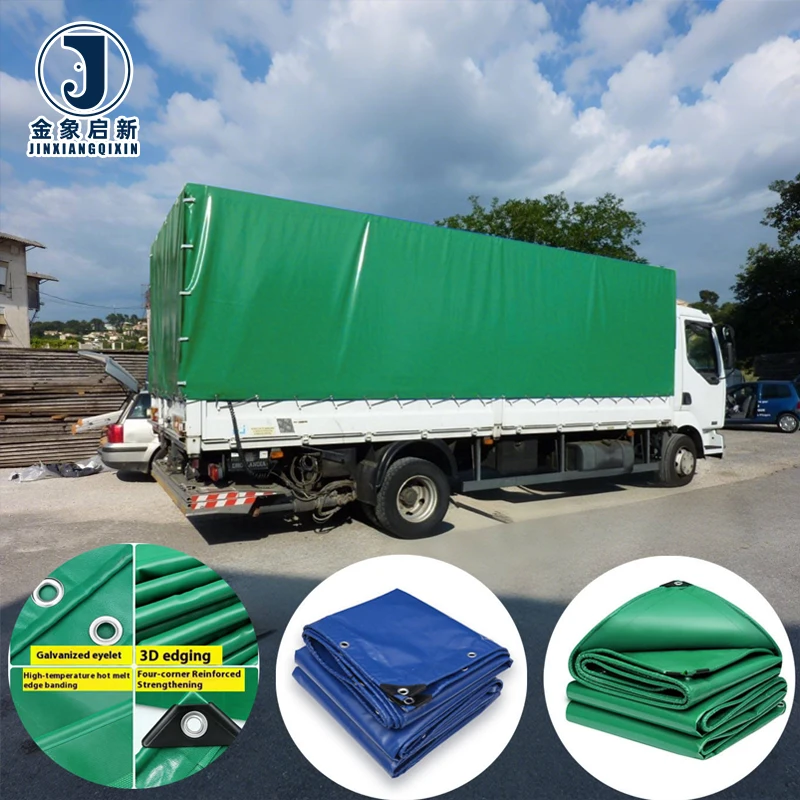
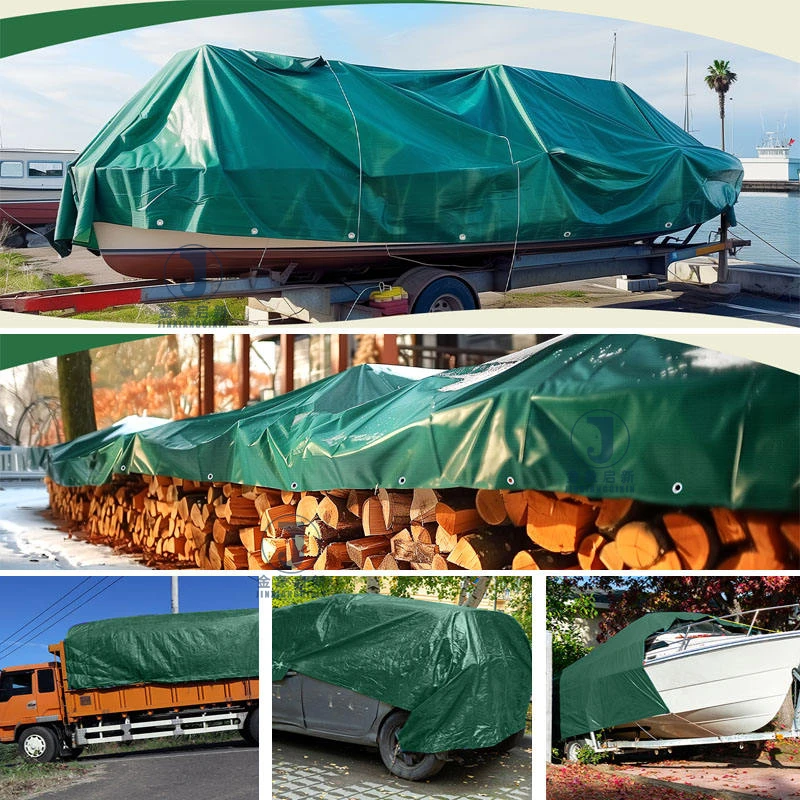
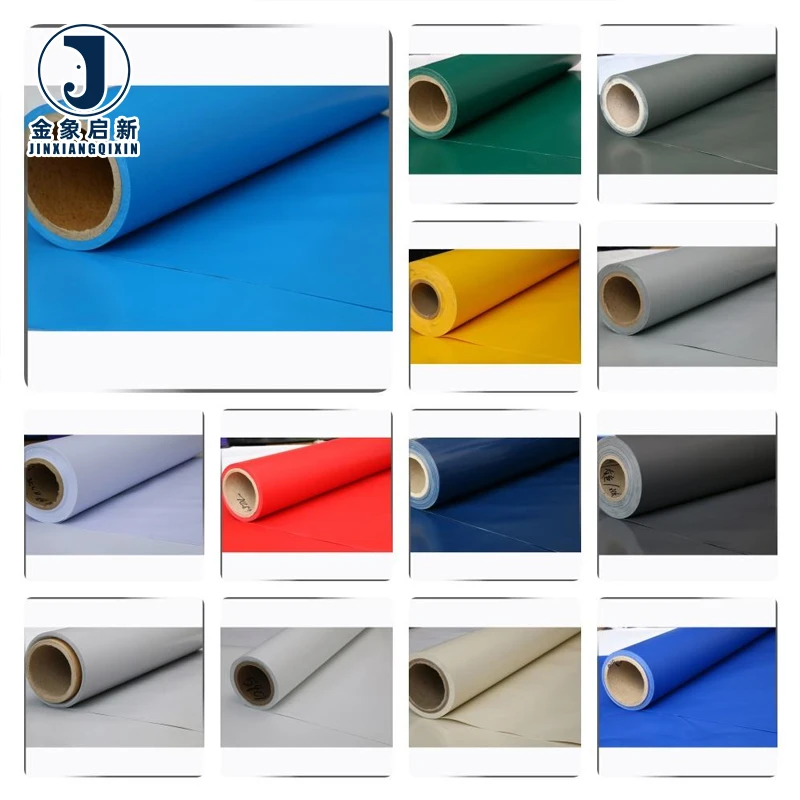
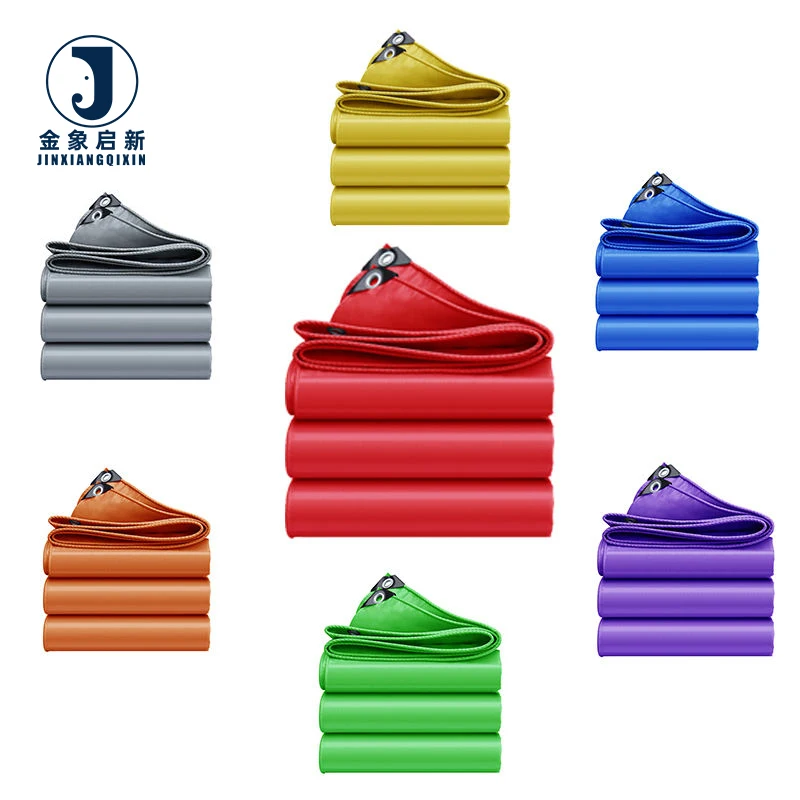
Deep Coating-Weight Process Control — every roll of this PVC coated tarpaulin fire retardant anti-static certified grade is checked for coating adhesion and base fabric tension before it leaves the production line.
Technical Specifications
| Parameter | Value |
|---|---|
| Product Type | PVC Coated Tarpaulin Roll |
| Base Fabric | 100% high tenacity polyester yarns |
| Coating Material | PVC |
| Coating Method | Laminated technology & Hot-melt Coating technology |
| Waterproof | Yes |
| Anti-Mildew | Yes |
| Anti-Static | Treatment applied (grade not stated) |
| Flame Retardant | Available as special treatment (grade not stated) |
| Cold Crack Resistance | Yes (temperature range not stated) |
| Color Fastness | Best color fastness (test basis not stated) |
| Outdoor Service Life | 3–5 years (stated in source — verify against manufacturer catalog) |
| Tearing Strength for Welding | Outstanding (test standard not stated) |
| Adhesion Strength | Good (test standard not stated) |
Application Suitability
| Application | Exposure & Requirement |
|---|---|
| Mining & tunnelling ventilation duct | Continuous airflow, dust ignition risk, fire-retardant and anti-static compliance mandatory |
| Aviation ground support ducting | Jet fuel proximity, strict fire classification, frequent deployment and re-packing |
| Industrial membrane & inflatable structure | Wind uplift, UV exposure, mechanical flex at seams, long-term weathering |
| Temporary construction enclosure | Impact, abrasion, weather exposure, site safety colour requirements |
| Heavy-duty truck and trailer cover | Road vibration, flex fatigue at tie-down points, UV and precipitation |
Why "Fire Retardant" Without a Test Report Is a Liability
A PVC coated tarpaulin fire retardant anti-static certified claim means nothing if the shipment arrives without a test report your auditor will accept.
I have seen mining sites reject entire duct orders because the supplier stated "flame retardant" on the invoice but could not produce a test report matched to the standard the site safety officer specified. The result is weeks of delay while replacement material is sourced, and in some cases the contractor absorbs the cost of the failed batch. The same pattern repeats with anti-static PVC coated tarpaulin for environments where electrostatic discharge near combustible dust is the real concern — a surface treatment claim without a measured surface resistance value is not compliance [NEED_CITE: DIN EN ISO 284 test methods for surface resistivity of coated fabrics].
Coating Adhesion Under Ventilation Pressure Cycles
Ventilation duct fabric faces a stress profile that is completely different from a static truck cover. Every time the fan starts, the duct inflates and the coating-to-yarn bond is put under tension; when the fan stops, the fabric relaxes and the cycle repeats. Hot-melt coating technology creates a deeper penetration of the PVC layer into the high-tenacity polyester base fabric compared to simple knife-over-roll lamination, which matters when the PVC coated tarpaulin fire retardant anti-static certified material must survive thousands of these pressure cycles without delamination. The adhesion strength is listed as good; if your application involves continuous high-pressure ventilation, request a peel strength value tested to an agreed standard before committing to production.
Anti-Static and Fire-Retardant Treatments as a Combined System
Environments that require anti-static treatment almost always require fire-retardant treatment as well — mining ventilation is the obvious example, but aviation ground support and grain handling facilities have the same dual requirement. Specifying both treatments on a single PVC coated tarpaulin fire retardant anti-static certified roll introduces a process sequencing question: the order in which the treatments are applied affects both the surface resistance reading and the flame test result. Confirm with the manufacturer that the combination you need has been tested as a system, not as two independent treatments applied on different production runs [NEED_CITE: NFPA 701 fire test methods for textiles and films].
Reading the Specification Sheet Beyond the Weight Number
GSM alone tells you how much material is on the roll but not how it will behave under load. The tearing strength for welding on this PVC coated tarpaulin is stated as outstanding, which matters because welded seams on duct and membrane structures typically fail before the field of the fabric does. Base fabric construction — the denier of the yarns and the density of the weave — determines how a tear propagates once it starts; a heavier coating on a loosely woven base may give a high GSM reading but poor tear resistance. The laminated and hot-melt coating methods used here are designed to lock the coating into the base fabric rather than sitting on the surface, which improves both peel strength and the performance of welded seams under flex. Ask for a material specification sheet that breaks out base fabric denier, coating weight, and total weight separately so you can evaluate the construction rather than a single headline number.
The Hidden Cost of Untested Treatment Claims
When a ventilation duct fails a site fire safety audit, the cost is not limited to the price of the fabric. The contractor must remove the installed duct, source replacement material with proper documentation, and absorb the downtime while the new duct is fabricated and hung. For anti-static PVC coated tarpaulin used near combustible dust, the consequences of an unverified treatment claim can extend beyond project delays into regulatory action. The same logic applies to cold crack resistance: if the material becomes brittle at the minimum ambient temperature the duct will experience, a flex point will crack and the entire duct section must be replaced mid-winter under the worst possible working conditions [NEED_CITE: low-temperature flex test methods for coated industrial fabrics]. These are the failure modes that make pre-shipment test documentation a procurement requirement, not a nice-to-have.
Why Sourcing This Grade Here
Three full production lines and 36 sets of professional equipment mean that PVC coated tarpaulin fire retardant anti-static certified orders are not slotted into gaps between standard tarp runs — dedicated capacity supports batch consistency across the full order. A 10-person R&D team handles material selection and sample development, so when you need a specific combination of flame retardant and anti-static treatment, a sample roll is developed within days rather than weeks. Every production stage carries dedicated QA/QC with 100% inspection before shipment, and the documentation package — material spec sheet, test reports matched to your project standard, pre-shipment inspection record — ships with the rolls. This matters for specialist applications because the auditor on a mining or aviation site will ask for paperwork before they look at the fabric.
Documentation & Verification
- Material specification sheet listing base fabric denier, coating method, and treatment types applied to this roll
- Flame retardant test report matched to the compliance standard specified on your purchase order
- Anti-static surface resistance measurement recorded and included with shipment documentation
- ISO and CE certificates available; certificate of origin and customs support on request
- 100% pre-shipment inspection record with coating weight and colour verification per roll
Fabrication, Handling & Storage
- Hot-air welding temperature and speed must be tuned to the laminated PVC coating to avoid delamination at seams
- Roll storage should be upright and climate-controlled to prevent permanent creasing of the coated surface
- Anti-static treatment effectiveness can be reduced by aggressive solvent-based cleaners; confirm compatible products
- Cold crack resistant fabric should still be unrolled and handled above freezing to avoid surface damage during fabrication
- Cut pattern layout should account for roll width to minimise off-cuts and welded seam count on duct sections
What to Include in Your Enquiry
To get a specification recommendation and sample developed quickly, provide the end-use application, the fire-retardant and anti-static standards your site or market requires, the roll width and approximate annual volume, and whether you need the material as roll stock or as finished fabricated panels. If colour matching or pattern printing is required, send a reference so the R&D team can prepare a sample with the correct treatment combination applied. Specify whether you need test reports from a particular third-party laboratory, as this affects lead time and sample sequencing.
Frequently Asked Questions
Q: Which flame retardant standard does your PVC tarpaulin meet, and can you supply the test report before shipment?
A: Flame retardant treatment is available as a special option. The specific standard — such as DIN 4102, NFPA 701, or a market-specific grade — should be confirmed at enquiry stage. Once agreed, the test report from the production batch is included in the documentation package shipped with your rolls.
Q: How is anti-static performance measured, and what surface resistance value will be certified?
A: Anti-static treatment is applied to the PVC coating surface. The measured surface resistance value depends on the treatment formulation selected for your application. Request the specific test method and target resistance range during the specification phase so the result on your shipment report matches your site requirement.
Q: Can you develop a sample combining fire retardant, anti-static, and cold crack treatments?
A: Yes. The R&D team develops custom treatment combination samples within days. Provide the target standards and any temperature range requirements so the sample reflects the production formula that will be used for your order.
Q: What GSM and base fabric denier options are available for ventilation duct and membrane structure applications?
A: Multiple weight and base fabric constructions are available across the product range. The correct combination depends on duct diameter, operating pressure, and structural span. Request a material specification sheet listing base fabric denier, coating weight, and total GSM to evaluate construction suitability for your application.
Q: How do you ensure roll-to-roll colour and coating consistency across a bulk order?
A: Every production stage includes dedicated QA/QC with 100% pre-shipment inspection. Coating weight and colour are verified per roll before packing, and the inspection record is included in the shipment documentation so you can confirm consistency against the approved sample.