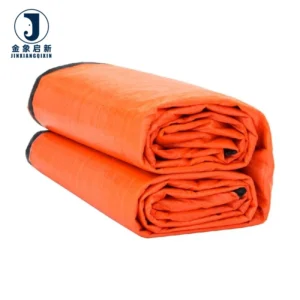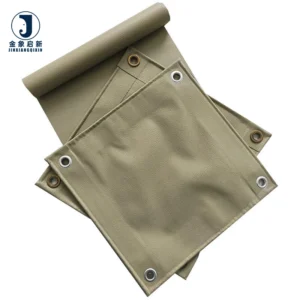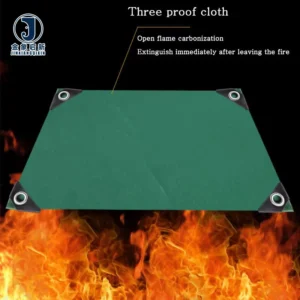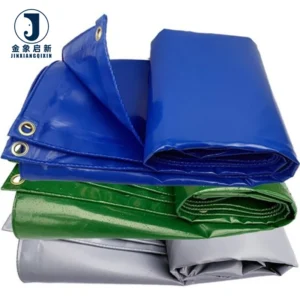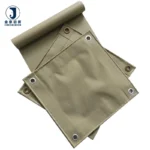
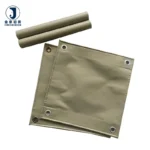
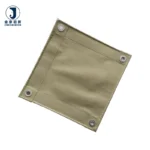
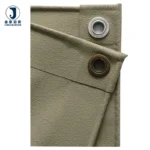
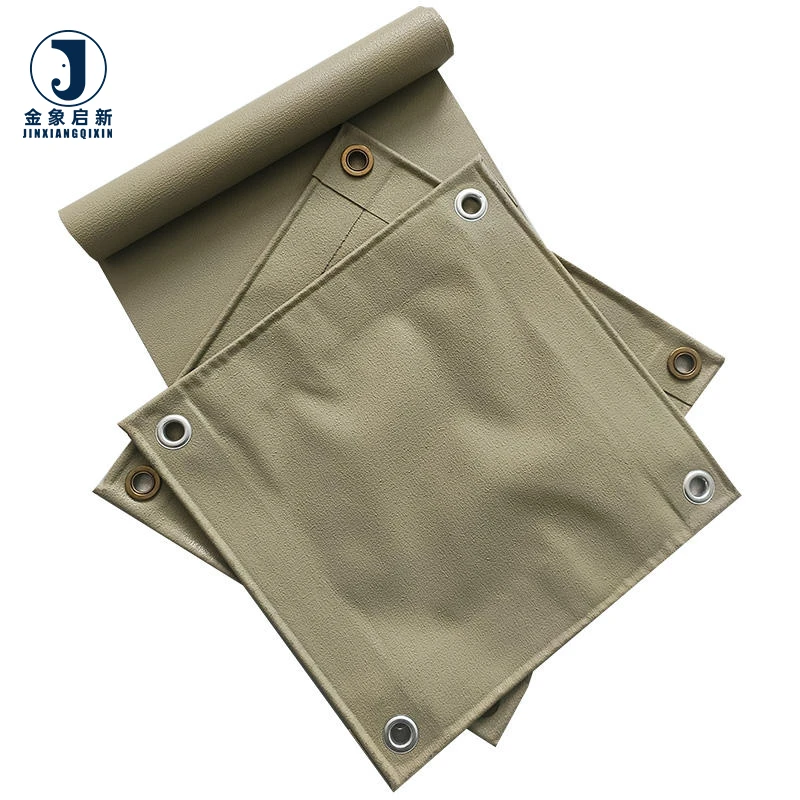
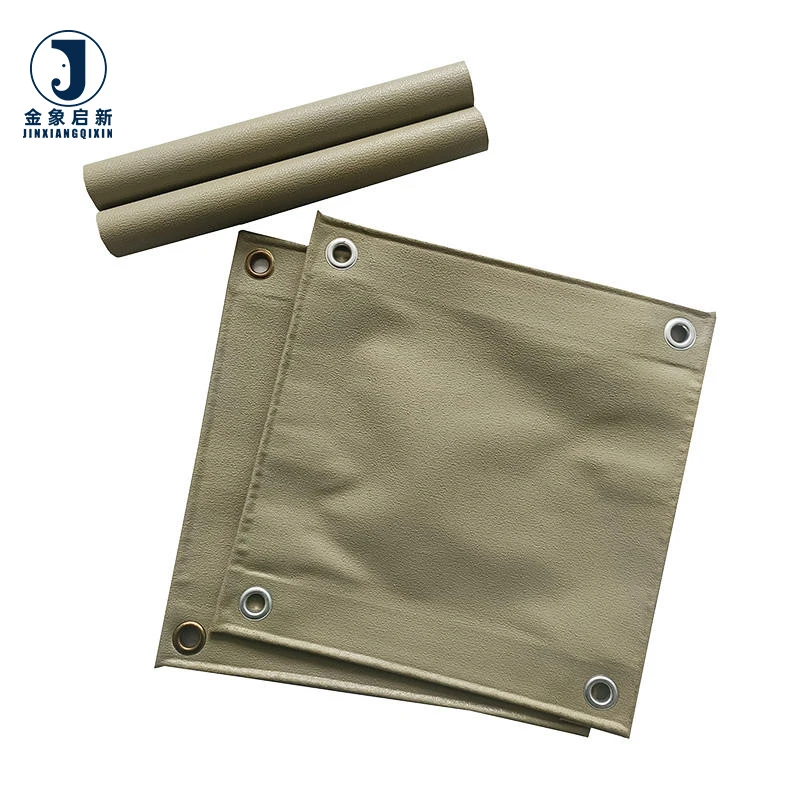
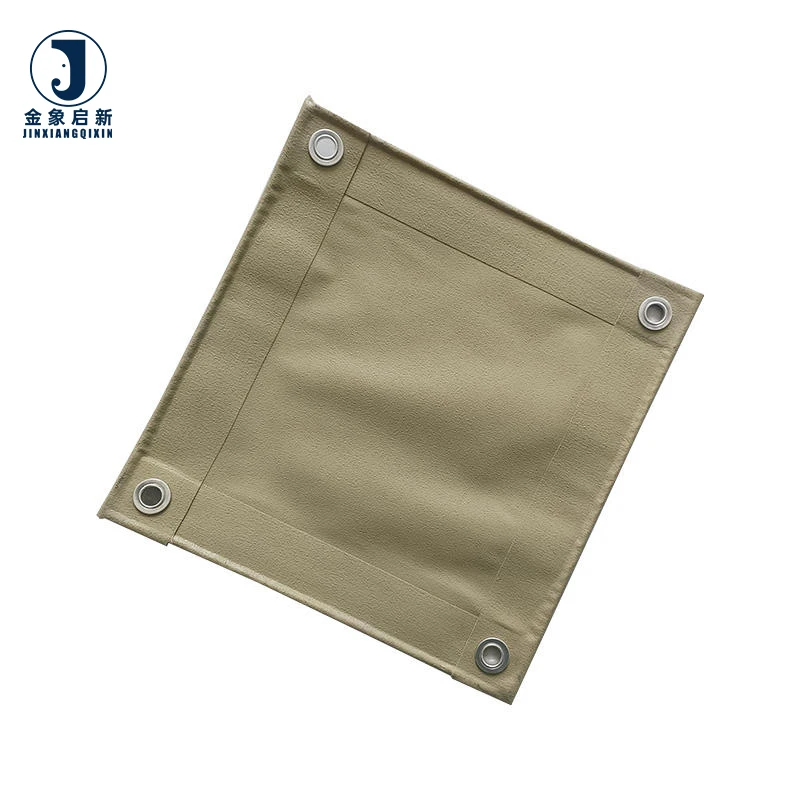
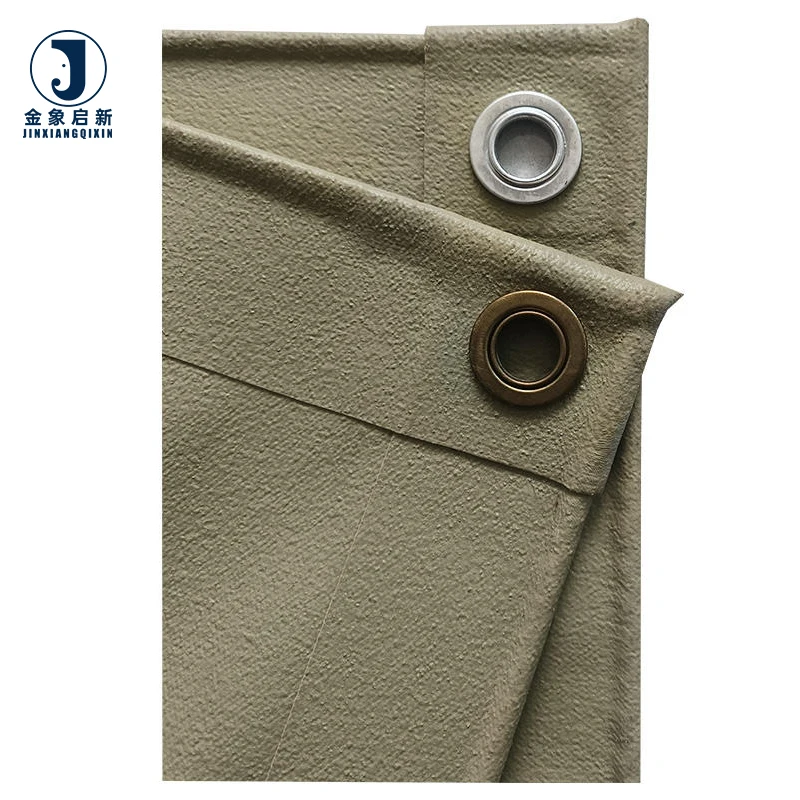
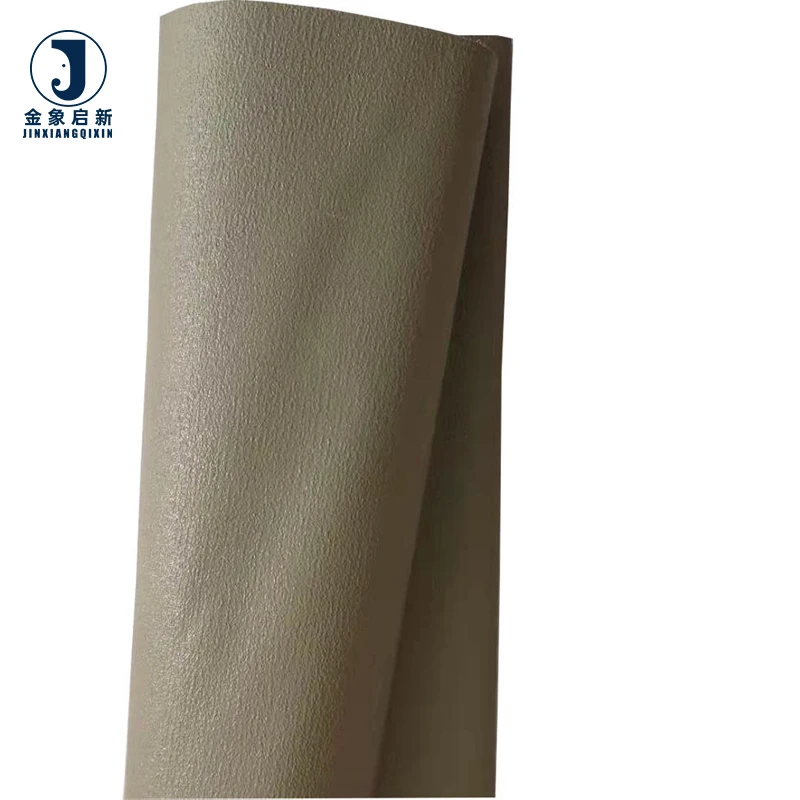
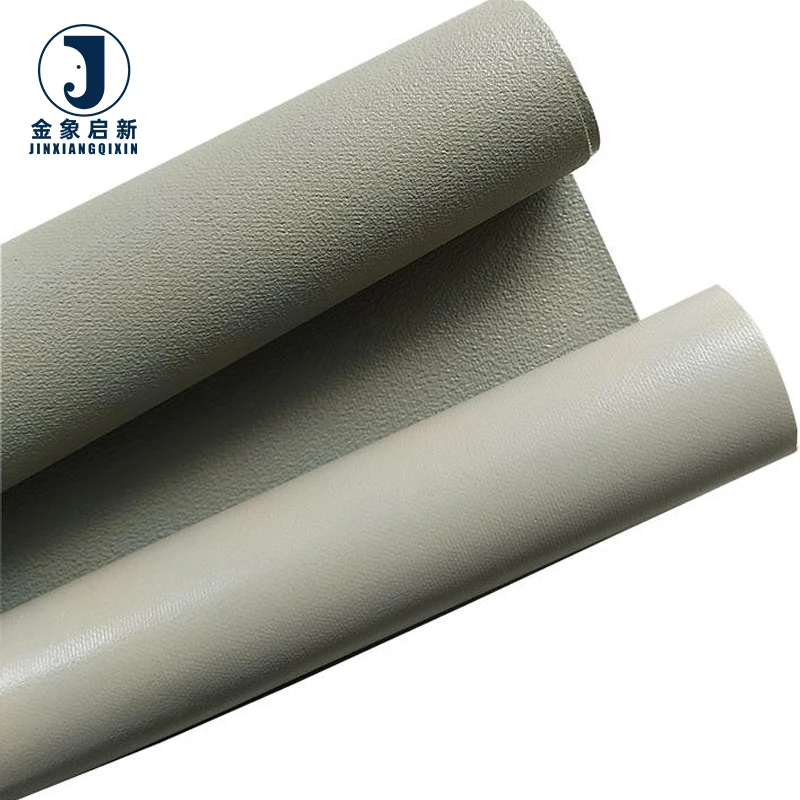
Coating Process Mastery — nearly 30 years of PVC coating control, three full production lines and 36 sets of equipment, with a 10-person R&D team delivering custom width and specialist treatment samples within days.
Technical Specifications
| Parameter | Value |
|---|---|
| Product Type | PVC Coated Fabric |
| Coating Material | PVC Vinyl |
| Coating Method | Knife Coated |
| Base Fabric | Woven Fabric |
| Base Fabric Denier | 1000×1000 |
| Weight (GSM) | At least 450 g/m² |
| Waterproof | Yes |
| Oil Resistance | Oilproof |
| Anti-UV Treatment | Available — test basis not stated in source |
| Finish Options | Banner coated / black back coated |
| Custom Sizing | Available |
| Standards | ISO, CE certified facility |
Application Suitability
| Application | Exposure & Requirement |
|---|---|
| Mining ventilation duct | Continuous positive air pressure, underground humidity, fire safety compliance |
| Tunnelling duct systems | Abrasive dust, confined routing, mandatory flame-retardant specification |
| Aviation ground support ducting | Anti-static surface requirement, repeated deployment and stowage |
| Inflatable and membrane structures | Wind load tension, UV exposure on exposed faces, weld seam integrity |
| Temporary industrial enclosures | Weather cycling, mechanical contact, rapid deploy and dismantle |
Why Fire-Retardant Certification Without a Test Report Is a Liability on Site
PVC coated fabric for ventilation and structural use must ship with a test report matched to the batch — a claim on the quotation is not evidence.
Ventilation duct fabric that arrives without documented flame-retardant or anti-static compliance creates an immediate site problem. The safety officer rejects the material, the installation stalls, and the contractor absorbs delay costs while a replacement is sourced. This scenario repeats across mining and tunnelling projects where the PVC coated tarpaulin fire retardant specification is non-negotiable. I have reviewed project files where fabric passed visual inspection but the missing paperwork forced a full resubmission. [NEED_CITE: site compliance documentation requirements for underground ventilation materials]
Knife Coating and Duct Performance Under Pressure
Knife coated PVC construction deposits a measured coating layer onto the 1000×1000 woven base, producing a fabric with consistent coating weight from roll edge to roll edge. For ventilation duct fabrication, this consistency matters at the heat-welded seams where uneven coating thickness causes weak bonds. The PVC coated tarpaulin fire retardant grade must be confirmed against the specific market requirement before production begins, as different jurisdictions reference different classification standards.
Dimensional Stability When the Duct Inflates
The 1000×1000 denier woven base provides a stable grid that resists elongation when internal duct pressure rises. A ventilation duct flexes along its entire length as airflow pulses through, and a base fabric with lower denier would stretch at the seams over repeated cycles. This PVC coated tarpaulin fire retardant fabric maintains its shape under the sustained inflation pressures typical of mining and tunnelling ventilation runs, reducing the frequency of re-tensioning during long shifts. [NEED_CITE: relationship between base fabric denier and inflation pressure resistance in duct applications]
Reading the Specification Sheet Against the Physical Roll
Coating weight and base fabric density together determine the final gsm, but a higher number alone does not guarantee superior performance. The knife coating method produces stronger adhesion between PVC and base yarn compared to laminating processes, which matters when the fabric is heat-welded into duct sections. The 1000×1000 weave provides a balanced warp-and-weft structure, so tear propagation is controlled in both directions rather than splitting along one axis. Anti-UV treatment is available for surface-level duct runs exposed to daylight — confirm the grade required for your market before ordering. Finish options include banner coated and black back coated surfaces, each suited to different visibility and light-blocking needs on site.
What Happens When Duct Fabric Is Specified on Price Alone
Choosing ventilation duct material primarily on cost per square metre often surfaces problems at installation. Coating that is thinner than stated peels at welded joints under duct inflation pressure. Fabric that lacks anti-static certification for underground use gets rejected at the pre-installation audit, and the entire roll stock must be replaced. Colour variation between rolls in the same shipment is visible once duct sections are joined in a continuous run, forcing selective sorting that delays deployment. These failures share a common root: the specification was verified on paper but not matched to test documentation before the container was sealed. [NEED_CITE: common causes of coated fabric failure in industrial ventilation installations]
Why Project Buyers Source This PVC Coated Fabric Here
Three full production lines and 36 sets of professional equipment handle the volume required for large-scale ventilation duct orders without subcontracting coating stages. A 10-person R&D team develops custom width and treatment samples within days, so you can validate fire-retardant grade and colour before committing to a production run. Dedicated QA and QC inspection at every stage includes 100% pre-shipment checks against the material specification sheet. Coating weight and adhesion control developed over nearly 30 years means the gsm stated on your quotation is the gsm on the roll that arrives. Every order ships with a packing list, pre-shipment inspection record, and certificates of origin and compliance. [NEED_CITE: ISO and CE certification scope for coated fabric manufacturing]
Documentation & Verification
- Material specification sheet stating gsm, 1000×1000 base fabric denier, and knife coating method
- Flame-retardant test report matched to the production batch where applicable to site compliance
- Anti-static surface resistance documentation for mining and aviation duct applications
- Pre-shipment inspection record confirming 100% check before container loading
- Roll packing list with individual roll weights and dimensions for warehouse reconciliation
- Certificate of origin and customs documentation for international shipment clearance
Fabrication, Handling & Storage
- Heat weld at temperatures suited to knife coated PVC to prevent seam delamination under duct pressure
- Store rolls upright on pallets to avoid flat spots that distort the 1000×1000 weave at the core
- Allow cold-stored rolls to reach ambient temperature before unrolling to prevent surface cracking
- Use compatible PVC welding tape for field repairs on duct sections damaged during deployment
- Plan cut patterns across the roll width to minimise offcuts and reduce weld seam count in the finished duct
Before You Request a Quotation
Provide the ventilation duct diameter, run length, and operating pressure so the correct fabric weight and width can be recommended. Specify the fire-retardant classification required by your site authority and whether anti-static certification is mandatory. Indicate the total linear metres needed and whether you require rolls only or pre-cut duct sections with welded seams. If colour coding is used for duct identification on site, confirm the colour reference and whether test reports must accompany each batch.
Frequently Asked Questions
Q: Which flame-retardant grade does this fabric meet for underground ventilation use?
A: Flame-retardant grades are available — confirm the classification required by your site authority such as MSHA, DIN 4102, or NFPA 701. We supply a test report matched to the batch produced for your order, not a generic document from a different production run. Share your compliance standard at the inquiry stage so the correct formulation is specified before coating begins.
Q: How do you verify anti-static properties for mining and aviation duct applications?
A: Anti-static PVC coated tarpaulin fire retardant fabric is tested for surface resistance before dispatch. The test report documents the measured value against the threshold required by your project specification. We recommend sharing the exact resistance range mandated by your site safety officer so the additive loading can be adjusted and documented for your specific order.
Q: How is the stated gsm verified before the rolls are shipped?
A: Every roll undergoes a weight check during the 100% pre-shipment inspection, measured against the gsm stated on the material specification sheet. The inspection record is included in the shipping documentation so you can cross-reference it at goods-in. Any roll falling outside the stated tolerance is replaced before container loading.
Q: What is the best heat welding method for fabricating duct sections from this fabric?
A: Knife coated PVC fabric on a 1000×1000 woven base responds well to hot air and wedge welding. Weld temperature and speed should be calibrated to the coating thickness to achieve full fusion without scorching. We recommend running test welds on a sample piece first and performing a peel test to confirm seam strength before starting full production.
Q: Can I order custom widths and lengths for specific duct run dimensions?
A: Custom width and length are available, with samples developed within days for your approval before bulk production. Provide the required roll width and the total linear metres so we can confirm minimum order quantities and lead times. Custom formulations for specific fire-retardant or anti-static grades follow the same sample-first workflow.