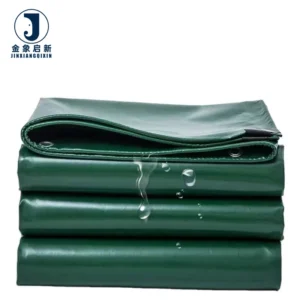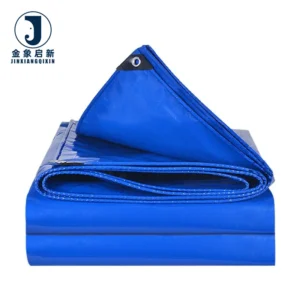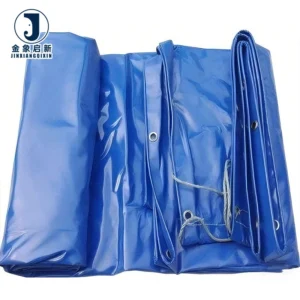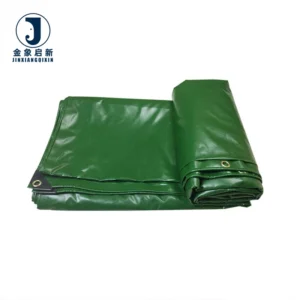
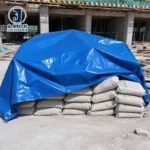
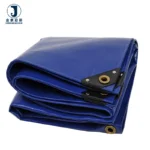
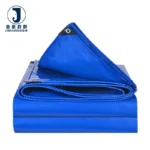
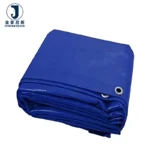
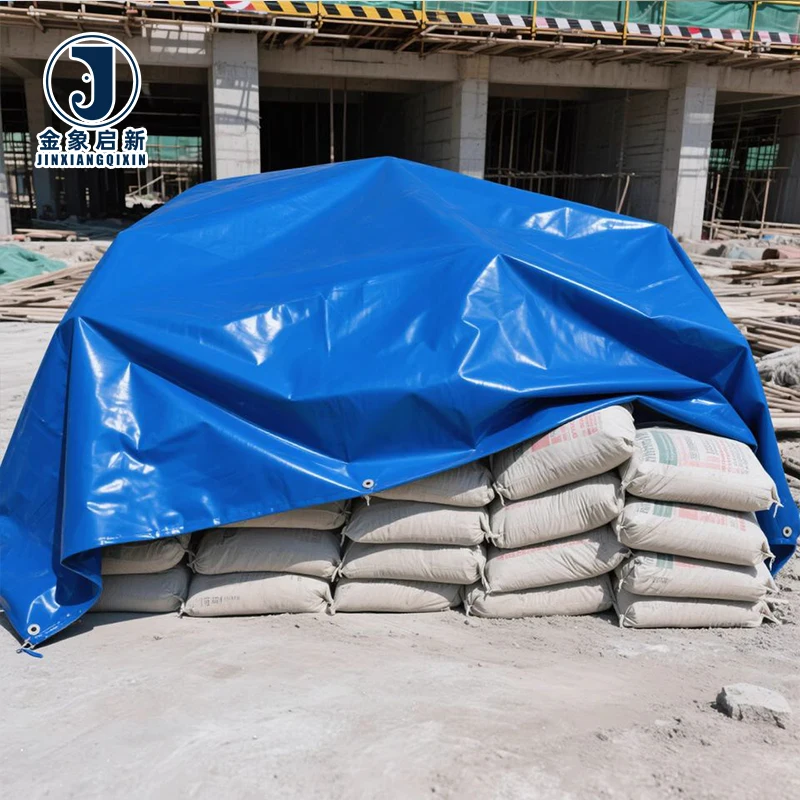
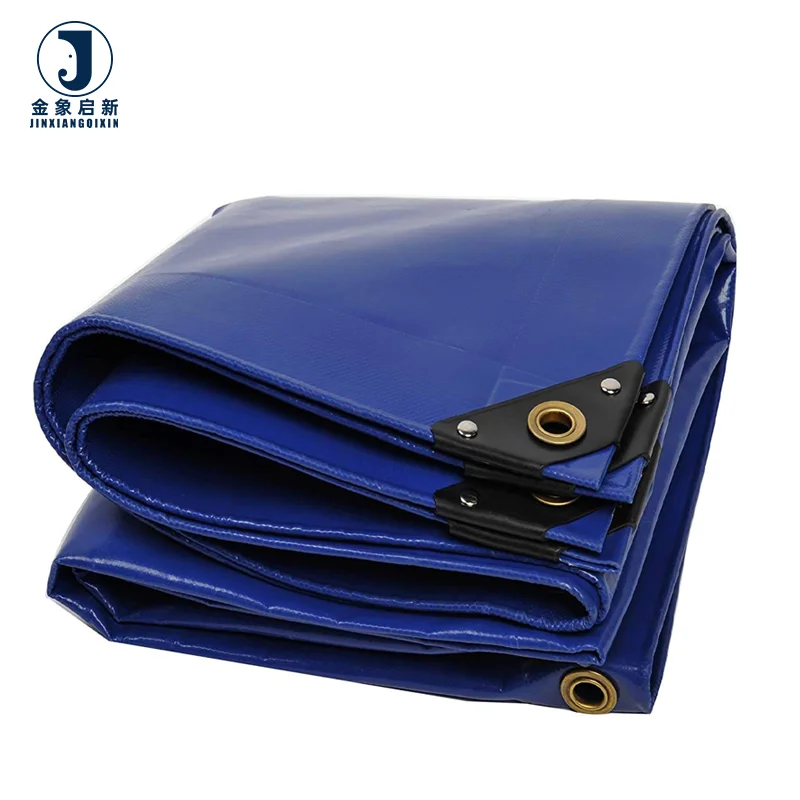
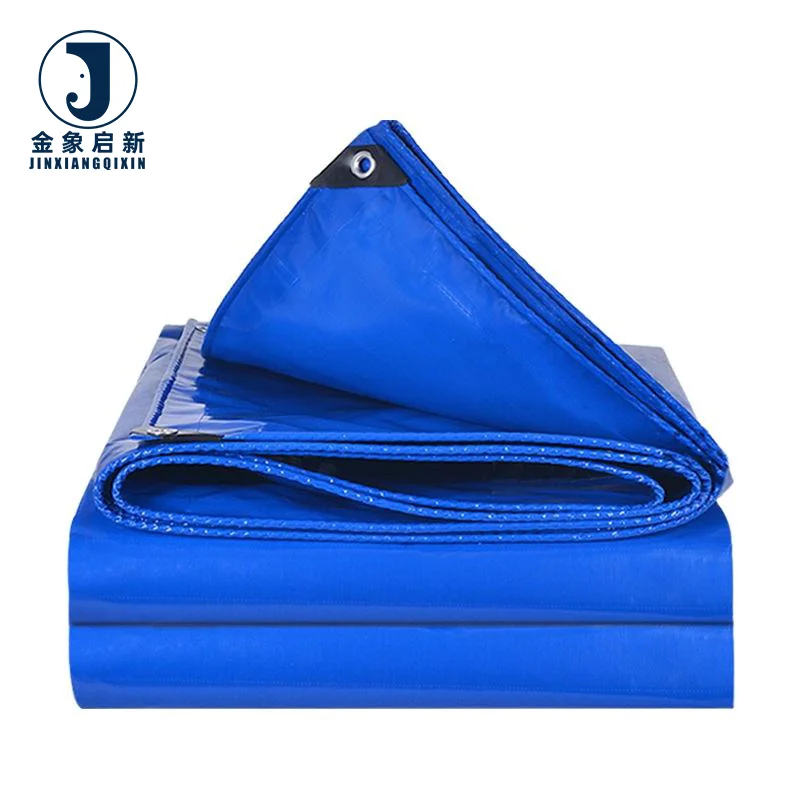
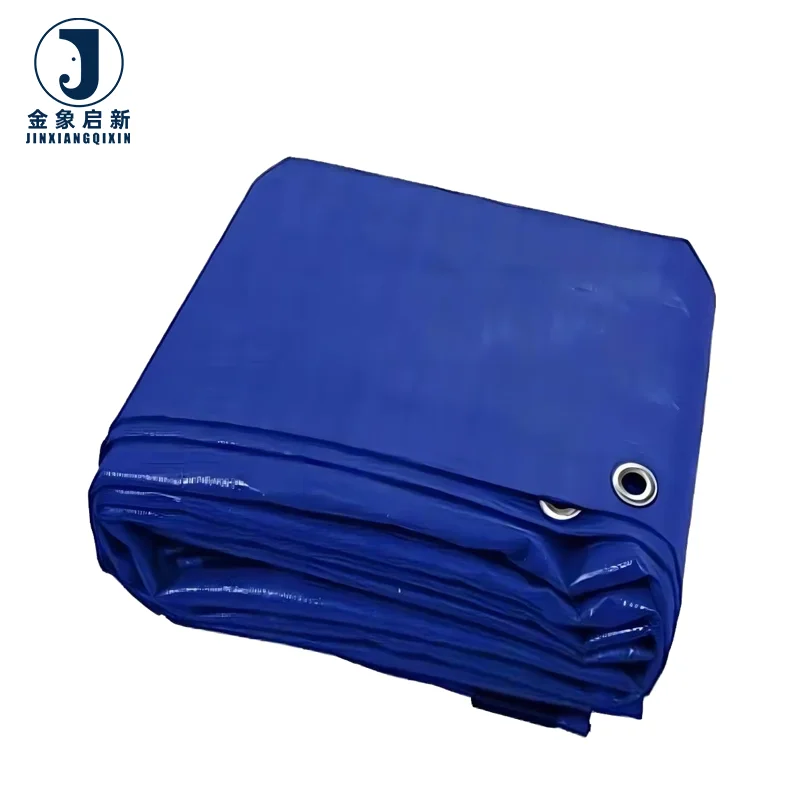
Deep Process Control Over Coating — Our three full production lines maintain strict coating weight adhesion, ensuring every roll of PVC coated tarpaulin meets the specified GSM and technical requirements without variance.
Technical Specifications
| Parameter | Value |
|---|---|
| Product Type | PVC Coated Tarpaulin |
| Weight (GSM) | 250gsm-1500gsm (confirm grade for application) |
| Base Fabric Denier | 200DX300D / 500DX500D / 840DX840D / 1000DX1000D |
| Coating Material | PVC |
| Surface Finish | Glossy or matte (available options) |
| Temperature Range | -15°C to 70°C |
| Treatment Options | Waterproof, UV, FR (flame retardant grade not stated), Anti-fungal |
| Working Life | 3-10 years (source value — verify against project conditions) |
| Abrasion Resistance | Good |
| Environment | Eco-friendly |
| Printing | Custom brand printing accepted |
| OEM/ODM | Warmly welcomed |
Application Suitability
| Application | Exposure & Requirement |
|---|---|
| Mining Ventilation Ducts | High airflow friction, potential explosive atmospheres, strict fire safety compliance. |
| Tunnelling Air Ducts | Constant abrasion from rock dust, high humidity, requirement for flame retardant certification. |
| Aviation Hangar Ducts | Large volume air movement, stringent aviation safety standards for fire and smoke toxicity. |
| Membrane Structures | Long-term UV exposure, wind load tension, need for high tensile strength and seam integrity. |
| Inflatable Buildings | Repeated inflation/deflation cycles, flex fatigue at folds, requirement for airtight welds. |
Why Certification Matters More Than the "FR" Label
Specifying a fire retardant PVC coated tarpaulin certified to a known standard is the only way to ensure site compliance.
Many industrial sites reject ventilation ducts upon arrival because the fabric lacks the specific test report required by local safety inspectors. A generic "FR treated" claim on a quotation does not equate to passing M2, B1, or NFPA 701 standards. When the fabric arrives without verifiable documentation, the entire installation can be halted, leading to project delays and financial penalties. [NEED_CITE: mining ventilation safety regulations and fire resistance standards]
Aligning Fabric Properties with Airflow Demands
The internal surface of a ventilation duct must balance low air resistance with high durability. A glossy finish is often preferred for the inner layer to minimize friction loss and prevent dust accumulation, while the outer layer requires abrasion resistance against tunnel walls or structural supports. Selecting the correct denier, such as 1000DX1000D for heavy-duty mining applications, ensures the duct maintains its shape under negative pressure. The Fire retardant PVC coated tarpaulin certified for these environments must also withstand the mechanical stress of hanging and tensioning.
Temperature Stability in Enclosed Systems
Industrial ventilation often involves moving air that is significantly warmer or colder than the ambient environment. The specified temperature range of -15°C to 70°C ensures the PVC coating remains flexible in cold intake ducts and does not soften or degrade in exhaust applications. If the coating becomes brittle, micro-cracks develop at the weld seams, compromising the airtight integrity of the system. Maintaining performance across this thermal spectrum is critical for continuous operation in processing plants and underground facilities. [NEED_CITE: thermal aging effects on PVC coated fabrics in ventilation systems]
Understanding Denier and Weave for Structural Integrity
The base fabric denier (200DX300D to 1000DX1000D) directly dictates the tensile and tear strength of the final duct. Higher denier counts provide the necessary resistance against the "zipper effect" where a small puncture propagates into a catastrophic tear under tension. For membrane structures and large-diameter ducts, the weave density must be sufficient to distribute load evenly across the welded seams. The coating weight (GSM) fills the voids in this weave, providing the airtight barrier and environmental protection. [NEED_CITE: relationship between base fabric denier and tear propagation in technical textiles]
The Cost of Inconsistent Coating Adhesion
When coating adhesion fails, the PVC layer delaminates from the base fabric, usually at the points of highest stress like weld seams and hanging loops. This exposes the polyester yarns to moisture and chemical attack, rapidly reducing the service life of the duct. In mining applications, delamination can also create rough surfaces that trap dust and increase fire risk. Verifying the peel strength and ensuring consistent coating application across the entire roll width prevents these premature failures. [NEED_CITE: adhesion failure modes in coated technical fabrics]
Precision Manufacturing for Technical Applications
- R&D Support: Our 10-person technical team selects the exact base fabric and coating formulation to match your specific airflow and safety requirements.
- Production Capacity: Three full production lines allow us to manufacture large volumes of technical fabric with consistent GSM and treatment levels.
- Quality Assurance: 100% inspection before shipment ensures every roll meets the specified denier, coating weight, and fire-retardant grade.
- Customization: We accommodate custom widths and roll lengths to minimize waste during your duct fabrication process.
- Sample Development: Rapid sample production allows you to test weld parameters and fabric handling before committing to bulk orders.
Documentation & Verification
- Material specification sheet confirming exact GSM, denier, and coating formulation for your records.
- Fire-retardant test reports (e.g., M2, B1, NFPA 701) matching the grade required for your project compliance.
- Anti-static surface resistance data if specified for explosive atmosphere ventilation applications.
- Pre-shipment inspection records verifying roll-to-roll consistency in weight and colour.
- Certificate of Origin and customs documentation to support international logistics.
Fabrication, Handling & Storage
- Hot air welding parameters must be adjusted based on the specific GSM and glossy or matte finish selected.
- Reinforce hanging loops and flanges with additional layers to prevent tearing under the duct’s suspended weight.
- Store rolls vertically in a cool, dry place to prevent permanent creasing that affects airflow efficiency.
- Allow rolls to acclimatize to workshop temperature before unrolling to ensure flat, wrinkle-free welding.
- Use PVC-compatible repair patches and adhesives for field repairs to maintain fire-retardant integrity at the patch site.
Specifying Your Technical Fabric Order
To ensure we provide the correct material for your ventilation or structural project, please detail the operating environment, including temperature extremes and chemical exposure. Specify the exact fire-retardant or anti-static certification required by your local safety authority. Indicate your preferred roll width and any specific colour coding needed for site identification. If you require custom printing for branding or safety warnings, please provide the artwork format and placement requirements.
Frequently Asked Questions
Q: Which fire-retardant grades are available for mining ventilation ducts?
A: We offer fabric treated to meet various international standards such as M2, B1, or NFPA 701. You must specify the exact grade required by your site safety regulations, and we will provide the corresponding test report for verification before production begins.
Q: Can you provide anti-static PVC coated fabric for explosive atmospheres?
A: Yes, we can manufacture anti-static fabric with specific surface resistance values suitable for mining and tunneling. Please provide the required resistance range or standard so we can formulate the coating accordingly and test the final product.
Q: How do I choose the right denier for a large membrane structure?
A: Higher deniers like 1000DX1000D are typically used for large spans requiring high tensile strength and tear resistance. We recommend reviewing the structural load calculations and wind ratings to select the appropriate base fabric weight.
Q: What documentation is shipped with a technical fabric order?
A: Each shipment includes a material specification sheet, relevant test reports for fire or anti-static properties, a packing list, and a certificate of origin. We also provide pre-shipment inspection records to confirm quality compliance.