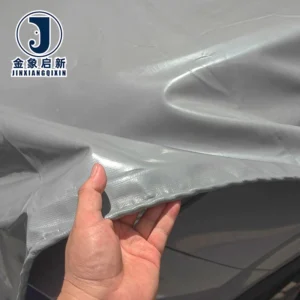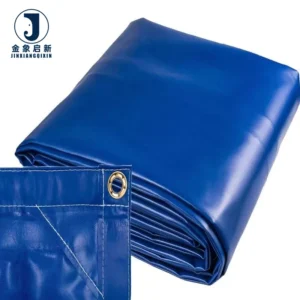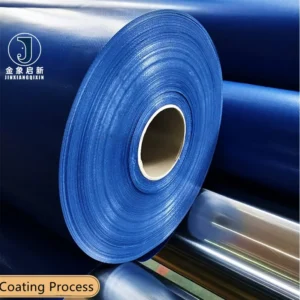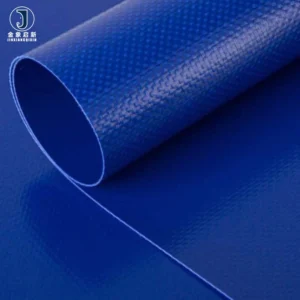



Proven Coating Process Control — Nearly 30 years of focused coated fabric production with dedicated QA/QC at every stage ensures that every PVC coated tarpaulin roll leaving the facility meets the stated specification for weight, adhesion and coating uniformity before dispatch.
Technical Specifications
| Parameter | Value |
|---|---|
| Product Type | PVC Coated Tarpaulin |
| Coating Material | PVC |
| Base Fabric | Warp Knitted |
| Style | Plain |
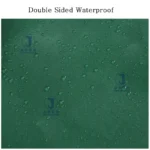
| Waterproof | Yes |
| Anti-Static | Claimed (test basis not stated) |
| Tear Resistance | Claimed (test standard not stated) |
| Color | Customizable |
| Flame Retardant | Available in flame retardant grades — confirm the grade required for your market |
Application Suitability
| Application | Exposure & Requirement |
|---|---|
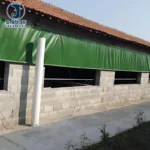
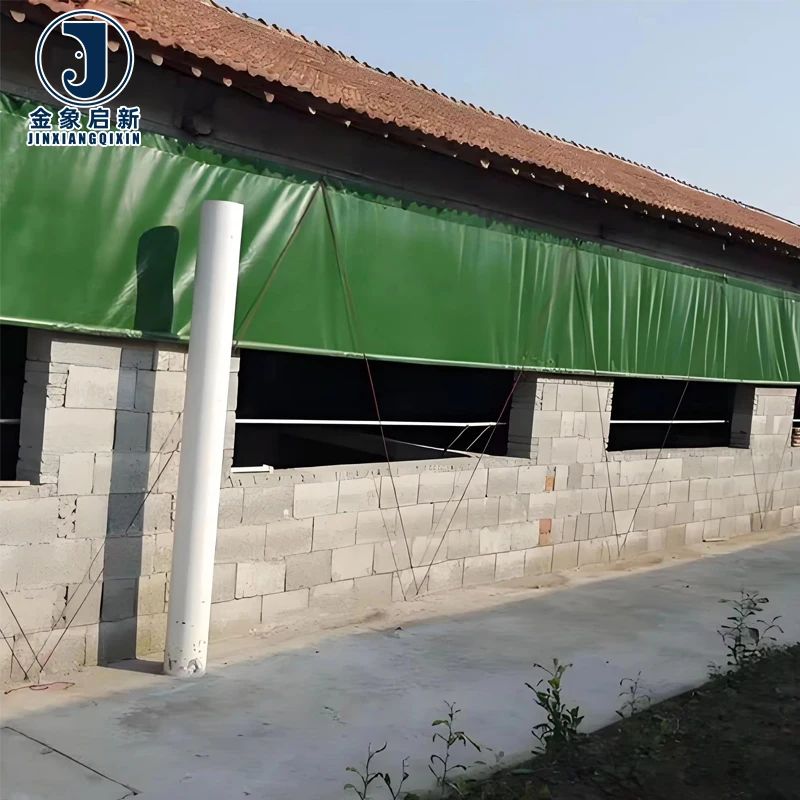
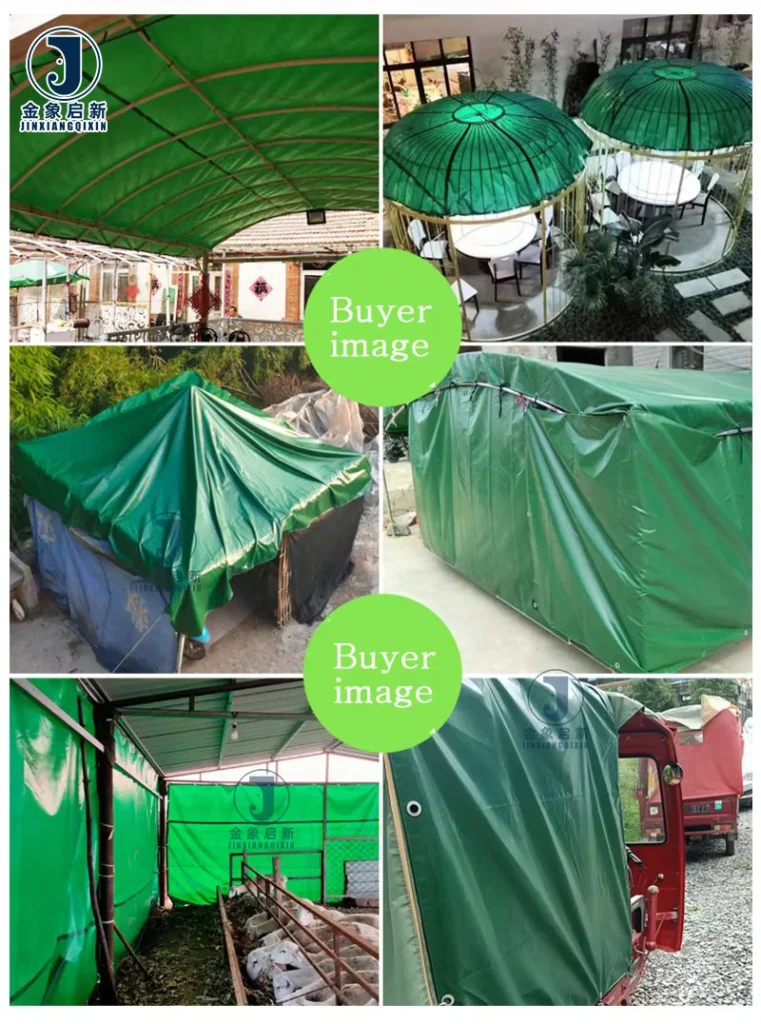
| Poultry farm cover and curtain systems | Continuous moisture exposure, ammonia-rich atmosphere, need for static dissipation near ventilation equipment |
| Pig and sheep livestock shelter | Wind load on tensioned panels, seasonal temperature cycling, abrasion at frame contact points |
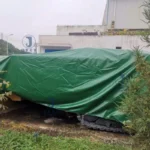
| Agricultural tent and temporary structure | UV and rain exposure, duct penetration welding, structural stability under weather load |
| Broiler house envelope | Humidity control, anti-static behaviour near sensitive environmental monitoring sensors |
What Anti-Static Really Means on a Farm Cover Without a Test Report
Anti-static claims must be backed by a measured surface resistance value and a recognised test method — otherwise the specification is unverifiable at the receiving dock.
I have reviewed too many farm cover projects where the fabric specification sheet stated "anti-static" but the buyer never received a surface resistance reading or a test method reference [NEED_CITE: IEC 61340 or EN 1149 test methods for static dissipative materials]. When the ventilation system in a poultry house runs continuously, static buildup on untreated PVC coated tarpaulin attracts dust and fine particulate into the air stream, degrading air quality inside the livestock enclosure. The same issue applies to pig broiler shelters where feed dust and dander accumulate on charged surfaces. Without a documented test result, there is no way to confirm the fabric will perform as the ventilation engineer intended when the structure is commissioned.
How Warp Knitted Base Fabric Supports Ventilation Duct Integration
On jinxiangtech.com, the focus is ventilation and technical fabric behaviour under engineered airflow systems. The warp knitted construction in this PVC coated tarpaulin provides dimensional stability when the material is tensioned across a frame or cut and welded around duct penetrations. Unlike woven base fabrics that can distort at bias angles, the knitted structure resists stretching in multiple directions, which keeps ventilation openings and fabric joints aligned after installation. This matters when the farm cover must route flexible or rigid air ducts through the envelope without the surrounding fabric pulling away from the weld line.
Static Dissipation and Air Quality in Enclosed Livestock Environments
Anti-static treatment on the PVC coating reduces the electrostatic charge that accumulates on the surface during continuous airflow exposure. In poultry houses and broiler shelters, fine organic particulate and feed dust are constantly suspended in the ventilation stream. A charged fabric surface attracts and holds this material, which then re-enters the air current during fabric flex or cleaning cycles [NEED_CITE: electrostatic attraction of particulate on charged polymer surfaces in agricultural ventilation]. When multiple rolls cover the same structure, consistent anti-static behaviour across the entire envelope is necessary — a single untreated section can become a localised dust collection point that compromises the ventilation design.
Reading the Specification Sheet Beyond the Product Name
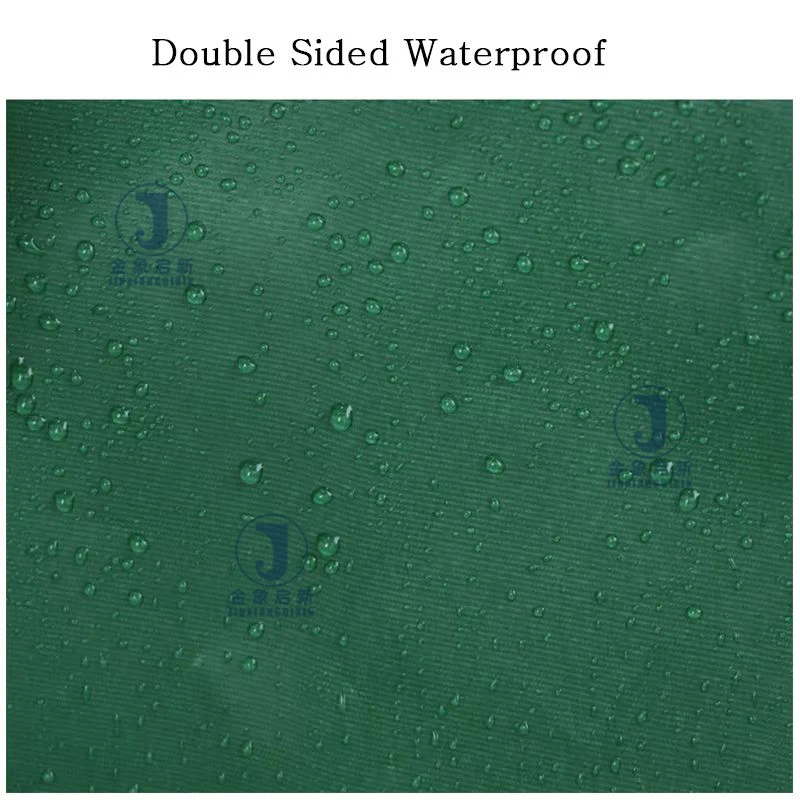
The warp knitted base fabric and PVC coating together determine how this PVC coated tarpaulin behaves under tension, during welding and across temperature cycles. The plain style construction means the surface is smooth on both sides, which affects how well field-applied repair patches adhere and how easily the surface cleans during routine wash-downs. Waterproof performance comes from the continuous PVC coating layer rather than a surface treatment, so the protection does not degrade with abrasion at frame contact points. Tear resistance in a knitted base fabric depends on denier and stitch density — a heavier denier yarn resists tear propagation better at cut edges and weld seams. Colour is customisable per order, and when multiple rolls cover a single agricultural tent, roll-to-roll colour consistency must be confirmed before fabrication begins.
The Cost of Overlooking Colour Consistency Across Rolls
I have seen farm cover installations where rolls from the same order were fabricated and installed side by side, only to show visible shade variation once the entire structure was erected [NEED_CITE: colour variation in batch-produced coated fabrics across production runs]. This is not a cosmetic concern — it signals inconsistent coating formulation between batches, which can also mean variation in anti-static treatment concentration or coating adhesion strength. When the shade differs, the buyer must decide whether to reject the entire shipment or accept a visible mismatch on a structure that represents the farm operator’s investment. The cost of re-rolling, re-cutting and re-welding replacement panels far exceeds the effort of verifying colour consistency at the pre-shipment inspection stage.
Why Procurement Teams Source This Material Here
Three full production lines and 36 sets of professional equipment support the capacity needed for multi-roll farm cover orders without splitting production across external workshops. The 10-person R&D team handles material selection and sample development for custom widths and colours specific to agricultural ventilation structures. Dedicated QA/QC inspection runs at every production stage, with 100% inspection before any roll is packed for dispatch. Samples for custom requirements are developed within days, so buyers can verify anti-static behaviour and weld compatibility before committing to full production. The coating process control built over nearly 30 years of focused production means GSM and coating weight on the specification sheet match what arrives at the receiving dock.
Documentation & Verification
- Material specification sheet stating base fabric construction, coating material and customisable colour reference for this PVC coated tarpaulin
- Test report for anti-static surface resistance provided where treatment grade is confirmed at order stage
- Pre-shipment inspection record covering 100% QA check before roll dispatch
- Roll packing list with individual roll identification for batch traceability
- Certificate of origin included for customs clearance on international agricultural projects
Fabrication, Handling & Storage
- Heat weld parameters should be tested on a sample section of the warp knitted PVC coating before full duct penetration fabrication
- Store rolls horizontally on padded supports to prevent creasing through the PVC coating layer
- Cut edges on this plain style fabric should be sealed immediately to prevent moisture ingress into the base fabric
- Cold-weather handling requires gradual unrolling to avoid coating crack in low temperatures
- Use mild detergent for surface cleaning to preserve the anti-static treatment on the PVC coating
- Roll-to-roll colour verification should be done under consistent lighting before cutting begins
Specifying the Right Material for Your Ventilation Project
To move forward, share the ventilation layout and duct routing plan for the farm cover or agricultural tent structure so we can confirm fabric width and weld seam placement. Let us know the target market and any fire-retardant compliance requirements that apply to enclosed livestock structures. Provide the total area and number of rolls needed so we can plan production with roll-to-roll colour consistency across the full order.
Frequently Asked Questions
Q: What test standard verifies anti-static performance on this fabric?
A: Anti-static performance is measured by surface resistance using recognised methods such as IEC 61340 or EN 1149. The specific test standard and measured value are provided with the test report when anti-static treatment is confirmed at the order stage. Request the documentation during the quotation phase so the required grade can be matched to your ventilation specification.
Q: Does the fabric support heat welding for duct and vent penetrations?
A: The PVC coating on the warp knitted base fabric is compatible with hot air and wedge welding techniques commonly used for duct penetration joints. Weld temperature and speed should be tested on a sample piece first, as settings vary with coating thickness and ambient conditions. We provide weld guidance documentation and sample material for fabrication trials before production.
Q: How is roll-to-roll colour consistency controlled across a multi-roll order?
A: Colour consistency is managed through controlled coating formulation and in-process inspection at every production stage. Each roll in a multi-roll order is checked against the confirmed colour reference before packing. Buyers should verify shade consistency under standardised lighting at pre-shipment inspection to confirm the entire batch matches the approved sample.
Q: Can the fabric be specified with flame-retardant treatment for enclosed livestock structures?
A: Flame-retardant grades are available for this PVC coated tarpaulin, but the required grade depends on the target market’s fire safety regulations for agricultural buildings. Confirm the applicable standard with your local authority or project specification, and we will match the treatment grade and provide the corresponding test report with the shipment documentation.
Q: What seam construction method is recommended for high-wind farm tent installations?
A: Heat-welded seams are recommended over sewn seams for the warp knitted PVC coated fabric in high-wind applications, as welding creates a continuous bond without needle holes that can leak or tear under cyclic loading. Overlap width and weld temperature should be determined through sample testing, and we supply fabrication guidance to support correct seam construction on site.