Specialist Fabric Engineering — nearly 30 years of coated fabric process control applied to inflatable and membrane structures, with ISO/CE certification and batch-level QA documentation for every roll shipped.
Technical Specifications
| Parameter | Value |
|---|---|
| Product Type | Inflatable Tent Fabric / Inflatable Structure |
| Core Material | PVC waterproof fabric |
| Key Performance | Waterproof, quick automatic opening |
| UV Resistance | Available with UV resistant treatment (test basis not stated in source — confirm UV grade before specifying for extended outdoor exposure) |
| Fire Retardant | Available in fire retardant grades — confirm the grade required for your site compliance |
| Anti-Static | Available with anti-static treatment where specified |
| Product Forms | Single Layer Construction, Extended Type |
| Customization | OEM & ODM customization support |
| Standards | ISO9001, ISO14001, ISO45001, CE |
Application Suitability
| Application | Exposure & Requirement |
|---|---|
| Mining and tunnelling temporary shelters | Continuous underground moisture, compliance-mandated fire retardant and anti-static certification, rapid deployment for shift operations |
| Emergency disaster relief shelters | Immediate weather protection, transportability to remote sites, quick automatic opening to reduce setup labour |
| Aviation and infrastructure maintenance response | Exposure to fuels and hydraulic fluids, wind loading on open tarmacs, strict fire safety certification for airfield proximity |
| Specialist membrane and inflatable structures | Custom geometry requiring high weld integrity, long-term UV exposure on permanent installations, tensile stability under internal air pressure |
What "Certified" Really Means for an Inflatable Tent on a Regulated Site
A certificate is only useful when the standard on paper matches the standard your site inspector enforces.
Ordering an inflatable tent for mining ventilation zones, aviation maintenance bays, or disaster relief staging areas without verifying the exact fire-retardant classification is a compliance gap that stops projects at the inspection gate. Buyers often receive fabric described generically as "fire retardant" with no referenced standard, leaving the site safety officer unable to sign off. The same applies to anti-static requirements in environments where combustible dust or flammable vapours are present. [NEED_CITE: fire retardant classification standards for temporary structures in industrial environments] Without the correct test documentation tied to a recognised standard, the inflatable shelter remains undeployed regardless of its material quality.
Rapid Deployment Where Setup Time Directly Impacts Operations
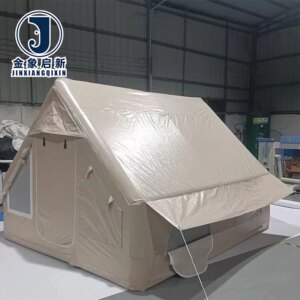
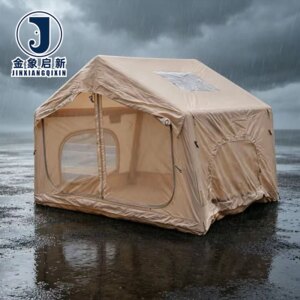
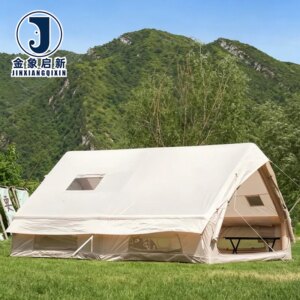
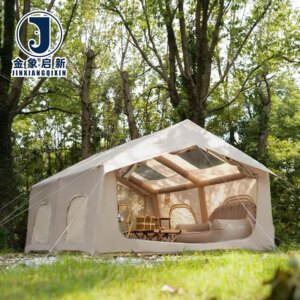
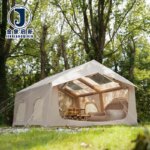
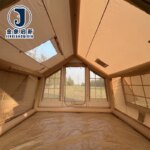
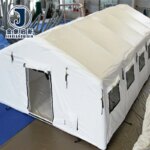
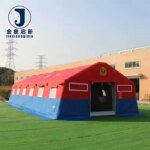
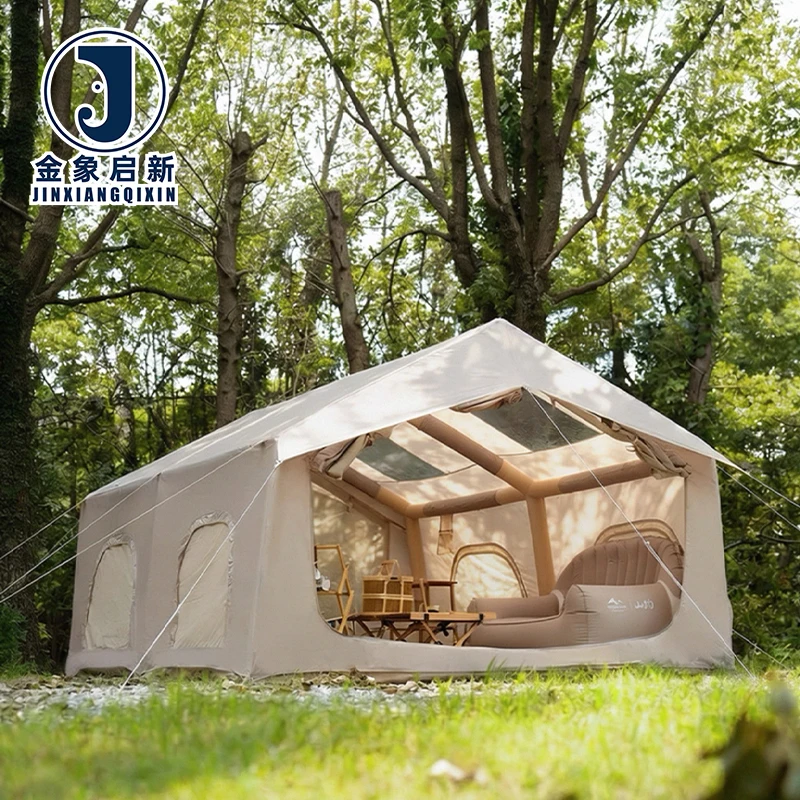
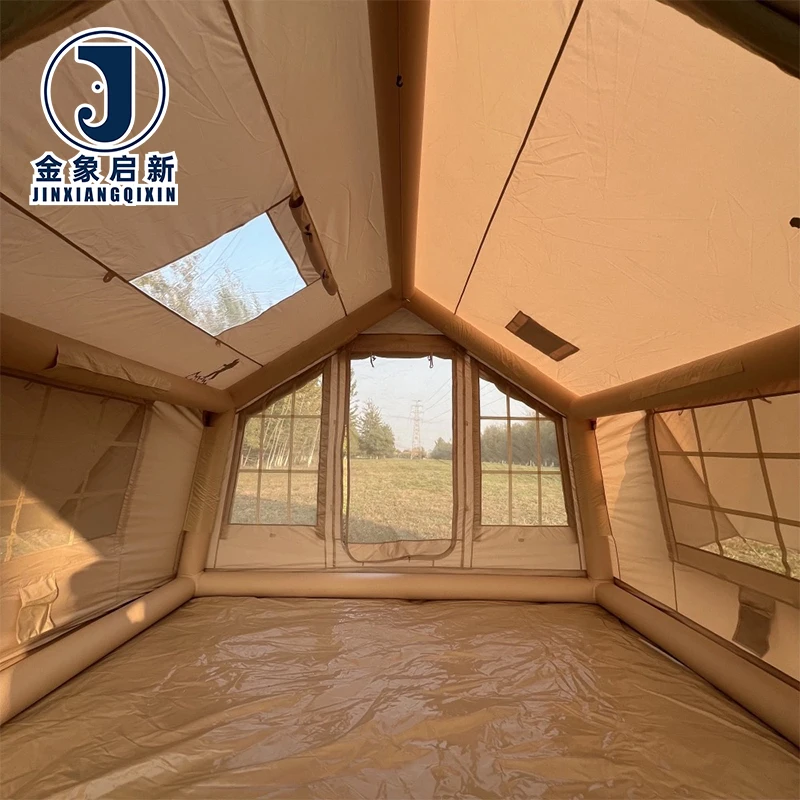
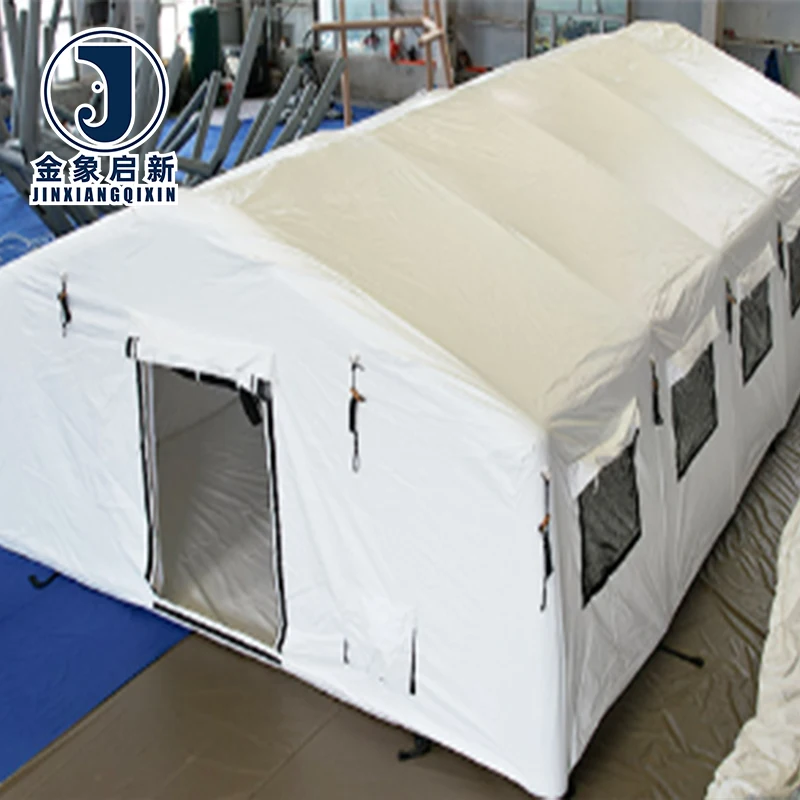
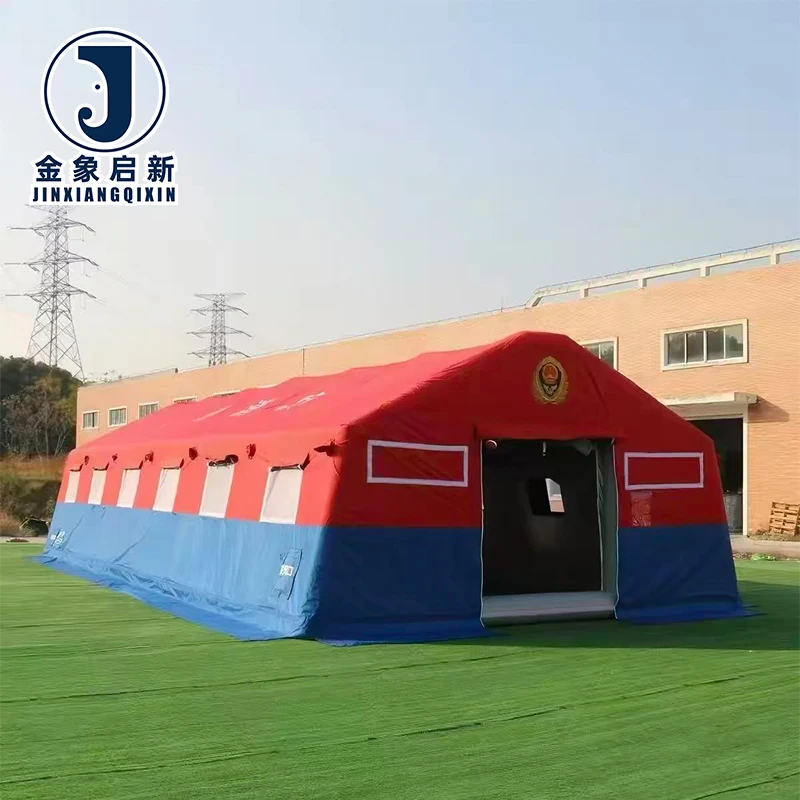
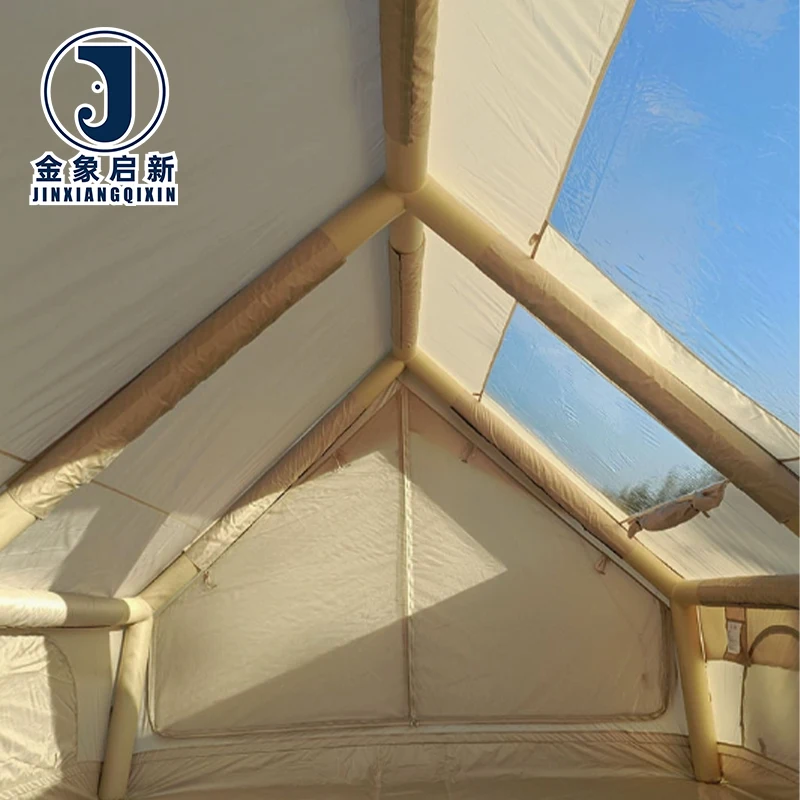
When a tunnel face advances or an emergency response team arrives at a remote infrastructure site, the inflatable tent must be operational within minutes — not hours. The quick automatic opening mechanism eliminates manual pole assembly and reduces the labour required on site, which matters when crews are working in shifts under tight schedules. The PVC waterproof fabric construction ensures that internal equipment and personnel remain protected from the moment inflation is complete. Single layer construction keeps weight manageable for transport to inaccessible locations, while the extended type format provides the additional floor area needed for mobile command centres or equipment staging zones.
Matching Fire and Static Compliance to Your Site’s Specific Requirements
Not all regulated sites demand the same fire-retardant classification. A mining operation may require anti-static properties tested to a specific standard, while an aviation maintenance contractor may need a different fire classification entirely. The inflatable tent fabric is available in fire retardant and anti-static grades, but the critical step is confirming the exact standard your project mandates before production begins. [NEED_CITE: anti-static and fire retardant testing standards for inflatable structures in mining and aviation] The R&D team works with buyers to align material selection with site compliance requirements, developing samples within days so the correct grade is verified before full production runs commence.
Understanding How Coated Fabric Properties Determine Structural Behaviour
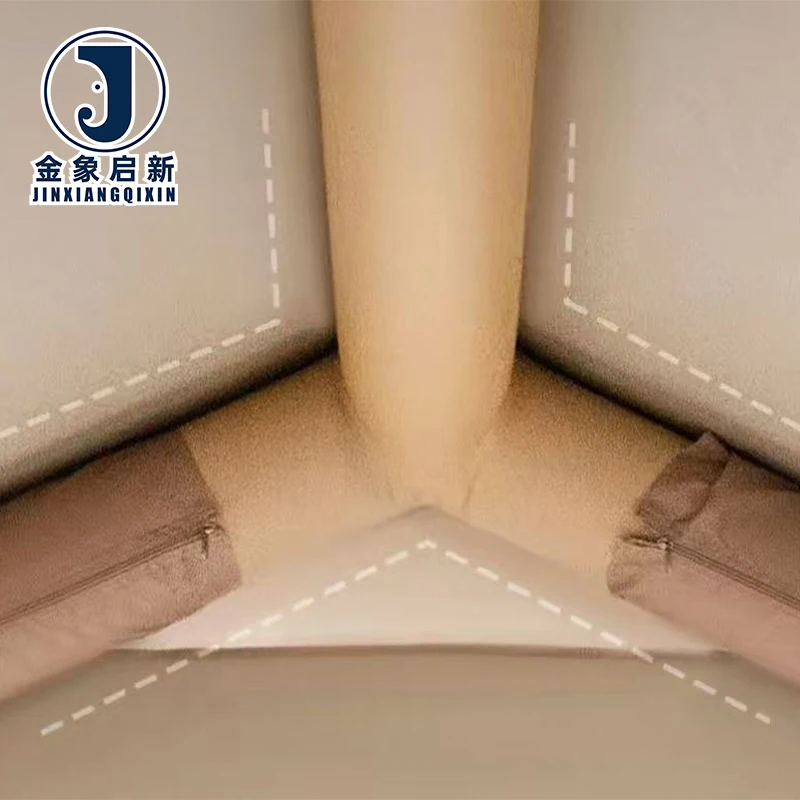
The PVC coating method and weight directly influence how the inflatable tent behaves under internal air pressure. Heavier coating applications improve weld seam strength — a factor that determines whether seams hold or split at the flex points where the structure inflates and deflates repeatedly. The base fabric denier and weave density work together with the coating to govern tensile and tear strength; a high GSM value on its own does not guarantee resistance to tear propagation if the base fabric is loosely woven. Surface finish also plays a role: a matte surface reduces glare during daytime operations on airfields or construction sites, while a glossy finish supports easier cleaning of contaminants like drilling mud or hydraulic fluid. Available UV resistant treatment requires confirmation of the test basis before specifying the material for permanent outdoor membrane installations. [NEED_CITE: relationship between coating weight, base fabric denier, and tear strength in PVC coated fabrics per ISO 1421]
The Cost of Overlooking Specification Details Before Production
Specifying an inflatable tent fabric without confirming the fire-retardant grade against the site’s required standard results in rejected installations and idle project timelines. Buyers who accept generic "UV resistant" claims without requesting test documentation often discover coating degradation far earlier than expected in harsh climates. Colour inconsistency between rolls in a single batch becomes visible once multiple inflatable units are deployed side by side at a single site — an aesthetic issue that also signals uneven coating application and potential performance variation across the batch. Weld seams that fail before the fabric itself does are typically traced back to incorrect heat-sealing parameters for the specific coating weight supplied. [NEED_CITE: common causes of welded seam failure in PVC coated inflatable structures]
Why Buyers Source Inflatable and Membrane Structure Fabric Here
Deep process control over coating weight and adhesion, developed over nearly 30 years focused exclusively on coated fabric, means the material arriving on site performs consistently with the specification agreed at order. Three full production lines and 36 sets of professional processing equipment support bulk capacity with reliable scheduling for time-sensitive industrial projects. The 10-person R&D team handles material selection, custom sizing, and sample development within days, allowing buyers to verify fire-retardant grades, anti-static properties, and dimensional fit before committing to production volume. Dedicated QA and QC at every production stage, with 100% inspection before shipment, catches coating inconsistencies and weld integrity issues before the fabric leaves the facility. Full OEM and ODM customization ensures the inflatable tent geometry matches the specific structure design, from single-layer emergency shelters to extended-type command centres.
Documentation & Verification
- Material specification sheet stating PVC coating weight, base fabric construction, and treatment details for each inflatable tent order
- Fire retardant test report referencing the specific standard required by the buyer’s site compliance officer
- Anti-static test documentation where applicable, with standard reference included on the certificate
- Pre-shipment inspection record with 100% inspection and batch quality reports dispatched with the fabric
- Certificate of origin and customs documentation supporting international shipment of inflatable structure material
Fabrication, Handling & Storage
- Heat-seal PVC inflatable tent fabric at temperatures matched to the specific coating weight to prevent seam delamination
- Reinforce inflation valve attachment points with additional fabric layers to distribute internal air pressure loads
- Store rolled inflatable tent fabric upright in dry conditions to prevent permanent creasing of the PVC coating surface
- Allow cold-transported PVC fabric to acclimatise to ambient temperature before unrolling to avoid low-temperature cracking
- Clean PVC surfaces with neutral pH detergents only to preserve any applied UV resistant treatment layer
Preparing Your Inflatable Structure Specification for Quotation
Provide the intended deployment environment and the specific fire-retardant or anti-static standard your site mandates, along with the required dimensions and whether single layer or extended type construction is needed. If the inflatable structure will remain deployed for extended periods outdoors, confirm the UV exposure conditions so the appropriate treatment grade is selected. Indicate whether you require roll stock for your own fabrication or fully finished inflatable tent units, and whether sample development is needed before production approval.
Frequently Asked Questions
Q: Which fire-retardant and anti-static standards can be supplied with inflatable tent fabric?
A: Fire retardant and anti-static treatments are available in multiple grades. The exact standard must be confirmed against your site’s compliance requirements before order placement. The R&D team provides guidance on standard selection, and test reports referencing the agreed standard are included with documentation.
Q: What is the test basis for UV resistant treatment on this inflatable tent fabric?
A: UV resistant treatment is available, but the specific test basis should be confirmed before specifying the material for extended outdoor deployment in harsh climates. Request the UV test report with stated standards to ensure suitability for your project’s expected exposure duration.
Q: What customization scope is available for inflatable and membrane structure fabric?
A: OEM and ODM customization covers dimensions, material selection including fire retardant and anti-static grades, single layer or extended type construction, and colour specification. The 10-person R&D team develops samples within days for buyer confirmation before mass production commences.
Q: What batch quality documentation accompanies each inflatable tent fabric order?
A: Each order includes a material specification sheet, pre-shipment inspection record with 100% inspection results, fire retardant or anti-static test reports where applicable, certificate of origin, and a roll packing list. All documentation references the specific batch produced for your order.
Q: How does the sample development process work for custom inflatable structure specifications?
A: Submit your application requirements including dimensions, treatment grades, and compliance standards. The R&D team develops a sample within days for your evaluation. Once the sample is approved, mass production proceeds with in-process QA and 100% pre-shipment inspection before dispatch.