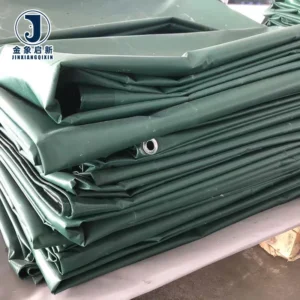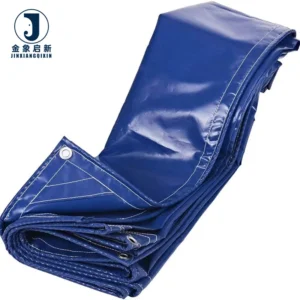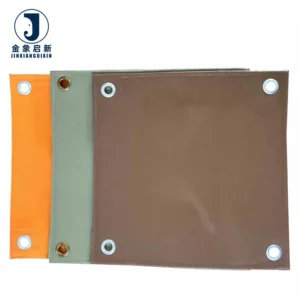



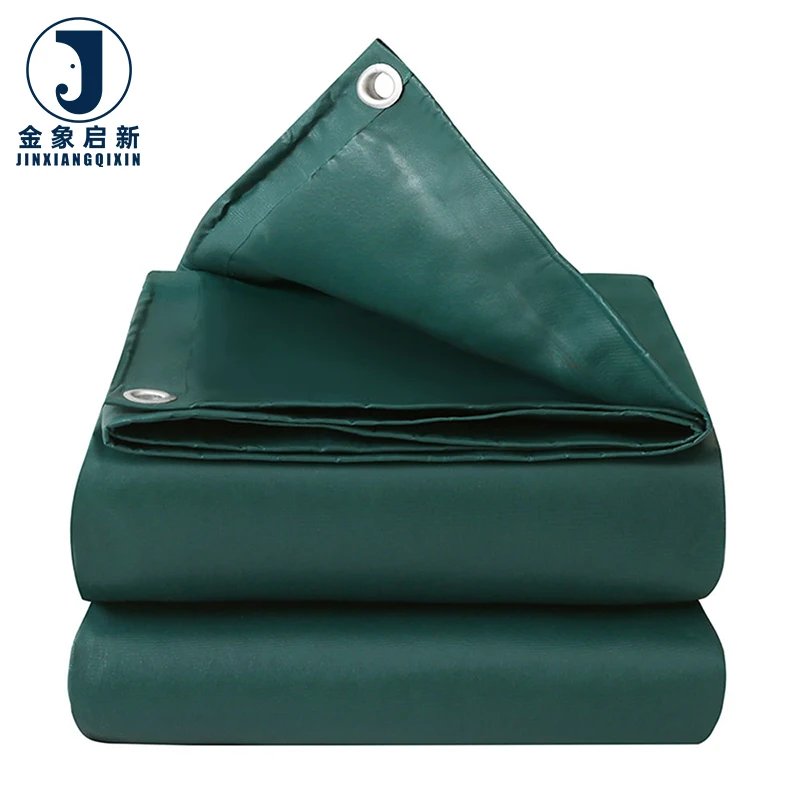
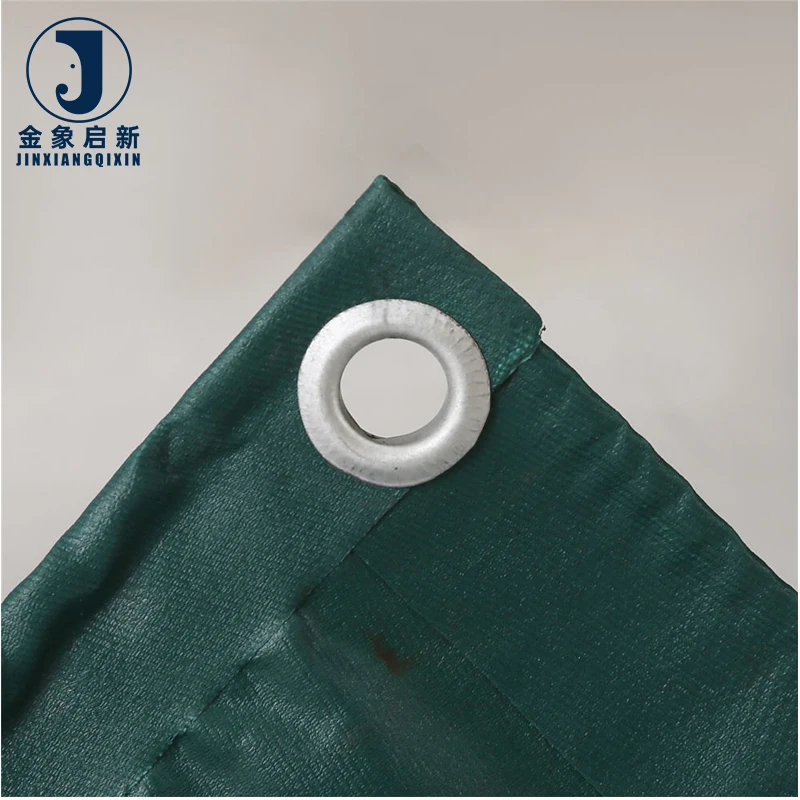

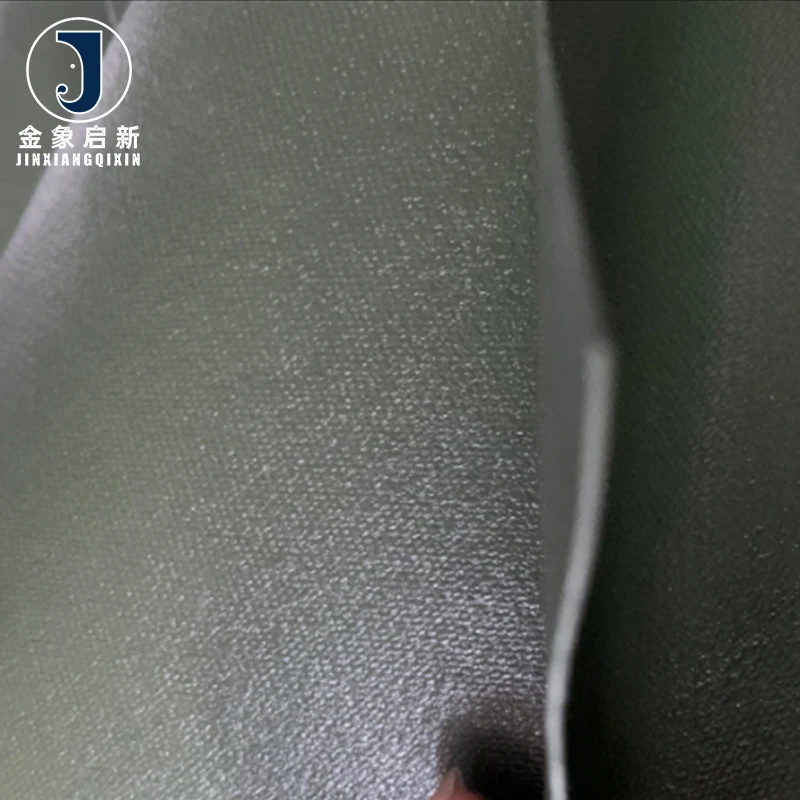
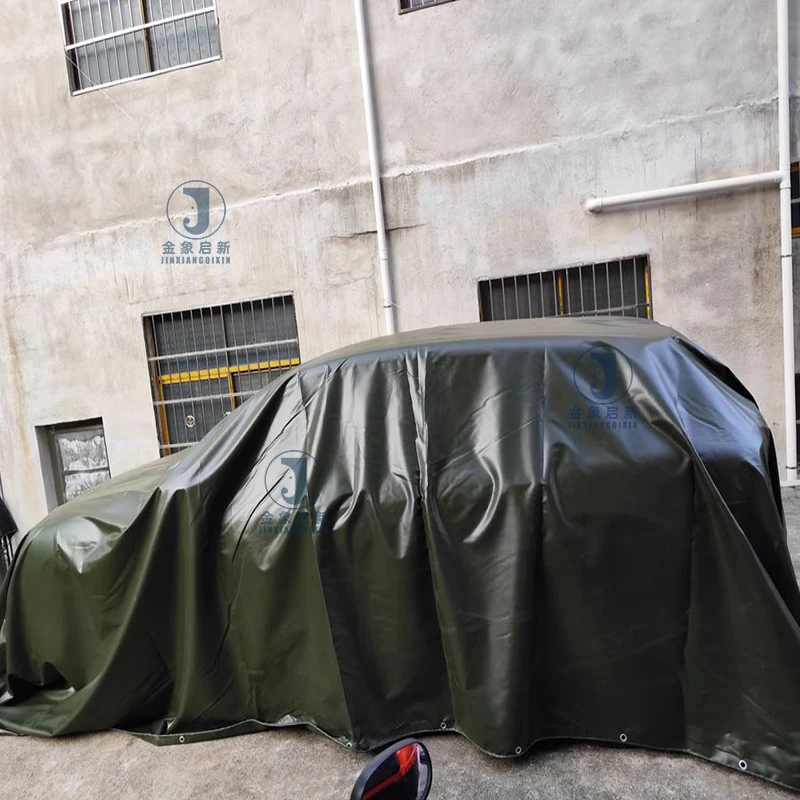
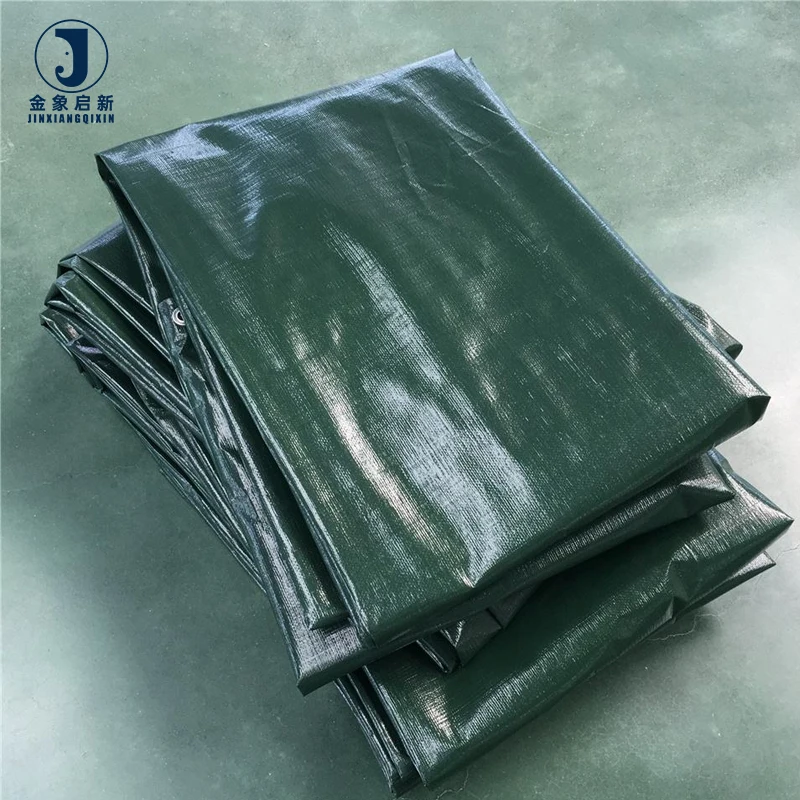
Process-Controlled Coating — nearly 30 years focused on PVC coated fabric with dedicated QA/QC at every production stage, ensuring fire-retardant and anti-static grades arrive with verifiable test documentation for mining, tunnelling and specialist structure compliance.
Technical Specifications
| Parameter | Value |
|---|---|
| Product Type | PVC Coated Tarpaulin Fabric |
| Coating Material | PVC |
| Base Fabric | High-strength polyester mesh fabric |
| Coating Technology | Laminated technology & Hot-melt coating technology |
| Weight Options | 350gsm / 420gsm / 500gsm / 550gsm / 600gsm / 750gsm |
| Thickness Options | 0.32mm / 0.35mm / 0.4mm / 0.45mm / 0.5mm / 0.65mm |
| Roll Width | 2m / 2.1m |
| Roll Length | 75m (2m width) / 50m (2.1m width) |
| Colour Options | Blue / Red / Yellow / Light blue / Grey (customised) |
| Flame Retardant | Available as special treatment (grade not stated) |
| Anti-Static | Available as special treatment (test basis not stated) |
| Cold Crack Resistance | Stated (test basis not stated) |
| Anti-Mildew | Stated (test basis not stated) |
| Waterproof | Fully coated waterproof construction |
| Colour Fastness | Stated (test basis not stated) |
| Printing Option | Custom brand printing available |
| Service Life | 3–7 years under normal circumstances |
| Standards | ISO, CE |
Application Suitability
| Application | Exposure & Requirement |
|---|---|
| Mining & tunnelling ventilation duct | Continuous airflow, rock dust abrasion, mandatory fire-retardant and anti-static compliance for underground safety |
| Inflatable & membrane structure panels | Wind load tension, UV exposure, weld-seam integrity at curved stress points, consistent colour across panels |
| Aviation ground ventilation systems | Fuel proximity, regulatory fire classification, repeated deployment and stowage flex cycles |
| Industrial blackout enclosures | Light exclusion, chemical-laden atmosphere, thermal variation, frequent access and re-securing |
| Plant & refinery maintenance shrouds | Hydrocarbon exposure, scaffolding contact, wind-driven rain, short to medium-term installation |
What "Certified Fire-Retardant" Actually Requires on a Technical Fabric Order
A test report matched to the batch you receive, not a generic claim on the quotation.
PVC coated tarpaulin fabric ordered for underground ventilation or membrane structures often arrives with a fire-retardant statement but no accompanying certificate linking that treatment to a recognised standard. Site inspectors reject the material, the project stalls, and the cost of replacement falls on whoever signed the purchase order. [NEED_CITE: fire classification standards for flexible fabric in underground and public-assembly environments]
The same problem applies to anti-static performance. Mining and tunnelling regulations demand measurable surface resistivity, yet the fabric may carry only the word "anti-static" with no test method cited. Procurement teams need documentation that names the standard, records the measured value, and references the production batch — otherwise the fabric cannot be signed off for use in a controlled environment.
Coating Adhesion and Weld-Seam Behaviour in Duct Fabrication
Hot-melt coating technology bonds the PVC layer to the high-strength polyester mesh under controlled temperature and pressure, producing a laminate where the coating does not delaminate during thermal welding. For ventilation duct manufacturers, this adhesion quality determines whether a welded seam survives repeated inflation cycles and flex loading at duct bends. Laminated technology provides an alternative bonding method suited to applications where peel resistance at the seam is the priority.
Treatment Verification for Compliance-Driven Procurement
Fire-retardant and anti-static treatments are available as special processes applied during coating. The grade must be confirmed against the regulatory framework of the destination market — a mining authority in one jurisdiction may require a different classification than a building code in another. Ordering without specifying the target standard leaves the mill to default to a general-purpose treatment that may not satisfy the site inspector. Requesting the test report before production locks the grade to a documented outcome rather than an assumption. [NEED_CITE: anti-static surface resistivity measurement methods for coated textiles in hazardous environments]
Reading the Specification Sheet Beyond GSM
Coating weight expressed in GSM tells you the mass per square metre but not how that mass is distributed between base fabric and coating layer. A 550gsm PVC coated tarpaulin fabric with a dense polyester mesh base will behave differently under tensile load than one at the same weight with a heavier coating and lighter scrim. The relationship between base fabric denier, weave density, and total thickness determines tear propagation resistance — the property that matters most when a duct panel is punctured by rock contact or a membrane is stressed at a fixing point.
Coating method further influences fabrication outcomes. Hot-melt coated material typically welds at a narrower temperature window but produces a stronger bond at the seam, while laminated fabric may tolerate a broader heat range during fabrication. For buyers specifying across the 350gsm to 750gsm range, matching the coating technology to the fabrication method prevents seam failure in the field. Thickness values from 0.32mm to 0.65mm correlate with puncture resistance and drape characteristics — thinner grades suit inflatable structures where flexibility is critical, while heavier grades serve as rigid enclosures and equipment covers.
The Hidden Cost of Specifying on Price Per Kilogram Alone
Fabric ordered primarily on cost per kilogram frequently arrives lighter than the quoted GSM because the coating weight is reduced to hit the price target. In ventilation duct applications, insufficient coating leaves the polyester scrim exposed to moisture and abrasion, shortening the service interval and increasing replacement frequency. For membrane and inflatable structures, batch-to-batch colour variation becomes visible when panels are installed side by side — a defect that forces selective re-cutting or full panel replacement. [NEED_CITE: coated fabric coating weight variation and its impact on weld-seam peel strength]
Flame-retardant grades supplied without supporting documentation create a different risk: the material passes visual inspection but fails the compliance audit, halting a project at the stage where re-procurement carries the highest schedule penalty. These outcomes are avoidable when the purchase specification names the treatment grade, the test standard, and the acceptable tolerance range rather than relying on a single-line description.
Why Technical Buyers Source This Fabric Here
Dedicated QA/QC at every production stage means coating weight, colour consistency, and treatment application are checked before the roll is packed, not after a field failure triggers a complaint.
A 10-person R&D team handles material selection and sample development, producing test panels within days so buyers can verify weld parameters, colour match, and treatment performance before committing to bulk production.
Three full production lines and 36 sets of professional equipment support consistent output across the 350gsm to 750gsm range, maintaining batch-to-batch uniformity on repeat orders for multi-phase projects.
ISO and CE certified processes provide the documentation framework needed for compliance-driven markets where the purchasing file must demonstrate traceability from raw material to finished roll.
Custom width, length, and treatment combinations are managed in-house, reducing the number of intermediaries between the specification and the production floor.
Documentation & Verification
- Material specification sheet stating GSM, thickness, base fabric type and coating method for each roll
- Fire-retardant and anti-static test reports matched to the batch number supplied
- Roll-to-roll colour consistency confirmed by pre-shipment inspection record
- ISO and CE certificates included with dispatch documentation
- Certificate of origin and customs support prepared per destination market requirements
- Custom treatment grade recorded on the production order and reflected in the test certificate
Fabrication, Handling & Storage
- Hot-melt coated grades require controlled welding temperature — run test welds on scrap from the same roll before production
- Cold crack resistant formulation allows deployment in low-temperature environments, but avoid tight folding during transport to prevent crease marks
- Store rolls horizontally on pallets in a shaded, ventilated area to prevent compression distortion of the 2m or 2.1m width
- For inflatable duct fabrication, reinforce weld intersections at branch joints where flex loading concentrates
- Clean PVC coated tarpaulin fabric surfaces with mild detergent — avoid solvent-based cleaners that degrade the anti-static treatment layer
- When cutting panels from roll stock, allow minimum overlap at seams to maintain weld integrity across the available thickness range
Before You Request a Quotation
Provide the ventilation standard or fire classification required by the project authority so the correct treatment grade can be matched from the outset. Specify whether the order is roll stock for in-house fabrication or finished cut panels with defined dimensions and seam allowances.
Indicate the operating temperature range and exposure conditions — underground humidity, chemical atmosphere, or external UV — to confirm whether anti-static, cold crack, or anti-mildew treatment should be applied in combination with the fire-retardant grade. Annual volume and colour reference help lock batch consistency across multiple shipments.
Frequently Asked Questions
Q: What fire-retardant documentation comes with the fabric?
A: When a fire-retardant grade is specified, a test report referencing the applicable standard is supplied with the batch. The report is linked to the production lot number so site inspectors can verify the material against the certificate. Confirm the target standard at inquiry stage so the correct treatment is applied.
Q: How is anti-static performance verified for mining compliance?
A: Anti-static treatment is available as a special process. The test method and measured surface resistivity value should be confirmed against your jurisdiction’s mining safety regulation. Requesting the test report before shipment ensures the grade matches the compliance requirement rather than a generic description.
Q: Can you hold the same GSM and colour across a multi-phase project?
A: Batch consistency is managed through in-process quality control at each production stage and confirmed by pre-shipment inspection. For repeat orders, the original colour reference and GSM specification are held on file. Ordering the full project volume together reduces the number of production runs and further limits batch variation.
Q: Do you supply finished panels or only roll stock?
A: Both options are available. Roll stock in 2m or 2.1m widths suits buyers with in-house fabrication capability. Custom cut panels can be produced to defined dimensions with welded or hemmed edges. Specify the panel size, seam type, and any reinforcement requirements at the inquiry stage for accurate lead time assessment.
Q: What is the lead time for custom treatment combinations?
A: Combining fire-retardant, anti-static, and cold crack treatments on a single grade requires coordinated production scheduling. Typical multi-week lead times apply for specialist treatment combinations, with sample panels available for approval before full production begins. Confirm the treatment matrix and order volume early to secure a production slot.