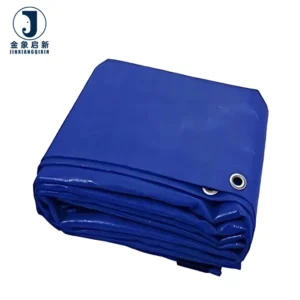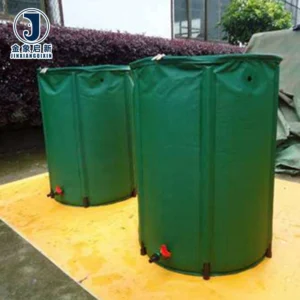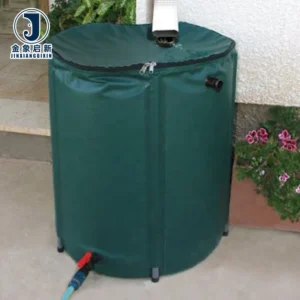

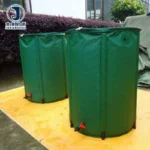
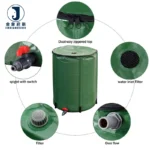
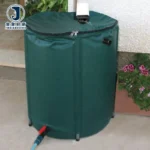
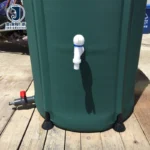
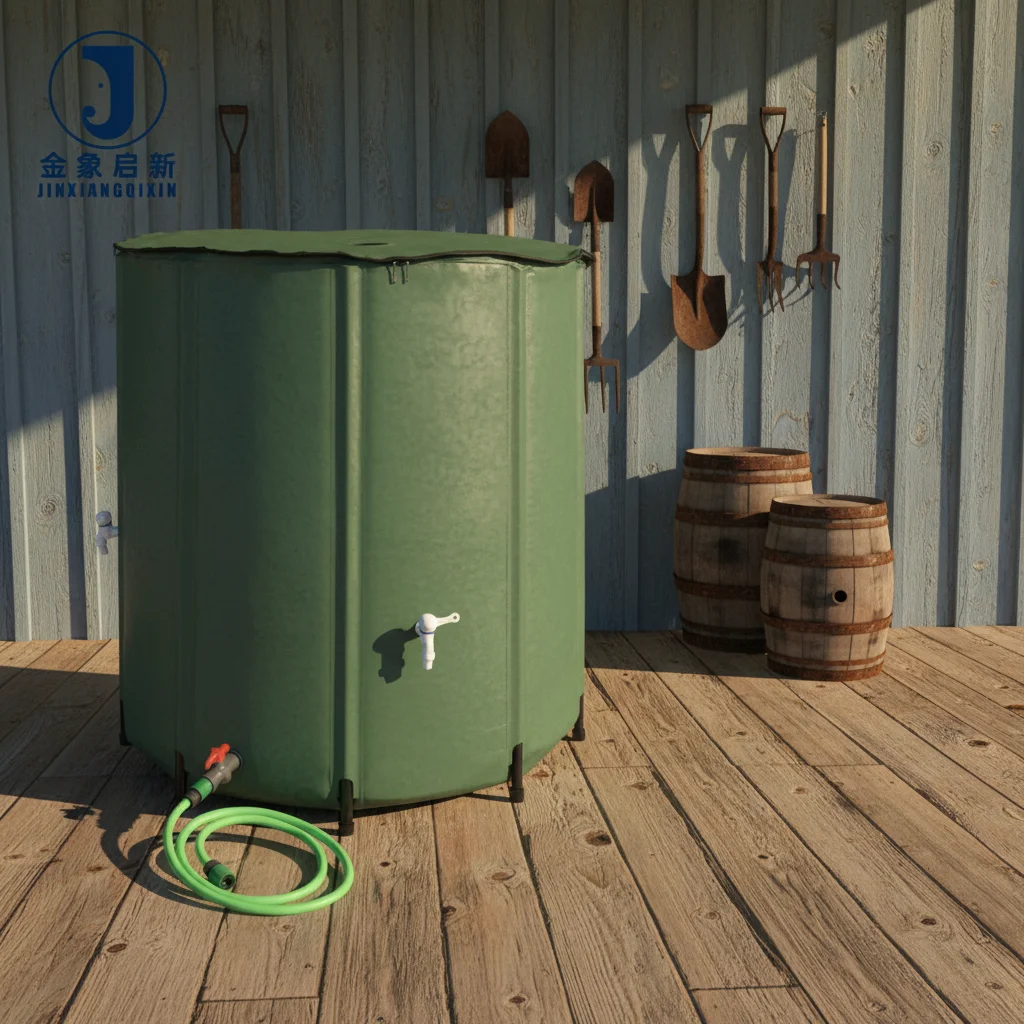
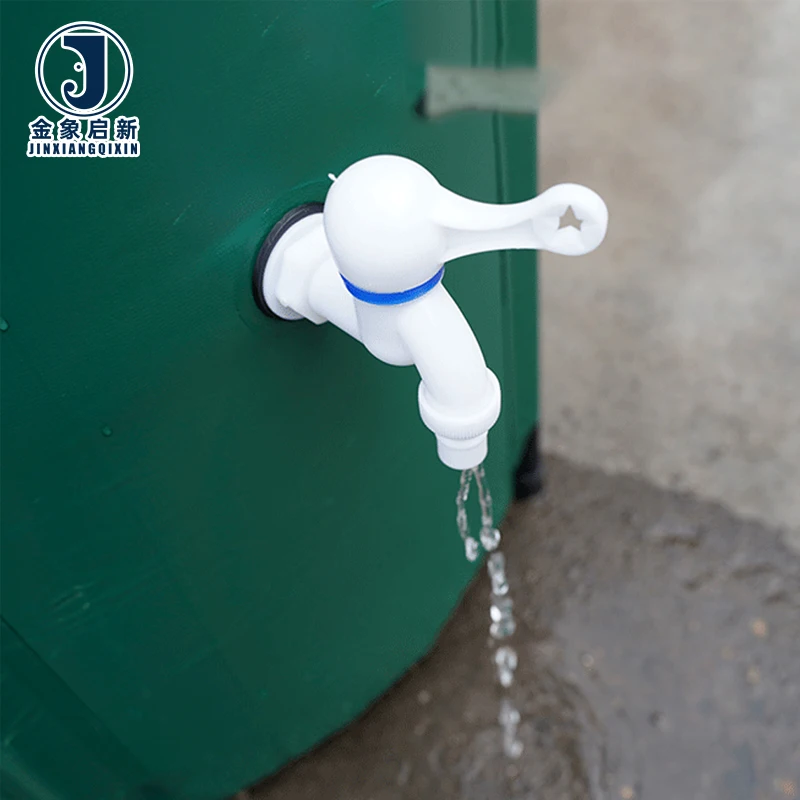
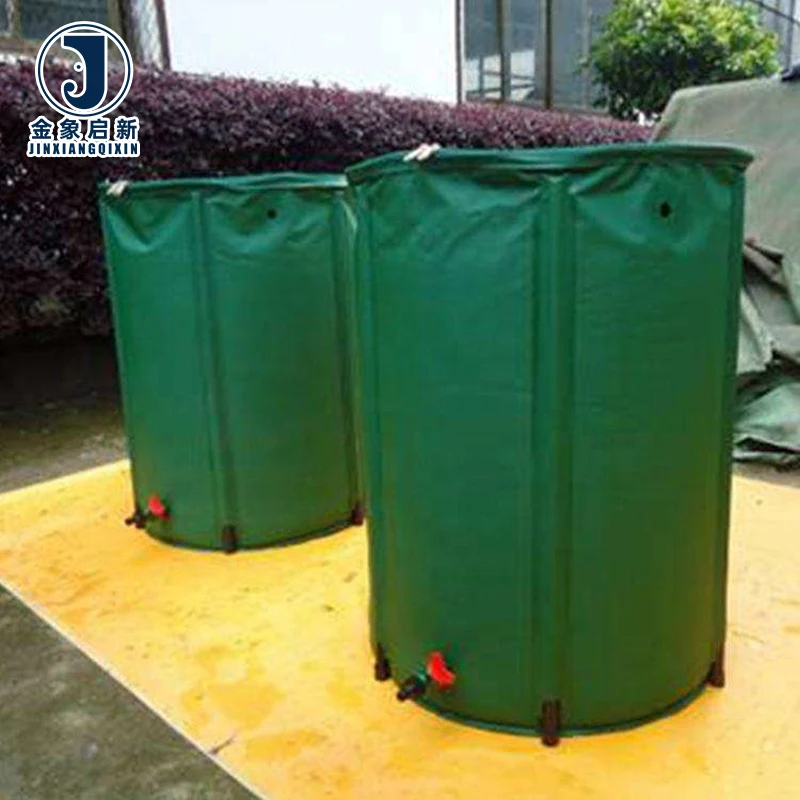
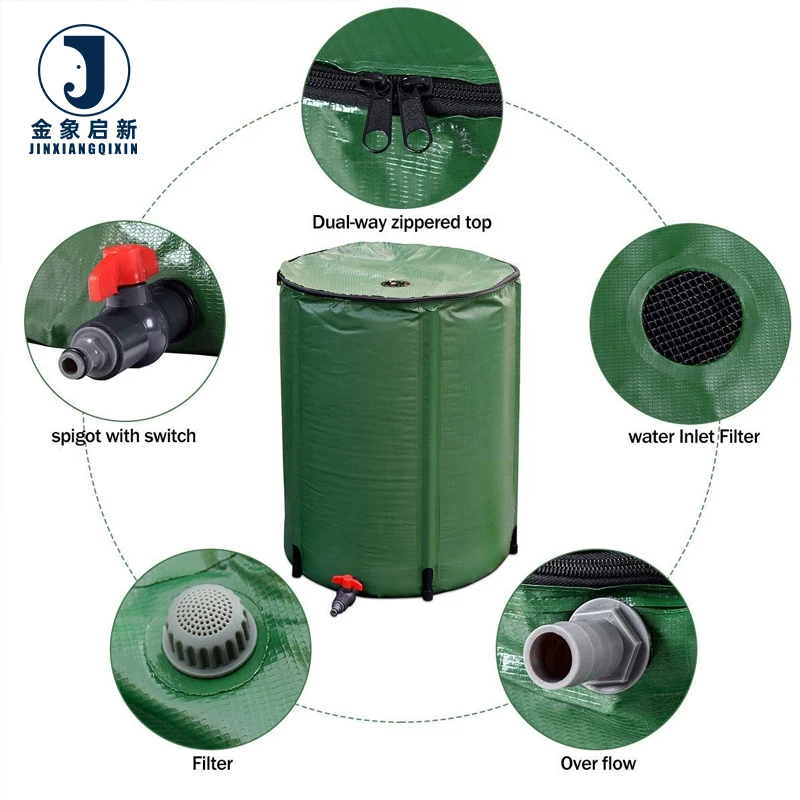
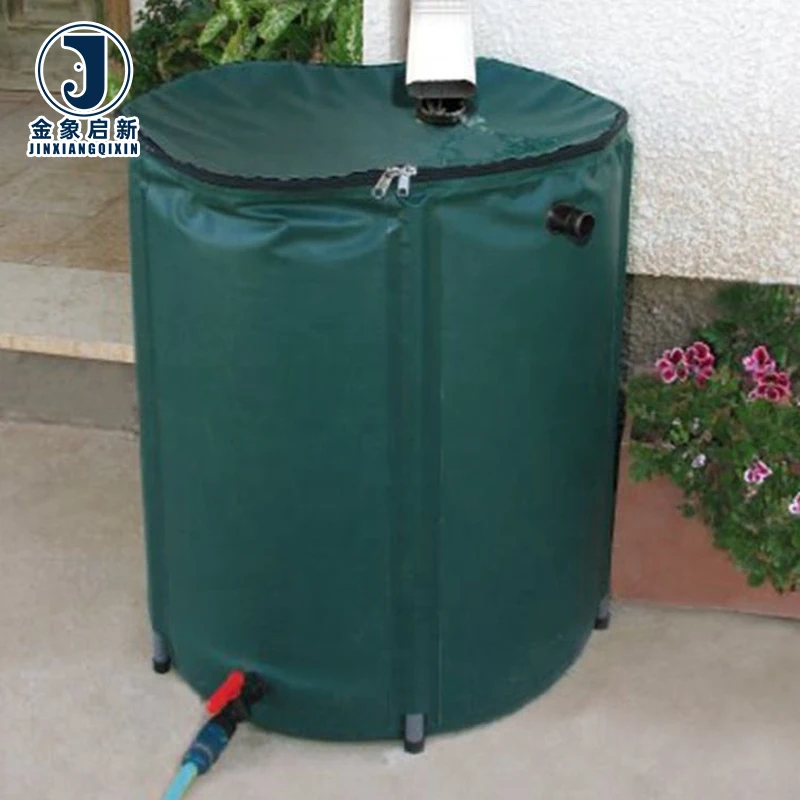
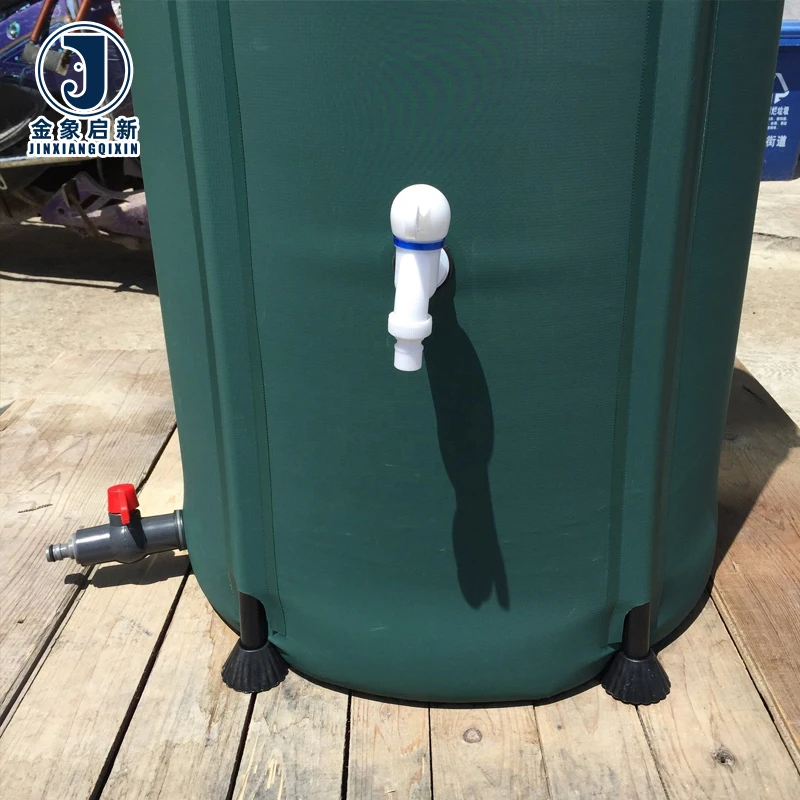
Process Control Over Coating Weight — every roll of PVC mesh cloth produced for our collapsible water tanks is weighed and verified against the stated specification before it leaves the facility, eliminating the gap between quotation and arrival.
Technical Specifications
| Parameter | Value |
|---|---|
| Product Type | Collapsible PVC Water Storage Tank |
| Capacity Options | 200L / 380L / 500L / 750L |
| Base Fabric | PVC Mesh Cloth, 500D or 1000D |
| Coating Material | PVC |
| Frame | PVC Support Rod |
| Waterproof | Yes |
| Anti-Mildew | Yes |
| Anti-Bacteria | Yes |
| Anti-UV | Yes (grade not stated) |
| Flame Retardant | Yes (grade not stated) |
| Anti-Static | Yes (standard not stated) |
| Abrasion-Resistant | Yes |
| Tear-Resistant | Yes |
| Shrink-Resistant | Yes |
| Windproof | Yes |
Application Suitability
| Application | Exposure & Requirement |
|---|---|
| Garden rainwater harvesting | Seasonal UV exposure, standing water contact, folding between seasons, mildew risk in humid climates |
| Agricultural and greenhouse irrigation buffer | Continuous sun, chemical contact from fertiliser runoff, frequent deployment and storage |
| Construction and remote site water storage | Abrasion from ground contact, dust and debris, wind loading on filled tank walls |
| Aquaculture portable containment | Permanent water immersion, bio-fouling, repeated relocation across ponds |
Why Claimed Treatments Fail Without Documentation
A treatment claim without a test report is just marketing copy on a data sheet.
Many buyers receive collapsible water tanks labelled as anti-UV or flame retardant, only to find the fabric degrades after a single season of sun exposure or fails a site fire inspection. The root cause is that suppliers often list treatments as blanket features without specifying the grade or the standard against which the material was tested. When you are sourcing a collapsible PVC water storage tank manufacturer for a project with defined compliance requirements, the absence of documented test data turns a specification into a guess. We supply material specification sheets and test reports for every treatment applied, so you can confirm the grade required for your market before committing to volume. [NEED_CITE: UV degradation testing standards for PVC coated fabrics]
Fabric Denier and the Durability Decision
The choice between 500D and 1000D PVC mesh cloth determines how the collapsible PVC water storage tank handles mechanical stress across its service life. The 500D base fabric suits garden and residential applications where the tank is filled, drained, and folded a limited number of times per season. The 1000D option adds tensile mass for construction sites and agri*ound, struck by equipment, or left standing under sustained wind load. Selecting the wrong denier does not cause immediate failure — it accelerates wear at the fold lines and support rod contact points until a seam opens under hydrostatic pressure.
Heat-Welded Seams and Structural Integrity
Every panel joint on the collapsible PVC water storage tank is heat-welded rather than stitched, eliminating needle holes that would otherwise become leak paths under water pressure. The PVC support rod frame distributes hydrostatic load across the tank walls, but the welds carry the tensile stress at every corner and base transition. When the fabric flexes as water is drawn down and refilled, the weld line experiences cyclic loading that tests adhesion between the coating and the base mesh. Our welding parameters are set to the specific PVC mesh cloth grade in production, ensuring the weld strength tracks with the fabric strength rather than falling below it. [NEED_CITE: weld adhesion test methods for PVC coated textiles per ISO 1421]
How Coating Weight, Denier and Treatment Interact
PVC mesh cloth performance is governed by the relationship between base fabric denier and the weight of PVC applied to each side. A heavier coating fills the weave more completely, improving waterproofing and abrasion resistance, but it also increases stiffness — which matters when the tank must fold flat for transport. The 500D and 1000D options differ in yarn thickness and weave density, meaning the same coating weight produces different hand feel and flex behaviour on each grade. Anti-mildew and anti-bacteria treatments are incorporated into the coating formulation rather than applied as a surface spray, so they remain active through repeated wet-dry cycles. Anti-UV and flame retardant additives are available in multiple grades — confirm the specific grade required for your application and local regulations before ordering.
The Hidden Cost of Skipping Verification
A buyer who accepts a collapsible tank without checking the fabric denier on arrival may find the walls thinner and more flexible than the sample that was approved. This difference does not show up in the first week of use — it appears months later when the tank is refilled after storage and a fold line cracks under hydrostatic pressure. Similarly, a flame retardant claim without a supporting test report becomes a liability when a site safety officer requests documentation and the project is halted until compliance is demonstrated. Batch-to-batch colour variation is less critical for water tanks than for architectural fabric, but inconsistent coating weight across a batch can mean some tanks in the same order fail earlier than others. [NEED_CITE: coating weight variance impact on PVC fabric service life]
Why Source This Tank From Our Facility
Nearly 30 years of PVC coated fabric production means our coating lines are calibrated for the specific mesh cloth grades used in these tanks, not adapted from unrelated product lines. Three full production lines with 36 sets of professional equipment allow us to run multiple capacity formats — 200L through 750L — without sacrificing lead time reliability. The 10-person R&D team develops custom tank dimensions, inlet and outlet fitting positions, and colour options against buyer specifications, with samples produced within days. Dedicated QA and QC inspection at every production stage catches coating weight deviation and weld adhesion issues before the tank is packed. A 100 percent pre-shipment inspection with documented record means you receive the verification paperwork with the shipment, not weeks later by email.
Documentation & Verification
- Material specification sheet listing base fabric denier, PVC coating type and applied treatments per tank model
- Test reports for anti-UV and flame retardant grades issued against named standards where applicable
- Pre-shipment inspection record confirming capacity dimensions, weld integrity and fabric weight
- Certificate of origin and customs documentation included with every export shipment
Fabrication, Handling & Storage
- Heat-weld all panel joints at temperatures matched to the specific PVC mesh cloth grade to prevent coating delamination
- Store folded tanks flat in shaded, dry conditions to avoid permanent crease marks on the PVC coating surface
- Inspect PVC support rod channels for debris before each deployment to prevent abrasion on the inner coating layer
- Use mild, non-solvent cleaners on the tank exterior to preserve the anti-mildew and anti-bacteria treatment in the coating
- Avoid dragging filled tanks across abrasive ground surfaces to protect the base PVC coating from puncture and scuffing
What We Need to Quote Your Project
Send us the target capacity, the deployment environment, and the expected exposure conditions — including whether the tank will stand in direct sun year-round or be stored between seasons. If your site or local regulations require a specific flame retardant or anti-static grade, include the standard reference so we can match the treatment accordingly. Let us know whether you need standard inlet and outlet fitting positions or a custom layout to connect with existing hose or pump infrastructure. If colour consistency across the order matters for your end user, specify the reference so we can confirm batch matching before production begins.
Frequently Asked Questions
Q: How do I choose between 500D and 1000D PVC mesh cloth for my application?
A: The 500D fabric suits garden and residential rainwater collection where the tank is deployed seasonally and folded for storage. The 1000D option is specified for construction sites, agricultural operations and any environment where the tank faces ground abrasion, equipment contact or sustained wind loading. Share your deployment conditions and we will recommend the appropriate grade.
Q: What test documentation supports the anti-UV and flame retardant claims?
A: We supply material specification sheets stating the treatment type and, where applicable, test reports issued against named standards. Flame retardant and anti-static grades vary by market — confirm the grade required for your project and we will match the formulation and provide the corresponding documentation before production.
Q: Can I connect the collapsible tank to a downpipe or pump system?
A: Yes. Inlet and outlet fitting positions and types can be configured to match your existing hose, downpipe or pump connections. Standard and custom fitting layouts are available. Provide your connection specifications and flow requirements so we can design the fitting placement for optimal drainage and fill rate.
Q: Are custom sizes and branded printing available for bulk orders?
A: Custom capacities beyond the standard 200L to 750L range can be developed, along with branded printing on the tank exterior. Our R&D team produces samples within days for approval before bulk production. Share your required dimensions, print artwork and order volume so we can confirm feasibility and lead time.