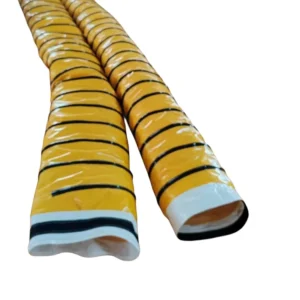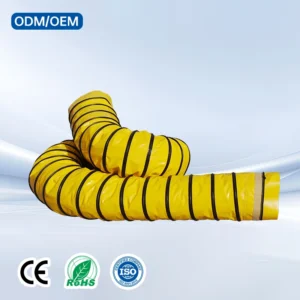
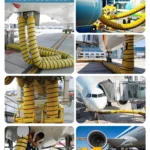


Precision-Engineered Airflow — three dedicated production lines ensure this aviation PCA hose meets documented compliance for airport apron operations, with every batch inspected before dispatch.
Technical Specifications
| Parameter | Value |
|---|---|
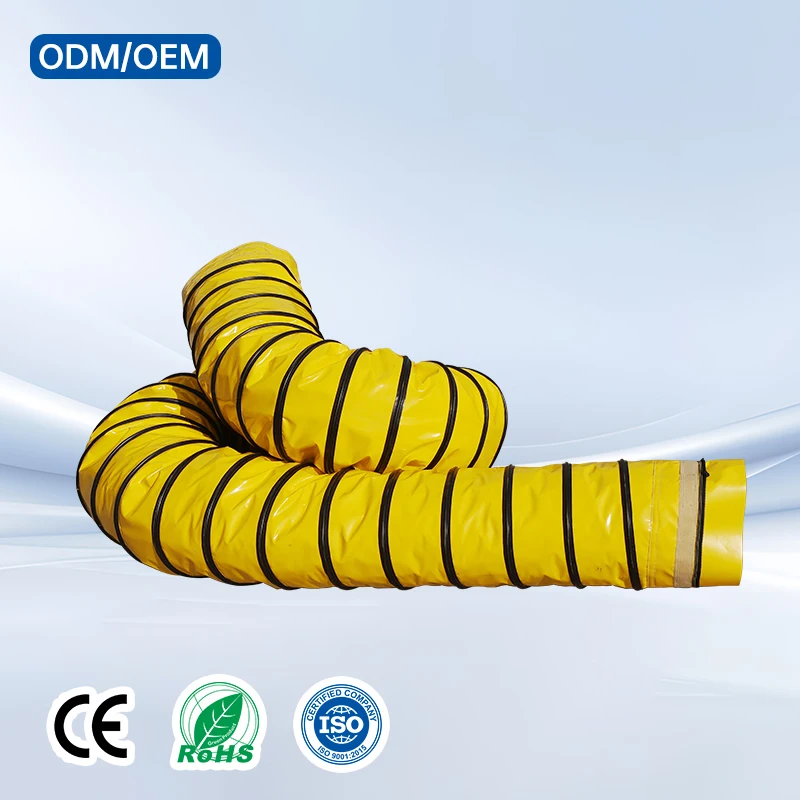
| Product Type | Aviation Air Conditioning Hose |
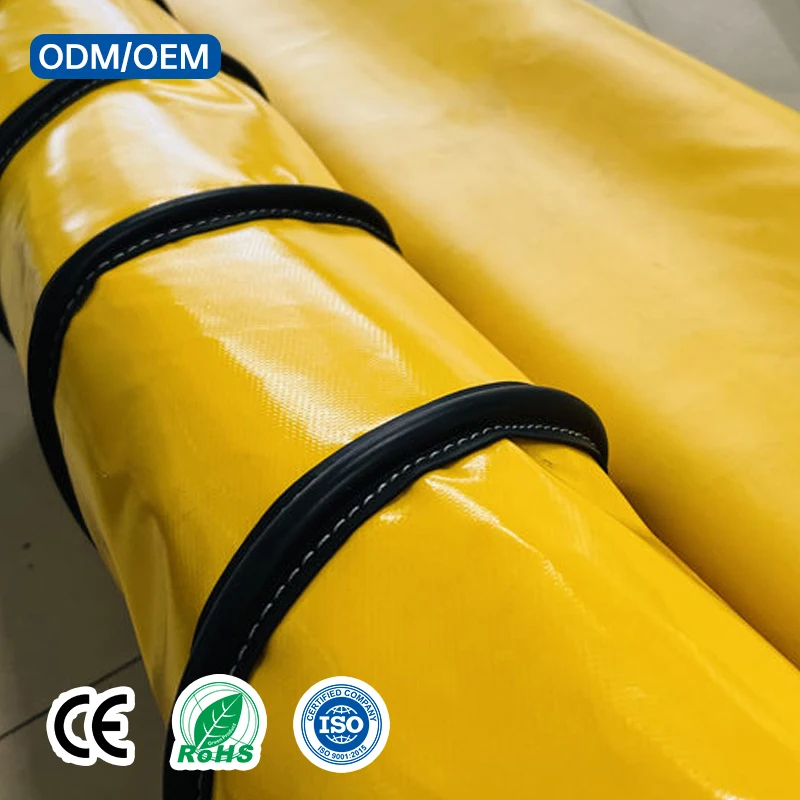
| Coating Material | PVC coated cloth |
| Insulation Layer | Built-in aluminum foil bubble film |
| Temperature Range | -30°C to 150°C |
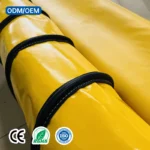
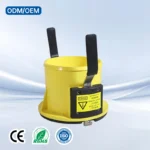
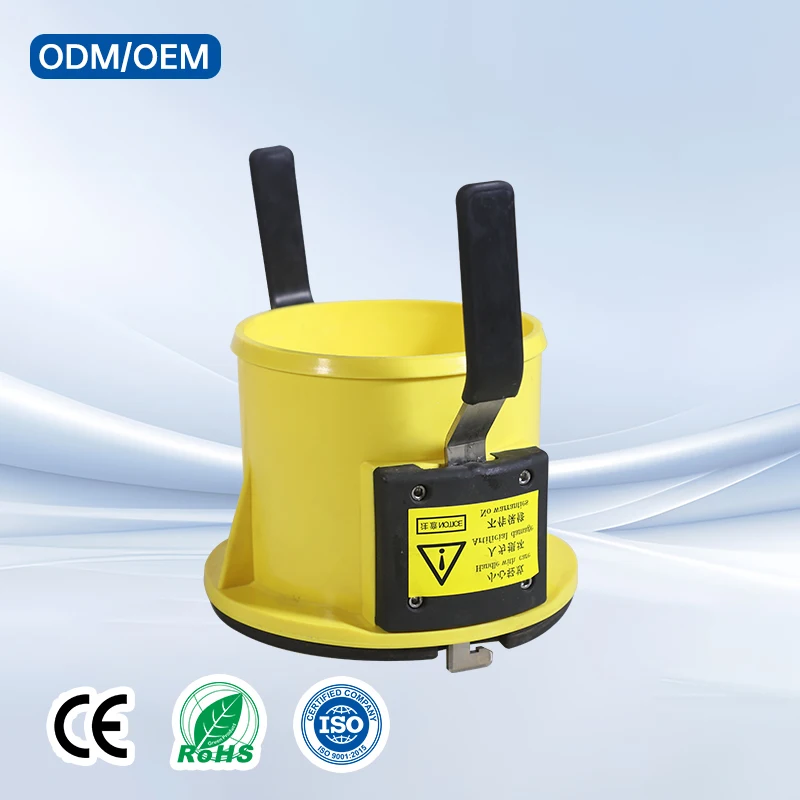
| Connection Method | Zipper and Velcro link for disassembly |
| Outer Layer Color | Yellow-black alternating protective coloring |
| Mildew Resistance | Yes |
| Waterproof | Yes |
| Customization Support | Logo, pattern, and outer packaging available |
Application Suitability
| Application | Exposure & Requirement |
|---|---|
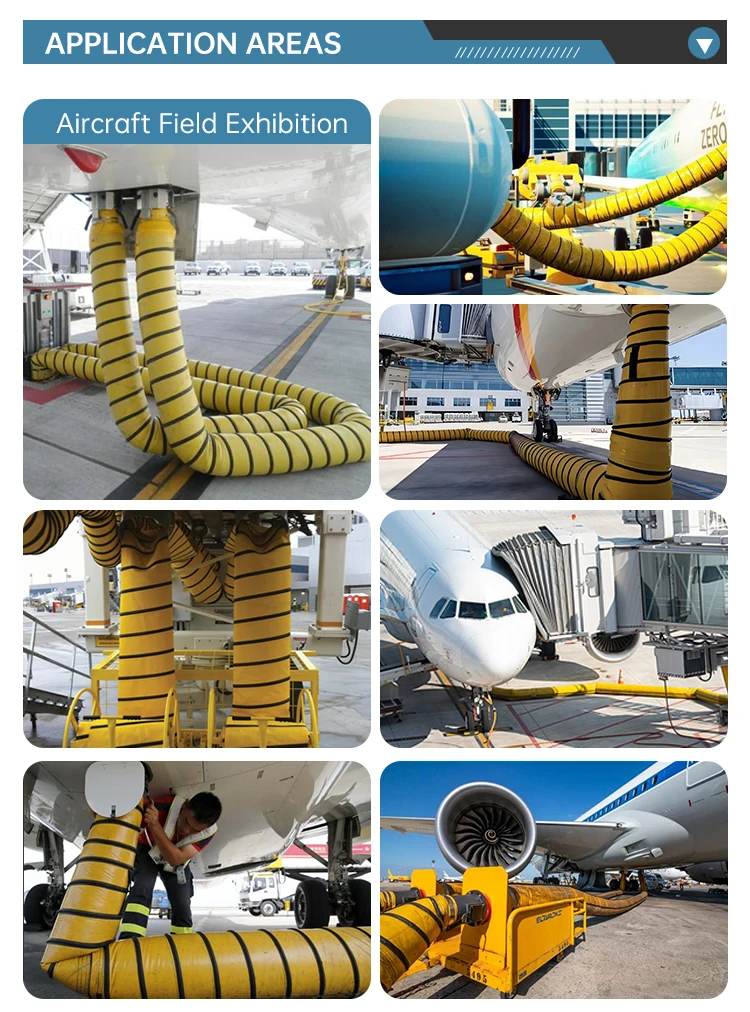
| PCA Unit to Aircraft Cabin Air Transmission | Continuous thermal cycling, high airflow pressure, strict fire safety compliance on aprons |
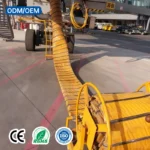
| Airport Ground Support Equipment Connection | Outdoor weathering, mechanical abrasion from tarmac handling, rapid turnaround deployment |
| Military and Regional Airport Mobile AC Units | Extreme temperature differentials, storage in uncontrolled environments, high-visibility safety |
Why Your Aviation Air Duct Fire Retardant Certification Matters on the Apron
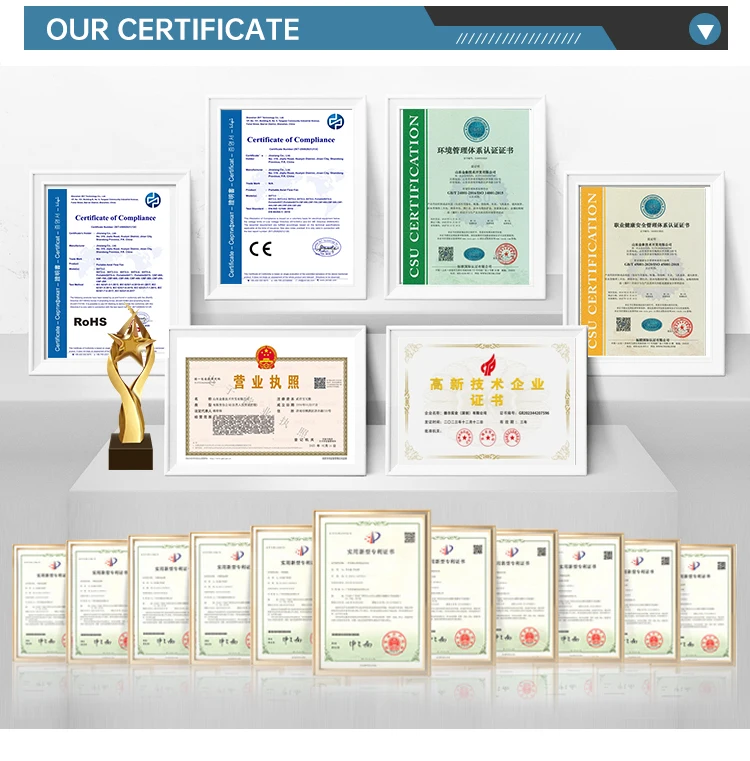
Every hose deployed on an airport apron must carry a verifiable fire-retardant test report, not just a claim.
Ground support equipment operates in a high-risk zone where a single material failure can escalate into a major incident. We have observed procurement specifications demanding "flame resistance" without defining the test standard, leading to rejected shipments and delayed aircraft servicing. Aviation air duct fire retardant certified solutions require documented proof that the coating and insulation layers resist ignition under specific aviation standards.
[NEED_CITE: ICAO and local airport authority fire safety requirements for ground support equipment materials]
Thermal Stability Through Aluminum Foil Insulation
The built-in aluminum foil bubble film insulation layer is the core component managing the extreme thermal gradient between the PCA unit and the aircraft cabin. This aviation air duct fire retardant certified design maintains structural integrity across the stated -30°C to 150°C operating range, preventing the PVC outer layer from softening at high intake temperatures or becoming brittle during sub-zero winter operations.
Rapid Deployment with Zipper and Velcro Connections
Aircraft turnaround times are measured in minutes. The zipper and Velcro connection system allows ground crews to deploy, link, and disconnect the PCA hose rapidly without tools. This aviation air duct fire retardant certified assembly ensures a secure, leak-resistant junction that withstands the vibration and flexing typical of tarmac operations.
High-Visibility Safety on the Tarmac
The yellow-black alternating outer coloring is not merely aesthetic; it is a critical safety feature for busy airport aprons. This aviation air duct fire retardant certified visual standard ensures ground personnel and vehicle operators can easily identify the hose layout, reducing trip hazards and equipment strike risks during complex ground handling maneuvers.
Understanding the PVC Coating and Base Fabric Interaction
The PVC coated cloth outer layer provides the primary defense against mechanical abrasion, moisture, and mildew. Unlike simple film laminates, a coated fabric structure allows the material to flex repeatedly at connection points without delaminating. The coating weight and adhesion are controlled to ensure the fabric remains pliable in cold conditions while resisting surface degradation from aviation fuels and de-icing fluids commonly found on aprons. [NEED_CITE: adhesion test methods for coated fabrics under chemical exposure]
The Cost of Unverified Insulation Thickness
When the aluminum foil bubble film insulation layer is inconsistent or below specification, the hose cannot maintain the required thermal efficiency. This forces the PCA unit to work harder, increasing fuel consumption and wear on ground equipment. More critically, inadequate insulation can lead to condensation inside the duct, creating water ingress risks for the aircraft cabin interface and potential ice formation in cold climates.
Why Sourcing This PCA Hose From Jinan Jinxiang Works
- Deep Coating Control: Nearly 30 years of experience in coated fabric production ensures the PVC layer on this aviation air duct fire retardant certified hose maintains consistent adhesion and flexibility, preventing cracking at the folds.
- Dedicated R&D Support: Our 10-person R&D team handles material selection and sample development, allowing us to adjust the hose diameter and length to fit specific PCA unit models and aircraft interfaces.
- 100% Pre-Shipment Inspection: Every unit undergoes rigorous checking of seam integrity at the zipper and Velcro connection points, ensuring no air leaks or structural weaknesses before it leaves our facility.
- Customization Capability: We support logo, pattern, and outer packaging customization with a low minimum, enabling ground handling companies to brand their equipment for fleet standardization.
Documentation & Verification
- Material specification sheet stating PVC coating weight and aluminum foil insulation details.
- Fire-retardant test report specifying the grade and standard applicable to aviation ground equipment.
- Temperature cycling test documentation confirming insulation performance across the stated range.
- Pre-shipment inspection record verifying seam integrity at zipper and Velcro connection points.
- Certificate of origin and full customs documentation for cross-border airport equipment procurement.
Fabrication, Handling & Storage
- Inspect zipper and Velcro seams on the PVC coated cloth for any debris before connecting to PCA units.
- Store the hose in a cool, dry place away from direct sunlight to preserve the yellow-black coloring and PVC flexibility.
- Avoid dragging the hose across sharp tarmac edges to prevent puncturing the aluminum foil insulation layer.
- Use mild, non-solvent cleaners on the outer PVC layer to maintain mildew resistance without damaging the coating.
- Ensure the hose is fully uncoiled and free of kinks before pressurizing the PCA system to prevent insulation compression.
Requesting a Technical Proposal
To ensure the aviation PCA hose fits your specific ground support operation, please provide the required diameter, length, and the exact aircraft models or PCA unit interfaces you service. Specify the fire-retardant standard required by your local airport authority or military specification. Confirm if you need custom branding or specific outer packaging for container loading.
Frequently Asked Questions
Q: What fire-retardant standard does this PCA hose meet for airport apron use?
A: This aviation air duct fire retardant certified hose is manufactured to meet specific aviation ground equipment fire safety standards. We provide a test report detailing the grade and test method. Buyers must confirm the exact standard required by their local airport authority or military specification to ensure compliance.
Q: How is the -30°C to 150°C temperature range validated and tested?
A: The temperature range is validated through thermal cycling tests on the aluminum foil bubble film insulation and PVC outer layer. These tests confirm the material maintains flexibility at -30°C and structural integrity at 150°C without delamination or softening, ensuring reliable pre-conditioned air transmission.
Q: Can the hose diameter and length be customized to fit specific PCA unit models?
A: Yes, our R&D team can customize the hose diameter and length to match specific PCA unit models and aircraft interfaces. Custom tooling is developed to ensure a precise fit, and samples are provided for approval before bulk production begins.
Q: What is the expected service life under continuous outdoor apron exposure?
A: The service life depends on the frequency of deployment, handling practices, and exposure to aviation fluids. The PVC coating and mildew-resistant treatment are designed for extended outdoor use, but regular inspection of the zipper seams and outer layer is recommended for safety.
Q: How do you ensure batch-to-batch consistency on insulation layer thickness?
A: We maintain strict process control over the lamination of the aluminum foil bubble film insulation layer. Dedicated QA/QC inspections occur at every production stage, with 100% pre-shipment checks verifying that the insulation thickness and thermal performance meet the stated specifications for every batch.