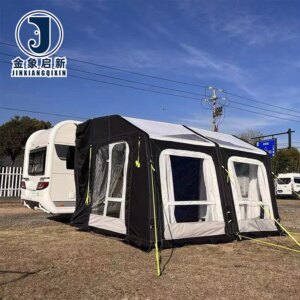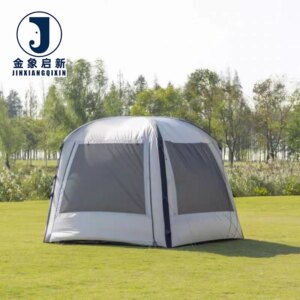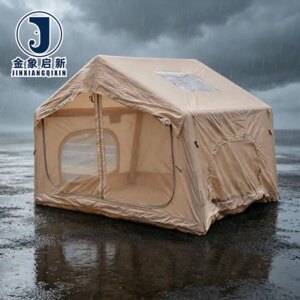
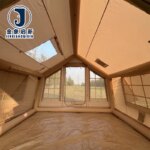
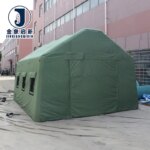
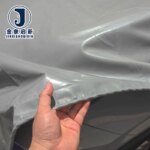
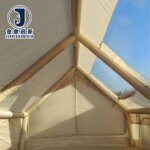
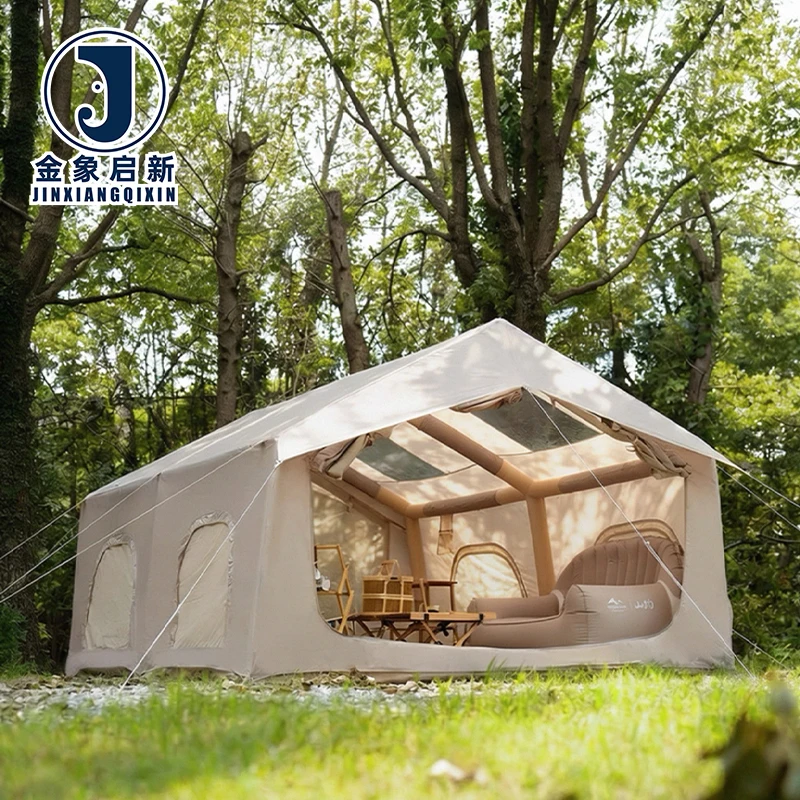
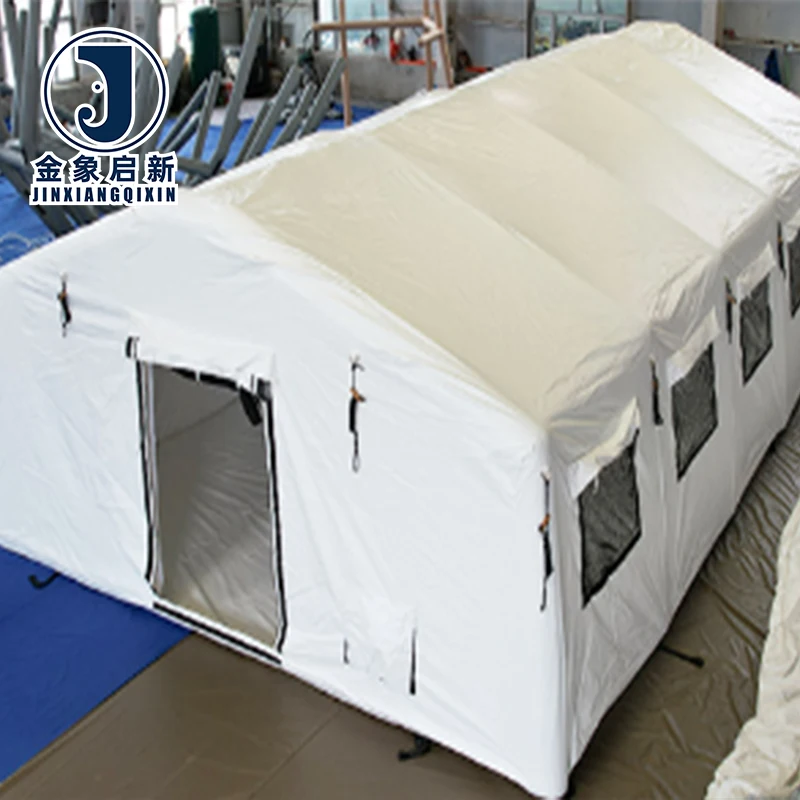
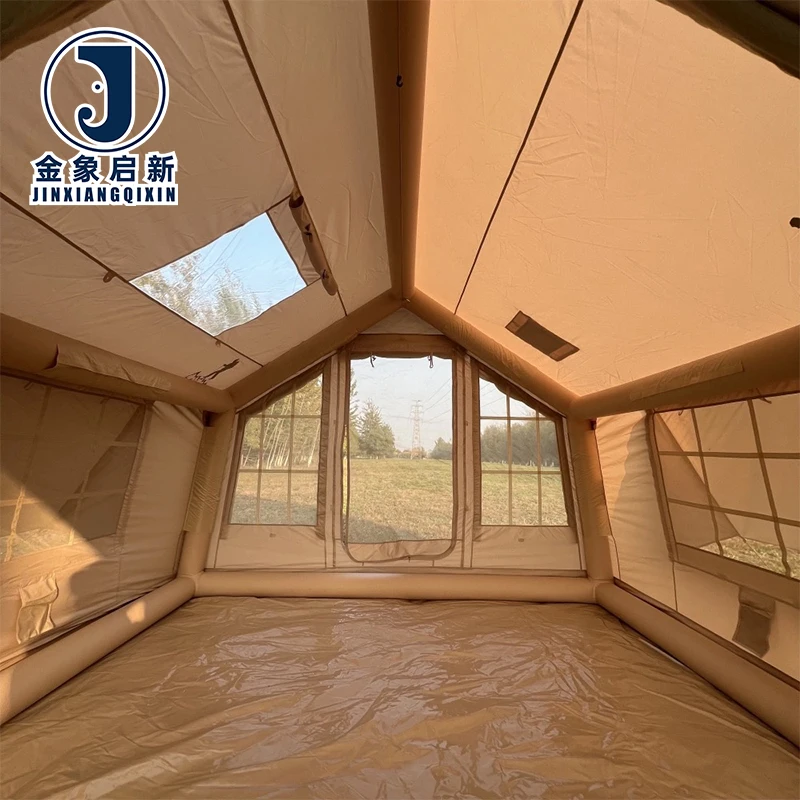
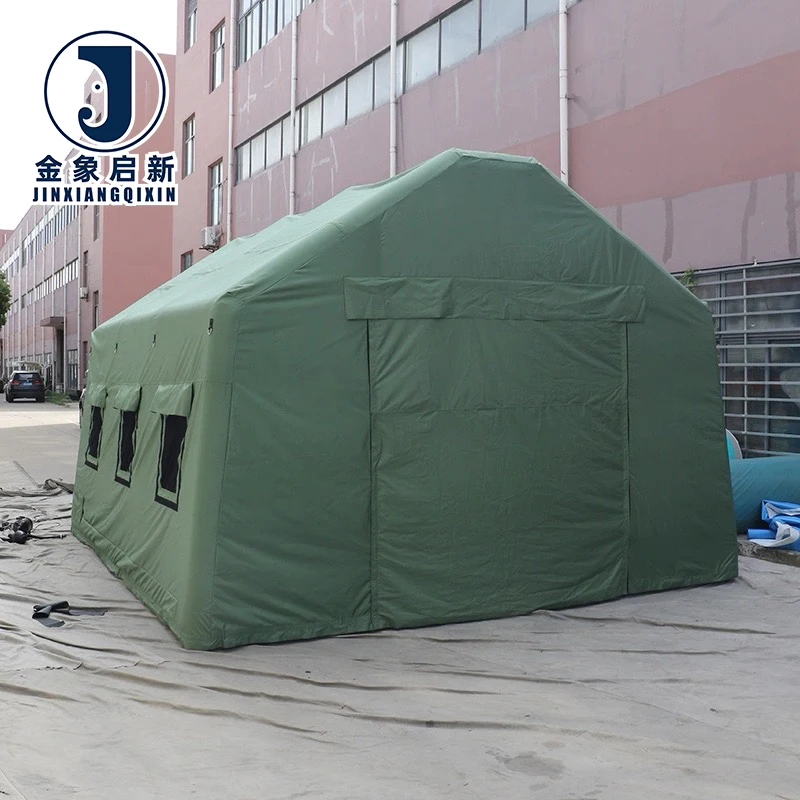
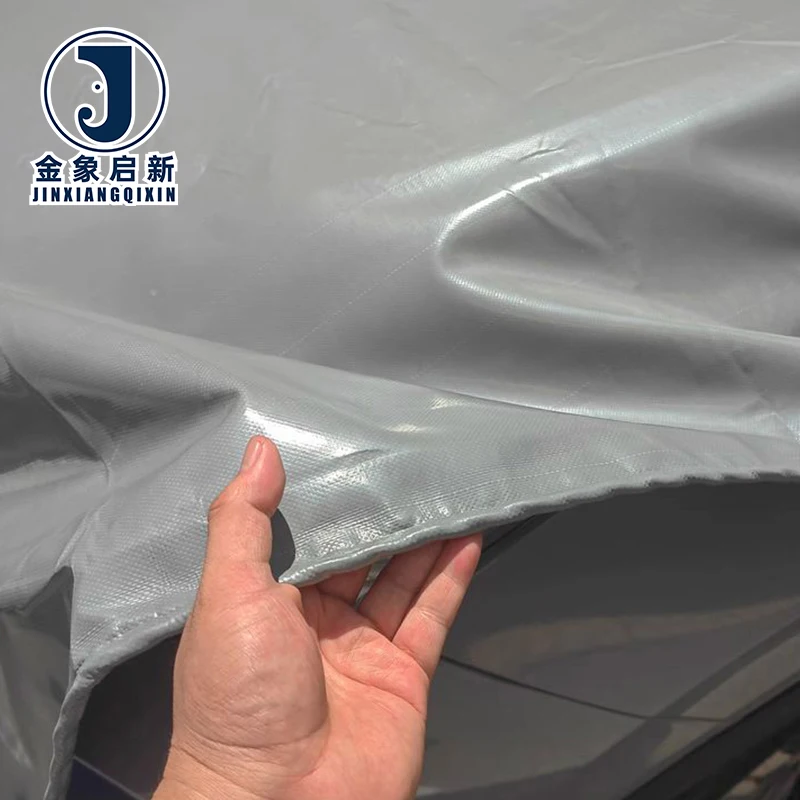
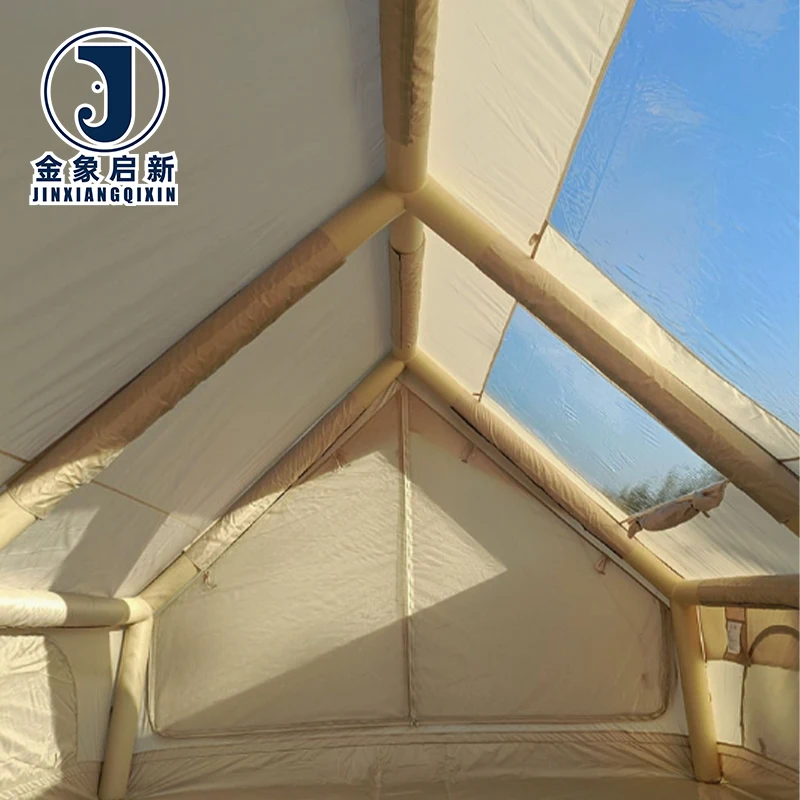
Certified Technical Fabric — Every roll of inflatable tent fabric ships with batch-specific compliance documentation verified against ISO and CE standards, eliminating uncertified material risk on regulated job sites.
Technical Specifications
| Parameter | Value |
|---|---|
| Product Type | Inflatable Tent Fabric |
| Core Material | PVC tarpaulin |
| Construction | Single-layer |
| Tear Strength | 300N per ISO 13934-1 |
| Temperature Range | -20°C to 60°C (validated through temperature cycling tests) |
| Waterproof Performance | Hydrostatic pressure resistance exceeding industry standards (exact rating not stated in source) |
| UV Treatment | UV-stabilized additives in fabric matrix (test basis not stated in source) |
| Pressure Retention Test | 24-hour testing before shipment |
| Customization | OEM & ODM — sample customization, pattern printing, dimensions, color, reinforcement locations |
| Certifications | ISO 9001, ISO 14001, ISO 45001, CE |
Application Suitability
| Application | Exposure & Requirement |
|---|---|
| Mining ventilation enclosures | Continuous particulate exposure, underground humidity, fire-retardant compliance mandated by site safety regulation |
| Tunnelling inflatable shelters | Confined-space deployment, mechanical abrasion from equipment movement, certified material documentation required at site entry |
| Aviation ground support structures | Fuel vapour proximity, rapid inflation-deflation cycles, anti-static surface requirements for tarmac operations |
| Temporary emergency command centers | All-weather exposure, repeated assembly and teardown, reliable air retention under temperature fluctuation |
| Specialist membrane structures | Architectural wind loading, prolonged UV exposure, documented material traceability for project handover |
What Happens When Inflatable Tent Fabric Arrives Without Certified Test Documentation
Every shipment carries batch-specific test reports matched to the material specification sheet, so site inspectors verify compliance before the structure is inflated.
Mining and tunnelling contractors routinely face a situation where inflatable shelter fabric arrives on site, and the safety officer asks for fire-retardant or anti-static certification that the supplier never provided. The structure sits deflated while procurement scrambles for paperwork, delaying the entire operation. [NEED_CITE: ISO 13934-1 tensile test method for textiles and coated fabrics]
In aviation ground support, uncertified inflatable enclosures introduce liability that extends beyond material failure — if an incident occurs and the fabric documentation does not match the site’s regulatory framework, responsibility falls on the contractor who specified it. This is where certified inflatable tent fabric with verifiable compliance records separates a reliable supply chain from a project-delay risk.
Compliance Documentation That Matches the Job Site Audit Trail
Mining and tunnelling sites operate under strict safety frameworks that require every material entering the zone to carry traceable certification. Inflatable tent fabric fire retardant certified to documented standards means the material specification sheet, batch inspection report and certificates of analysis travel with each shipment. Site auditors match the paperwork to the physical roll before inflation begins, removing the gap between what was quoted and what arrives on the ground.
Temperature Cycling Validation Across Deployment Zones
Inflatable structures deployed in high-altitude mining operations face sub-zero nights and direct solar heating during the day. The fabric matrix maintains performance integrity from -20°C to 60°C, a range validated through temperature cycling tests. This validation matters because PVC compounds behave differently at thermal extremes — low temperatures increase stiffness and brittleness risk at fold lines, while high temperatures soften the coating and reduce seam adhesion under sustained inflation pressure. [NEED_CITE: temperature cycling test protocols for PVC coated technical fabrics]
Material Integrity Under Inflation Load and Wind Stress
Single-layer PVC tarpaulin construction balances transport weight against structural demands. Tear strength tested to 300N per ISO 13934-1 indicates how the fabric resists propagation once a puncture or cut initiates — a critical factor when inflatable structures face wind gust loading or contact with sharp equipment during deployment. The single-layer design keeps packed volume manageable for logistics while the PVC coating provides the air barrier necessary for sustained pressure retention, confirmed through 24-hour pressure testing before dispatch.
Reading the Specification Sheet Beyond Surface Numbers
Tear strength measured at 300N under ISO 13934-1 reflects the force required to propagate a tear through the coated fabric. This value depends on base fabric denier, weave density and coating adhesion working together — a heavier coating weight does not compensate for a loosely woven base cloth. The single-layer construction means all structural performance comes from one integrated material system, so the relationship between base fabric specification and coating bond strength directly determines how the fabric behaves under the combined stress of internal inflation pressure and external wind load. Temperature range boundaries at -20°C and 60°C define the operating envelope where the PVC compound retains flexibility without embrittlement or excessive softening, which directly affects seam integrity during inflation cycles.
The Cost of Specifying Fabric Without Verified Performance Data
Contractors who accept inflatable tent fabric based on quoted specifications alone, without requiring batch-specific test documentation, face consequences that emerge at the worst possible moment. Material that arrives lighter than stated on the quotation tears at inflation stress points. Fabric claimed to carry UV-stabilized additives degrades under continuous sun exposure far sooner than expected, forcing premature replacement mid-project. Welded seams on uncertified material fail at flex points because the coating adhesion was never verified against the stated specification. [NEED_CITE: coating adhesion and weld failure analysis in PVC technical textiles]
Why Technical Buyers Source Inflatable Structure Fabric Here
Three full production lines and 36 sets of processing equipment maintain output volume without sacrificing the process control required for consistent coating weight and adhesion across every roll.
A 10-technician R&D team handles material selection, custom dimensions, reinforcement placement and sample development, delivering specification-validated samples within 7–10 business days before full production commitment.
Dedicated QA and QC personnel conduct inspection at every production stage, with 24-hour pressure retention testing on every inflatable structure before it ships — not a sampling protocol, but a complete unit check.
ISO 9001, ISO 14001, ISO 45001 and CE certifications frame the management systems, while batch-specific quality inspection reports provide the actual test data that site auditors require for compliance verification.
Full-process quality control from raw material intake through pre-shipment inspection ensures that the fabric specification stated at quotation is the fabric specification delivered at the loading dock.
Documentation & Verification
- Material specification sheet listing base fabric, coating composition, tear strength and temperature range for each order
- Batch-specific quality inspection report with tensile strength and UV resistance test results tied to production lot
- ISO 9001, ISO 14001, ISO 45001 and CE certificates accompanying every shipment for site compliance audits
- Certificates of analysis for raw materials available on request by order number
- 24-hour pressure retention test record confirming air tightness before dispatch
- Pre-shipment inspection record documenting roll condition and packaging integrity
Fabrication, Handling & Storage
- Heat welding parameters must match the single-layer PVC coating thickness to achieve full seam adhesion without burning through
- Store rolls on flat racking to prevent permanent creasing in the PVC coating matrix that weakens at fold lines
- Inflate test structures in ambient temperatures within the -20°C to 60°C validated range to confirm seam and air barrier integrity
- Use PVC-compatible cleaners only, as solvent-based products degrade the UV-stabilized additives in the fabric surface
- Cut patterns should account for single-layer construction with no secondary lamination to compensate for seam stress concentration
- Reinforcement patches at high-load points must be heat welded with compatible PVC compound to maintain coating bond continuity
Request a Specification-Matched Quote for Your Project
To move forward, share the deployment environment including altitude, temperature extremes and regulatory jurisdiction so the correct compliance framework applies. Confirm whether finished inflatable structures or raw fabric rolls are needed, along with required dimensions and reinforcement placement. Specify any pattern printing, color requirements or custom width needs to determine production scheduling.
Frequently Asked Questions
Q: What fire-retardant grades are available for inflatable tent fabric and how do I confirm compliance for my market?
A: Inflatable tent fabric is available in fire-retardant grades — confirm the specific grade required for your market’s safety regulations before ordering. Each shipment can include a batch-specific test report documenting the fire-retardant classification. The 10-technician R&D team cross-references your local compliance framework during the specification recommendation stage to ensure the material matches site audit requirements.
Q: Is anti-static certification available for mining and tunnelling inflatable applications?
A: Anti-static treatment is available for inflatable tent fabric used in mining and tunnelling environments where surface resistance documentation is required at site entry. Specify the anti-static performance standard your site safety framework mandates, and the batch inspection report will include surface resistance test results. Request the material specification sheet early in the inquiry process to validate suitability before production begins.
Q: How is the temperature cycling range validated and what does it mean for deployment planning?
A: The -20°C to 60°C range is validated through temperature cycling tests that confirm the PVC compound maintains flexibility at low temperatures and coating adhesion at high temperatures. For deployment planning, this defines the ambient operating envelope where the inflatable structure performs reliably. Environments outside this range require material specification review with the technical team before production commitment.
Q: What does the 24-hour pressure retention test verify before shipment?
A: Every inflatable structure undergoes 24-hour pressure retention testing to confirm air tightness across all welded seams and the single-layer PVC coating surface before dispatch. This test detects micro-leaks that shorter inspections would miss, ensuring the structure holds inflation pressure throughout deployment. The test record accompanies the shipment as part of the batch-specific quality documentation package.
Q: What customization options are available for specialist inflatable structures?
A: OEM and ODM customization covers dimensions, color, pattern printing and reinforcement locations specific to your inflatable structure design. Sample customization is completed within 7–10 business days for specification validation before full production. The R&D team works from your engineering drawings or application description to recommend base fabric and coating parameters that meet your structural and compliance requirements.