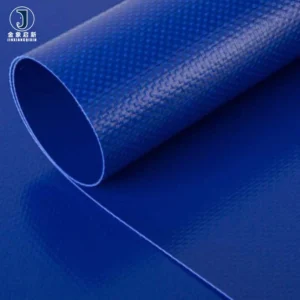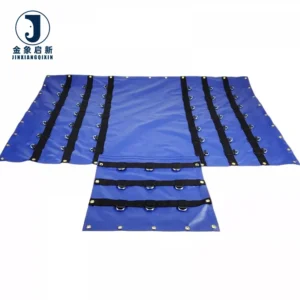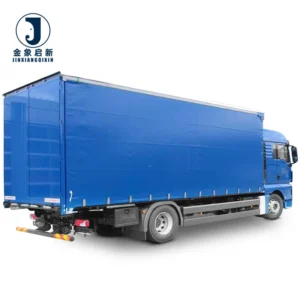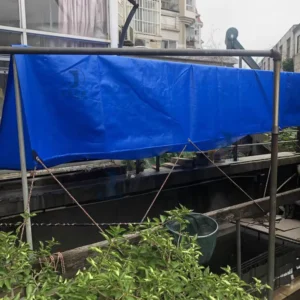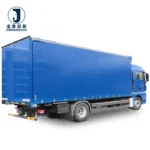
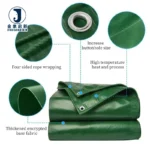
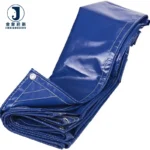

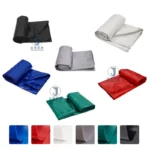
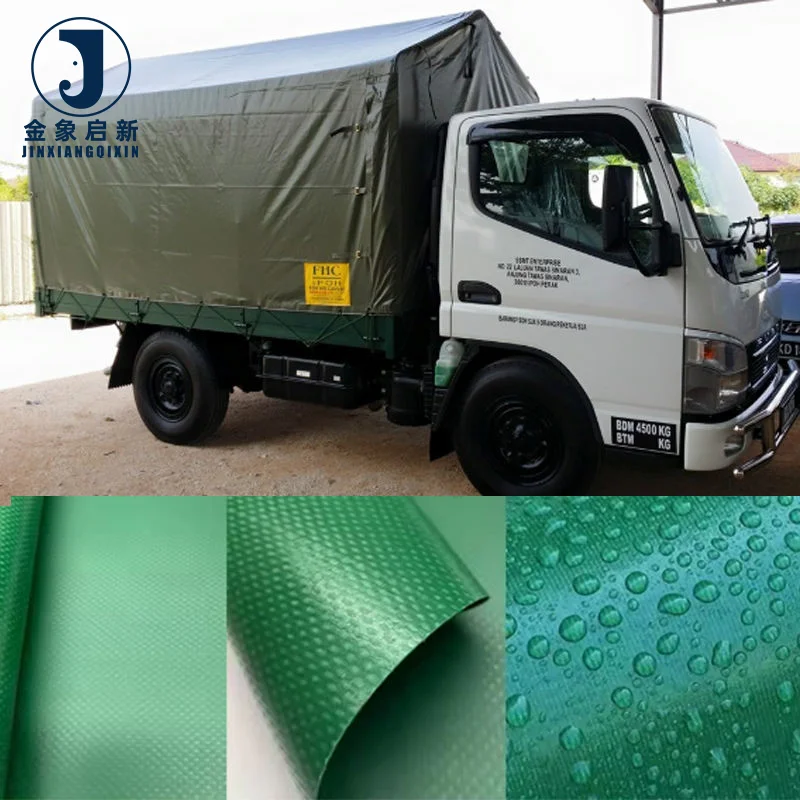
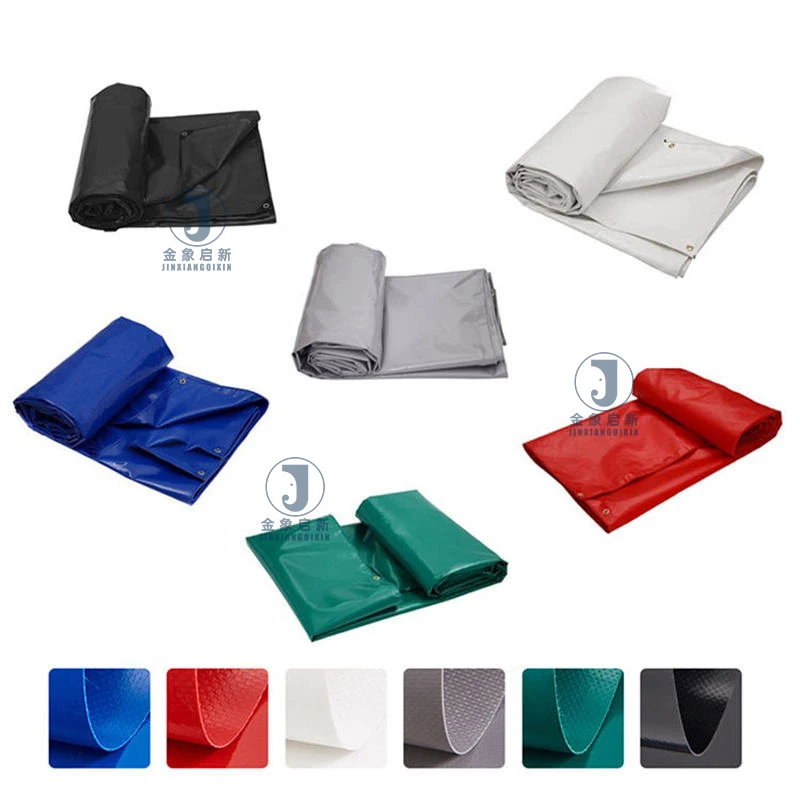
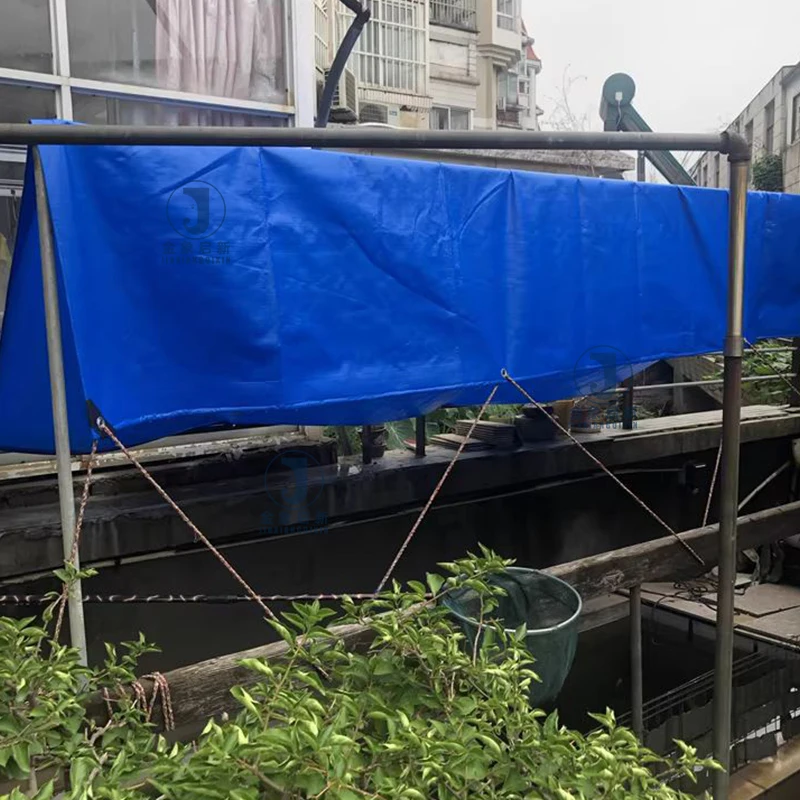
Technical fabric expertise — nearly 30 years focused on coated fabric with full process control over PVC coating adhesion, delivered with fire-retardant and anti-static documentation for regulated sites.
Technical Specifications
| Parameter | Value |
|---|---|
| Product Type | PVC Coated Tarpaulin Truck Cover / Side Curtain |
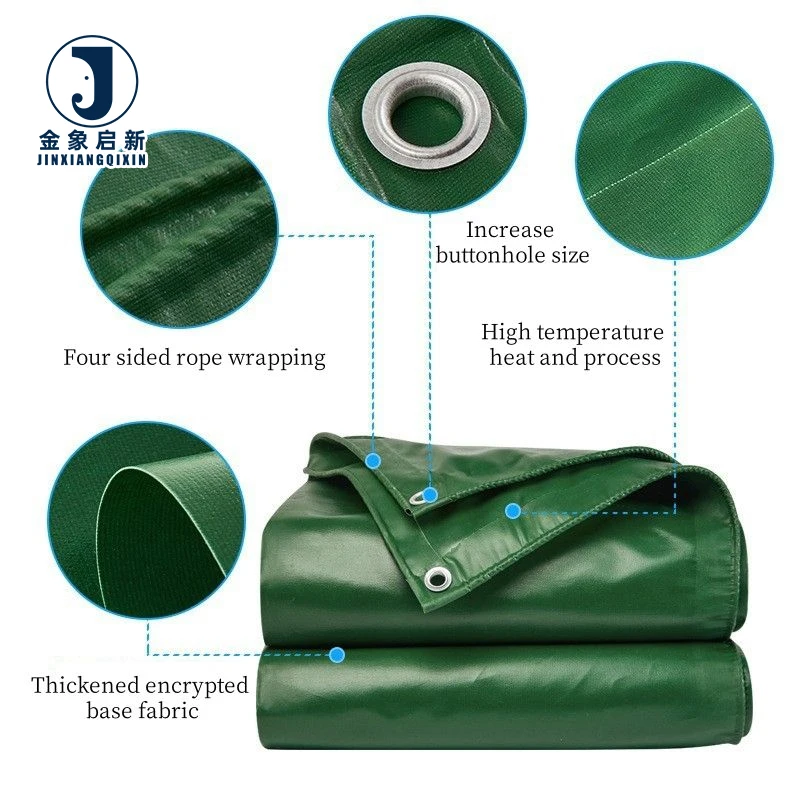
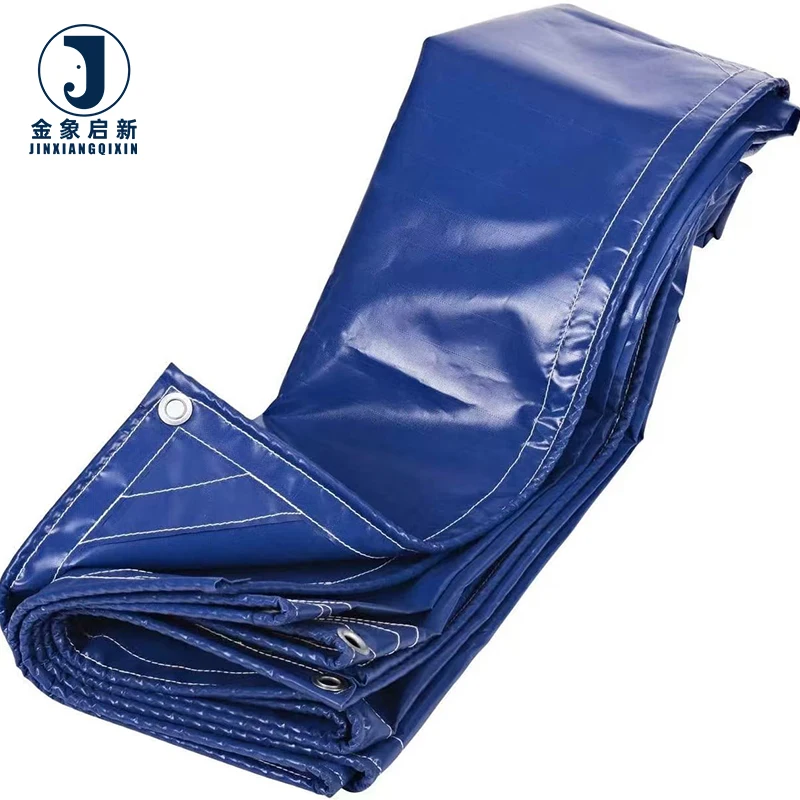
| Material | PVC coated tarpaulin |
| Construction | Double-faced coated |
| Water Resistance | Water resistant (verify against manufacturer catalog) |
| UV Treatment | Anti-UV treatment (verify against manufacturer catalog) |
| Flame Retardant | Flame retardant grade available (verify against manufacturer catalog) |
| Colors | Multiple colors available |
| Customization | Logo printing, custom sizing |
| Standards | ISO, CE |
Application Suitability
| Application | Exposure & Requirement |
|---|---|
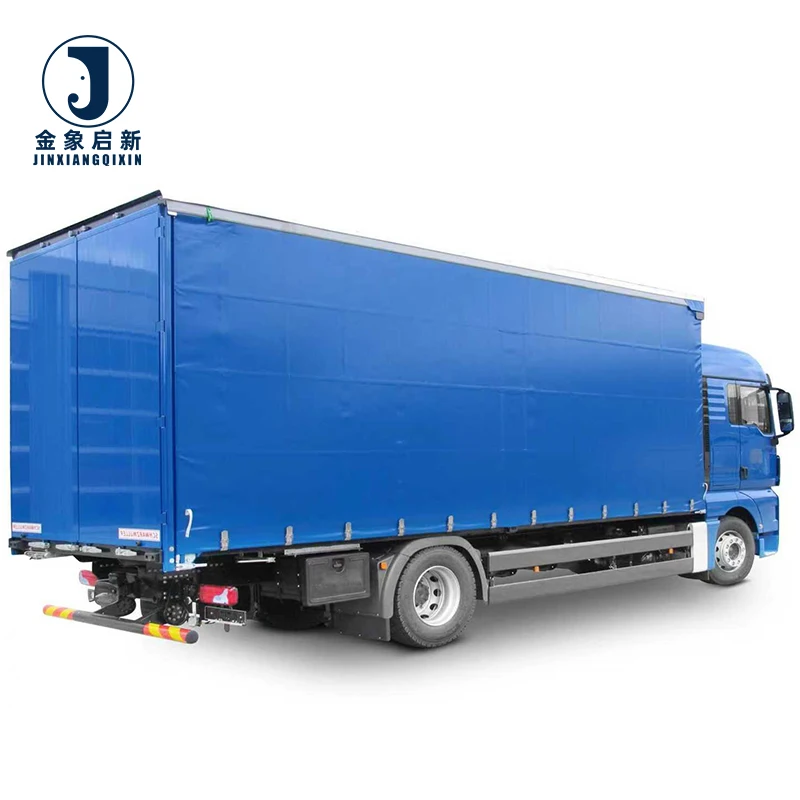
| Truck and trailer side curtains | Constant flexing at load points, road abrasion, UV and weather exposure |
| Fleet transport cargo covers | Rain, wind-driven debris, tie-down stress at hems and eyelets |
| Advertising truck tarpaulins | Outdoor visibility, colour consistency across panels, print adhesion on PVC surface |
| Temporary site enclosures | Wind load, dust containment, fire-retardant compliance on regulated sites |
Why "Flame Retardant" Means Nothing Without a Grade Behind It
A PVC truck tarpaulin fire retardant claim on a quotation is not a compliance document. Specify the exact grade your site or regional fire code demands, and verify the test report before approving the order.
Technical buyers and site safety officers routinely discover that the flame retardant designation on the paperwork does not correspond to the classification required by local building or mining regulations. A curtain installed in a tunnelling ventilation corridor or an aviation hangar must meet a specific standard — M2, B1 per DIN 4102, or NFPA 701 — not a generic label. When the grade is unstated at the inquiry stage, the fabric may pass a basic ignition test but fail the flame spread or smoke density criteria the inspector actually checks [NEED_CITE: DIN 4102 fire classification for building materials]. This mismatch causes rejected deliveries, work stoppages, and replacement orders under time pressure.
Fire-Retardant Compliance for Regulated Transport and Site Environments
Sites governed by mining, tunnelling, or aviation safety codes require PVC truck tarpaulin fire retardant documentation that names the classification and the test laboratory. Our approach is to confirm the target standard during the inquiry stage, then supply the corresponding test report alongside the material specification sheet. Double-faced PVC construction ensures both surfaces carry the same treatment, so the installed curtain performs consistently regardless of which side faces the hazard source.
Anti-Static Requirements in Confined and Dust-Sensitive Environments
Ventilation ducts and side curtains in mining or grain-handling environments can accumulate static charge across the PVC surface. Anti-static treatment is available for PVC coated truck tarpaulin applications where spark risk must be managed. The treatment is applied during the coating process and should be verified against the site’s electrostatic discharge threshold. Request the anti-static test basis matched to your compliance framework before confirming the production run [NEED_CITE: anti-static testing methods for industrial coated fabrics].
Reading the Specification Sheet Beyond the GSM Number
GSM alone does not determine how a PVC coated tarpaulin will perform under the cyclic flexing of a trailer side curtain. The base fabric denier and weave density govern tensile strength and tear propagation resistance, while the PVC coating weight controls abrasion resistance and waterproof integrity. Two fabrics at the same GSM can behave very differently if one uses a heavier base yarn with a thinner coat and the other reverses that ratio. Double-faced coating adds balanced load distribution across both surfaces, reducing the chance of delamination when the fabric flexes under road wind loads [NEED_CITE: tensile and tear test methods for coated fabrics per ISO 1421].
What Happens When the Grade Does Not Match the Site
Installing a side curtain or enclosure fabric without verified fire-retardant certification creates a compliance gap that often surfaces only at the site inspection. The contractor faces a choice between halting operations to replace the material or requesting a retrospective test, both of which carry significant cost and schedule impact. Colour variation between rolls in the same order compounds the problem when replacement panels must be sourced from a different batch. Welded seams that fail before the fabric body does are another consequence of specifying on price rather than on verified coating adhesion and process control [NEED_CITE: weld seam strength testing for PVC coated fabrics].
Why Technical Buyers Source This Fabric Here
Process control over PVC coating weight and adhesion is maintained across three full production lines, supporting consistent output for fleet-scale orders. A dedicated 10-person R&D team handles material selection and sample development for fire-retardant and anti-static grades, producing samples within days for custom requirements. Every production run undergoes 100% inspection before shipment, with pre-shipment records documenting GSM, colour, and coating integrity roll by roll. Documentation packages include ISO and CE certificates alongside the material specification sheet and test reports applicable to the order.
Documentation & Verification
- Material specification sheet stating GSM, base fabric denier, coating weight, and colour reference per roll
- Test report for flame-retardant grade where applicable, matched to M2, B1, NFPA 701, or DIN 4102
- Anti-static test documentation for orders specifying static-dissipative treatment
- Pre-shipment inspection record confirming 100% QA coverage before dispatch
- ISO and CE certificates included in the documentation package with every shipment
- Certificate of origin and customs documentation for cross-border delivery
Fabrication, Handling & Storage
- Heat-weld double-faced PVC seams using temperature and dwell settings matched to the coating weight to prevent delamination at flex points
- Reinforce hem and eyelet zones with additional PVC strips to distribute tie-down loads across the base fabric weave
- Store rolls upright on pallets in a dry, shaded area to prevent flat-spot deformation and surface marking
- Allow cold-stored rolls to reach ambient temperature before unrolling to avoid cracking the PVC coating
- Use PVC-compatible cleaners only; solvent-based products can soften the coating and degrade print adhesion
- Plan panel cutting layout to minimise offcut waste and position welded seams away from maximum flex zones
Specifying the Right Fabric for Your Application
Provide the site compliance standard or fire classification your project requires, along with the installation environment — whether enclosed ventilation, open-road transport, or temporary site enclosure. Confirm the required roll width, colour reference, and whether you need cut-to-size panels or full roll stock. If anti-static treatment is mandated by your safety protocol, state the discharge threshold so the correct formulation can be matched.
Frequently Asked Questions
Q: How do I confirm the correct flame retardant grade for my site?
A: Identify the fire classification your local regulator or site safety plan requires — such as M2, B1 per DIN 4102, or NFPA 701 — and state this in your inquiry. We supply the corresponding test report with the material documentation so you can verify compliance before installation.
Q: Can you supply anti-static PVC fabric for mining or tunnel ventilation use?
A: Yes. Anti-static treatment is available for PVC coated tarpaulin used in dust-sensitive or confined environments. State your electrostatic discharge requirement at the inquiry stage so we can match the formulation and provide the relevant test documentation with your order.
Q: How is GSM verified before shipment?
A: Every roll is sampled and weighed during pre-shipment inspection. The inspection record documents the measured GSM against the specification sheet value. This record is included in the dispatch documentation so you can cross-check on receipt.
Q: Will colour match across multiple rolls in a fleet-size order?
A: Roll-to-roll colour consistency is controlled through batch-level pigment dosing and in-process QA checks. For fleet orders requiring panels installed side by side, we recommend requesting a sample panel for visual approval before full production begins.