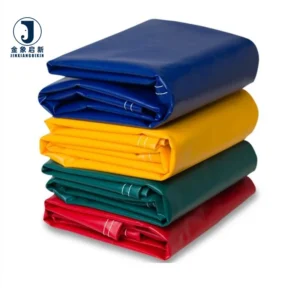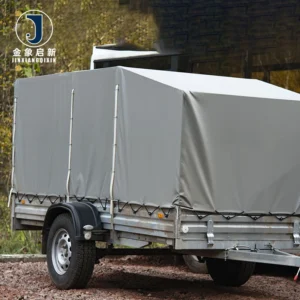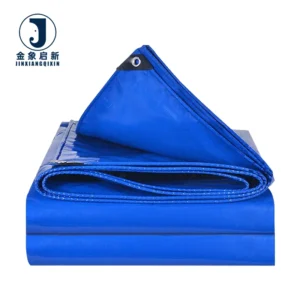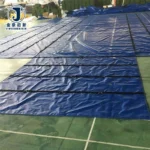
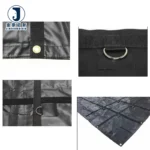
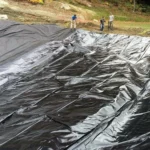
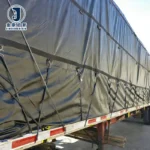
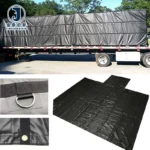
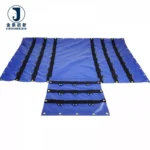
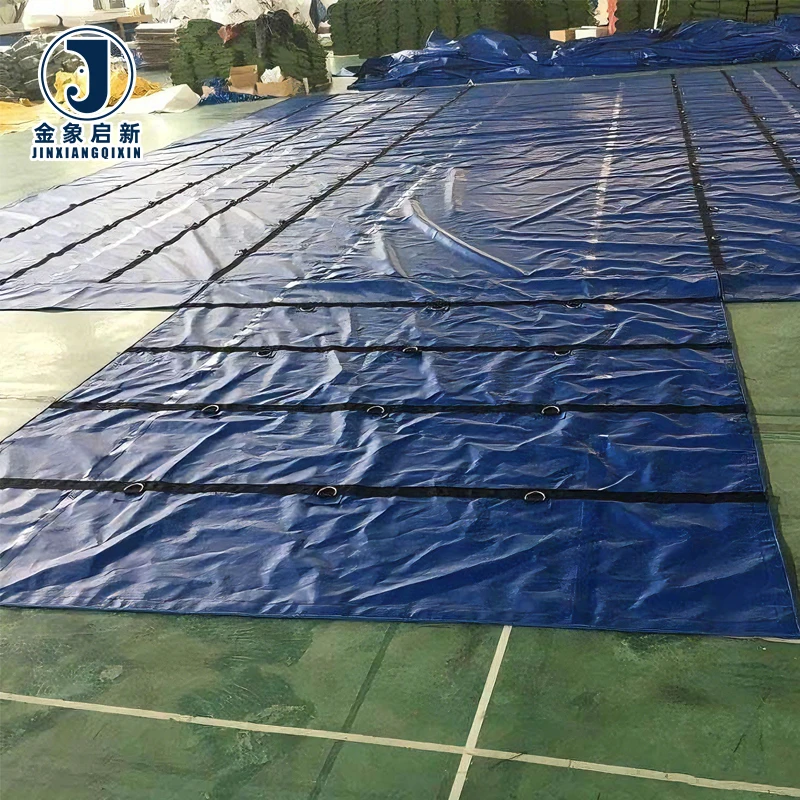
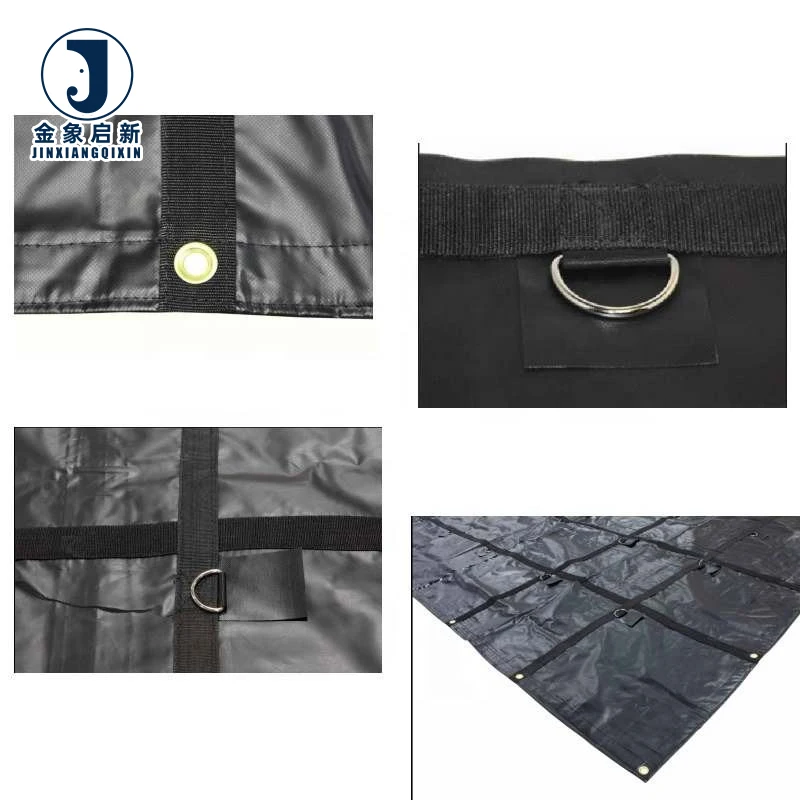
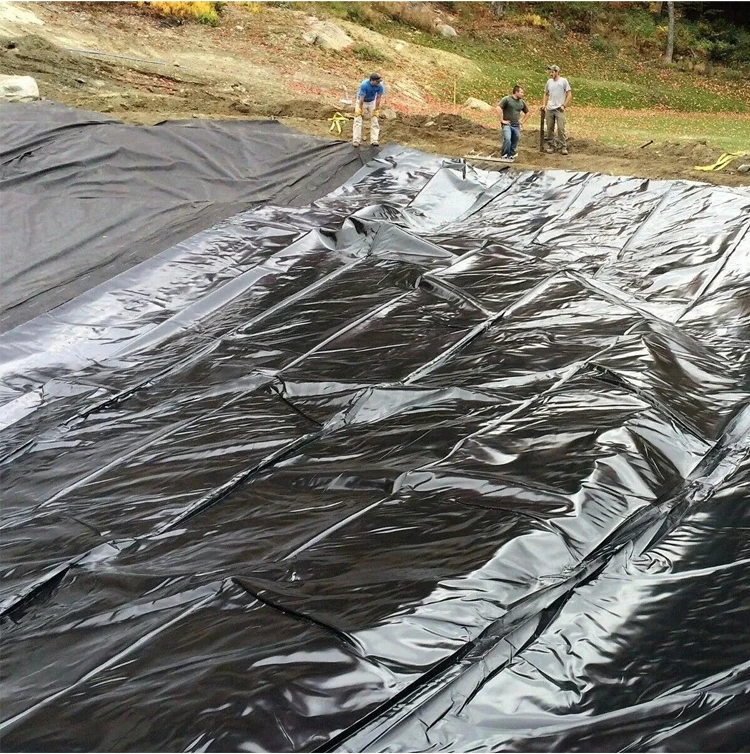
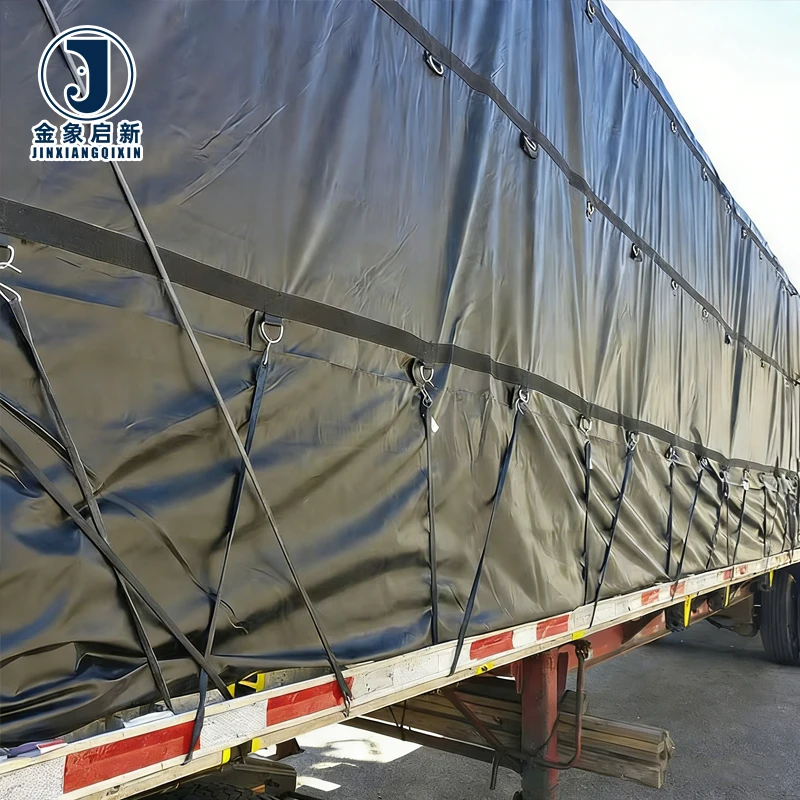
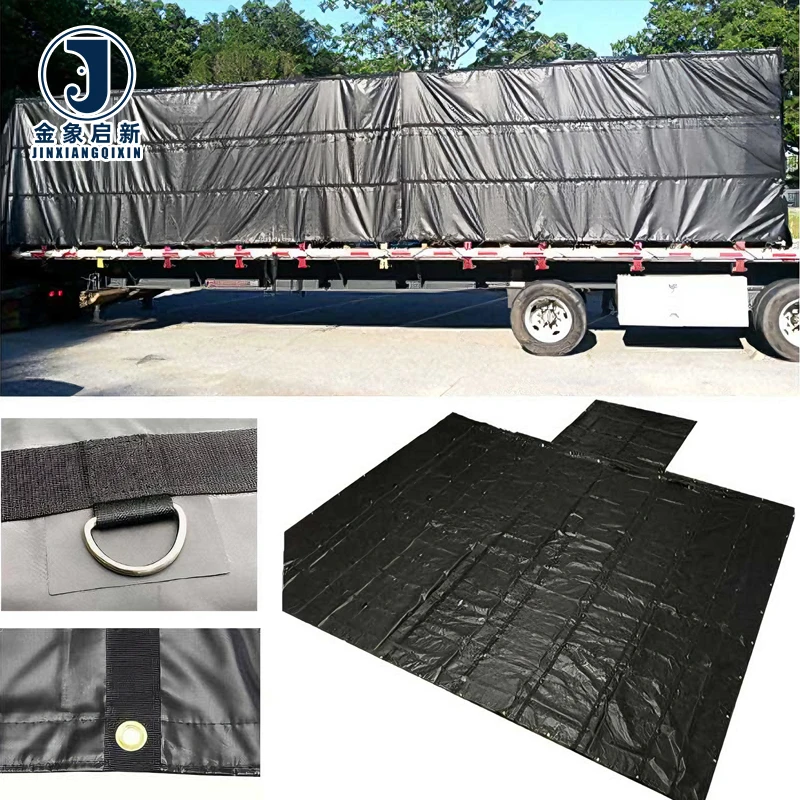
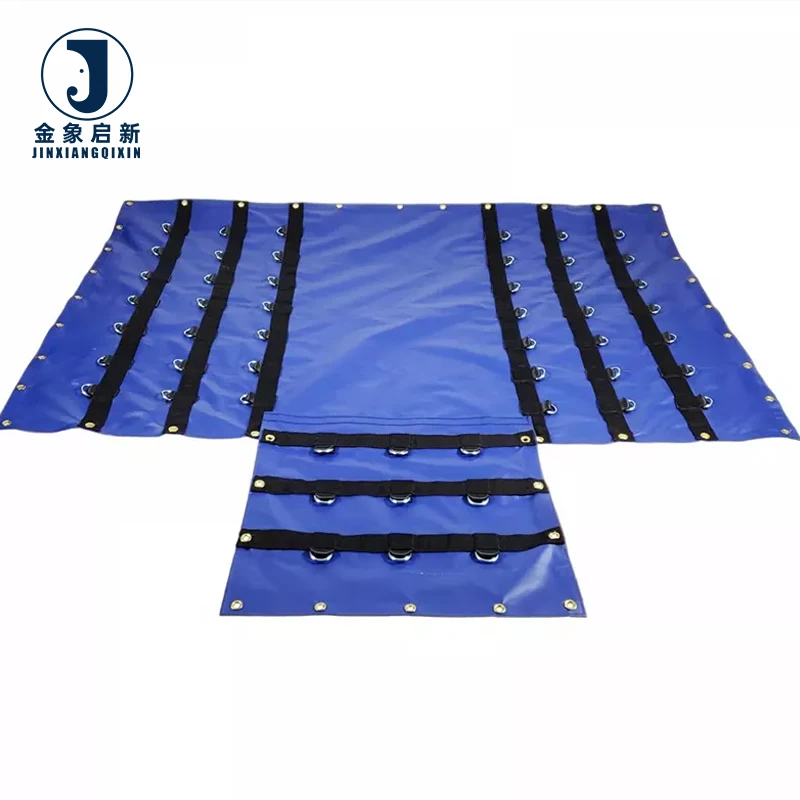
Coated Fabric Process Control — Three dedicated production lines and 36 sets of specialist equipment maintain consistent PVC coating weight and adhesion across every roll, with 100% pre-shipment inspection catching defects before they reach your site.
Technical Specifications
| Parameter | Value |
|---|---|
| Product Type | PVC Coated Tarpaulin |
| Coating Material | PVC |
| Flame Retardant | Available in flame retardant grades — confirm the grade required for your market |
| Anti-Static | Available in anti-static grades — confirm the surface resistance specification for your application |
| Anti-Cold | Anti-cold treatment available |
| Anti-Mildew | Anti-mildew treatment available |
| Weather Resistance | 1–3 years outdoor life assurance |
| Strength | High strength construction to resist handling damage during installation |
| Certifications | ISO, CE |
Application Suitability
| Application | Exposure & Requirement |
|---|---|
| Mining and tunnelling ventilation ducts | Continuous airflow, high humidity, rock dust abrasion, mandatory fire-retardant and anti-static compliance |
| Aviation ground support ducting | Fuel-rich environment, electrostatic ignition risk, tight regulatory oversight |
| Truck and trailer cargo covers | Road debris impact, UV exposure, repeated flexing at load-bearing tie-down points |
| Industrial equipment and pallet covers | Chemical splash, outdoor weathering, long-term static load |
What "Flame Retardant" Means Without a Grade Behind It
A flame retardant claim without a documented test standard leaves you exposed at the site safety audit.
Mining and tunnelling projects increasingly require ventilation duct fabric to pass site-specific fire safety inspections before installation begins. The purchase order may state "flame retardant," but site safety officers look for the grade — M2, B1 per DIN 4102, NFPA 701, or a local equivalent — and the test report that supports it. When the documentation does not match the specification, the fabric sits in the laydown area while your crew waits for clearance. [NEED_CITE: fire safety compliance requirements for underground ventilation fabric in mining operations]
The PVC coated tarpaulin fire retardant anti-static certified range we supply is produced with treatment formulations matched to your target market’s regulatory framework. The grade is confirmed at the quotation stage, and the corresponding test report ships with the batch.
Ventilation Duct and Specialist Cover Fabric Built for Compliance
When your site specification calls for documented fire-retardant and anti-static performance, the material must carry both treatment and the paperwork to prove it. This PVC coated tarpaulin fire retardant anti-static certified fabric is engineered for environments where electrostatic discharge poses an ignition hazard and where flame spread must be contained. Mining, tunnelling and aviation ground support contractors specify this grade because site safety audits demand traceable compliance, not verbal assurances.
Treatment Verification at Every Production Stage
Each roll undergoes in-process QA checks that confirm coating weight consistency and treatment application uniformity before the material leaves the production line. [NEED_CITE: in-process quality assurance methods for PVC coated fabric treatment verification] Anti-cold formulation is validated to maintain flexibility under the low-temperature conditions found in underground mining ventilation circuits, while anti-mildew treatment addresses the persistent humidity in tunnel and marine duct applications. The 10-person R&D team reviews each order’s treatment specification against the end-use environment, adjusting formulation when the standard option does not align with site conditions.
How Base Fabric, Coating Weight and Treatment Interact
The relationship between base fabric denier, weave density and PVC coating weight determines how the finished fabric performs under load. Higher denier yarns and tighter weave patterns improve tensile and tear strength, but the coating weight must be sufficient to fully encapsulate the yarn structure — otherwise the fabric may show adequate strength on paper yet fail at the coating-to-yarn interface under sustained flexing. Flame retardant and anti-static treatments are applied during or after the coating stage, and their effectiveness depends on achieving a uniform distribution across the full coating surface; uneven application can leave untreated zones that compromise compliance at test.
The Cost of Specification Gaps on Arrival
Fabric that arrives lighter than the quoted GSM, with a flame retardant claim unsupported by a test report, or with colour variation across rolls in the same shipment creates downstream problems that compound quickly. Ventilation ducts fabricated from non-compliant material must be removed and replaced before the system can be commissioned. [NEED_CITE: consequences of unverified flame retardant claims in mining ventilation duct installations] Cargo covers cut to a generic size that does not match the trailer model leave load edges exposed and accelerate wear at poorly reinforced tie-down points.
Why Specialist Buyers Specify This Fabric
The production facility operates three full lines with 36 sets of specialist equipment, providing the capacity to deliver bulk roll orders on schedule without cutting corners on treatment application. Pre-shipment inspection covers 100% of rolls, with records provided to the buyer before dispatch so that documentation gaps are resolved before the container is sealed. Custom width, length and treatment combinations are supported by the R&D team, who develop samples within days for projects requiring validation before full production commitment. Every order ships with the material specification sheet, applicable test reports and certificates needed for site compliance audits.
Documentation & Verification
- Material specification sheet confirming coating material, treatment options and applicable certifications for each roll
- Flame retardant and anti-static test reports issued per batch, matched to the grade on the purchase order
- ISO and CE certificates included in the shipment documentation package
- Pre-shipment inspection record verifying coating consistency and treatment application across the full order
- Certificate of origin and customs documentation prepared for export compliance
Fabrication, Handling & Storage
- Heat welding parameters should be adjusted to the PVC coating thickness to achieve full seam penetration without burning through the coating layer
- Reinforce eyelet and tie-down zones with additional PVC patches to distribute load across the high-strength base fabric
- Store rolls upright on end caps in dry, shaded conditions to prevent flat-spotting and coating adhesion loss
- Anti-cold treated rolls should be allowed to acclimatise on site before unrolling to avoid crease damage at low temperatures
- Use mild detergent for cleaning; avoid solvent-based products that may degrade the anti-mildew or anti-static treatment layer
What to Include in Your Enquiry
Provide the ventilation duct diameter or cargo cover dimensions, the fire-retardant and anti-static grade required by your site safety specification, and the annual volume or project roll count. Confirm whether you need full-width rolls or pre-cut sheets with welded seams and eyelet reinforcement, and whether anti-cold or anti-mildew treatment is necessary for your operating environment. Sample rolls can be produced for compliance testing before the full order enters production.
Frequently Asked Questions
Q: What fire-retardant grades are available and how do they align with mining or construction regulations?
A: Flame retardant treatment is formulated to match the grade required by your project — such as M2, B1, or NFPA 701. Confirm the specific standard your site safety officer requires at the enquiry stage so the correct formulation and test report are prepared with the shipment.
Q: How is anti-static performance measured and what surface resistance values can be certified?
A: Anti-static treatment targets surface resistance values aligned with your operating environment’s ignition risk classification. Specify the surface resistance range your compliance framework requires, and the test report accompanying the batch will document the measured value for audit purposes.
Q: Do test reports accompany each batch to verify treatment effectiveness?
A: Every shipment includes flame retardant and anti-static test reports corresponding to the grades specified on the purchase order. The 100% pre-shipment inspection confirms treatment application consistency across all rolls before documentation is finalised and dispatch is authorised.
Q: How does anti-cold treatment affect low-temperature flexibility?
A: Anti-cold formulation maintains PVC flexibility under the sub-ambient conditions typical in underground mining and tunnelling ventilation circuits. The specific operating temperature range depends on the formulation selected — confirm your site’s minimum expected temperature so the appropriate grade is applied.
Q: Can custom duct diameters and cargo cover dimensions be produced with all treatments applied?
A: Custom widths, lengths and cut-to-size panels are produced with the full treatment package specified for your application. The R&D team develops samples for dimensional and compliance verification before the production run begins, ensuring both fit and certification requirements are met.