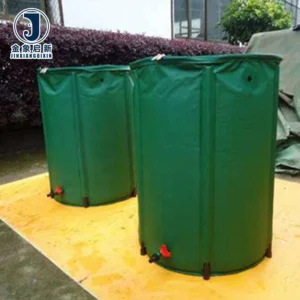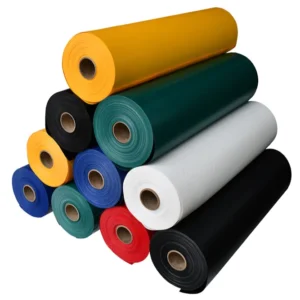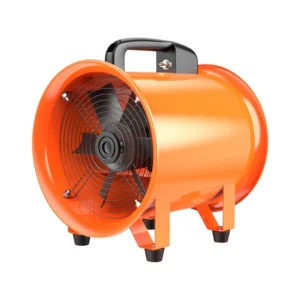

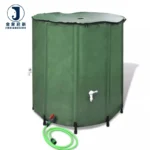
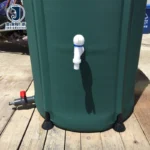
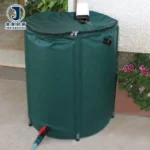
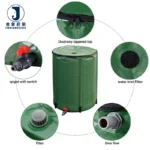
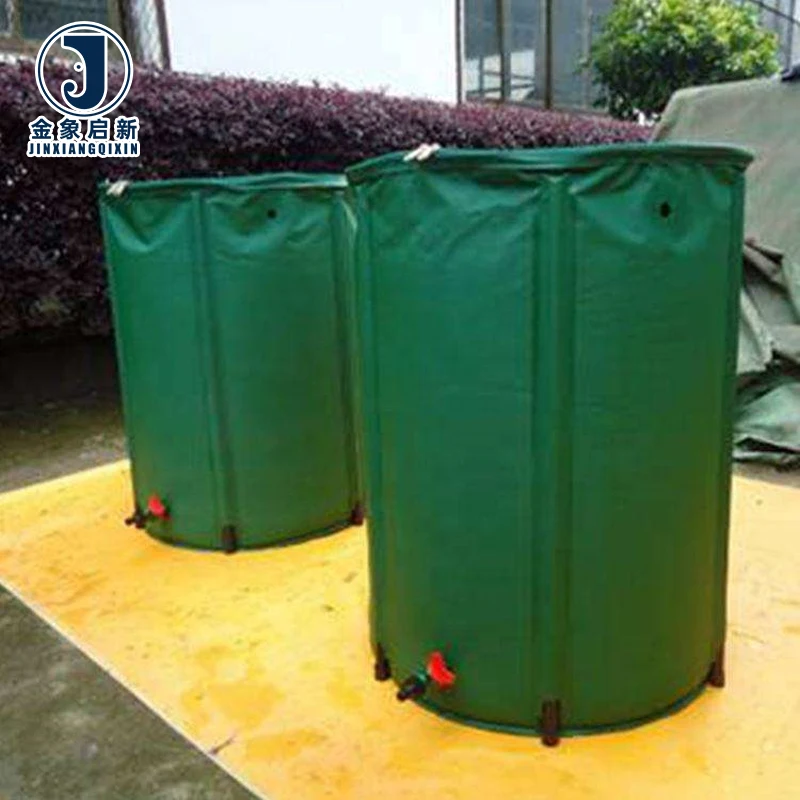
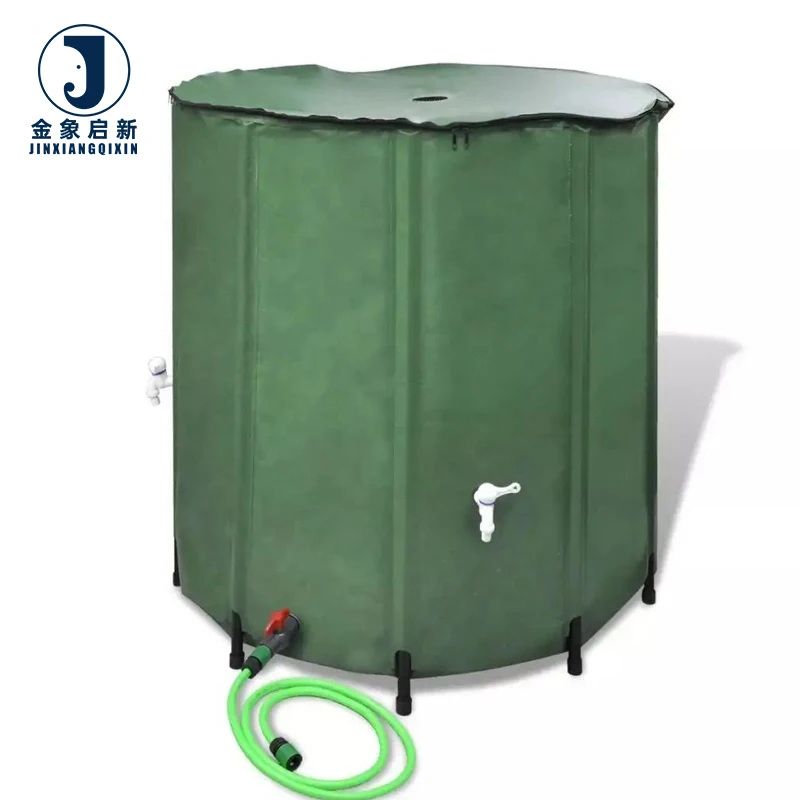
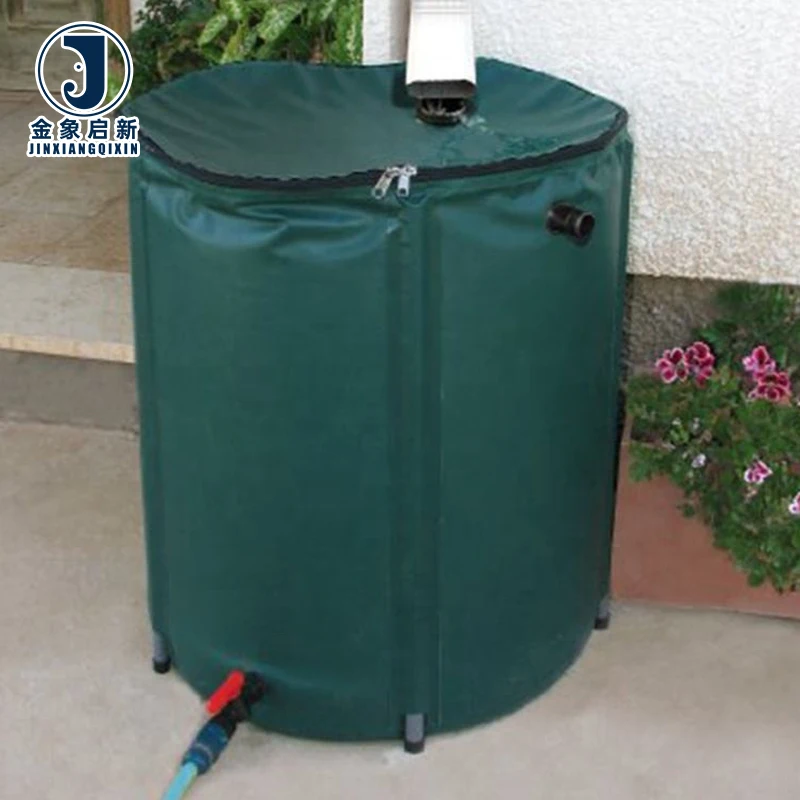
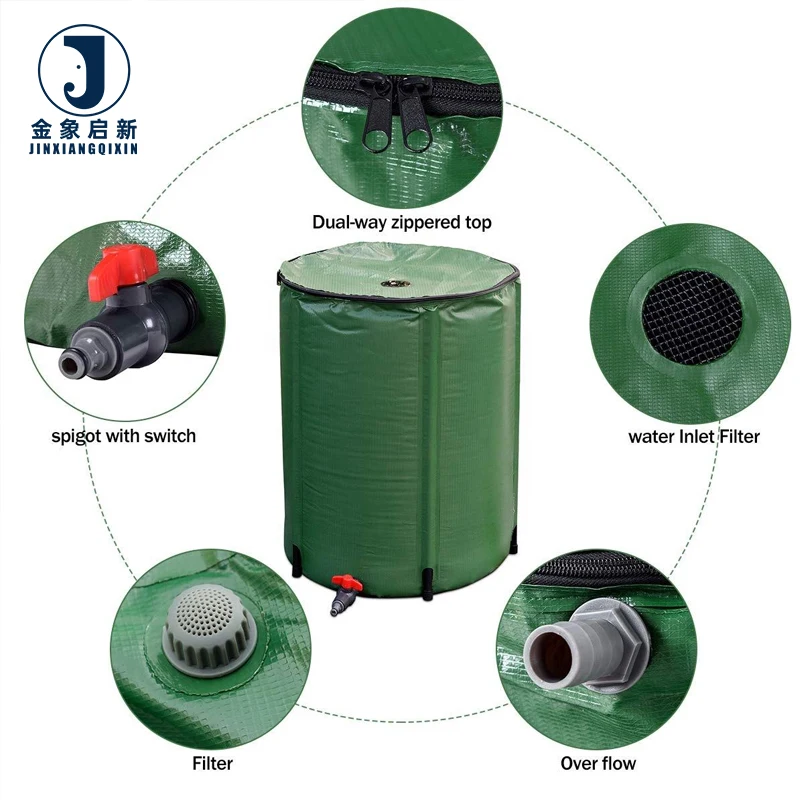
Process-Controlled Coating — every roll of PVC tarpaulin used in our collapsible water tanks is coated, welded and inspected on the same lines that produce our industrial ventilation duct fabric, ensuring identical adhesion and seam standards across product families.
Technical Specifications
| Parameter | Value |
|---|---|
| Product Type | PVC Tarpaulin Water Storage Tank |
| Capacity | 750L (family range: 100L / 225L / 250L / 1000L) |
| Coating Material | PVC Tarpaulin Fabric |
| Waterproof | Yes (source stated) |
| UV-Resistant | Yes (test basis not stated — confirm requirement) |
| Anti-Mildew | Yes (source stated) |
| Structure | Flexible, Collapsible, Foldable |
| Application Grade | Industrial Grade |
Application Suitability
| Application | Exposure & Requirement |
|---|---|
| Rainwater harvesting reservoir | Continuous outdoor UV exposure, standing water contact, seasonal temperature fluctuation |
| Agricultural irrigation buffer | Prolonged water immersion, algae and mildew risk, field-level abrasion during deployment |
| Hydroponic nutrient storage | Chemical contact with nutrient solutions, indoor or greenhouse humidity, frequent fill-drain cycles |
| Construction site dust suppression supply | Rough ground placement, forklift and boot traffic, exposure to cement dust and alkaline runoff |
| Remote camp emergency water supply | Flat-pack transport over long distances, rapid deployment, variable climate conditions |
Why Seam Integrity Decides Tank Life Before Fabric Does
A water bladder fails where it flexes, not where it sits.
Most field leaks on flexible water tanks originate at welded seams and fitting reinforcement points, not through the coated fabric itself [NEED_CITE: tensile and tear test methods for coated fabrics per ISO 1421]. When a 750L PVC tarpaulin water storage tank is half-empty and the wind shifts, the unsupported wall panels flex repeatedly against the welded joint. If the heat-weld temperature or dwell time was inconsistent, the seam peels apart long before the PVC coating reaches its own tensile limit. This is the single most common cause of early bladder replacement on agricultural and construction sites, and it is entirely preventable with in-process weld inspection.
Coating Weight Control From the Same Lines That Produce Duct Fabric
The PVC tarpaulin used in this collapsible water tank is coated on the same production lines that supply our fire-retardant and anti-static ventilation duct fabric. This means the coating weight, adhesion to the base fabric, and surface finish are held to the same process tolerances. For a water containment application, consistent coating weight directly determines whether the fabric holds a static head of water without weeping through micro-pinhooles.
Weld Verification Before the Tank Leaves the Factory
Every welded seam on the PVC tarpaulin water storage tank is inspected before dispatch. The heat-weld parameters — temperature, pressure and dwell time — are recorded per production batch, and each tank undergoes a visual and tactile seam check across all panels and fitting reinforcements [NEED_CITE: weld seam integrity standards for flexible liquid containment]. This mirrors the same inspection discipline applied to our mining and tunnelling ventilation ducts, where seam failure underground is not an acceptable outcome.
How PVC Formulation Affects Water Contact Suitability
The base PVC compound and plasticiser system used in the tarpaulin determine whether the tank is suitable for non-potable agricultural water, industrial process water, or potable water contact. Plasticiser migration into standing water can affect taste, promote biological growth, or conflict with hydroponic nutrient chemistry. Specify the intended water type at inquiry stage so the correct formulation is selected from the available coating grades.
Capacity, Dimensions and Fitting Configuration
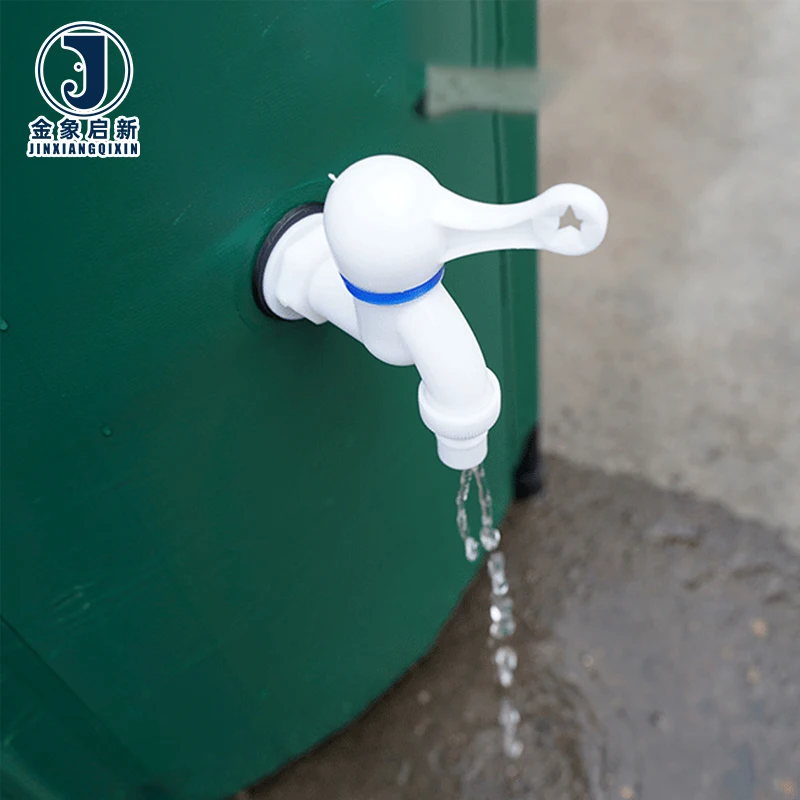
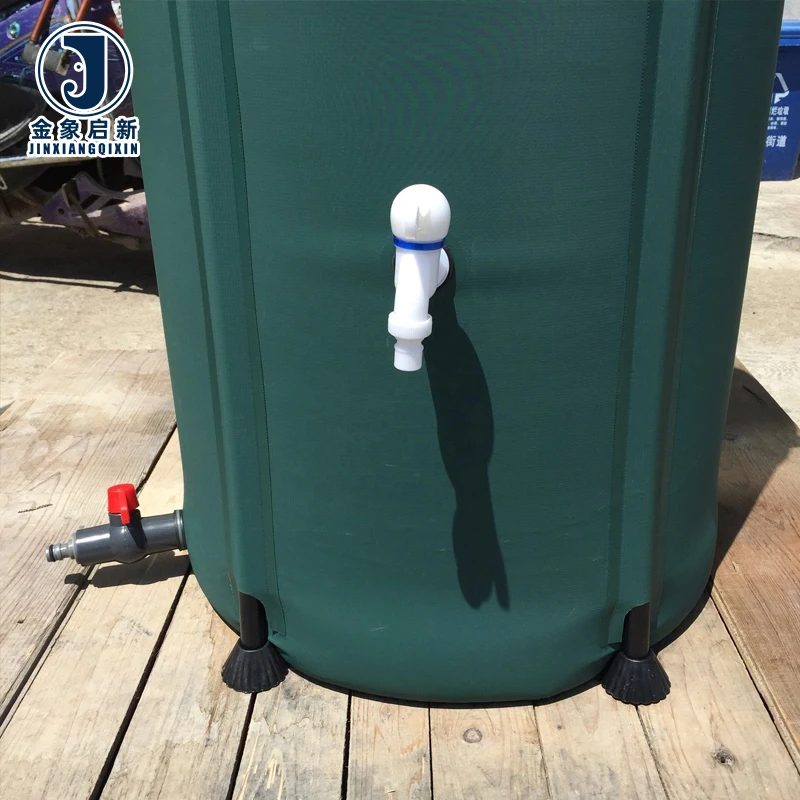
The 750L capacity sits within a product family ranging from 100L to 1000L. Each capacity can be produced with custom inlet, outlet and overflow fitting positions to match site piping layouts. Fitting reinforcements are heat-welded with additional PVC patches rather than mechanically clamped, distributing load across a wider fabric area and reducing stress concentration at the penetration point [NEED_CITE: reinforcement methods for flexible tank fittings in coated fabric].
What Happens When Specification Shortcuts Reach the Site
When a flexible water tank is sourced on capacity and price alone, the hidden specification gaps surface after installation. A coating that is too thin for the static water load develops pinhole leaks within the first fill cycle. Anti-UV treatment applied as a topical finish rather than compounded into the coating degrades within one season, leaving the PVC brittle and prone to cracking at fold lines. Mildew-resistant claims without a verifiable treatment basis result in algae colonisation on the inner surface, contaminating irrigation water and blocking drip emitters [NEED_CITE: mildew resistance testing protocols for PVC coated fabrics in water contact]. Colour inconsistency across tanks in the same order is a cosmetic issue for industrial use but a visible defect when tanks are installed in a row at a greenhouse or residential rainwater system.
Why Source This Tank Through a Coated-Fabric Manufacturer
Process control over coating weight and adhesion is the foundation of every tank we ship — the same control applied to industrial air duct and membrane structure fabric. Our 10-person R&D team develops custom capacity and fitting samples within days, not weeks, using the same pattern engineering workflow applied to ventilation duct construction. Dedicated QA/QC at every production stage means weld integrity, coating consistency and fitting reinforcement are verified in-factory, not discovered on-site. Full documentation — material specification sheet, test reports where applicable, certificate of origin — ships with every order, supporting compliance on construction, mining and agricultural projects. Production capacity across three full lines supports bulk orders with reliable scheduling, whether you need ten tanks for a single site or a container load for distribution.
Documentation & Verification
- Material specification sheet stating base fabric denier, coating weight and PVC formulation for the specified water contact grade
- Weld seam inspection record covering all panels and fitting reinforcements before dispatch
- UV-resistance and mildew treatment test reports available on request for project compliance files
- Certificate of origin and customs documentation for international shipment
- Pre-shipment photographic record of completed tank, fittings and packing condition
Fabrication, Handling & Storage
- Heat-weld all seams using temperature and dwell time parameters matched to the PVC tarpaulin coating thickness to ensure full fusion
- Store collapsed tanks flat in shaded, dry conditions to prevent crease-set damage to the PVC coating before deployment
- Avoid dragging the tank across sharp aggregate during site placement — puncture risk increases with lighter base fabric denier
- Clean inner surfaces with neutral pH detergent only; alkaline or solvent cleaners can attack the PVC plasticiser system
- Field repairs use compatible PVC patch material heat-welded or solvent-bonded over the damaged area, matching the original coating weight
- Inspect fitting reinforcement patches annually for edge lift, particularly on tanks exposed to repeated freeze-thaw cycles
What We Need to Quote Accurately
Provide the intended water type — potable, agricultural, industrial process or hydroponic nutrient — along with the required capacity and site piping layout for fitting placement. Specify any UV-resistance or fire-retardant certification required by local regulations so the correct coating grade is selected. Confirm whether you need individual tanks or a container-quantity order to optimise flat-pack loading.
Frequently Asked Questions
Q: How is PVC tarpaulin weld seam integrity tested on water tanks before shipment?
A: Every heat-welded seam is visually and tactilely inspected across all panels and fitting points. Weld parameters including temperature, pressure and dwell time are recorded per batch. This mirrors the inspection standard applied to our industrial ventilation duct fabric, where seam failure is not acceptable in underground or aviation environments.
Q: Can the bladder fabric be specified for potable water contact?
A: The PVC formulation and plasticiser system must be selected specifically for potable use at the inquiry stage. Not all PVC tarpaulin grades are suitable for drinking water. Provide your intended water type so the correct coating compound is applied and documented on the material specification sheet.
Q: What UV-resistance evidence supports prolonged outdoor exposure claims?
A: UV-resistant treatment is compounded into the PVC coating during production. The specific test basis should be confirmed for your market and exposure duration. Request the UV test report during sampling so it can be included in your project compliance documentation before volume commitment.
Q: How are inlet, outlet and overflow fittings positioned and reinforced?
A: Fitting positions are customised to your site piping layout. Each penetration is reinforced with a heat-welded PVC patch that distributes load across a wider fabric area, reducing stress concentration. The reinforcement specification is verified during pre-shipment inspection alongside all structural seams.
Q: What is the flat-pack shipping volume for container-quantity orders?
A: Collapsed tanks fold flat, significantly reducing shipping volume compared to rigid alternatives. Exact packing dimensions depend on capacity and fitting configuration. Confirm your required quantity and capacity mix so we can calculate container loading and provide a detailed roll packing list with the quotation.