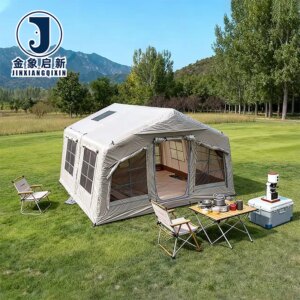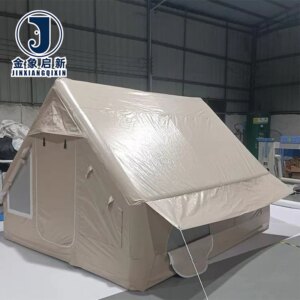


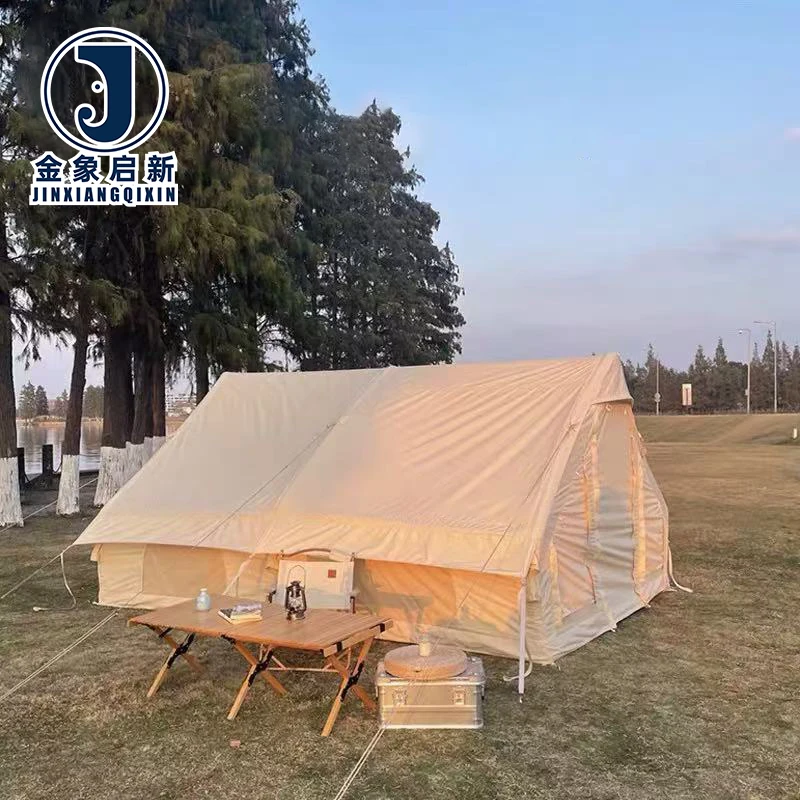
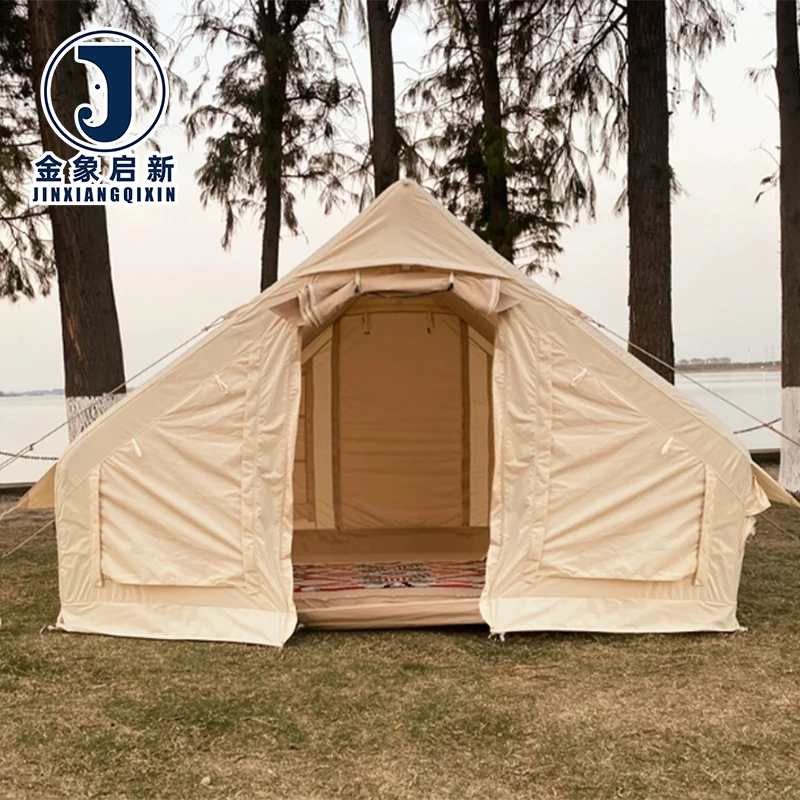
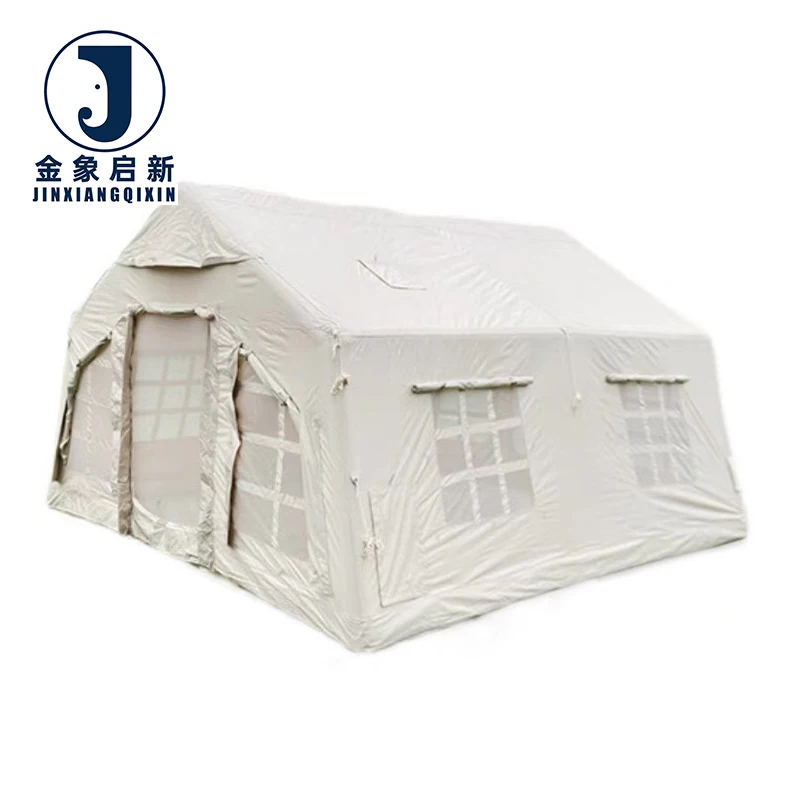
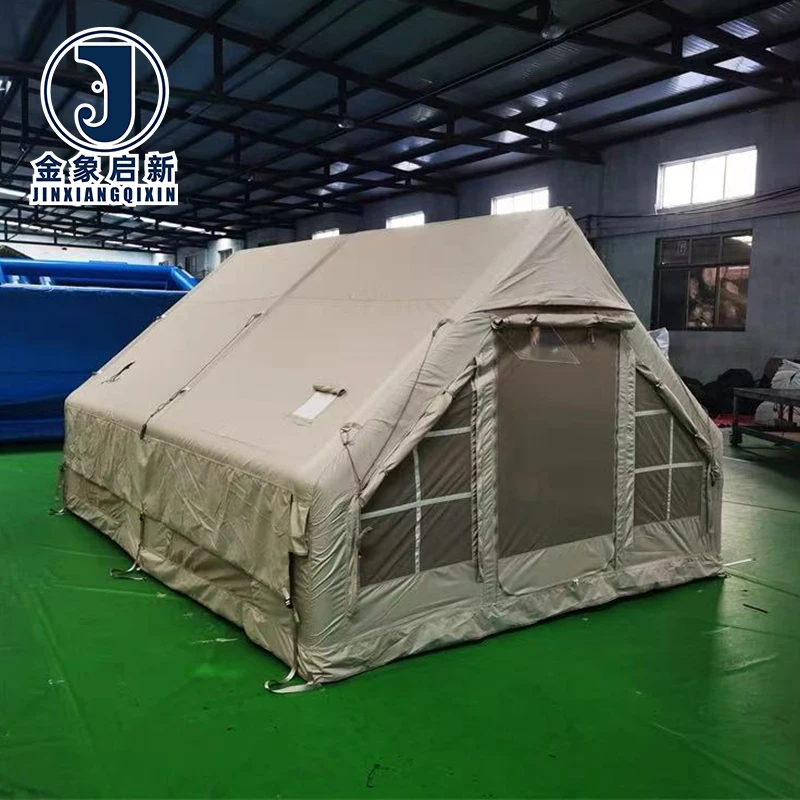
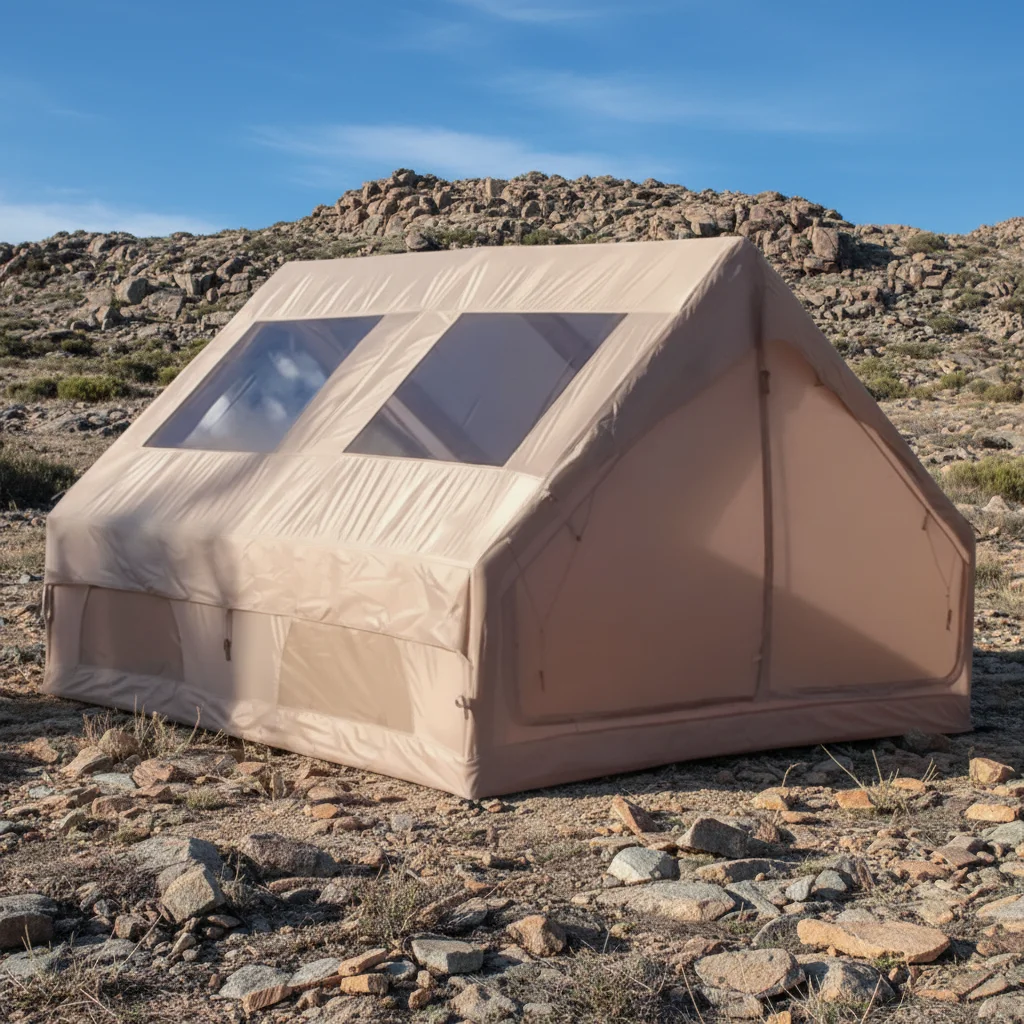

Process-Controlled Coating — every roll of inflatable tent fabric is produced on dedicated lines with verified GSM and coating adhesion before dispatch.
Technical Specifications
| Parameter | Value |
|---|---|
| Product Type | Inflatable Tent Fabric |
| Core Material | PVC Tarpaulin |
| Waterproof | Fully coated waterproof construction |
| UV-Resistant | Available in UV-treated grades — confirm the grade required for your market |
| Tear-Resistant | Tear-resistant fabric construction (test standard available on request) |
| Fire-Retardant | Available in flame retardant grades — confirm the grade required for your market |
| Anti-Static | Anti-static treatment available (surface resistance or standard available on request) |
| Product Forms | Single Layer Construction, Extended Type |
| Customization | OEM & ODM with sample customization and pattern printing |
| Standards | ISO9001, ISO14001, ISO45001, CE |
Application Suitability
| Application | Exposure & Requirement |
|---|---|
| Commercial glamping structures | Continuous outdoor weather exposure, seasonal inflation cycles, guest safety compliance |
| Industrial temporary shelters | Site dust and chemical contact, rapid deployment and teardown, fire safety enforcement |
| Large-scale event accommodations | High-occupancy fire code requirements, frequent assembly cycles, branding visibility |
| Aviation and mining ventilation ducts | Mandatory fire-retardant and anti-static certification, sustained airflow pressure, confined-space safety |
What Certified Fabric Actually Means for Inflatable Structures
Compliance documentation must travel with the roll, not arrive weeks after installation.
Inflatable membrane structures and ventilation ducts operate under scrutiny from site safety officers and building inspectors. When fabric arrives without a traceable fire-retardant or anti-static test report, the entire structure can be shut down before it inflates. Purchasing teams often discover at the inspection stage that the Inflatable tent fabric fire retardant anti-static certified specification on the quotation was never backed by a matching batch report [NEED_CITE: fire classification standards for temporary membrane structures]. The consequence is not a delayed shipment — it is a failed site audit.
Ventilation and Membrane Compliance Starts at the Coating Line
Specialist contractors working on mining tunnels, aviation hangars, or large-span inflatable buildings cannot accept generic PVC tarpaulin. The Inflatable tent fabric fire retardant anti-static certified material must carry documentation that maps to the specific regulatory framework of the project jurisdiction. Our R&D team develops pre-production samples that match the fire-retardant grade and anti-static surface resistance your site inspector requires, and the same formulation carries through to mass production.
Why Batch Traceability Separates Project-Grade Fabric from Commodity Rolls
Every production run generates its own inspection record. When you order Inflatable tent fabric fire retardant anti-static certified material for a multi-phase glamping development or a mining ventilation contract, each roll ships with a batch-specific quality document. This level of traceability matters when a site safety officer asks for proof that the material overhead meets the stated fire classification [NEED_CITE: ISO and CE documentation chain for coated technical fabrics]. Without it, contractors face rework costs that dwarf the fabric invoice.
Reading the Specification Sheet Beyond the Headline Claims
PVC tarpaulin performance depends on the interaction between base fabric denier, weave density, and coating weight. A heavy coating applied over a low-density base fabric may show high GSM on paper but deliver poor tear propagation resistance because the yarn count cannot distribute stress. The coating method — whether knife-over-roll, laminating, or calendering — determines peel strength at the weld line, which is where inflatable structures fail first. Fire-retardant additives must be integrated into the PVC compound itself rather than applied as a surface treatment to maintain effectiveness through repeated inflation cycles and field abrasion [NEED_CITE: flame retardant compounding methods for PVC coated textiles]. Anti-static performance depends on the conductivity pathway built into the coating formulation, and the surface resistance value must be measured against the standard your end-market enforces.
When the Wrong Specification Reaches the Site
A contractor installing an inflatable event structure discovers mid-build that the fabric rolls show visible colour variation when panels are placed side by side. A mining ventilation crew finds that the duct fabric lacks the anti-static certificate the safety officer requires, halting commissioning. A glamping operator receives tent covers cut to generic dimensions that do not match the inflation frame geometry, forcing on-site modification that voids the fire-retardant seam treatment [NEED_CITE: field failures from specification mismatch in technical coated fabrics]. These scenarios share a common root: the procurement specification was treated as a formality rather than a compliance document.
Production Capability Behind Every Shipped Roll
Three full production lines and 36 sets of professional equipment support bulk volume without shifting your order between facilities. A 10-person R&D team handles material selection, sample development, and pattern printing specifically for inflatable and membrane structure applications. Dedicated QA/QC staff conduct in-process checks at every coating stage and perform full pre-shipment inspection on every roll. Fire-retardant and anti-static test reports are generated per batch and included in the dispatch documentation package. Sample turnaround is measured in days, not weeks, so your approval cycle does not delay the project timeline.
Documentation & Verification
- Material specification sheet stating base fabric, coating compound, and fire-retardant grade per batch
- Anti-static surface resistance test report aligned to your project compliance standard
- Pre-shipment inspection record with GSM verification and visual defect count per roll
- Certificate of origin and customs documentation prepared for cross-border shipment
- ISO9001, ISO14001, ISO45001, and CE certificates available in the document package
Fabrication, Handling & Storage
- Heat-weld seams using temperature and dwell settings matched to the PVC coating compound for peel strength
- Store rolls upright on pallets to prevent compression creasing across the coated surface
- Cut panels with allowance for inflation curvature and seam overlap on extended-type construction forms
- Use compatible PVC adhesive for field repairs on single-layer inflatable tent panels
- Avoid dragging rolls on unsealed floors to protect the coating surface before fabrication
Specifying the Right Fabric for Your Project
Provide the fire-retardant classification and anti-static standard enforced at your installation site, along with the total fabric area and roll width your fabrication setup requires. If your project involves pattern printing or branded panels, share the artwork files and colour references so we can develop a pre-production sample. Confirm whether you need single-layer or extended-type construction fabric, and indicate your target shipment date so production scheduling aligns with your project milestone.
Frequently Asked Questions
Q: What fire-retardant grade and test standard does this inflatable tent fabric carry?
A: Fire-retardant grades are formulated to match the classification required by your project jurisdiction. Confirm the specific standard your site inspector enforces — such as a regional building code or mining safety regulation — and we will supply the corresponding test report with your batch documentation.
Q: What is the anti-static surface resistance and which compliance standards are met?
A: Anti-static treatment is integrated into the PVC coating compound. The surface resistance value and test standard depend on your end-market requirement. Share the specification your project calls for, and we will confirm the matching formulation with supporting documentation.
Q: Can custom dimensions, pattern printing, and material thickness be specified?
A: OEM and ODM customization covers roll width, cut dimensions, and pattern printing for branding or wayfinding. Our R&D team develops a pre-production sample reflecting your exact specifications for approval before mass production begins on any inflatable structure order.
Q: How is batch-to-batch consistency ensured for large-scale projects?
A: Each production run is tracked through our QA/QC process across three dedicated lines. GSM, colour, coating adhesion, and fire-retardant compound ratios are verified per batch, and the inspection record ships with your documentation package.
Q: What documentation is included for import and on-site regulatory compliance?
A: Every shipment includes a material specification sheet, batch inspection record, certificate of origin, and the applicable ISO and CE certificates. Fire-retardant and anti-static test reports are included when specified in your purchase order.