
Specialist Structure Compliance — Every insulated blanket leaves our facility with material composition and fire-safety documentation matched to the regulatory framework your site demands, eliminating guesswork before installation begins.
Technical Specifications
| Parameter | Value |
|---|---|
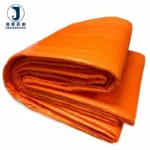
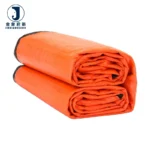
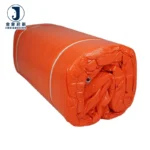
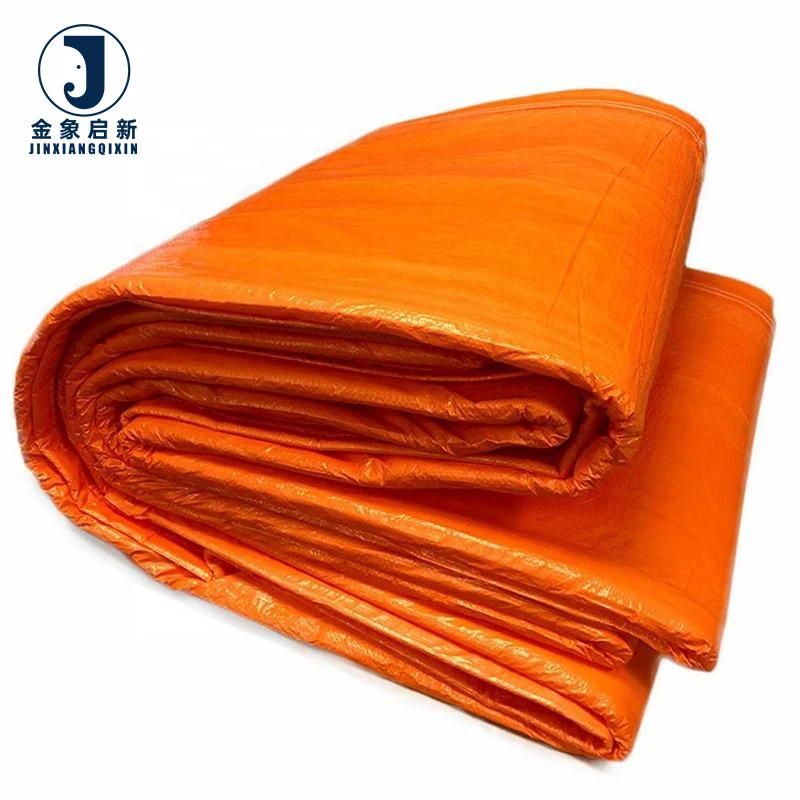
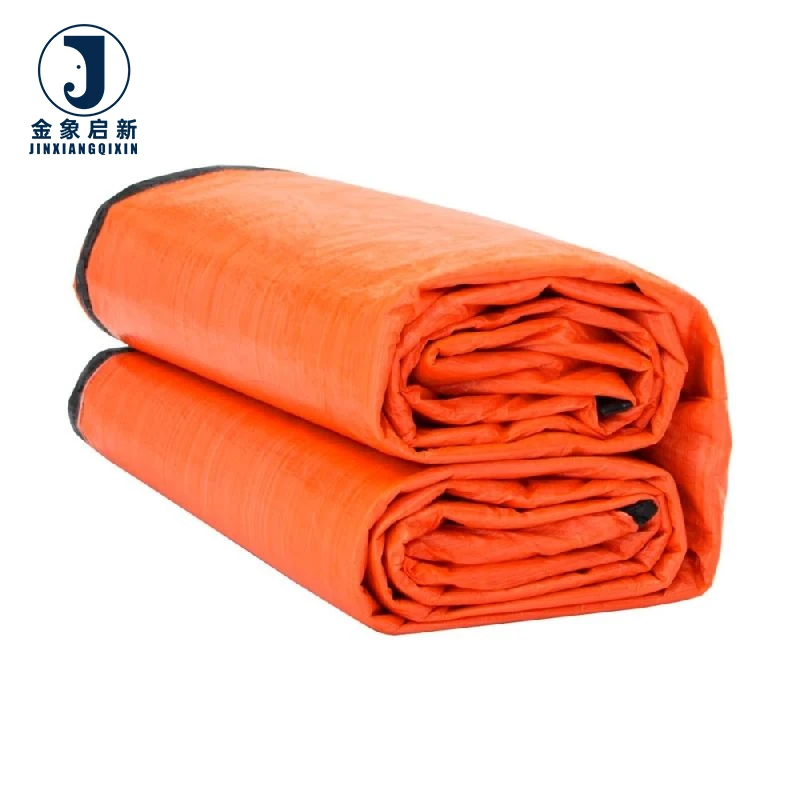
| Product Type | Insulated Concrete Curing Blanket |
| Dimensions | 6ft x 24ft, 8ft x 25ft, 12ft x 20ft, 12ft x 24ft |
| Total Thickness Options | 2×2 mm, 3×1.5 mm, 1×4 mm, 5 mm, 6 mm, 8 mm, 12 mm |
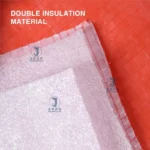
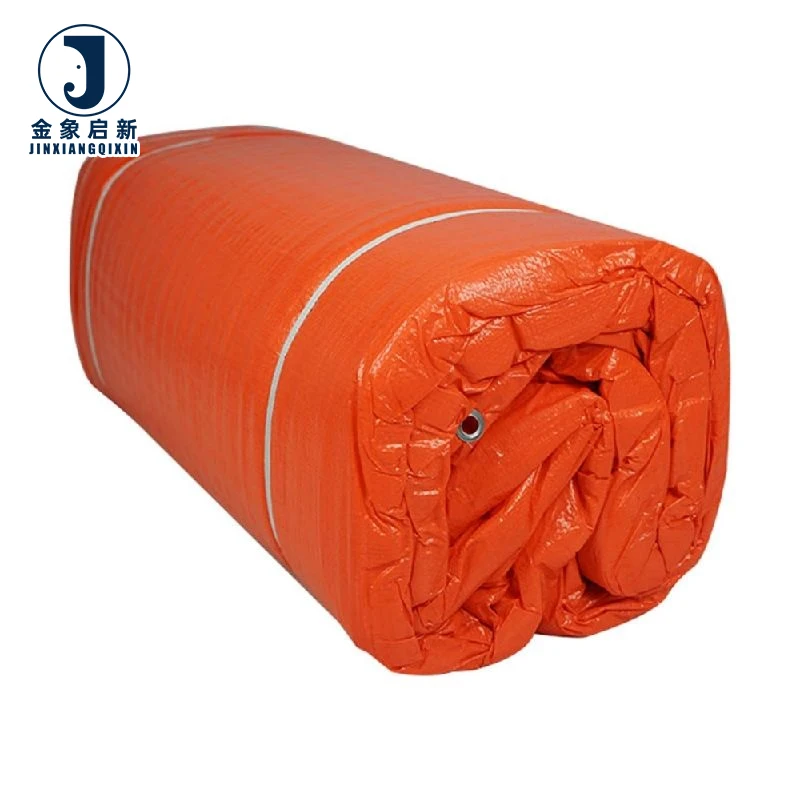
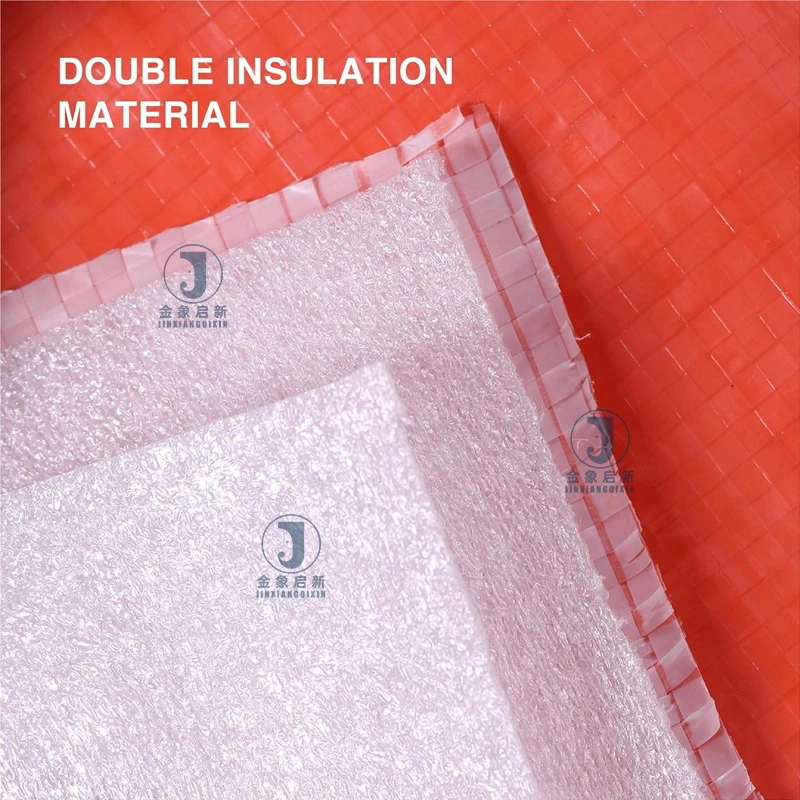
| Material Structure | PE cloth + closed-cell PE foam core + PE cloth |
| Coating Material | PE |
| Color Options | Orange, Black, White, Silver, Customized color |
| Grommet Configuration | Aluminum grommets at 61 cm and 91.5 cm spacing; rust-proof brass grommets on all finished stitched edges |
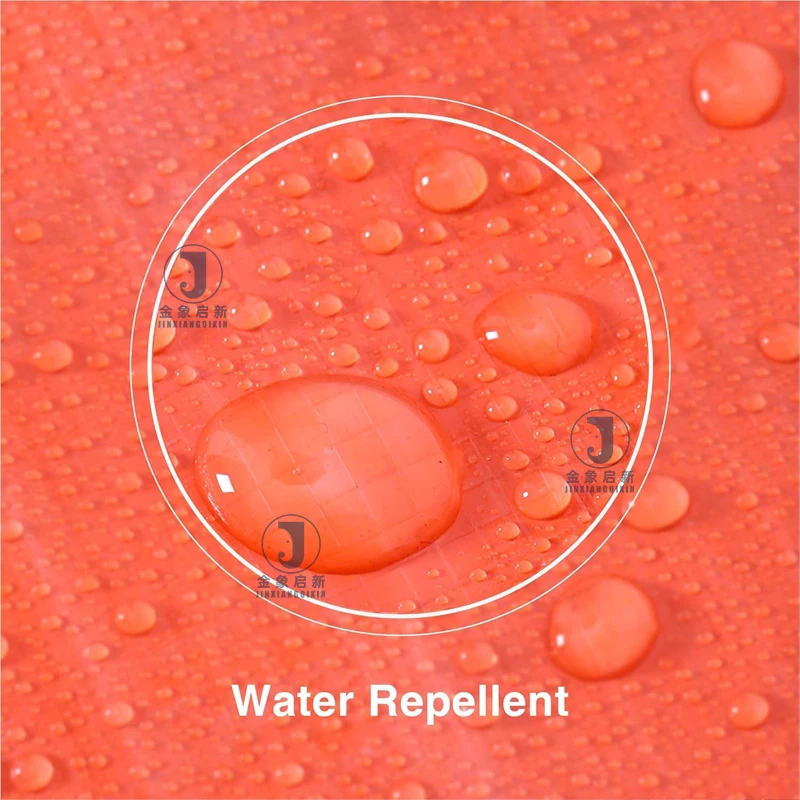
| Surface Treatment | UV treatment (test basis not stated), waterproof surface, mildew resistant |
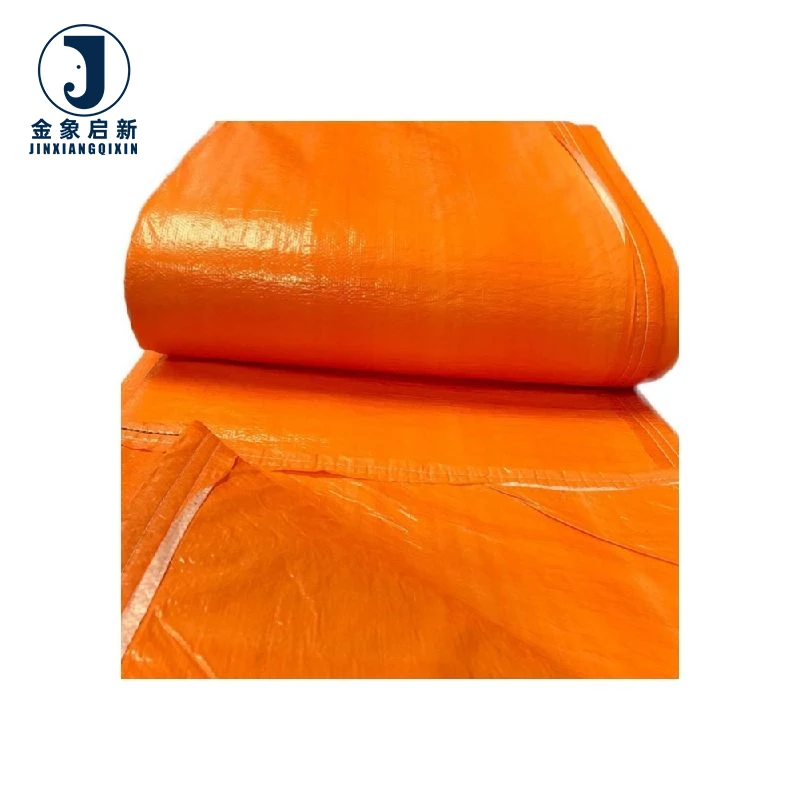
| Edge Finish | Reinforcement stitch, ripstop construction |
| Fire-Retardant Grade | Available in flame-retardant grades — confirm the grade required for your market |
Application Suitability
| Application | Exposure & Requirement |
|---|---|
| Cold-weather concrete curing | Sustained low ambient temperature, moisture exposure, thermal retention to maintain hydration cycle |
| Heated construction enclosures | Interior heat containment, wind pressure on vertical panels, repeated handling and repositioning |
| Temporary wind barriers on specialist sites | Medium-to-high wind loads, anchoring stress at grommet points, prolonged UV exposure |
| Insulation layer for membrane structures | Contact with structural framing, compression at attachment points, fire-safety compliance for enclosed spaces |
What "Fire-Safe Insulation" Means Without Certification Behind It
An insulated concrete curing blanket is only compliant when the fire-retardant or anti-static grade is documented, not just claimed.
Ventilation duct and specialist structure contractors frequently receive insulation products that arrive on site without the certification paperwork the project specification demands. The blanket performs thermally, but the fire officer or site safety manager cannot sign off because the test report does not match the regulatory framework referenced in the contract. Rework, delayed pour schedules, and failed inspections follow. [NEED_CITE: fire classification standards for temporary building enclosures on regulated construction sites]
When the insulated tarpaulin concrete curing blanket aftermarket supplier you select cannot produce a test report tied to the specific grade your market requires, the entire enclosure may need to be stripped and replaced before the inspector returns. That is a cost measured in lost curing days, not just material.
Thermal Retention Across Thickness Grades
Choosing the right thickness of insulated concrete curing blanket depends on the temperature differential between the curing environment and the outside air. The closed-cell PE foam core traps still air within its cell structure, reducing convective heat loss through the blanket. Thinner grades such as 2×2 mm or 3×1.5 mm serve mild conditions where the primary need is moisture retention with moderate thermal support, while 8 mm and 12 mm options address freezing ambient temperatures where heat loss through a single-layer tarp would stall the hydration process entirely.
Anchoring Integrity Under Wind Load
Medium-to-high wind environments place repeated cyclic stress on every grommet and hem. The rust-proof brass grommets fitted around all finished stitched edges, combined with aluminum grommets at 61 cm and 91.5 cm intervals across the body, distribute tie-down loads so that no single point bears the full force of a gust. Reinforcement stitching and ripstop construction prevent a small tear from propagating across the panel, keeping the insulated concrete curing blanket secured to the enclosure frame through extended winter weather cycles. [NEED_CITE: wind load anchoring requirements for temporary construction enclosures]
Reading the Spec Sheet for Insulation Performance
The three-layer PE cloth and closed-cell PE foam core construction defines the blanket’s thermal behaviour far more than any single number on the data sheet. Foam core density and cell closure rate determine how much still air remains trapped inside the panel over repeated compression cycles — a blanket that collapses under its own tie-down tension loses insulation value regardless of its stated thickness. The PE outer cloth layers provide waterproof protection and UV treatment, though the specific UV test basis should be confirmed for projects requiring documented exposure ratings. Thickness grades from 5 mm to 12 mm are generally specified for cold-weather concrete curing, while the lighter options suit enclosure lining where heat retention demand is moderate. Ripstop weave in the outer layers limits tear extension if a panel is punctured during handling, an important factor when blankets are moved between pour zones daily.
The Cost of Undocumented Compliance on Regulated Sites
An insulated blanket that lacks the fire-retardant grade your jurisdiction requires does not merely delay an inspection — it can invalidate the entire heated enclosure permit. Contractors discover this gap when the safety officer requests the test report and the supplier can only provide a general material safety sheet rather than a grade-specific certificate. The enclosure comes down, the concrete pour window closes, and the project absorbs both material replacement and schedule recovery costs. [NEED_CITE: consequences of non-compliant insulation materials in temporary construction enclosures] Batch inconsistency compounds the problem: if one roll in a multi-panel enclosure arrives with a slightly different foam density, thermal performance varies panel to panel, creating cold spots that compromise curing uniformity.
Why Source Insulated Blankets Through Jinan Jinxiang
Three full production lines and 36 sets of professional equipment allow us to run insulated concrete curing blankets in the volume that large enclosure projects demand, without splitting orders across subcontracted workshops where process control is lost.
A 10-person R&D team handles material selection and sample development, meaning thickness grade, grommet spacing, and colour can be confirmed against a physical sample before bulk production begins.
Dedicated QA and QC at every production stage, with 100 percent inspection before shipment, catches foam density variation and grommet alignment issues before they reach your site.
Nearly 30 years of focused coated fabric experience provides the process knowledge to match insulation construction to the specific demands of mining, tunnelling, and specialist structure ventilation environments.
ISO and CE certified production ensures that the documentation accompanying your shipment satisfies the compliance frameworks referenced in regulated contracts.
Documentation & Verification
- Material specification sheet stating PE foam core structure, thickness grade, and outer cloth weight for each blanket
- Test report for UV treatment and applicable fire-retardant grade matched to your market requirement
- Pre-shipment inspection record confirming grommet spacing, stitch integrity, and dimensional accuracy
- ISO and CE certificates included with every consignment for site compliance submission
- Certificate of origin and full customs documentation supporting international shipment clearance
Fabrication, Handling & Storage
- Heat-weld seams using temperature and dwell settings matched to the PE outer cloth to avoid delamination from the foam core
- Inspect brass grommets at finished edges before hanging; replace any showing deformation from transit compression
- Store rolls or folded panels flat and avoid stacking heavy loads on top to preserve closed-cell foam structure
- Clean surfaces with mild detergent only; solvent-based cleaners may degrade the PE cloth waterproof coating
- Deploy at ambient temperature above freezing where possible to maintain fabric flexibility during unfolding and anchoring
- Repair minor punctures with PE-compatible adhesive patches applied to both outer cloth layers for sealed coverage
Before You Enquire
Provide the ambient temperature range and wind exposure conditions your enclosure will face so we can recommend the appropriate foam core thickness and grommet spacing. Confirm the fire-retardant or anti-static grade your site specification references, along with the regulatory standard behind it. Let us know whether you need finished panels in the standard size options or custom dimensions, and whether a pre-production sample is required for site approval before bulk commitment.
Frequently Asked Questions
Q: What fire-retardant or anti-static certifications are available for insulated blankets on regulated sites?
A: We supply insulated blankets in flame-retardant grades matched to the certification framework your project specification requires. Confirm the exact standard referenced in your contract — such as the classification used for temporary building enclosures in your jurisdiction — and we will align the test report and material documentation accordingly before production begins.
Q: How is insulation performance verified across different thickness grades?
A: Each thickness option uses the same closed-cell PE foam core structure, with thermal retention increasing as core depth grows. We provide a material specification sheet documenting foam core composition and total thickness so you can match the grade to your curing temperature differential and enclosure heat loss calculation.
Q: Can insulated blankets be integrated with ventilation duct systems on mining or tunnelling projects?
A: Yes. Insulated blankets can serve as enclosure lining around ventilation ductwork where thermal separation or condensation control is needed. Confirm the fire-retardant and anti-static requirements that apply to duct-adjacent materials on your site so the blanket specification aligns with the duct compliance documentation.
Q: What grommet spacing and reinforcement options are available for high-wind installations?
A: Standard aluminum grommets are set at 61 cm and 91.5 cm intervals, with rust-proof brass grommets fitted around all finished stitched edges. For high-wind sites, specify which spacing suits your tie-down pattern and we will confirm anchoring layout against the panel dimensions you require.
Q: How do you ensure batch consistency when ordering multiple insulated blankets for a single enclosure?
A: Every production run undergoes in-process quality checks on foam core density, outer cloth colour, and dimensional accuracy. A 100 percent pre-shipment inspection verifies that all panels in your order match the approved sample before dispatch, reducing the risk of thermal or visual variation across the finished enclosure.