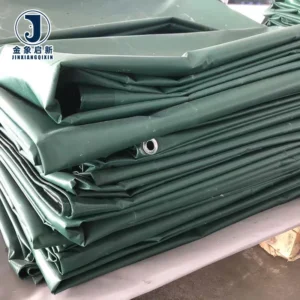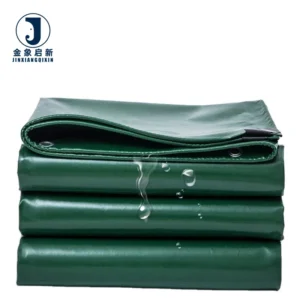
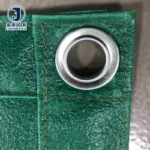
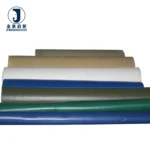
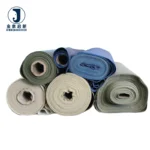
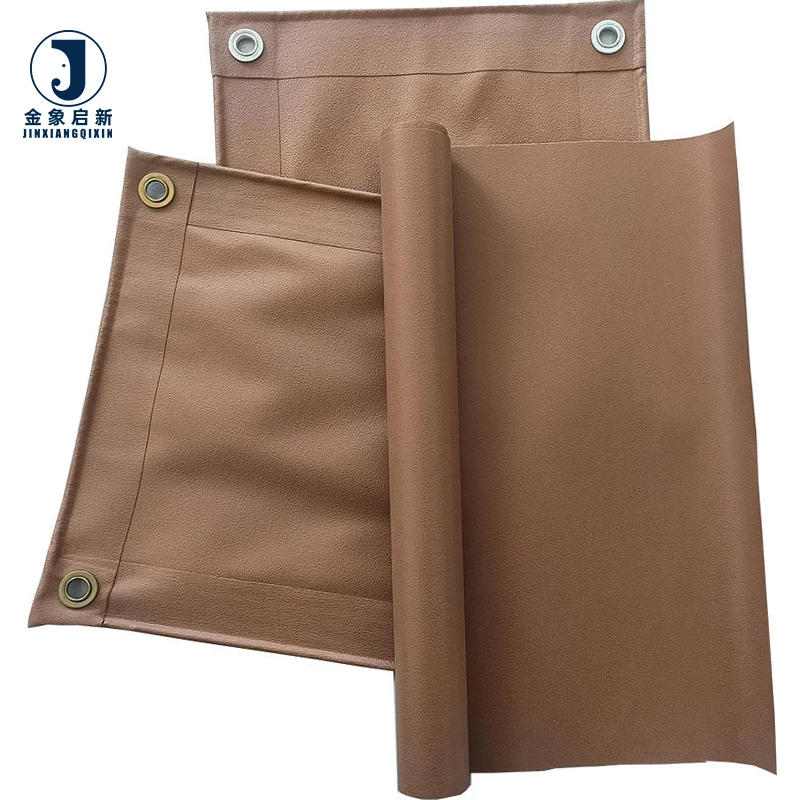
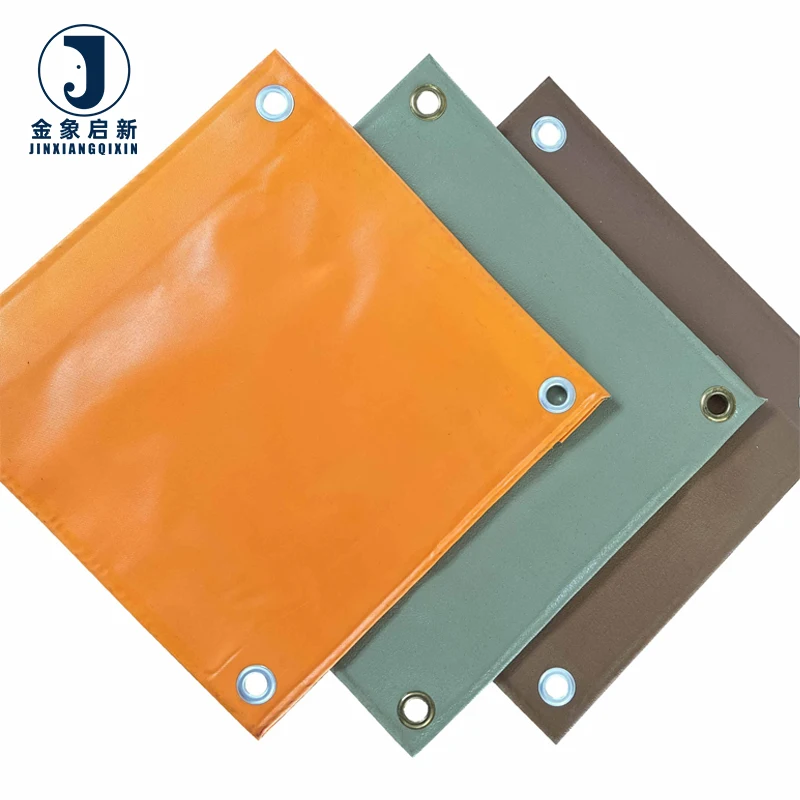
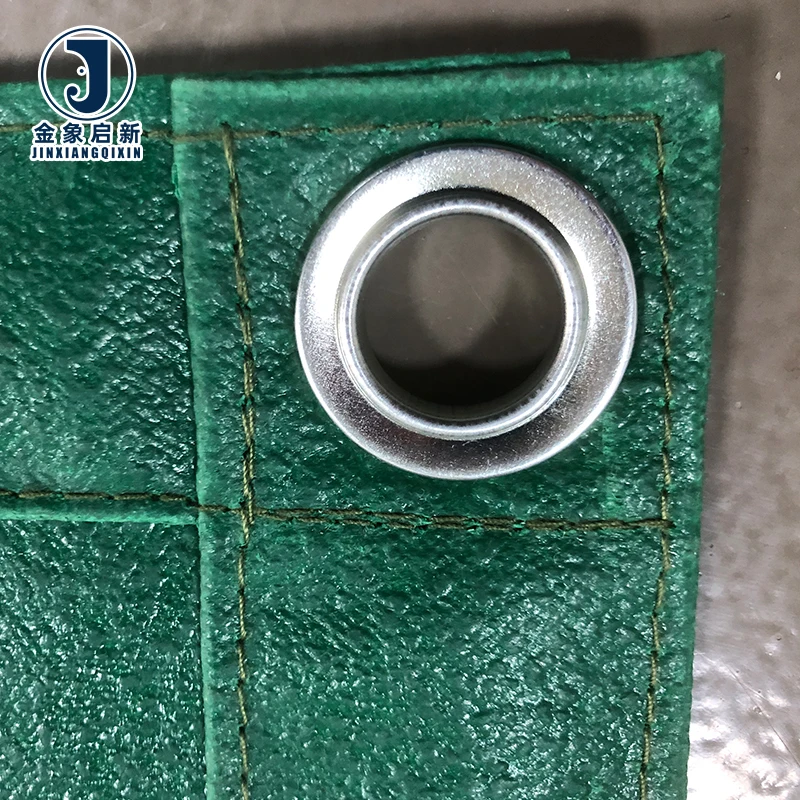
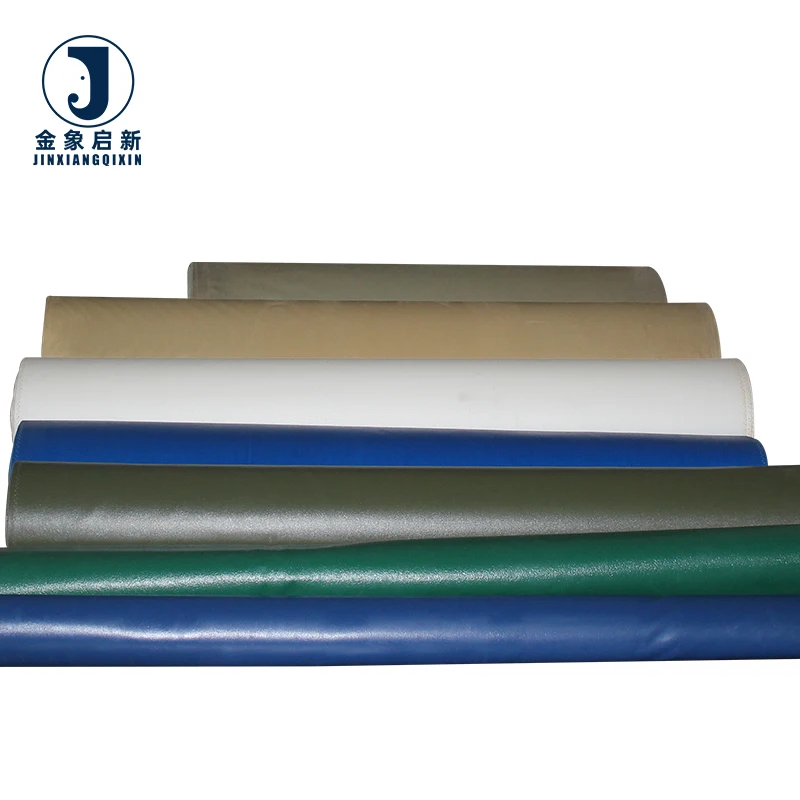
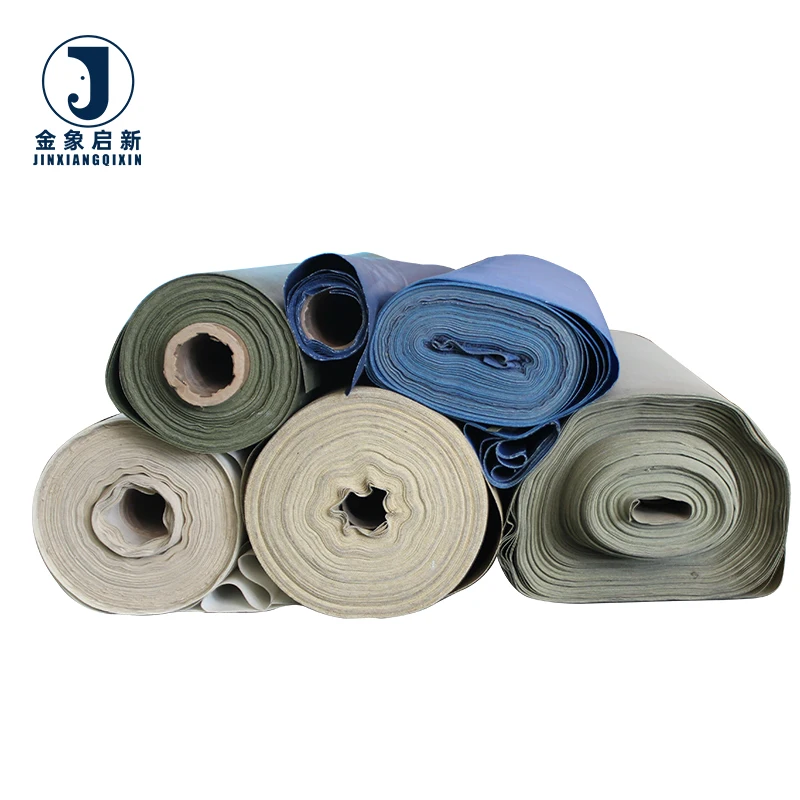
Coating Control Expertise — Hot melt coating technology on 100% high toughness polyester yarn delivers consistent adhesion for reliable heat welding at truck side curtain flex points, where seam failure is most common.
Technical Specifications
| Parameter | Value |
|---|---|
| Product Type | PVC Coated Tarpaulin Fabric |
| Base Fabric | 100% high toughness polyester yarn |
| Coating Material | PVC |
| Coating Technology | Lamination technology and hot melt coating technology |
| Weight Range (Medium-duty) | 400-500 g/m² |
| Thickness Range (Medium-duty) | 0.35-0.45 mm |
| Yarn Denier (Medium-duty) | 500D |
| Tensile Strength (Medium-duty) | Warp 1500-2000 / Weft 1200-1800 N/5cm |
| Weight Range (Heavy-duty) | 700-1000 g/m² |
| Thickness Range (Heavy-duty) | 0.70-1.0 mm |
| Yarn Denier (Heavy-duty) | 1000D |
| Tensile Strength (Heavy-duty) | Warp 2000-2500 / Weft 1800-2200 N/5cm |
| Weight Range (Super Heavy-duty) | 1100-1500 g/m² |
| Thickness Range (Super Heavy-duty) | 1.2-1.5 mm |
| Yarn Denier (Super Heavy-duty) | 500D-2000D |
| Tensile Strength (Super Heavy-duty) | Warp 2500-3000 / Weft 2200-2800 N/5cm |
| Waterproof | Yes |
| Cold Resistance | Cold resistant cracking |
| Anti-Mildew | Mold proof |
| Special Treatment Options | Flame retardant, anti-static (grade not stated — confirm standard at inquiry) |
| Color Fastness | Best color fastness (grade not stated) |
| Key Features | Waterproof, cold resistant, mold proof, excellent welding tear strength |
Application Suitability
| Application | Exposure & Requirement |
|---|---|
| Truck side curtain fabric | Constant flexing at load points, road abrasion, weather exposure, weld seam durability |
| Heavy-duty truck and trailer cover | UV exposure, wind load tension, water ingress prevention, tie-down stress |
| Mine and tunnel ventilation duct | Fire hazard environment, static charge accumulation, positive and negative air pressure |
| Industrial pipe canopy and protective cover | Chemical exposure, outdoor weathering, structural wind load |
| Tensioned membrane and inflatable structure | Sustained tension, solar heat gain, aesthetic color consistency across panels |
| Aviation maintenance shelter fabric | Flame retardant compliance, anti-static requirements, wide span coverage |
Why Coated Fabric Fails at the Weld Line Before the Fabric Itself
Weld seam integrity depends on coating adhesion to the base yarn, not on fabric weight alone.
When a truck side curtain flexes under load every time the trailer rounds a corner, the stress concentrates at the heat-welded seam. If the PVC coating bonds poorly to the polyester base, the weld peels apart while the fabric body remains intact. This failure pattern accounts for a significant share of field returns on coated tarpaulin used in transport [NEED_CITE: tensile and tear test methods for coated fabrics per ISO 1421]. Hot melt coating technology addresses this by forcing molten PVC into the yarn structure rather than simply laying it on top, producing adhesion strength that lets the welded seam perform closer to the base fabric tensile rating. For PVC coated tarpaulin fabric specified in side curtain and ventilation duct applications, verifying coating method matters more than comparing GSM values across quotations.
How Hot Melt Coating Translates to Weld Seam Reliability
The hot melt coating process drives PVC into the weave structure of the polyester base yarn under heat and pressure. This produces a mechanical bond that resists delamination when the fabric is heat-welded at seam lines. For truck side curtain operators, this means the PVC coated tarpaulin fabric maintains seam continuity through repeated flex cycles at the points where load movement stresses the joint most. The lamination technology option provides an alternative bonding method suited to applications where weld strength requirements differ.
Matching Flame Retardant and Anti-Static Treatment to Site Requirements
Mining and tunnel ventilation ducts operate in environments where combustible dust and static discharge are ongoing hazards. Fabric entering these sites must carry a verifiable fire classification and surface resistance reading, not just a generic "fire retardant" label. This PVC coated tarpaulin fabric is available in flame retardant and anti-static treatment options, though the specific grade and test standard must be confirmed at inquiry stage [NEED_CITE: DIN 4102 fire classification for building materials]. Requesting the applicable test certificate before production ensures the material will pass site inspection when the ventilation duct is installed underground.
Reading the Specification Table Beyond the GSM Number
The weight of a coated fabric tells only part of the performance story. A 500D yarn at 700 g/m² may show lower tensile strength than a 1000D yarn at the same weight because the heavier denier yarn carries more load per thread with fewer intersections to create friction. Coating method further determines how well that strength transfers through a welded joint. Hot melt coated fabrics typically show higher peel strength than laminated equivalents, which affects how the seam behaves when the fabric flexes under tension. Thickness also interacts with handling: thicker grades resist puncture but require more powerful welding equipment and longer dwell times to achieve full seam fusion [NEED_CITE: relationship between coating thickness and heat weld dwell time in PVC tarpaulin fabrication].
The Hidden Cost of Specifying on Price Per Kilogram Alone
When a ventilation duct contractor sources fabric based on cost per kilogram without verifying the coating adhesion or fire rating documentation, the consequences appear at installation. A duct that fails fire inspection must be removed and replaced, doubling the material cost and delaying the project schedule. Similarly, a truck side curtain whose weld seams delaminate within months forces the fleet operator into warranty claims and vehicle downtime. These outcomes trace back to procurement decisions that prioritized unit cost over verified coating method and treatment certification [NEED_CITE: field failure analysis of PVC coated fabric weld seams in transport and ventilation applications].
Why Fabricators Source This Material Here
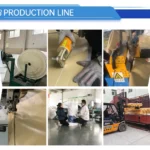
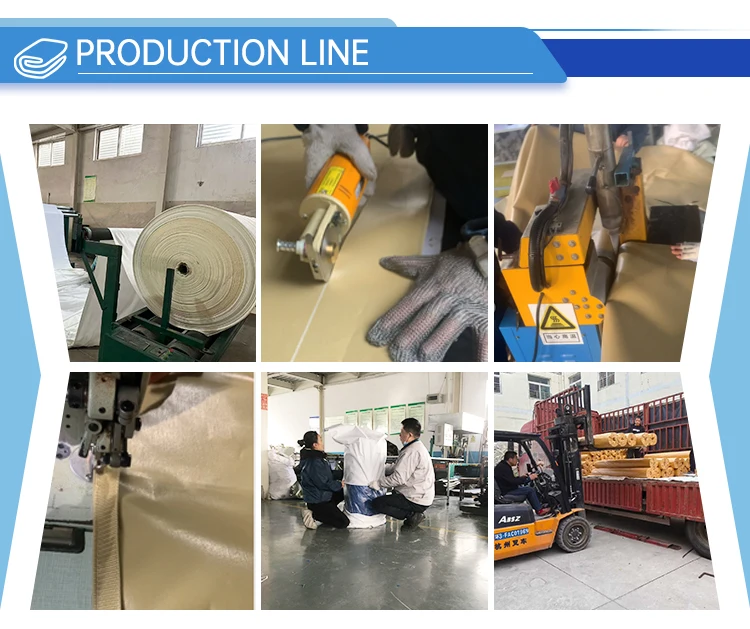
Three full production lines with 36 sets of professional equipment allow this PVC coated tarpaulin fabric to run in volume while maintaining batch-to-batch coating weight consistency across roll orders. The 10-person R&D team handles material selection and sample development, producing test rolls within days so fabricators can validate weld parameters before committing to production quantity. Every roll undergoes dedicated QA/QC at each production stage with 100% inspection before shipment, catching GSM deviation and coating adhesion defects before the material leaves the facility. ISO and CE certification supports export documentation for markets that require traceable quality systems. Custom width, colour, and treatment specifications are supported with sample confirmation before the production run begins.
Documentation & Verification
- Material specification sheet stating GSM, base fabric denier, coating method, and weight per roll
- Test report for flame retardant and anti-static grades where applicable — confirm standard before order
- Pre-shipment inspection record verifying coating adhesion and weight against stated GSM
- Roll packing list with batch reference for colour and weight traceability
- ISO and CE certificates available to support site compliance documentation
- Certificate of origin and customs documentation for export shipment
Fabrication, Handling & Storage
- Heat weld parameters should be adjusted for coating thickness — heavier grades need longer dwell time
- Cold resistant cracking formulation allows transport and deployment in low temperature environments without embrittlement
- Store rolls upright on pallets to prevent permanent creasing in the PVC coating layer
- Clean with mild detergent only — solvent-based cleaners degrade the plasticizer in the PVC surface
- Roll width selection affects panel layout efficiency and total weld seam length on large structures
- Mold proof treatment reduces storage degradation risk when rolls are held in humid conditions before fabrication
What to Include in Your Inquiry
Provide the specific ventilation duct diameter, wind pressure rating, or truck trailer model so the correct weight grade and width can be recommended. State the fire classification and anti-static standard required by your project specification or local regulation. Indicate whether you need rolls for your own fabrication line or finished cut-and-welded panels, and confirm your target colour reference for batch matching.
Frequently Asked Questions
Q: Can flame retardant and anti-static treatment be applied together on the same fabric?
A: Yes, dual treatment is available for applications such as mine ventilation ducts where both fire classification and static dissipation are required. Specify the test standard your site demands — such as NFPA 701, M2, or B1 — so the correct formulation is applied. The corresponding test report is supplied with the shipment to support site inspection and compliance documentation.
Q: What tensile strength is needed for ventilation duct fabric to handle operating wind pressure?
A: The required tensile strength depends on duct diameter, operating pressure, and support spacing. Heavy-duty grades in the 700-1000 g/m² range with 1000D yarn are typically specified for positive and negative pressure mine ventilation. Share your duct engineering parameters so the appropriate grade from the product family can be matched to your wind load calculation.
Q: What is the minimum order for custom width and roll length?
A: Custom widths and roll lengths are produced on dedicated coating lines, and minimums depend on the specific grade and treatment combination required. Standard stock widths ship in smaller quantities. Submit your width, length, and total meterage requirement to receive a confirmed minimum and production lead time for your specification.
Q: How is colour consistency maintained across multiple rolls in a single order?
A: All rolls within one order are coated from the same PVC batch with controlled pigment dosing. A colour reference is established at sample approval stage, and production rolls are checked against this reference before dispatch. Request a batch colour report with Delta E values if your application involves side-by-side panel installation where visible mismatch is unacceptable.
Q: How do you verify the weld seam strength relative to the base fabric tensile rating?
A: Weld seam peel and shear tests are conducted during production quality checks using the same hot melt coated fabric that will ship to your facility. Results are compared against the base fabric tensile values in the specification table. Share your welding equipment type and parameters so test conditions can mirror your fabrication process.