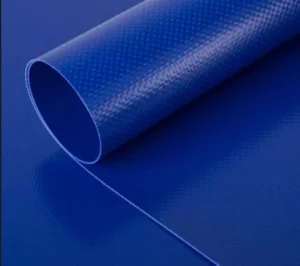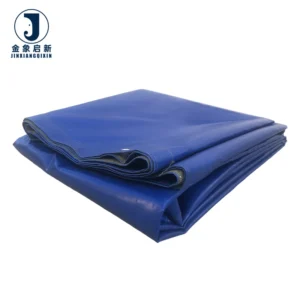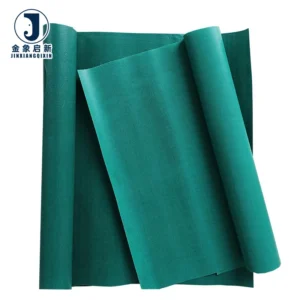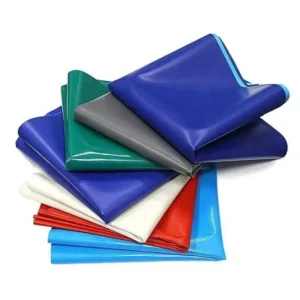
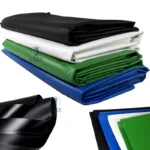
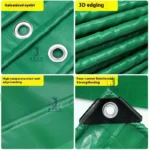
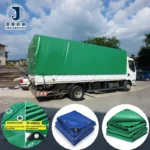
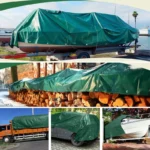
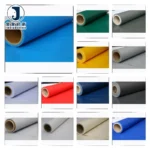
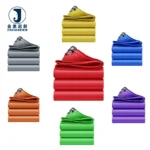
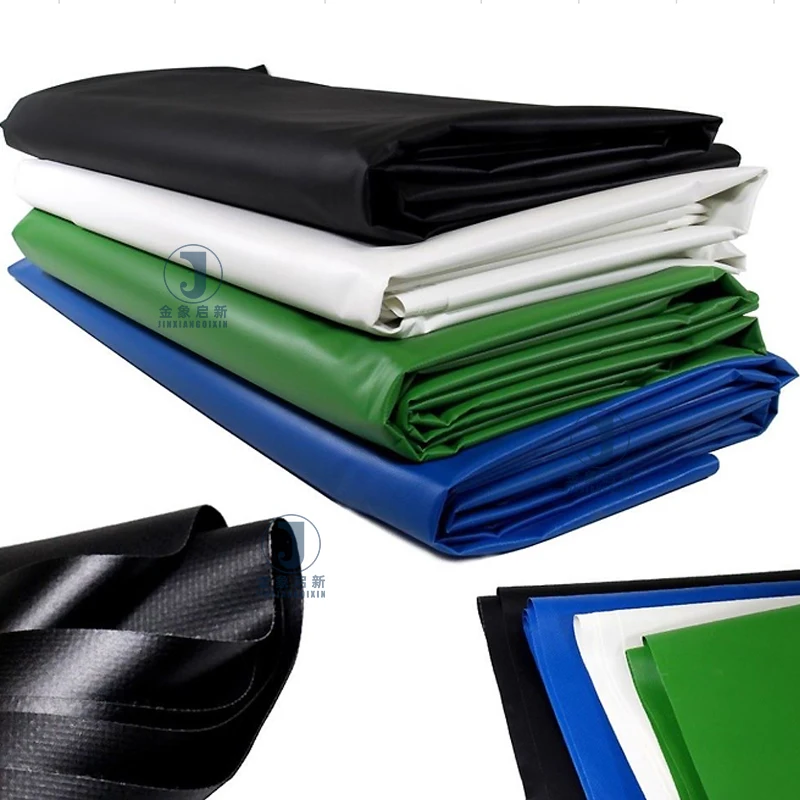
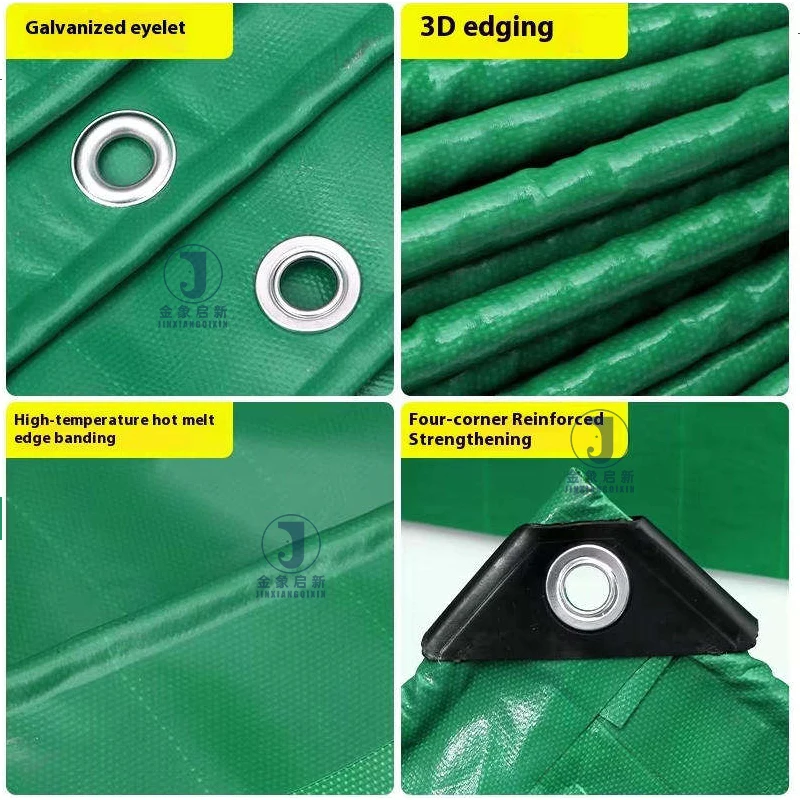
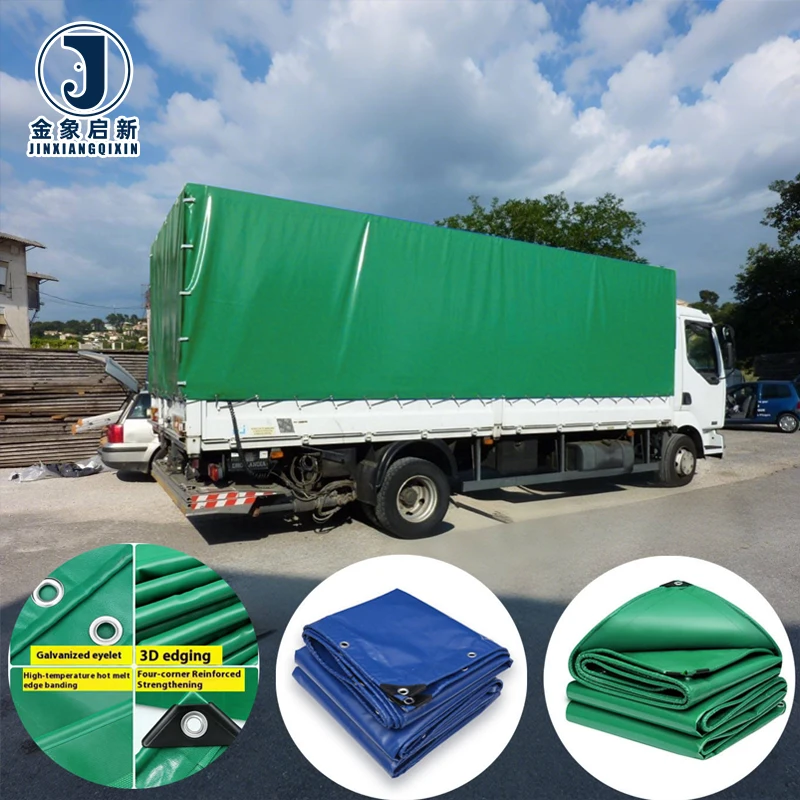
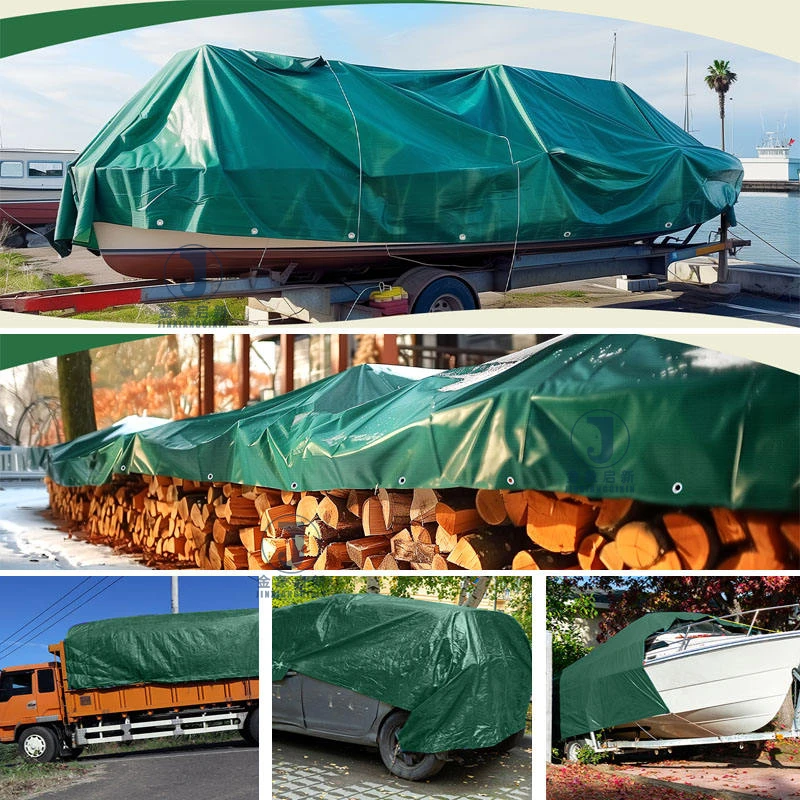
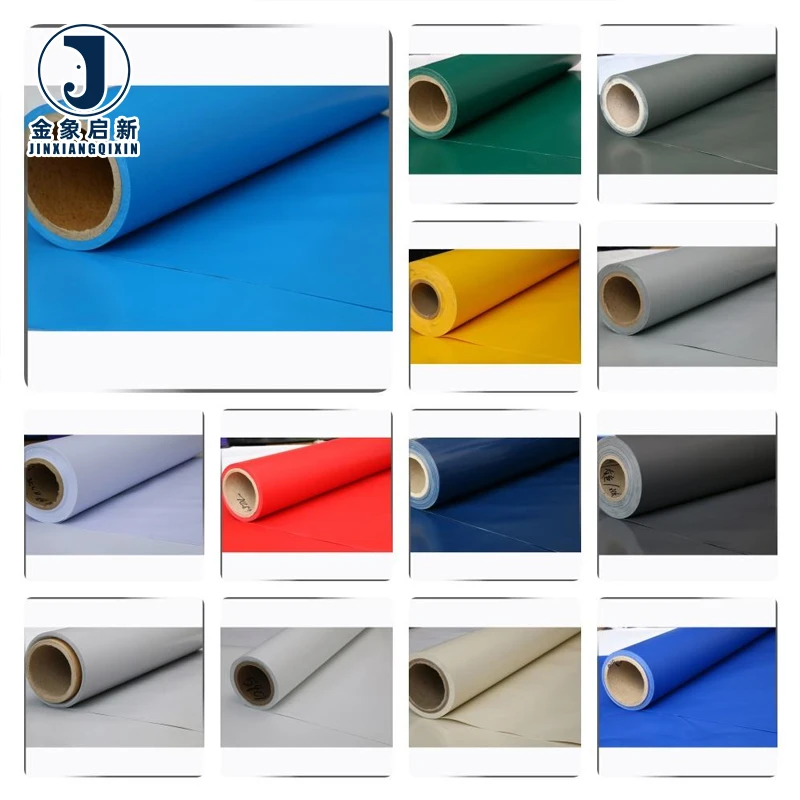
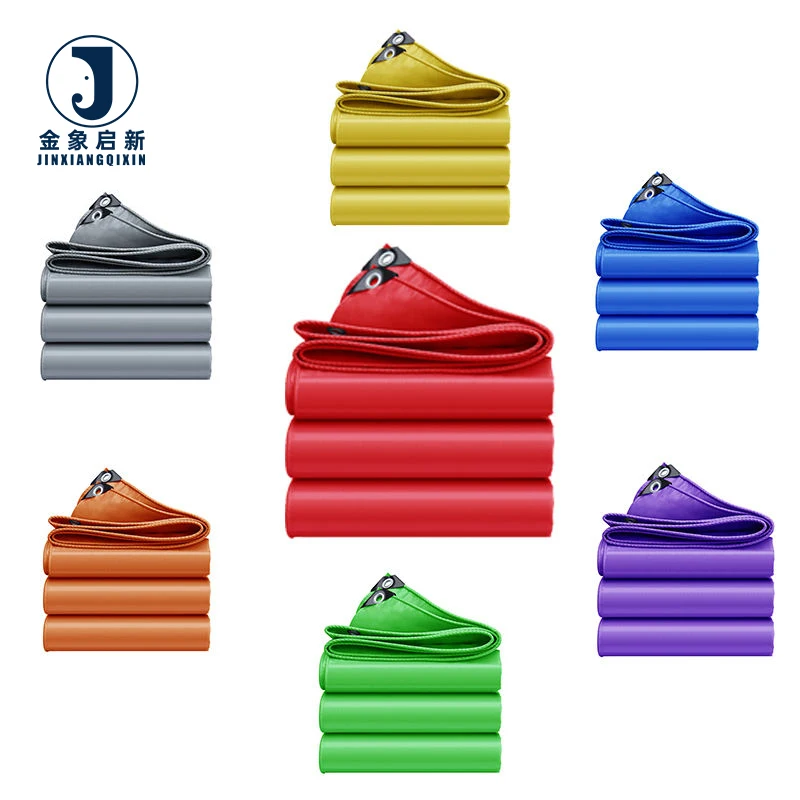
Compliance-Driven Technical Fabric — every roll of PVC Coated Tarpaulin is specified against site ventilation standards with fire-retardant and anti-static treatments documented before dispatch.
Technical Specifications
| Parameter | Value |
|---|---|
| Product Type | PVC Coated Tarpaulin Fabric |
| Base Fabric | 100% high tenacity polyester yarns |
| Coating Material | PVC |
| Coating Method | Laminated technology & Hot-melt Coating technology |
| Waterproof | Yes |
| Cold Crack Resistance | Yes |
| Anti-Mildew | Yes |
| Anti-Static | Treatment applied (standard to be confirmed per project) |
| Flame Retardant | Treatment available (grade to be confirmed per project) |
| Outdoor Life | 3-5 years |
| Tearing Strength | Outstanding tearing strength for welding |
Application Suitability
| Application | Exposure & Requirement |
|---|---|
| Mining and tunnelling ventilation duct | Confined airflow, rock dust abrasion, mandatory fire-retardant and anti-static certification for underground safety compliance |
| Inflatable and membrane structures | Continuous internal pressure stress, solar UV loading, welded seam integrity at panel junctions |
| Aviation and construction ventilation | High-velocity air movement, temperature fluctuation, regulatory inspection requiring treatment documentation |
| Temporary industrial enclosures | Weather exposure, mechanical handling damage, rapid deployment and tear-down cycles |
Why "Certified" Fabric Fails the Site Audit Without Paperwork
A flame-retardant claim without a matching test report is a compliance gap, not a specification.
When ventilation duct or membrane fabric arrives on a mining or tunnelling site, the safety inspector checks the paperwork before the material is unrolled. If the fire-retardant grade or anti-static surface resistance is not backed by a test report aligned to the site’s regulatory standard, the entire shipment can be rejected regardless of how the fabric performs in practice. [NEED_CITE: fire-retardant classification systems for ventilation duct materials in underground operations] Buyers who have faced this know that the cost is not just the rejected material — it is the project delay and the procurement rework that follows.
Coating Integrity at Duct Weld Seams
The hot-melt coating technology used in this PVC Coated Tarpaulin creates a bonded interface between the polyester base and the PVC layer that directly affects how the material behaves during high-frequency or hot-air welding. In ventilation duct construction, the longitudinal seam carries constant internal pressure and must hold without delamination. A coating that separates from the base yarn at the weld line is the most common failure mode in fabricated ductwork. The laminated and hot-melt combination addresses this by building adhesion strength that exceeds the tear threshold of the base fabric itself.
Fire and Static Compliance for Regulated Environments
Anti-static and flame-retardant treatments are available for this technical fabric and must be specified against the compliance framework your project operates under. Mining ventilation duct in most jurisdictions requires both fire-retardant classification and documented anti-static surface resistance to prevent ignition in dust-laden airflows. [NEED_CITE: anti-static surface resistance requirements for underground ventilation duct fabric] Our R&D team works with your procurement and safety engineers to match the treatment package to the standard your site auditor will verify, ensuring the test report shipped with your rolls corresponds to the exact grade required.
What Tearing Strength Actually Means for Duct Fabrication
The polyester base fabric and the PVC coating interact to determine how the material resists tear propagation during and after fabrication. High-tenacity yarns provide the structural backbone, but the coating method governs how well individual yarns are locked in place when a cut or puncture tries to spread. Hot-melt coating penetrates the weave structure more deeply than simple lamination, binding yarn intersections and reducing the chance that a small nick at a welded corner becomes a full panel failure. This is critical in inflatable and membrane structures where stress concentrates at pattern-cut seams and panel junctions. The 3-5 year outdoor life rating reflects the combined durability of base fabric, coating adhesion, and treatment package under continuous weather exposure.
The Cost of Ordering Technical Fabric Without Verified Treatments
Specifying flame-retardant or anti-static treatment on the purchase order and receiving rolls that carry no corresponding test documentation is a recurring problem in industrial fabric procurement. The material may perform adequately, but without a traceable report, site acceptance is blocked and the contractor absorbs the delay. [NEED_CITE: pre-shipment inspection standards for treated industrial coated fabrics] Similarly, cold-crack performance matters when ventilation duct is deployed in winter conditions or high-altitude tunnelling — if the anti-cold treatment is claimed but not verified, the coating can become brittle and crack at fold points during installation. Batch-to-batch consistency in treatment application is what separates a reliable supply from a recurring compliance risk.
Why Procurement Teams Source This Fabric Here
Our 10-person R&D team reviews your project’s ventilation or membrane specification before production begins, confirming that the treatment package and test scope match your site’s regulatory framework rather than shipping a generic grade. Every production stage carries dedicated QA/QC checkpoints, and 100% pre-shipment inspection means the rolls leaving the facility have been verified for coating adhesion, treatment application, and visual consistency before they reach your site. Three full production lines and 36 sets of professional equipment provide the capacity to fulfil bulk roll orders for large-scale duct or membrane projects within committed lead times. Samples for custom treatment combinations are developed within days, allowing your team to weld-test and verify compliance before committing to full production volume.
Documentation & Verification
- Material specification sheet confirming base fabric type, coating method, and treatment scope per roll
- Fire-retardant and anti-static test reports issued against the standard specified in your purchase order
- Pre-shipment inspection record covering coating adhesion and visual consistency across all rolls
- ISO and CE certificates included in the dispatch documentation package
- Certificate of origin and customs support paperwork for cross-border shipment clearance
Fabrication, Handling & Storage
- Hot-air welding temperature should be calibrated to the PVC coating thickness before full production runs
- Store rolls horizontally on pallets to prevent edge compression marks on the coated surface
- Allow cold-stored rolls to acclimatise before unrolling to protect the anti-cold treated coating layer
- Use compatible PVC-based adhesives for field repairs on hot-melt coated sections
- Cut panels with allowance for weld seam overlap to maintain tear strength at duct junctions
What We Need to Specify Your Fabric Correctly
Share your ventilation duct diameter, operating pressure, and the fire or static compliance standard your site auditor requires so we can match the treatment package precisely. Let us know whether you need rolls in stock widths or custom-cut panels with specific seam allowances. If your project involves membrane or inflatable structures, provide the panel geometry so our team can advise on roll width optimisation to reduce weld seam count and fabrication waste.
Frequently Asked Questions
Q: What fire-retardant grades and test standards can be supplied for mining ventilation duct fabric?
A: Flame-retardant treatment is available for this PVC Coated Tarpaulin, and the specific grade is confirmed against the regulatory standard your mining or tunnelling operation requires. Our R&D team reviews your compliance framework before production and ships the corresponding test report with your documentation package. We recommend sharing your site’s accepted standard at inquiry stage to ensure alignment.
Q: How is anti-static performance verified and what surface resistance standards are met?
A: Anti-static treatment is applied during production and the verification method depends on the compliance standard your project specifies. We supply a test report with the dispatch documentation confirming the treatment was applied and the measured result. For underground ventilation applications, share the required surface resistance range so we can confirm suitability before production begins.
Q: What coating method is recommended for weld seam integrity in inflatable and duct construction?
A: Hot-melt coating technology is recommended for applications where welded seams carry structural load, such as ventilation duct longitudinal seams and inflatable structure panel junctions. This method penetrates the polyester base weave more deeply than standard lamination, locking yarn intersections and reducing delamination risk at the weld line during pressure cycling.
Q: How do you ensure cold-crack performance in low-temperature underground environments?
A: Anti-cold treatment is available as part of the treatment package for this technical fabric and is specified based on the lowest operating temperature your ventilation or membrane application will encounter. The treatment maintains coating flexibility at reduced temperatures to prevent brittle cracking at fold points and weld seams during installation and service.
Q: What compliance documentation is shipped with each roll for site audit and regulatory approval?
A: Every shipment includes a material specification sheet, treatment test reports matched to your specified standard, a pre-shipment inspection record, ISO and CE certificates, and a certificate of origin. For projects requiring additional regulatory documentation, confirm the required scope at inquiry stage so our QA team prepares the full package before dispatch.