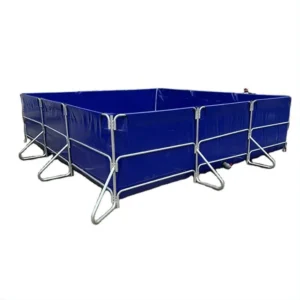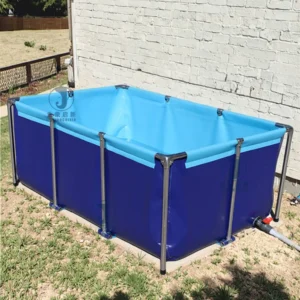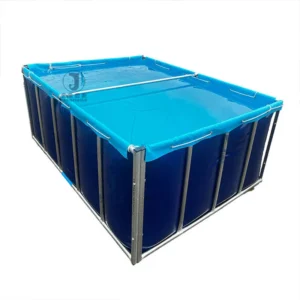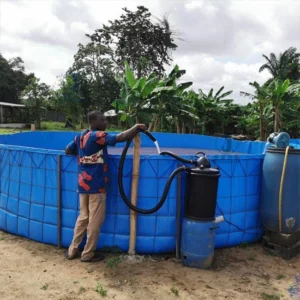

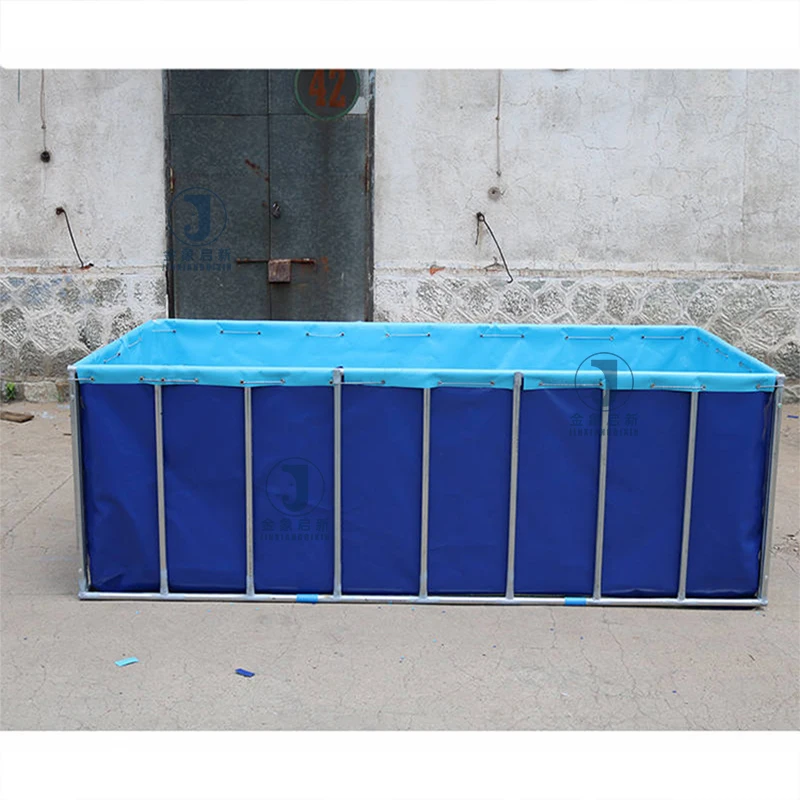
Precision-Coated Roll Consistency — Three full production lines and dedicated QA checkpoints ensure every PVC coated tarpaulin roll leaving our facility meets the exact GSM and coating weight specified on the quotation, verified before dispatch.
Technical Specifications
| Parameter | Value |
|---|---|
| Product Type | PVC Coated Tarpaulin |
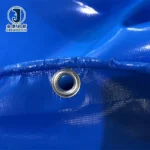
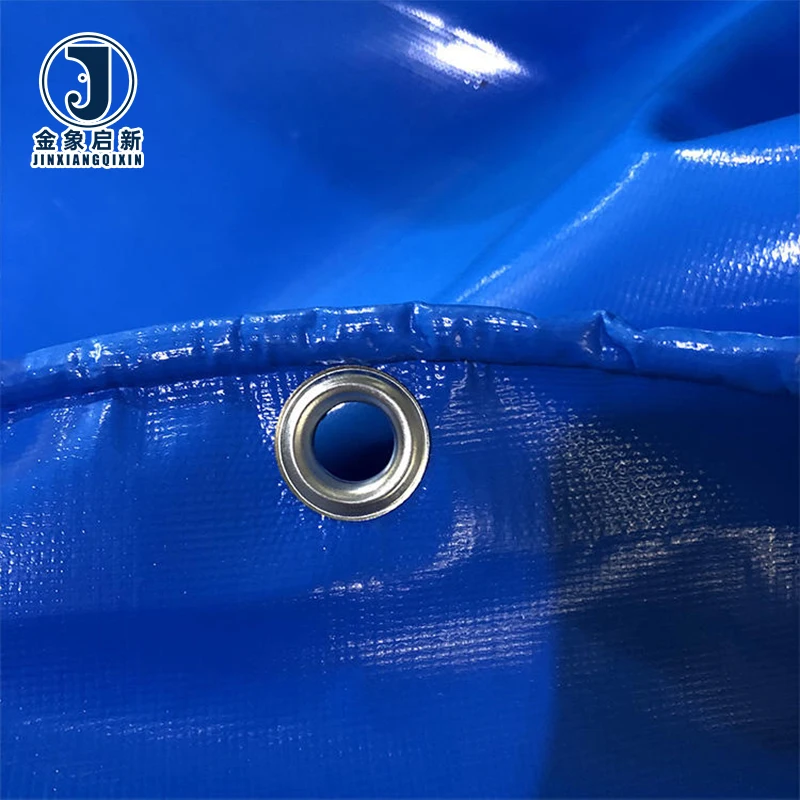
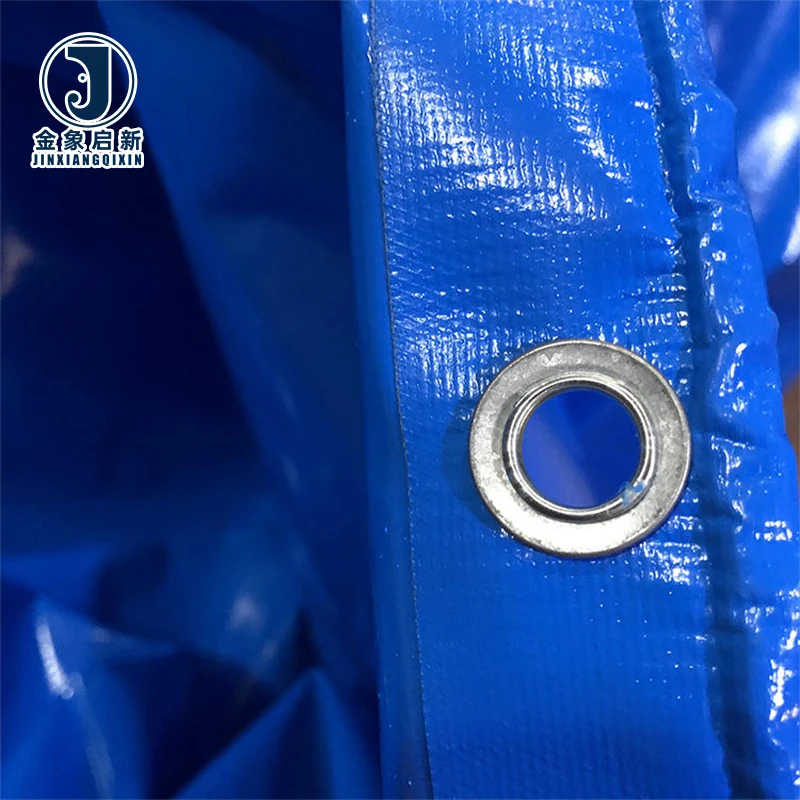
| Material | PVC + High-strength polyester mesh fabric |
| Coating Method | Laminated Technology & Hot-melt Coating Technology |
| Weight (GSM) | 350gsm / 420gsm / 500gsm / 550gsm / 600gsm / 750gsm |
| Total Thickness | 0.32mm / 0.35mm / 0.4mm / 0.45mm / 0.5mm / 0.65mm |
| Color Options | Blue / Red / Yellow / Light blue / Grey (Customized) |
| Roll Size | 2m × 75m / 2.1m × 50m |
| Finish Product Size | Custom cut-to-size or sold by inventory roll |
| Key Features | Waterproof, sunproof, cold crack resistant, anti-mildew, outstanding tearing strength for welding, best color fastness |
| Flame Retardant | Available in flame retardant grades — confirm the grade required for your market |
| UV Treatment | UV stabilization treatment available — confirm test basis for your specification |
| Anti-Static | Anti-static treatment available — confirm surface resistance value or standard reference required |
| Service Life | Suited to extended service under normal exposure conditions |
| Certifications | ISO, CE |
Application Suitability
| Application | Exposure & Requirement |
|---|---|
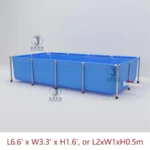
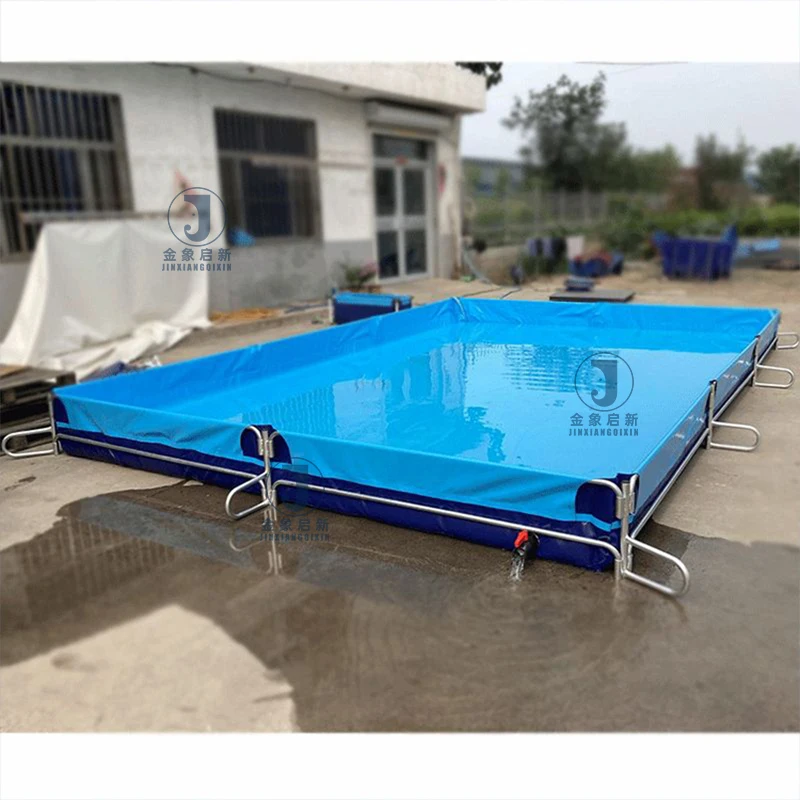
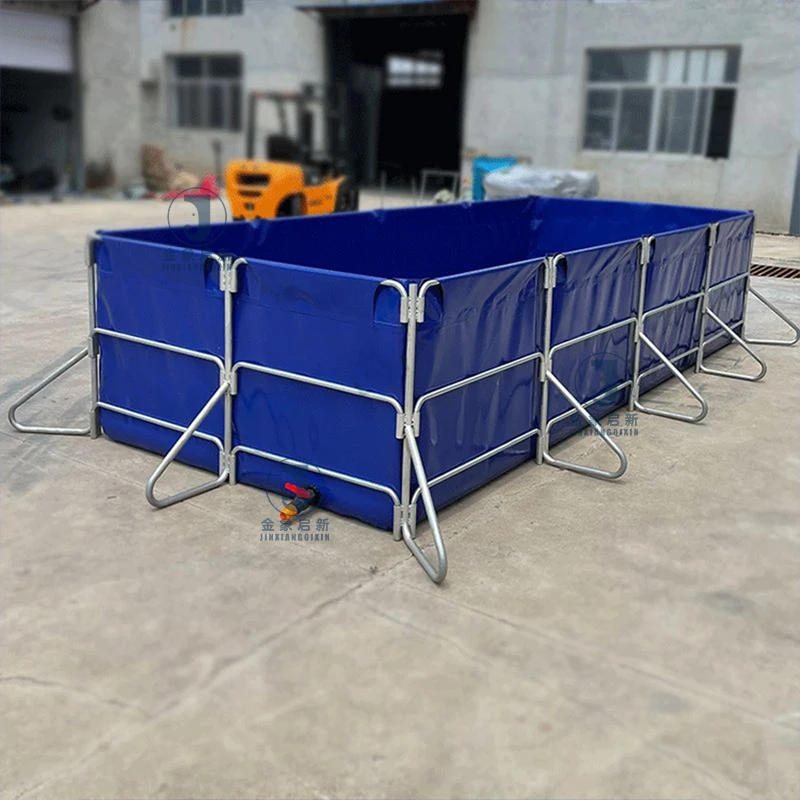
| Aquaculture pond lining | Permanent water contact, biological growth pressure, soil chemistry exposure, puncture risk from substrate |
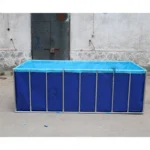
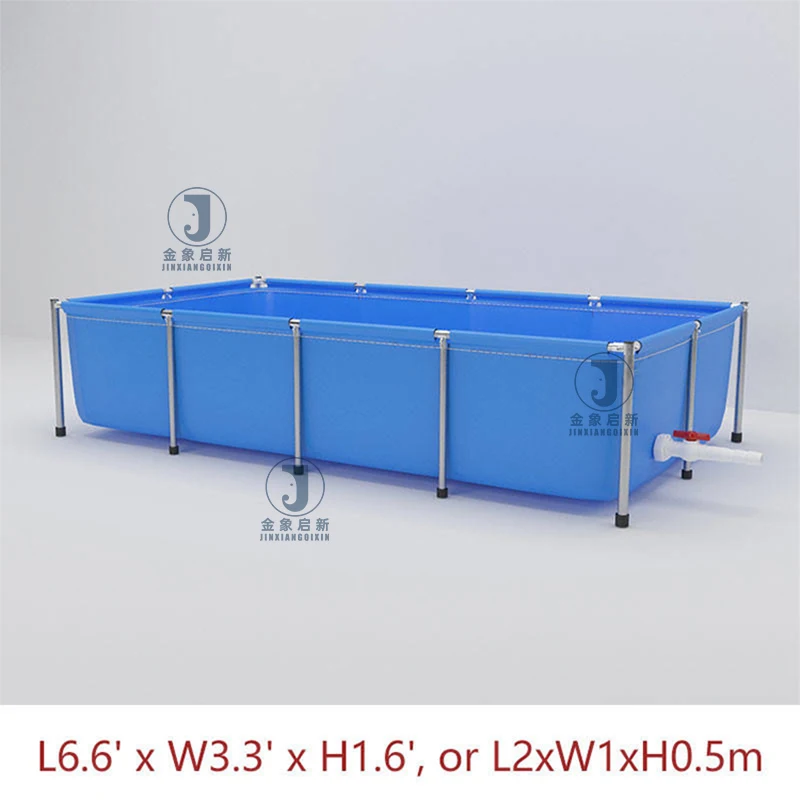
| Fish tank construction | Constant water immersion, cleaning chemical resistance, weld seam integrity under hydrostatic load |
| Water reservoir lining | UV exposure on exposed surfaces, temperature fluctuation, long-term waterproofing performance |
| Agricultural water storage | Seasonal deployment, abrasion from sediment, UV degradation in open-air installations |
Why Fire-Retardant and Anti-Static Claims Fail Without a Test Report
A PVC coated tarpaulin roll fire retardant or anti-static claim means nothing unless the test report names a recognised standard and grade.
Ventilation duct and pond liner fabric frequently arrives on site with a generic "fire retardant" stamp but no classification behind it. Inspectors reject the material, the contractor faces rework, and the project schedule slips. We have seen procurement teams accept a supplier declaration only to discover during site audit that the PVC coated tarpaulin roll fire retardant paperwork references no standard at all. [NEED_CITE: common fire classification standards for coated textiles including M2, B1, NFPA 701 and DIN 4102]
Coating Adhesion and Weld Integrity for Water Containment
The hot-melt coating technology used in this PVC coated tarpaulin range bonds the PVC layer directly into the high-strength polyester mesh substrate. This creates adhesion strength that supports reliable heat welding at seam joints — a critical factor for pond liners and tank construction where hydrostatic pressure concentrates stress along every welded seam. When the coating method*c weave, the weld line performs as a structural continuation of the membrane rather than a vulnerability point.
Treatment Verification for Technical and Aquaculture Compliance
Anti-mildew treatment matters for any fabric in permanent water contact, yet the absence of a documented test basis leaves buyers unable to confirm the treatment level. Similarly, anti-static treatment is essential for ventilation duct applications in mining and tunnelling environments. We supply the PVC coated tarpaulin roll fire retardant and anti-static grades with test documentation referencing the applicable standard — not an unsupported claim on an invoice. [NEED_CITE: ISO 1421 tensile and tear test methods for coated fabrics]
Understanding GSM, Base Fabric, and Coating Weight Together
GSM alone does not predict how a pond liner will behave under installation stress. A 550gsm fabric with a dense polyester base and thin coating will tear differently from a 550gsm fabric with a loose weave and heavy coating. The hot-melt coating technology here ensures the PVC fills the interstices of the high-strength polyester mesh, contributing to both tensile load distribution and weld seam strength. Total thickness values from 0.32mm to 0.65mm across the range correlate with coating build and puncture resistance. For pond applications, higher GSM grades with greater coating weight provide improved resistance to substrate protrusions and installation handling damage. The laminated technology variant offers an alternative bonding approach suited to applications where surface smoothness and colour consistency are priorities over maximum adhesion strength.
The Cost of Specifying on GSM Without Verifying Coating Quality
When a buyer selects a PVC coated tarpaulin based solely on quoted GSM and the delivered material arrives lighter than agreed, the pond liner may puncture during installation or degrade faster under UV exposure. Colour variation between rolls in the same shipment becomes visible once panels are welded side by side in a large reservoir. Weld seams failing before the fabric itself tears indicates inconsistent coating adhesion — a problem that surfaces only after the pond is filled and access for repair is difficult. These failures trace back to insufficient in-process quality control during coating, not to the specification itself. [NEED_CITE: coated fabric quality verification and pre-shipment inspection practices]
Why Source Your Technical Coated Fabric Here
Nearly thirty years of focused production on coated fabric translates into process control that keeps GSM, colour, and coating adhesion consistent across every roll in your order. Three full production lines and thirty-six sets of professional equipment provide the capacity to fulfil bulk roll orders on schedule without splitting production across outsourced lines. A ten-person R&D team develops samples within days when you need a specific colour, width, or treatment grade confirmed before committing to volume. Dedicated QA inspection at every production stage with full roll-by-roll verification before shipment means the PVC coated tarpaulin roll fire retardant or anti-static documentation you receive matches what was actually produced. Every dispatch ships with complete documentation — from material specification sheets to certificates of origin — so your receiving team can verify compliance immediately.
Documentation & Verification
- Material specification sheet stating exact GSM, base fabric denier, and coating weight for your ordered grade
- Test report for flame retardant grade referencing the specific standard applicable to your market
- UV stability and anti-mildew treatment verification with documented test basis
- Pre-shipment inspection record confirming roll-by-roll QA verification against order specification
- Certificate of origin, ISO and CE certificates, and customs documentation included with every dispatch
Fabrication, Handling & Storage
- Heat weld temperature and dwell time should be calibrated to the specific GSM grade and coating thickness ordered
- Roll storage on flat racks prevents permanent creasing that weakens the PVC coating at fold lines
- Unroll at ambient temperature above five degrees Celsius to avoid cold crack damage to the coating
- Cut pattern layout should account for 2m or 2.1m roll width to minimise weld seams in pond installations
- Weld seam overlap width must exceed minimum threshold for the selected GSM grade to ensure watertight joints
- Avoid prolonged direct sunlight exposure of stored rolls before fabrication to preserve UV treatment effectiveness
What We Need to Quote Accurately
Provide your application type and the specific exposure conditions the liner or duct will face in service. Confirm the fire-retardant grade, anti-static standard, or anti-mildew treatment level required by your local regulations or site specification. Specify the roll width, GSM grade, colour, and whether you need full rolls or custom cut-to-size panels so we can develop a sample and quotation with accurate lead time.
Frequently Asked Questions
Q: How do I confirm the actual GSM of each roll matches what was quoted?
A: Every roll undergoes weight verification during our pre-shipment inspection process. You receive an inspection record documenting the measured GSM against the quoted specification. We also support third-party testing on arrival if your procurement policy requires independent verification. The material specification sheet included with your shipment states the exact grade, base fabric denier, and coating weight.
Q: Which fire-retardant standards are available for pond liner and ventilation duct applications?
A: We supply PVC coated tarpaulin in flame retardant grades aligned to commonly referenced standards. The specific grade required depends on your market regulations and the application environment. Confirm with us which standard applies — such as M2, B1, NFPA 701, or DIN 4102 — and we will provide the corresponding test report with your shipment documentation.
Q: How is colour consistency maintained when ordering multiple rolls in a single batch?
A: Our production lines use controlled coating and pigment dosing processes with in-line QA checkpoints at every stage. All rolls within a single order are produced under matched conditions to minimise batch-to-batch colour variation. If your project requires panels installed side by side, we recommend requesting a pre-production sample for colour approval before full batch manufacturing begins.
Q: What GSM grade is appropriate for different pond depths and fish species?
A: Higher GSM grades with thicker coating provide greater puncture resistance, which matters for deeper ponds with higher hydrostatic pressure and for species that disturb the substrate. The choice depends on your pond design, substrate condition, and installation method. Share your pond dimensions and application details so we can recommend the appropriate weight grade from the available range and provide a sample for evaluation.
Q: What is the lead time and minimum order for custom width or colour?
A: Lead time depends on the specification complexity and current production schedule. Custom widths, colours, and treatment grades are produced on our dedicated lines with samples developed within days for your approval before volume production. Contact us with your required specification and annual volume so we can provide an accurate lead time and minimum order quantity for your specific requirements.