
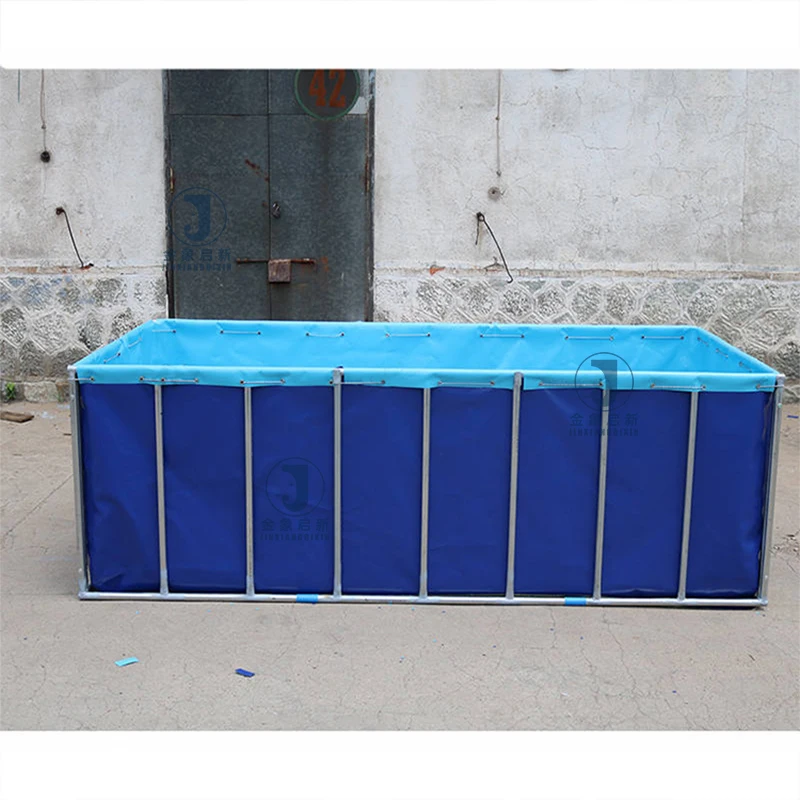
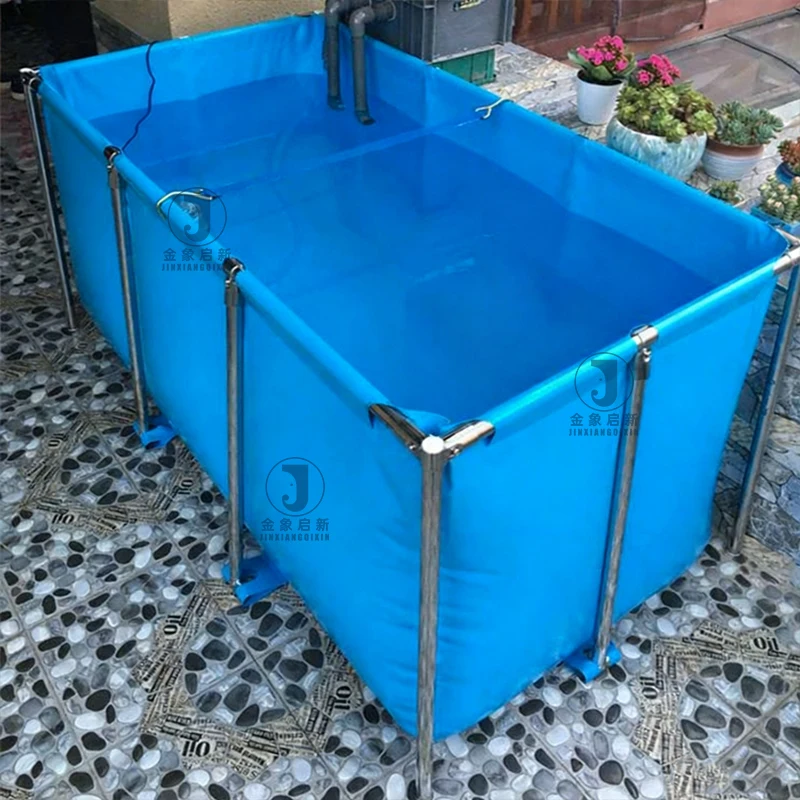
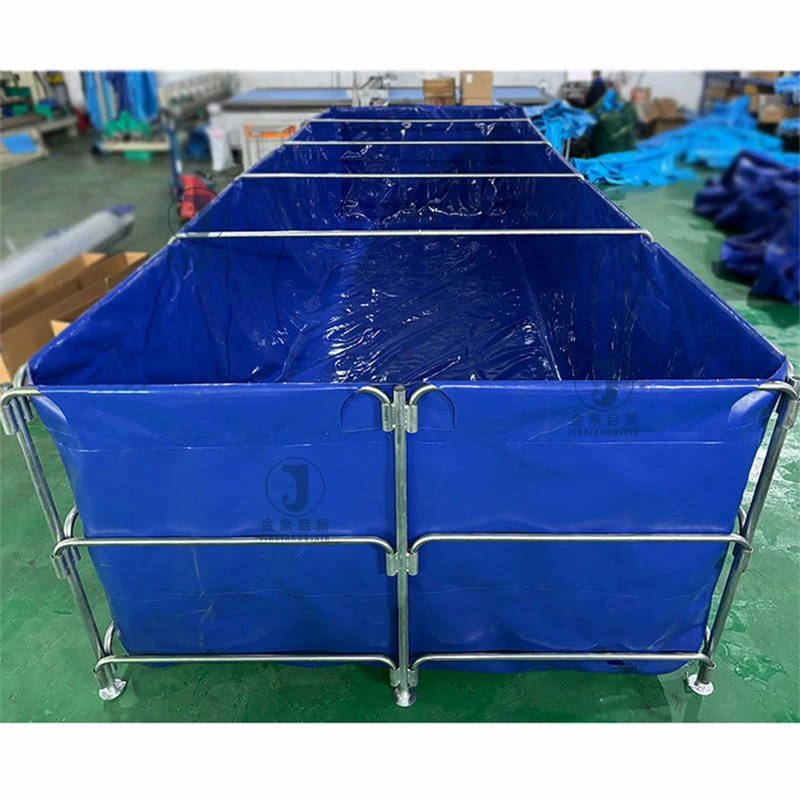
[Specialist-grade coated fabric] — backed by three full production lines and 36 sets of professional equipment delivering membrane and inflatable structure fabric to regulated sites requiring documented fire-retardant and anti-static compliance.
Technical Specifications
| Parameter | Value |
|---|---|
| Product Type | PVC Coated Tarpaulin |
| Base Fabric | High-strength polyester mesh |
| Coating Method | Laminated Technology & Hot-melt Coating Technology |
| Weight Range (GSM) | 350gsm / 420gsm / 500gsm / 550gsm / 600gsm / 750gsm |
| Total Thickness | 0.32mm / 0.35mm / 0.4mm / 0.45mm / 0.5mm / 0.65mm |
| Roll Size | 2m × 75m / 2.1m × 50m |
| Finish Product Size | Custom or inventory stock |
| Color Options | Blue / Red / Yellow / Light blue / Grey / Custom |
| Key Features | Waterproof, cold crack resistant, anti-mildew, high color fastness, outstanding tearing strength for welding |
| Special Treatments | Flame retardant (grade not stated — confirm the grade required for your market), anti-static (grade not stated — confirm certification required), anti-cold, 3P |
| Certification | ISO, CE |
Application Suitability
| Application | Exposure & Requirement |
|---|---|
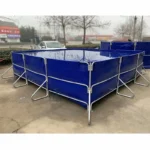
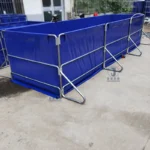
| Fish pond and shrimp pond liner | Permanent water immersion, soil chemistry contact, puncture risk from substrate, UV exposure |
| Agricultural reservoir and water bladder | Continuous water containment, outdoor weathering, structural flex under hydrostatic load |
| Membrane and inflatable structure | Wind load tension, weld seam integrity, fire-retardant or anti-static site compliance |
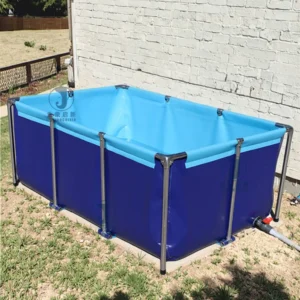
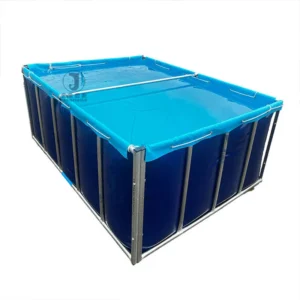
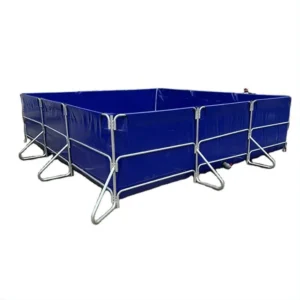
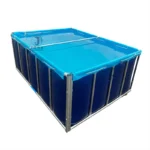
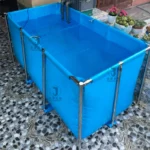
| Above ground swimming pool with metal frame | Hydrostatic pressure against frame, abrasion at contact points, UV and mildew exposure |
When "Certified" Has No Paperwork Behind It
We provide the test report and certification document with every shipment, not just a claim on the quotation.
Ventilation duct or PVC pond liner fire retardant or anti-static treatment is often quoted as a feature, yet the fabric arrives on site with no supporting documentation to satisfy the fire marshal or safety auditor. The consequence is a failed inspection, work stoppage, and a contractor forced to replace material already installed. Sourcing PVC coated tarpaulin for fish pond and pool applications in regulated environments means the certification paperwork is as critical as the fabric itself [NEED_CITE: fire safety compliance documentation requirements for membrane structures].
Coating Adhesion and the Weld Line
Laminated and hot-melt coating technology bonds the PVC layer to the high-tenacity polyester mesh base fabric under heat and pressure. This process produces a consistent coating weight across the roll width and ensures the PVC penetrates the mesh structure rather than sitting on the surface. For fabricated pond liners and pool walls, the critical performance test is what happens at the welded seam when the material flexes under water load. Strong adhesion between coating and base fabric means the tear propagates through the fabric itself rather than peeling the coating away from the mesh at the weld line.
Treatment Grades and Site Compliance
Flame retardant and anti-static treatments are available as special order options for PVC pond liner fire retardant or anti-static specifications. However, different markets and site types demand different classification standards — a mining tunnel ventilation requirement differs from a public aquaculture facility membrane structure [NEED_CITE: anti-static surface resistance classification for industrial fabrics]. Before committing to a grade, confirm which standard your site inspector or regulatory body requires so the correct treatment and matching test report can be supplied with your consignment.
Reading the Specification Sheet Correctly
The weight range from 350gsm to 750gsm covers distinct grades, each with a corresponding thickness from 0.32mm to 0.65mm. Weight alone does not determine strength — the denier and weave density of the polyester base fabric work together with the GSM to produce the final tensile and tear values. A 550gsm fabric built on a high-denier, tightly woven base can outperform a heavier grade made on a looser mesh. The laminated and hot-melt coating process affects peel strength differently: hot-melt coating typically delivers higher adhesion at the weld, which matters when a pond liner seam must resist peeling under hydrostatic pressure. Cold crack resistance and anti-mildew treatment extend serviceability in climates with prolonged water exposure and seasonal temperature swings. Colour fastness is controlled at the coating stage to prevent visible variation when panels from different rolls are welded side by side on a large reservoir project.
The Cost of a Specification Mismatch
A pond liner quoted at 600gsm that arrives closer to 500gsm does not just underperform on tensile strength — it welds differently, flexes differently under load, and may fail at the seam long before the fabric body shows wear. Colour shift between rolls on the same order becomes visible once installed, turning a commercial aquaculture facility into an aesthetic liability. PVC pond liner fire retardant treatment claimed without a grade means the fabric may pass a basic burn test in the lab but fail the specific classification the site inspector requires, triggering removal and replacement after installation [NEED_CITE: consequences of fire classification mismatch in membrane installations].
Why Source Through Jinan Jinxiang
Three full production lines and 36 sets of professional equipment provide the bulk capacity to deliver container loads of roll stock with consistent coating weight across every roll. A 10-person R&D team develops custom samples within days, matching your specified GSM, colour, and treatment requirement before you commit to production volume. Dedicated QA/QC runs at every production stage with 100% pre-shipment inspection, so the PVC coated tarpaulin for fish pond and pool applications you receive matches the specification sheet you approved. Deep process control over coating weight and adhesion, built over nearly 30 years focused on coated fabric, means weld behaviour and peel strength are controlled at the production level, not left to chance. Roll-to-roll colour consistency is verified before packing, eliminating the visible panel mismatch that causes rejection on large installations.
Documentation & Verification
- Material specification sheet stating exact GSM, base fabric denier, and coating method for the grade ordered
- Test report for fire-retardant and anti-static grades matching your site compliance requirement
- Pre-shipment inspection record confirming 100% QA before dispatch
- Roll packing list with weight and dimensions per roll for container loading
- Certificate of origin and full customs documentation for export shipments
Fabrication, Handling & Storage
- Hot-air welding at temperature and speed matched to the 350gsm–750gsm grade ensures full coating fusion at the seam
- Allow sufficient seam overlap based on the chosen thickness from 0.32mm to 0.65mm for structural pond liner joints
- Store rolls horizontally on a flat surface to prevent permanent creasing in the polyester mesh base
- Unroll cold-stored PVC pond liner fire retardant fabric gradually to allow the material to reach ambient temperature before welding
- Clean with mild detergent only — avoid solvent-based cleaners that can attack the PVC coating surface
- Plan cut layout across the 2m or 2.1m roll width to minimise off-cuts and weld seam count on large ponds
Before You Request a Quotation
Provide the intended application and exposure conditions, including whether the installation requires documented fire-retardant or anti-static compliance for your site. Specify the GSM or thickness range you are considering, the roll width that suits your fabrication setup, and whether you need inventory stock or custom colour. Confirm if you require sample panels in your specified grade for weld testing before committing to bulk production.
Frequently Asked Questions
Q: Which fire-retardant standard does the pond liner meet, and is the test report included with shipment?
A: Flame retardant treatment is available in grades suited to different market requirements. The specific grade must be confirmed against your local fire classification standard before production. Once confirmed, the matching test report is included in the documentation package shipped with your order, ensuring your site inspector has the paperwork required for compliance verification.
Q: What is the surface resistance for anti-static pond liner, and which certification applies?
A: Anti-static treatment is available as a special order option for PVC coated tarpaulin used in regulated environments such as mining or tunnel applications. The surface resistance value and applicable certification depend on the grade specified. Provide your site compliance requirement at inquiry stage so we can match the treatment and supply the corresponding test report with your shipment.
Q: How can I verify the GSM of the received pond liner matches the quotation?
A: Every consignment ships with a material specification sheet stating the exact GSM ordered, and our pre-shipment inspection record confirms weight verification per roll. On receipt, you can verify by cutting a measured sample and weighing it against the stated value. This three-point documentation chain — quotation, inspection record, and physical check — closes the gap between what was ordered and what arrived.
Q: What welding method and seam allowance do you recommend for fabricating pond liners from this PVC fabric?
A: Hot-air welding is the standard method for PVC coated tarpaulin for fish pond and pool fabrication. The recommended temperature, speed, and seam overlap depend on the specific GSM and thickness grade selected. We recommend requesting welded seam samples in your chosen grade before bulk production to confirm adhesion strength and tear behaviour at the flex points where the liner contacts the pond substrate.
Q: What is the MOQ for custom width and colour, and how are cut-to-size pond panels packed for container shipping?
A: Custom width and colour orders carry minimum quantity requirements that vary by specification. Standard roll sizes are 2m × 75m or 2.1m × 50m, with custom cut-to-size panels available on request. Rolls are packed for container loading with a packing list detailing weight and dimensions per roll, and cut panels are packed flat to prevent creasing during transit.