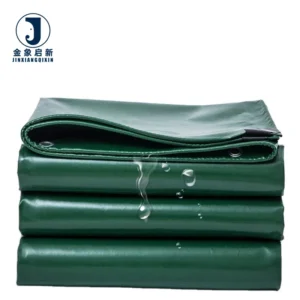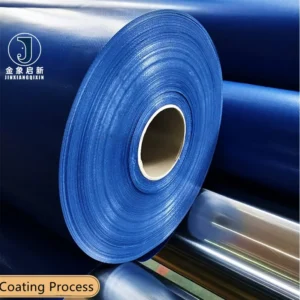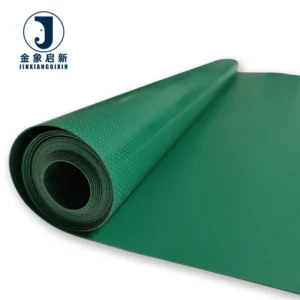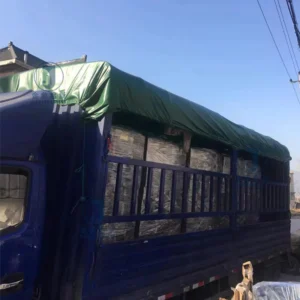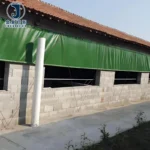
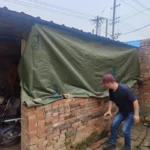
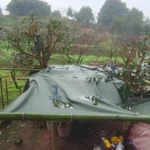
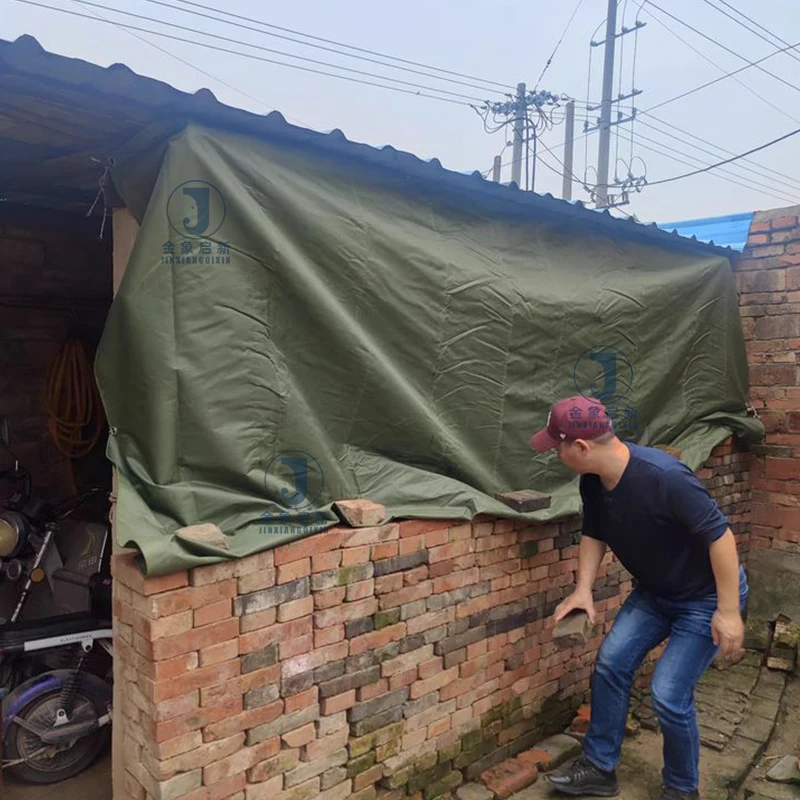
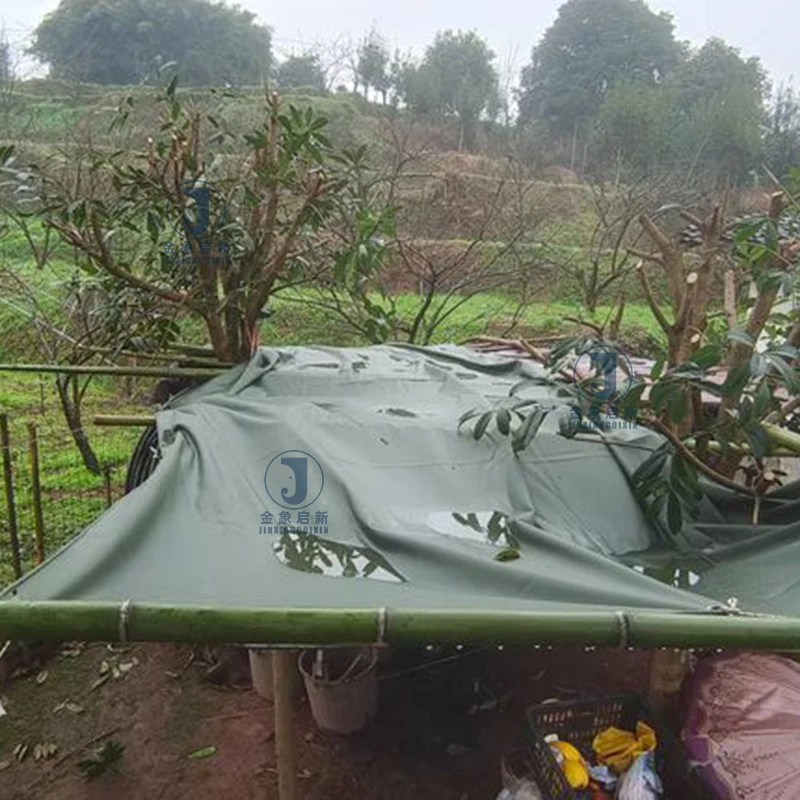
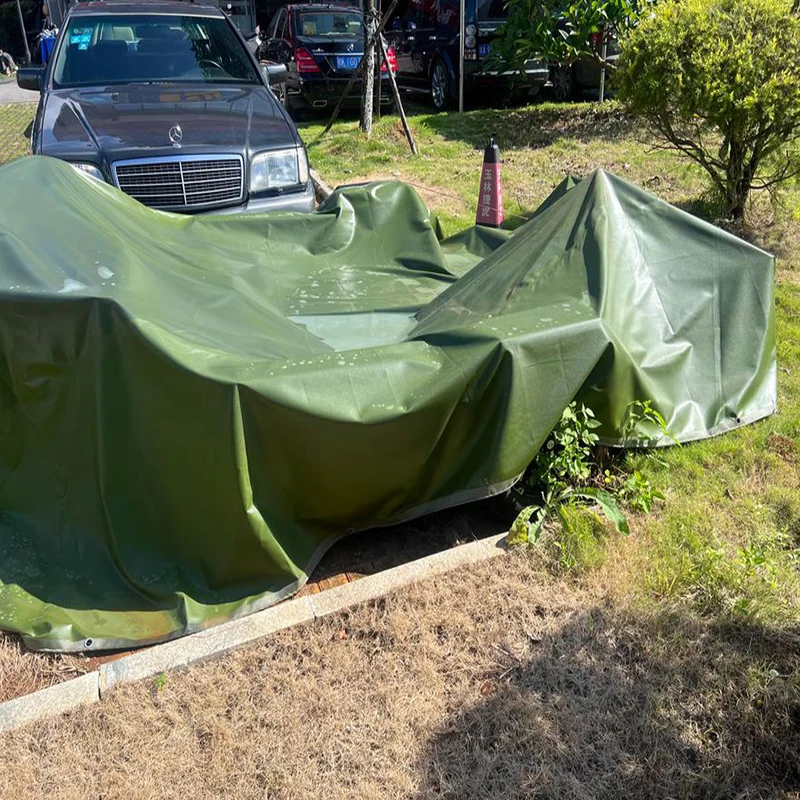
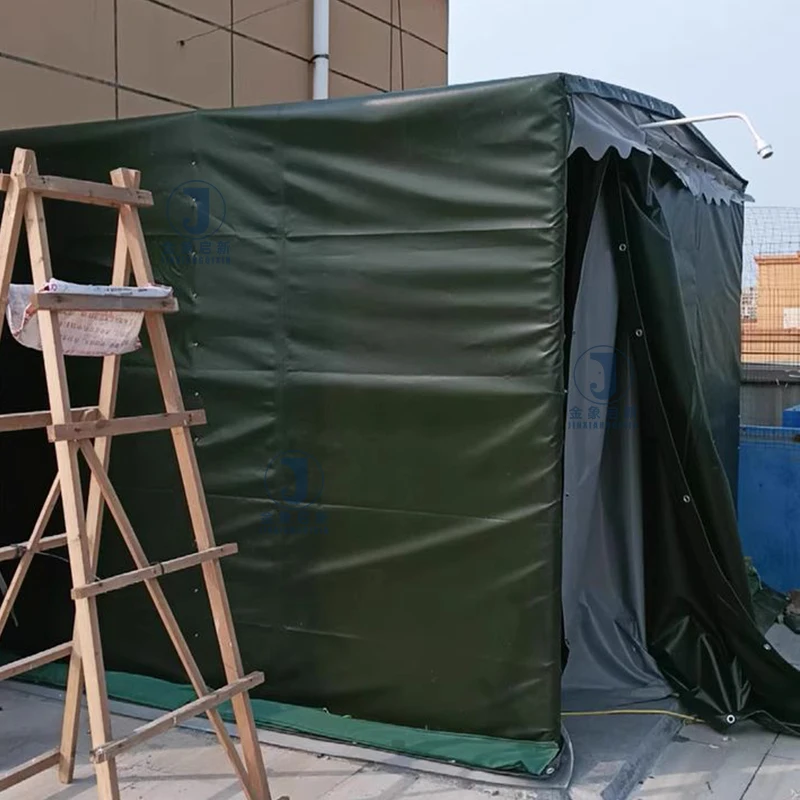
Proven coating process control — Nearly 30 years focused on PVC coated fabric with dedicated QA at every stage ensures ventilation duct and farm cover material arrives matching the specification sheet, not just the quotation.
Technical Specifications
| Parameter | Value |
|---|---|
| Product Type | PVC Coated Tarpaulin |
| Coating Material | PVC |
| Base Fabric | Warp Knitted Fabric |
| Style | Plain |
| Surface Treatment | Waterproof, Anti-Static (standard not stated in source) |
| Flame Retardant Grade | Available — confirm the grade required for your market |
| UV Treatment | Available — test basis not stated in source |
| Customizable Colors | Available on request |
| Tear Resistance | High (test basis not stated in source) |
| Application Grade | Industrial / Agricultural Heavy-Duty |
Application Suitability
| Application | Exposure & Requirement |
|---|---|
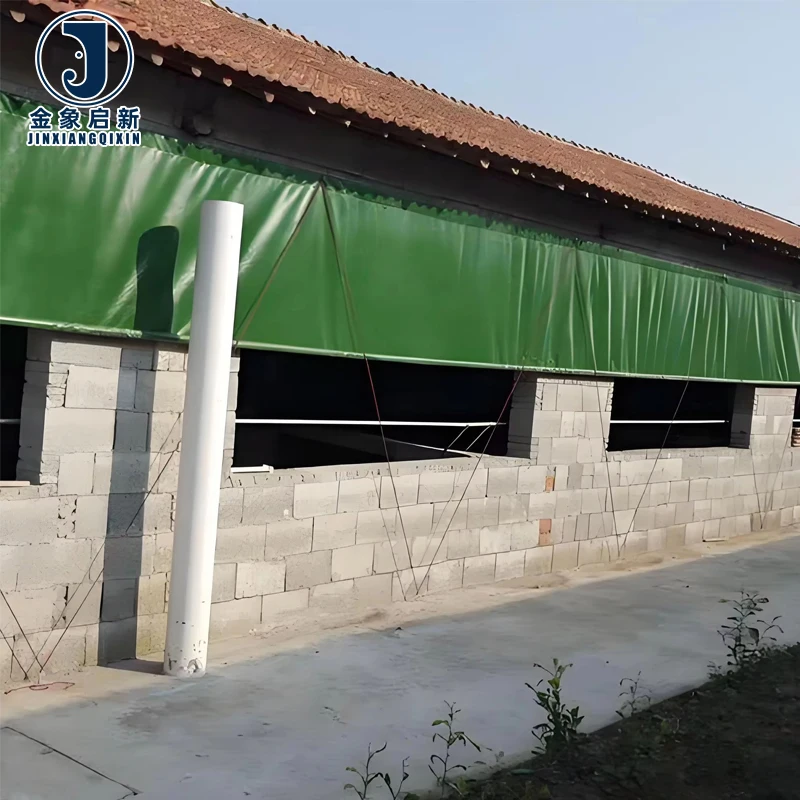
| Poultry house side curtains and roof covers | Continuous moisture, dust accumulation, static discharge risk in enclosed dry environments |
| Pig and sheep shelter tent fabric | Wind-loaded structures, animal contact, repeated rain exposure and ground splash |
| Agricultural ventilation duct for broiler houses | Internal air circulation, confined farm atmosphere, anti-static and fire safety compliance |
| Farm equipment and feed stockpile protective covers | Outdoor weathering, UV exposure, puncture risk from handling and stacking |
Why Anti-Static Certification Matters More Than the Claim Itself
A PVC coated tarpaulin that claims anti-static performance without a verified surface resistance test report is a compliance gap waiting to stall your farm inspection.
When a ventilation duct or farm cover arrives on site without the fire-retardant or anti-static documentation the inspector requires, the entire installation pauses. I have seen agricultural projects delayed because the fabric supplier provided a data sheet that mentioned "anti-static treatment" but could not produce a test result tied to a recognised standard. In enclosed poultry environments where dust concentration and electrical charge buildup are daily operational realities, the difference between a treated fabric and a verified treated fabric determines whether the structure passes safety review or gets flagged for replacement. Specifying PVC Coated Tarpaulin for farm ventilation and livestock shelter without locking down the test basis upfront creates rework risk that compounds through the construction timeline [NEED_CITE: anti-static surface resistance testing standards for agricultural textiles].
How Anti-Static PVC Coating Performs in Livestock Environments
Enclosed poultry and pig housing generates fine organic dust that adheres to electrostatically charged surfaces, reducing air quality and increasing cleaning frequency. The anti-static treatment applied to this PVC Coated Tarpaulin for farm ventilation and livestock shelter addresses the charge buildup on the fabric surface, limiting dust attraction on side curtains and duct interiors. This matters most in broiler houses where ventilation ducts run continuously and static discharge can interfere with sensitive environmental control sensors.
Waterproof Barrier and Structural Tear Resistance
Farm structures face sustained rain exposure and wind loading that test both the coating integrity and the base fabric strength simultaneously. The warp knitted base fabric provides multidirectional tear resistance, preventing small punctures from propagating across the panel when the shelter flexes under gust loads. The PVC coating forms a continuous waterproof barrier rated for outdoor agricultural exposure, keeping livestock and feed dry through seasonal weather cycles [NEED_CITE: tensile and tear test methods for coated fabrics per ISO 1421].
Reading the Specification Sheet Beyond GSM
Coating weight and base fabric denier work together to determine how a farm cover performs under real installation stress. A heavier GSM achieved through thick coating on a light base fabric will resist abrasion but may crack at fold points in cold weather. Conversely, a dense warp knitted substrate with moderate coating weight delivers better tear propagation resistance and weld seam strength — the two failure modes most common in agricultural tent structures. Surface finish also plays a role: plain style PVC surfaces accept heat welding cleanly, which is the preferred joining method for duct fabrication and large-panel shelter assembly, as stitched seams create needle holes that compromise the waterproof barrier over time.
The Cost of Undocumented Material Properties
Ordering farm cover fabric based on a quotation that lists anti-static treatment and flame retardancy without attached test reports exposes the project to rejection at inspection. I have encountered situations where multiple rolls installed side by side showed visible colour variation because batch consistency was not verified before dispatch, forcing the contractor to re-cover entire sections. Welded seams failing before the fabric itself is another recurring issue — often traced to incorrect heat settings for the specific coating formulation rather than a material defect. These failures are preventable when the specification sheet, pre-shipment inspection, and test documentation are aligned before the container ships [NEED_CITE: pre-shipment inspection protocols for coated technical textiles].
Why Source This Fabric Through Jinxiang Tech
Three full production lines and 36 sets of professional equipment support bulk roll output with consistent coating weight across the order, reducing the roll-to-roll variation that causes colour mismatch on large farm builds. A 10-person R&D team handles custom colour matching and sample development within days, so you can confirm the exact shade and surface finish before committing to full production. Dedicated QA/QC at every production stage with full pre-shipment inspection means the anti-static treatment claim is backed by documentation, not just a line on the invoice. Deep process control over coating adhesion and weight ensures the PVC layer bonds to the warp knitted base fabric reliably through the flex cycles that farm structures endure season after season.
Documentation & Verification
- Material specification sheet stating GSM, base fabric denier, and coating weight for each roll
- Anti-static surface resistance test report matching the standard required by your farm safety protocol
- Pre-shipment inspection record verifying colour consistency across all rolls in the order
- ISO and CE certificates included in dispatch documentation package
- Roll packing list with individual roll dimensions and weights for receiving verification
Fabrication, Handling & Storage
- Heat weld using temperature settings confirmed against the specific PVC coating formulation to prevent seam failure at flex points
- Store rolls upright on end caps to avoid flat-spot creasing that transfers into visible marks on installed farm covers
- Allow rolls to acclimatise before unrolling in cold conditions to prevent coating stiffness and cracking during fabrication
- Use PVC-compatible cleaners only, as aggressive solvents degrade the anti-static surface treatment over repeated wash cycles
- Plan panel layout to minimise cross-direction welds, which experience higher stress than machine-direction seams under wind load
What to Include in Your Enquiry
To receive an accurate specification and sample, provide the intended application — whether side curtain, roof cover, or ventilation duct — along with the required roll width, colour reference, and any fire-retardant or anti-static standard your local inspection authority mandates. Confirm whether you need roll stock only or finished cut sizes with edge reinforcement, and indicate your estimated annual volume so production scheduling can accommodate batch consistency requirements.
Frequently Asked Questions
Q: What anti-static standard does this PVC tarpaulin meet, and how is it verified on arrival?
A: Anti-static treatment is applied during coating and can be tested to the surface resistance standard your market requires. Confirm the specific standard with our R&D team before sampling. Each shipment includes a test report, and you can verify surface resistance independently upon receipt using a standard megohmmeter on the fabric surface.
Q: Is a flame-retardant grade available for farm tent fabric, and which test standard applies?
A: Flame-retardant grades are available for this PVC coated tarpaulin — confirm the grade required for your market, as different regions mandate different test standards. Our team will match the appropriate formulation and supply the corresponding test report with your order documentation for inspection compliance.
Q: How do you ensure roll-to-roll color consistency on large farm build orders?
A: All rolls in a single project order are produced from the same coating batch. Our pre-shipment inspection includes a side-by-side colour comparison under controlled lighting before dispatch. The inspection record documents this verification, so you know the material will match when installed across a large structure.
Q: What GSM and base fabric options suit livestock shelter covers in high-wind regions?
A: Higher wind loads require a combination of adequate coating weight and a dense warp knitted base fabric to resist tear propagation. Share your site wind conditions and panel dimensions with our team, and we will recommend the appropriate specification with a sample for your approval before production begins.
Q: Can custom widths and lengths be supplied for agricultural ventilation duct applications?
A: Custom widths and lengths are produced on our full production lines with minimums that depend on the colour and specification selected. Provide the duct diameter, required flat width, and total linear metres, and we will confirm lead time, minimum order, and send a fabrication sample for weld testing.