



Specification Integrity — Every roll of this PVC knife-coated fabric ships with a weight verification record matching the stated GSM, ensuring the material you receive aligns with the technical data sheet used for your project specification.
Technical Specifications
| Parameter | Value |
|---|---|
| Product Type | PVC Knife-Coated Fabric |
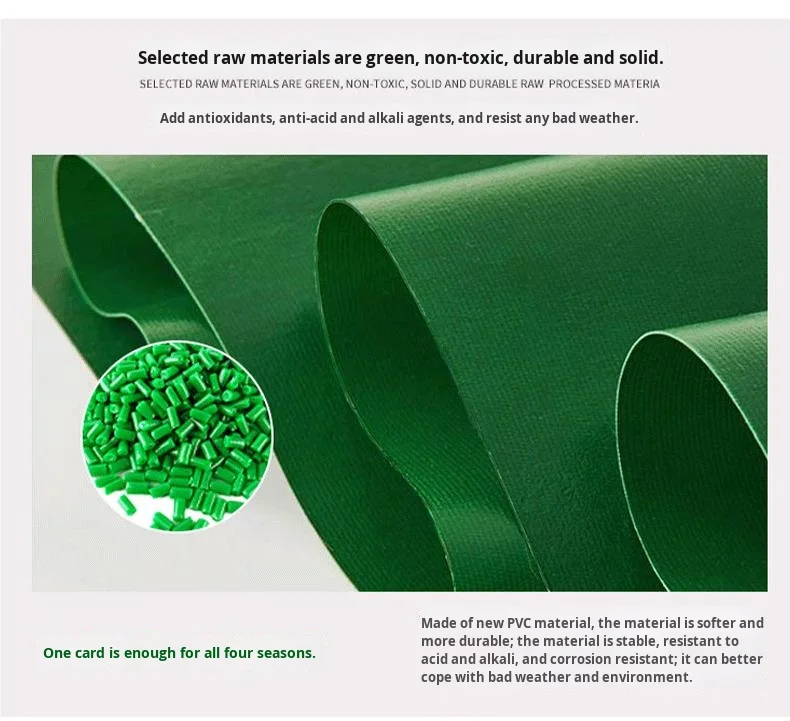
| Material | PVC + High-strength polyester mesh fabric |
| Weight Options | 500gsm, 600gsm |
| Thickness Options | 0.45mm, 0.5mm |
| Roll Width | 2m / 2.1m |
| Roll Length | 75m / 50m |
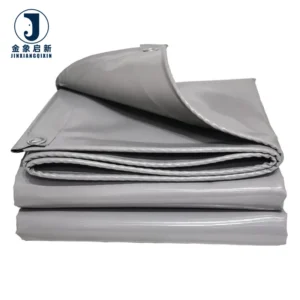
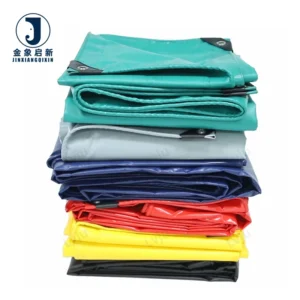
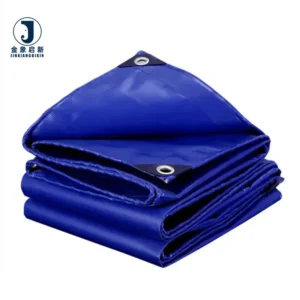
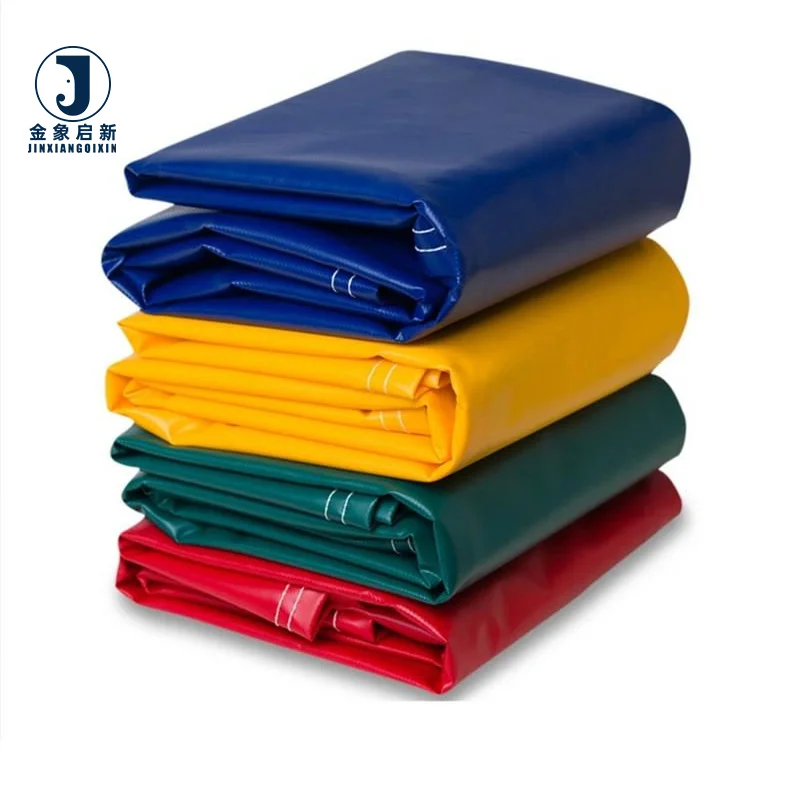
| Color | Blue, Red, Yellow, Light blue, Grey (customizable) |
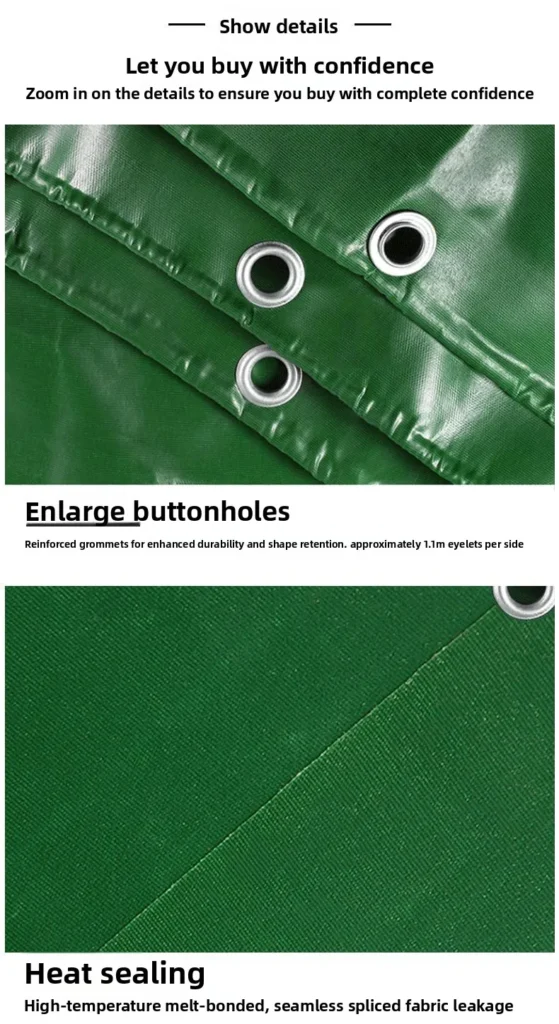
| Coating Technology | Laminated technology & Hot-melt coating technology |
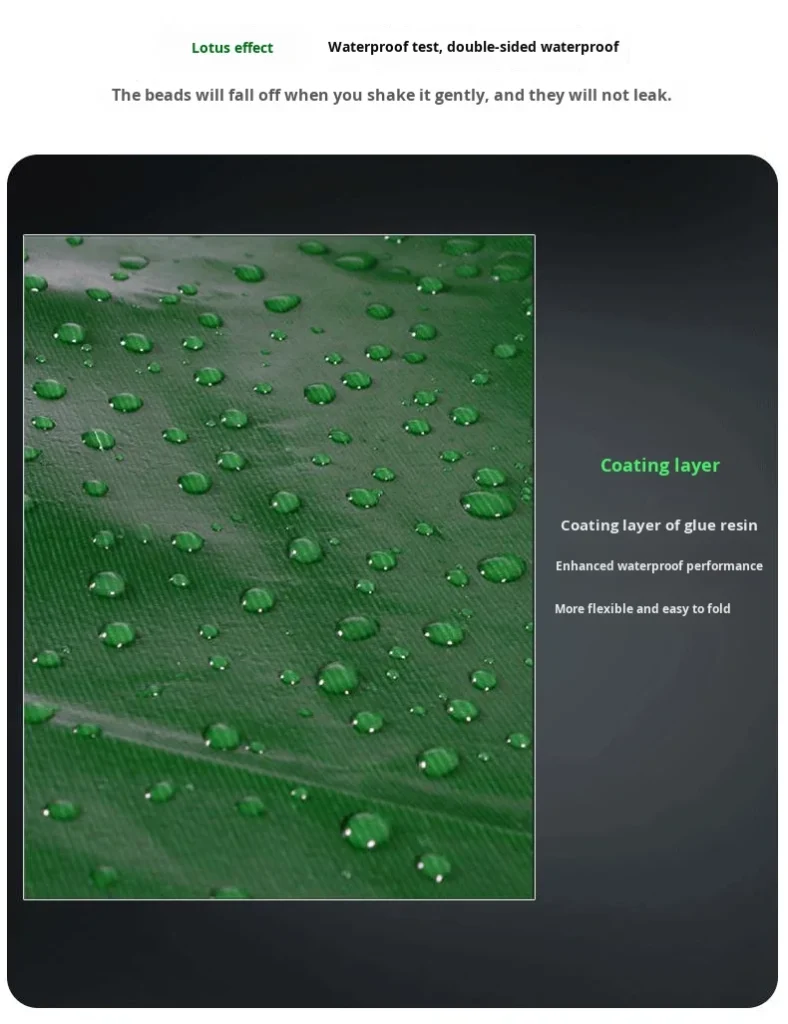
| Waterproof | Claimed |
| UV Treatment | Claimed (test basis not stated in source) |
| Anti-Static | Treatment claimed (standard or surface resistance not stated in source) |
| Anti-Mildew | Claimed |
| Cold Crack Resistance | Claimed |
| Flame Retardant | Not stated in source |
| Service Life | 3-7 years under normal circumstances |
| Key Features | High tenacity polyester yarns, good flexibility, adhesion strength, outstanding tearing strength for welding |
Application Suitability
| Application | Exposure & Requirement |
|---|---|
| Mining ventilation duct | High internal pressure cycling, abrasive dust loading, fire-retardant and anti-static compliance |
| Tunnelling air duct | Continuous flex under positive or negative pressure, moisture exposure, confined-space safety standards |
| Membrane structure fabric | UV and weather exposure, biaxial tensile loads, long-term dimensional stability |
| Aviation hangar duct | Airflow velocity, fire safety classification, low-smoke emission requirements |
| Inflatable structure envelope | Repeated inflation and deflation cycles, seam integrity at fold points |
Why Technical Fabric Buyers Cannot Rely on Weight Alone
When sourcing PVC coated tarpaulin for industrial and specialist application, many buyers specify a GSM figure and assume the tensile and tear performance will follow. A 500gsm roll with a loose 1000-denier weave will tear at the weld far sooner than a 500gsm roll built on a tighter, higher-tenacity base.
I have seen heavy-grade coated rolls fail at the weld line while the surrounding fabric remained intact. The failure was not in the coating but in the base fabric density — the yarns simply pulled apart under the biaxial stress that a ventilation duct experiences during pressure surges. Without a material specification sheet that names the base fabric denier and weave count, the GSM figure tells you how much PVC is on the roll but not how the yarns will behave when the load flexes [NEED_CITE: tensile and tear test methods for coated fabrics per ISO 1421].
Coating Method and Its Effect on Duct and Structure Performance
The PVC coated tarpaulin for industrial and specialist application available here is produced through both laminated and hot-melt coating technology. Laminated construction bonds pre-formed PVC films to the polyester mesh under heat and pressure, giving consistent coating weight across the web width. Hot-melt coating pushes molten PVC into the yarn interstices, creating a mechanical lock that can improve peel strength at welded seams — a critical factor when constructing round or rectangular ventilation ducts that face internal pressure cycling.
How Base Fabric Density Governs Weld Seam Reliability
For mining and tunnelling duct applications, the high-strength polyester mesh fabric must resist yarn pull-out at the weld line. Hot-melt coating tends to encapsulate individual yarns more completely, which can reduce the tendency for fibres to separate when the duct expands and contracts. This matters most at junctions where branches connect to a main duct run, because those points carry compounded stress from airflow direction changes [NEED_CITE: airflow dynamics and stress concentration in textile duct junctions].
Reading GSM, Thickness and Coating Together
The 500gsm and 600gsm grades correspond to 0.45mm and 0.5mm thickness respectively. A thicker coating adds abrasion resistance on the outer surface of a ventilation duct, which helps when the duct drags along a tunnel floor during installation. However, thickness without a tight base weave can mean the extra PVC simply adds weight without contributing to tear resistance. Specifiers should request the base fabric denier and ends-per-inch count to understand how the load is distributed across the yarns, not just the total weight of the roll. The coating method — laminated or hot-melt — determines how deeply the PVC penetrates the mesh, which in turn affects how the material behaves under high-frequency welding at seam overlap points.
The Hidden Cost of Undocumented Fire-Retardant and Anti-Static Claims
Ventilation ducts in underground mines and aviation facilities must meet fire-retardant and anti-static standards enforced by site safety officers. When fabric arrives with a data sheet that claims fire resistance but cites no grade, the installation fails its compliance inspection and must be removed. I have seen entire duct runs stripped and replaced because the supplier could not produce a test report matching the site’s required classification. The cost of re-fabrication and downtime far exceeds the initial material saving, and the delay can push a project past its commissioning date [NEED_CITE: mining ventilation duct fire safety classification requirements].
Procurement With Verified Documentation
Three full production lines and 36 sets of professional equipment support bulk roll output with on-time scheduling for project timelines. A 10-person R&D team handles material selection, custom width and colour matching, and sample development for membrane structure or duct fabrication trials. Dedicated QA/QC runs at every stage — base fabric inspection, coating weight check, colour consistency across rolls — with 100% pre-shipment inspection before dispatch. Each roll ships with a packing list that records batch identity, enabling traceability from your warehouse back to the coating line. Custom widths, colours and printing are available for large membrane structures or branded duct installations, with samples developed within days for approval before production begins.
Documentation & Verification
- Material specification sheet naming GSM, base fabric denier and coating method for each roll
- Test report for fire-retardant or anti-static grades where required by project specification
- Pre-shipment inspection record confirming weight and visual quality per roll
- Roll packing list with batch identity for full traceability to production date
- Colour reference card matching the Pantone or RAL code specified on your order
Fabrication, Handling & Storage
- Hot-air welding at overlap seams requires temperature adjustment for 500gsm versus 600gsm thickness
- Store rolls horizontally on racking to prevent permanent creasing through the PVC coating
- Allow cold-stored rolls to acclimatise before unrolling to avoid coating micro-cracking
- Use a low-solvent cleaner compatible with PVC surfaces to preserve the coating finish
- Plan cut patterns around 2m or 2.1m roll width to minimise offcut waste on duct segments
Requesting the Right Specification
Tell us the application — ventilation duct, membrane structure, inflatable envelope — and the operating environment including temperature range and exposure to chemicals or abrasive dust. Share the fire-retardant or anti-static classification your site safety officer requires so we can confirm whether the available grades meet that standard. Indicate the roll width and colour you need, and whether you require finished cut panels or bulk roll stock for your own fabrication line.
Frequently Asked Questions
Q: What fire-retardant or anti-static certifications can you provide for mining and aviation duct applications?
A: We can supply test reports for fire-retardant and anti-static grades where applicable to your project. The specific classification required — such as a surface resistance value for anti-static or a flame spread rating for fire-retardant — must be confirmed against your site safety standards before production begins.
Q: How do I confirm the GSM grade matches my technical specification on arrival?
A: Each roll ships with a pre-shipment inspection record documenting the measured weight per square metre. The material specification sheet included in your documentation pack states the target GSM, base fabric denier and coating method for full verification.
Q: What is the difference between laminated and hot-melt coating for weld and seam strength?
A: Laminated coating bonds pre-formed PVC films to the polyester mesh, giving uniform thickness. Hot-melt coating penetrates deeper into the yarn interstices, creating a mechanical lock that can improve peel strength at high-frequency welded seams used in duct and structure fabrication.
Q: Can you supply custom width and colour with batch consistency for large membrane structures?
A: Custom widths and colours are produced on dedicated runs with in-process colour monitoring. We provide a colour reference card and roll packing list so you can verify consistency across the entire order before installation begins.
Q: How do you handle cold crack resistance testing for low-temperature installations?
A: Cold crack resistance is claimed for this fabric range. If your project operates in sub-zero environments, provide the minimum ambient temperature so we can confirm whether additional testing or a different grade is required for your application.