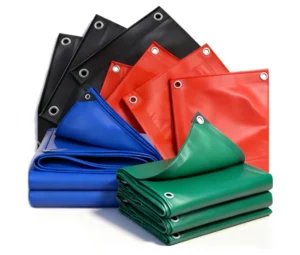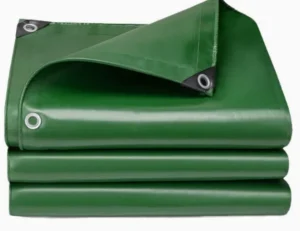


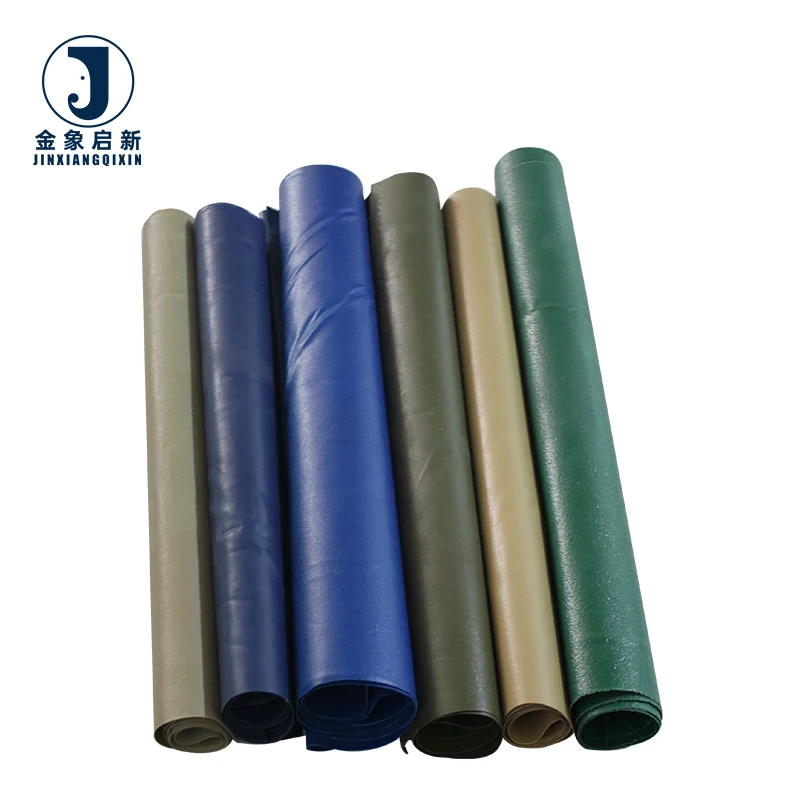
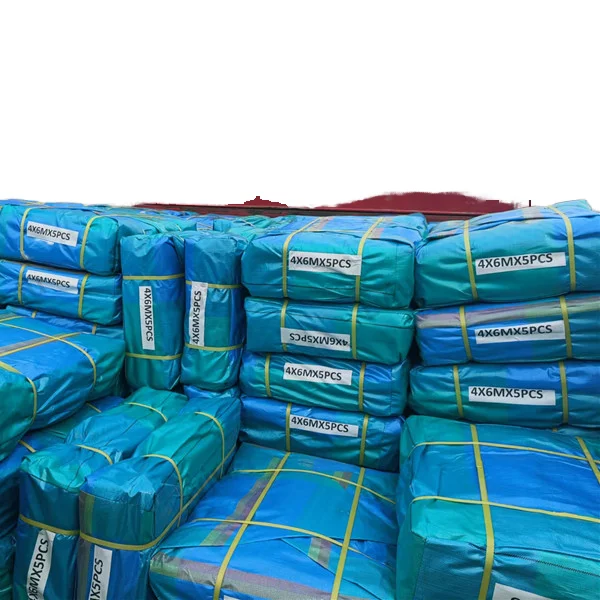
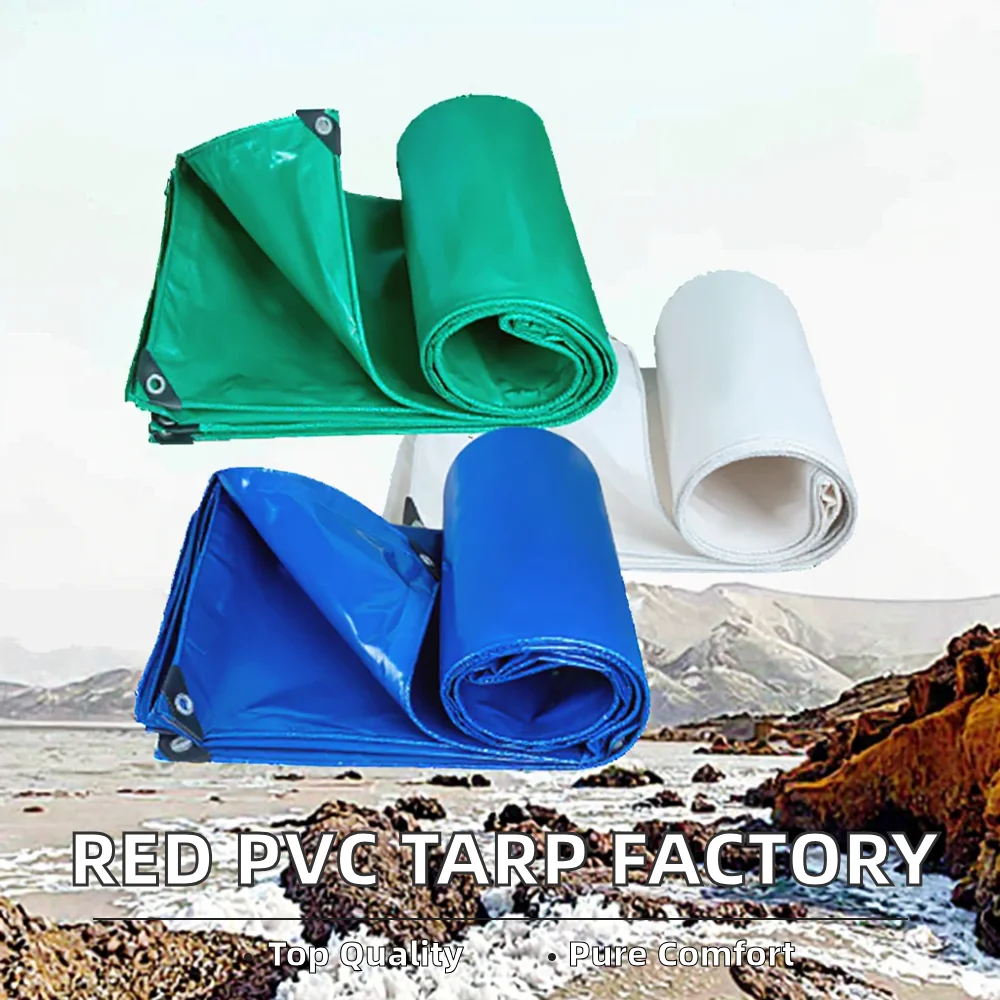
Coating Process Control — Nearly 30 years of PVC lamination and hot melt coating experience ensures consistent adhesion between polyester base fabric and coating layer, verified at every production stage before dispatch.
Technical Specifications
| Parameter | Value |
|---|---|
| Product Type | PVC Coated Fabric |
| Base Fabric | 100% high tenacity polyester yarn |
| Coating Material | PVC |
| Coating Technology | Lamination and hot melt coating |
| Thickness (Medium-duty) | 0.35–0.45 mm |
| Weight (Medium-duty) | 400–500 g/m² |
| Base Fabric Denier (Medium-duty) | 500D |
| Tensile Strength (Medium-duty) | Warp 1500–2000 / Weft 1200–1800 N/5cm |
| Thickness (Heavy-duty) | 0.70–1.0 mm |
| Weight (Heavy-duty) | 700–1000 g/m² |
| Base Fabric Denier (Heavy-duty) | 1000D |
| Tensile Strength (Heavy-duty) | Warp 2000–2500 / Weft 1800–2200 N/5cm |
| Thickness (Super Heavy-duty) | 1.2–1.5 mm |
| Weight (Super Heavy-duty) | 1100–1500 g/m² |
| Base Fabric Denier (Super Heavy-duty) | 500D–2000D |
| Tensile Strength (Super Heavy-duty) | Warp 2500–3000 / Weft 2200–2800 N/5cm |
| Flame Retardant | Available — confirm grade required for your market |
| Anti-Static | Available — confirm surface resistance standard for your site |
| Cold Resistance | Cold cracking resistant |
| Anti-Mildew | Mold proof treatment |
| UV Treatment | Weather resistant |
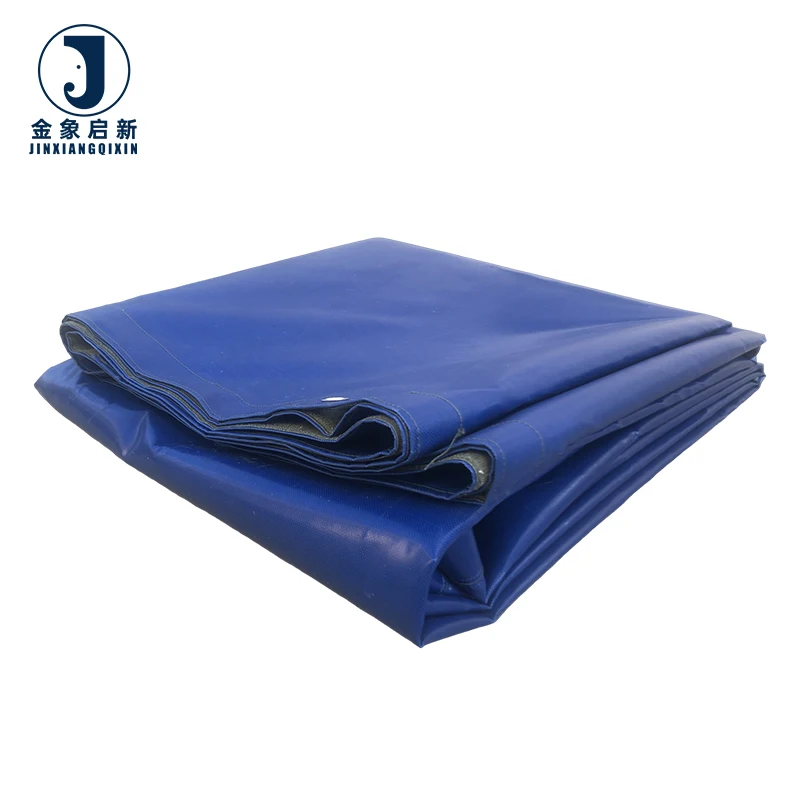
| Color | Blue; custom colors available |
| Welding | Excellent welding tear strength |
Application Suitability
| Application | Exposure & Requirement |
|---|---|
| Mining and tunnelling ventilation duct | Continuous airflow vibration, underground fire-retardant and anti-static compliance, seam integrity under flex |
| Aviation ground support duct | Fuel-rich environment anti-static requirement, rapid deployment and tear-down, abrasion from ground contact |
| Tensioned membrane structures | Permanent UV exposure, wind load cycling, panel welding at stress points |
| Inflatable structures | Internal air pressure load, repeated inflation cycles, seam strength at curvature transitions |
| Industrial pipe canopy | Outdoor weather exposure, chemical environment contact, structural frame abrasion |
Why "Flame Retardant" on a Quotation Is Not Enough Without a Test Standard
Every fire-retardant PVC coated fabric shipment must carry a test report tied to a named standard — otherwise the claim has no value at the job site.
Ventilation duct installed underground in a mining operation or on a tunnelling face must meet specific fire classification requirements before the site safety officer signs off. A supplier quotation that states "flame retardant" without referencing DIN 4102, NFPA 701, or the local mining regulation leaves the contractor exposed. [NEED_CITE: DIN 4102 fire classification for building materials] When the PVC coated tarpaulin fire retardant grade cannot be documented on arrival, the entire duct run may need to be replaced before commissioning — a cost that far exceeds any material savings.
Fire and Anti-Static Compliance in Regulated Ventilation Environments
Mining and tunnelling ventilation ducts operate in atmospheres where static discharge and ignition sources are constant concerns. The PVC coated fabric selected for these applications must carry both fire-retardant and anti-static treatment, each verified against the standard enforced at your project site. Our material is available in flame retardant grades — confirm the grade required for your market and the anti-static surface resistance value your safety plan specifies before ordering.
Coating Adhesion and Seam Behaviour Under Duct Vibration
Ventilation ducts flex continuously under airflow pulsation. The lamination and hot melt coating technology used on this PVC coated tarpaulin fire retardant fabric determines how the coating bonds to the polyester base fabric, which directly affects welding tear strength at every seam. [NEED_CITE: tensile and tear test methods for coated fabrics per ISO 1421] When adhesion is weak, the coating delaminates at the weld line before the base fabric reaches its rated tensile capacity — a failure mode that appears as a peeled seam rather than a torn panel.
How Base Fabric Denier and Coating Weight Shape Duct Performance
The denier of the polyester yarn and the weight of the PVC coating together determine how the fabric performs once fabricated into a duct. Higher denier base fabric — from 500D through to 2000D — provides greater resistance to tear propagation when a puncture occurs at a bolt or frame contact point. The coating weight, expressed as GSM, contributes to stiffness and abrasion resistance but also affects how tightly the fabric can be folded for transport without cracking. Lamination technology produces a bonded coating layer that supports cleaner hot-air welding, while hot melt coating builds greater coating thickness for heavier-duty grades. Choosing between them depends on whether your priority is weld consistency or maximum coating mass. [NEED_CITE: PVC coating methods and their influence on weld peel strength in coated polyester fabrics]
When Specified Weight and Delivered Weight Do Not Match
A PVC coated fabric roll quoted at one GSM but arriving lighter means the coating layer is thinner than specified. On a ventilation duct, thinner coating reduces the fire-retardant load carried in the PVC compound, potentially dropping the material below the required classification. Batch-to-batch GSM drift across a multi-roll order also creates inconsistent stiffness, making it difficult to set uniform welding parameters on the fabrication floor. Every roll undergoes weight verification against the stated GSM during our pre-shipment inspection, so what is quoted is what arrives.
Why Procurement Verification Matters on Technical Fabric Orders
Our coating lines are calibrated for weight consistency across every production run. Dedicated QA/QC personnel inspect at every coating stage, and a full pre-shipment inspection checks GSM, colour, and surface quality roll by roll. A 10-person R&D team handles material selection and sample development so you can verify coating adhesion, welding behaviour, and colour match before committing to a production batch. The hot melt and lamination coating processes are matched to the duty grade you specify — medium for duct and lightweight structures, heavy and super heavy for membrane and high-load applications. Test reports for fire-retardant and anti-static grades are prepared against your project specification, not issued generically.
Documentation & Verification
- Material specification sheet stating base denier, coating weight, GSM, and colour reference per roll
- Test report for flame-retardant grade matched to the standard your site requires
- Anti-static surface resistance measurement report where contractually specified
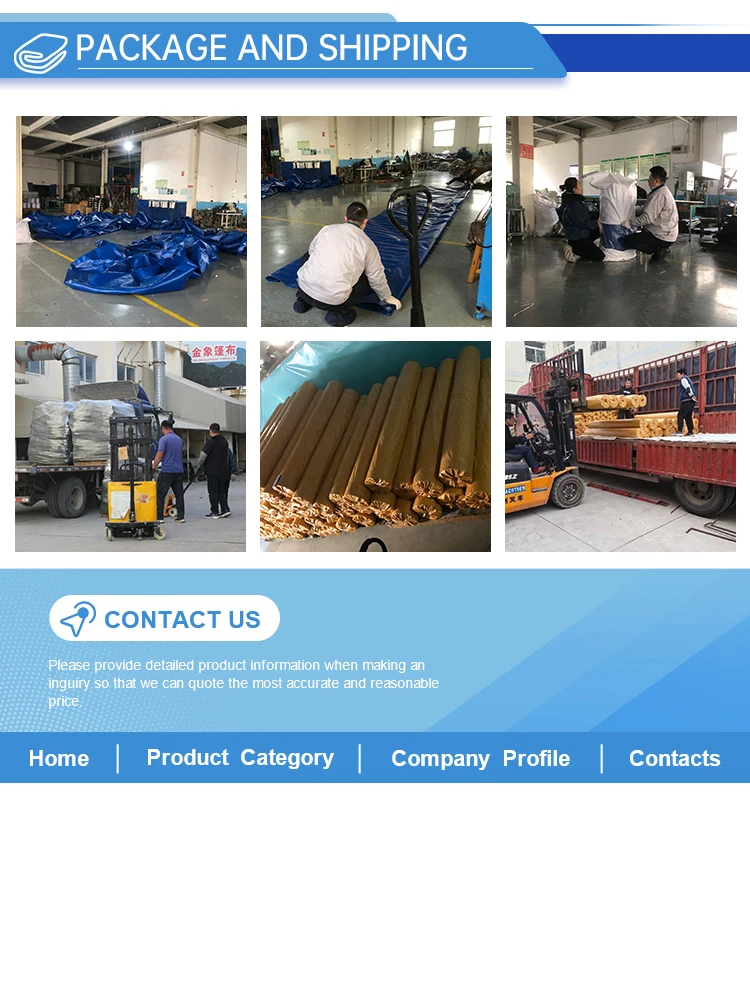
- Pre-shipment inspection record confirming weight and visual quality roll by roll
- Certificate of origin and customs documentation for regulated export markets
Fabrication, Handling & Storage
- Hot-air welding temperature must match the coating method — lamination and hot melt layers respond differently to heat input
- Store rolls upright on core ends to prevent flat spots that affect duct curvature during fabrication
- Unroll heavy-grade fabric at ambient temperature; cold-stiffened PVC coating may crack if flexed below its rated threshold
- Cut patterns to minimise transverse welds across duct airflow paths where seam vibration is greatest
- Clean welded seams with PVC-compatible solvent only; aggressive solvents degrade the plasticiser in the coating layer
What We Need to Quote Your Project Accurately
Provide the ventilation duct diameter, run length, and construction format — spiral, zip-join, or flange — along with the fire-retardant and anti-static standards enforced at your site. Confirm whether you need roll stock for your own fabrication facility or finished duct sections, and specify any colour or width requirements outside standard options.
Frequently Asked Questions
Q: What fire-retardant grade can you supply and which test standard does it meet?
A: We supply PVC coated fabric in flame retardant grades matched to standards including DIN 4102, NFPA 701, and equivalent classifications. The specific grade is confirmed against your project specification before production, and the corresponding test report ships with your documentation package. Provide your site requirement at inquiry stage so we align the compound formulation.
Q: How is anti-static performance verified on the fabric?
A: Anti-static treatment is applied during the coating stage and verified through surface resistance measurement. The target resistance value depends on your site safety plan — mining and aviation ground support environments typically set different thresholds. Share the required standard so we test and document accordingly before dispatch.
Q: Can you verify GSM on arrival to confirm the quoted weight matches?
A: Every roll is weighed and measured during 100% pre-shipment inspection, and the inspection record is included in your documentation. The coating weight stated on your quotation is the weight verified at the factory gate, eliminating the mismatch between quoted and delivered GSM that causes downstream compliance issues.
Q: What duct construction formats does this fabric support?
A: The PVC coated fabric supports spiral-wound, zip-join, and flange-connected duct formats. Welding tear strength is prioritised in the coating formulation to maintain seam integrity under continuous airflow vibration. Share your duct diameter and connection method so we recommend the appropriate duty grade and coating method.
Q: What lead time applies for custom width or certified grade orders?
A: Custom widths, colours, and certified fire-retardant or anti-static grades carry production lead times that depend on order volume and raw material availability. Request a quotation with your specification and target delivery date so we confirm scheduling against current line capacity and compound preparation requirements.