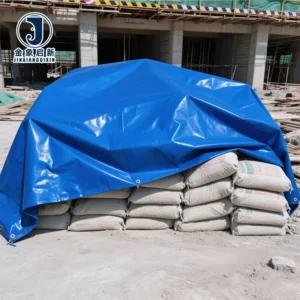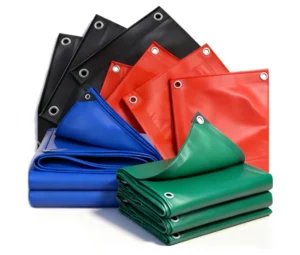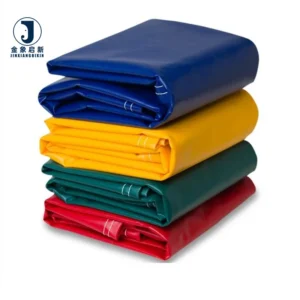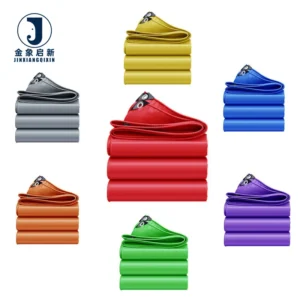
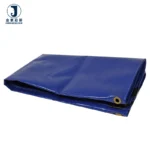
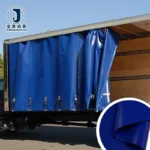
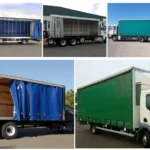
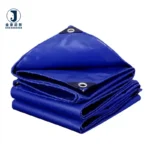
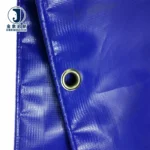
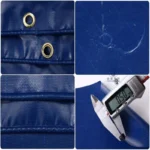
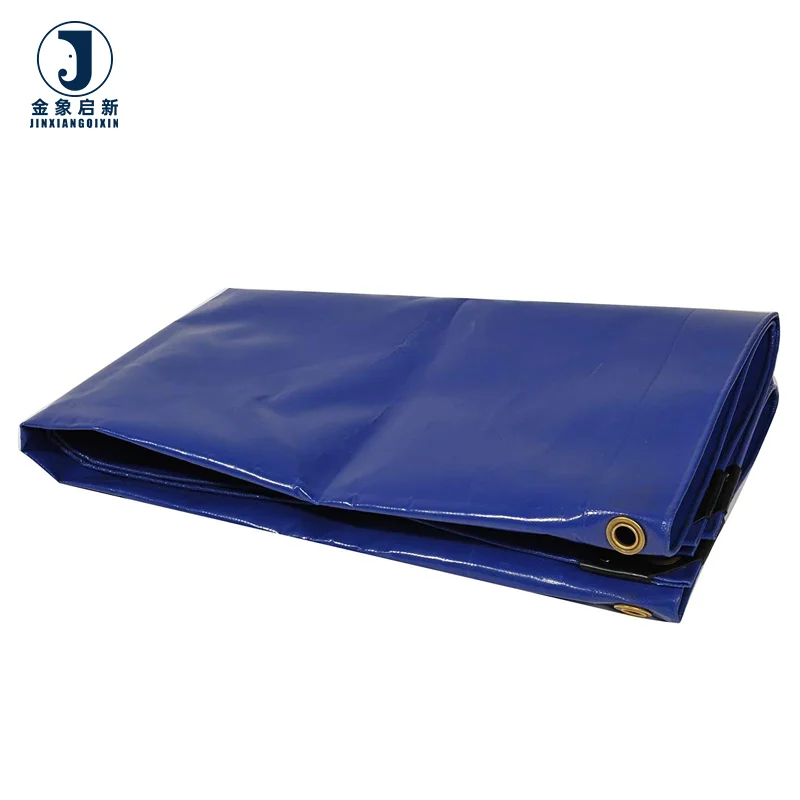
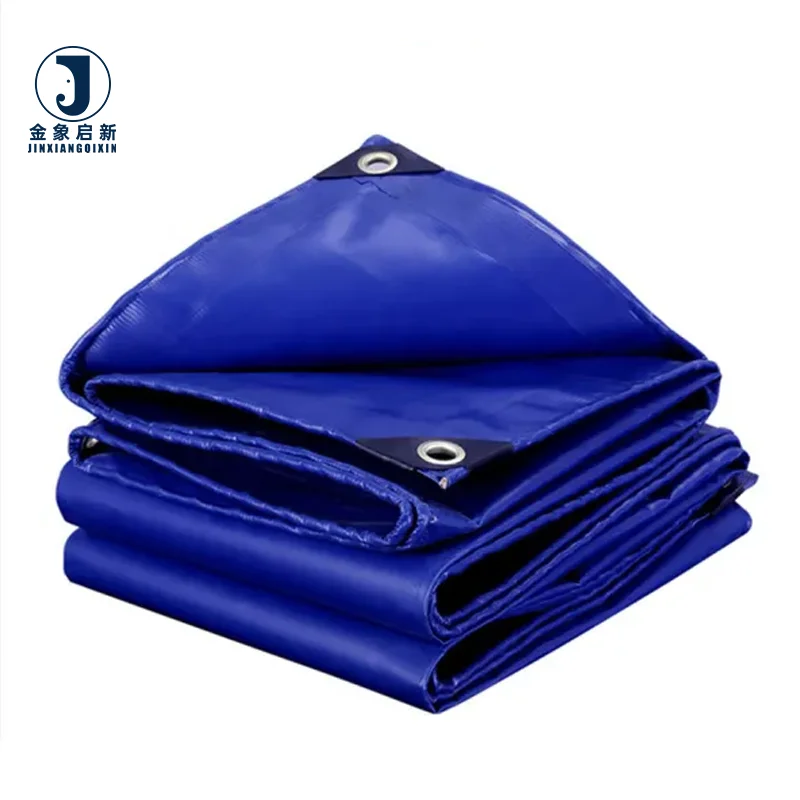
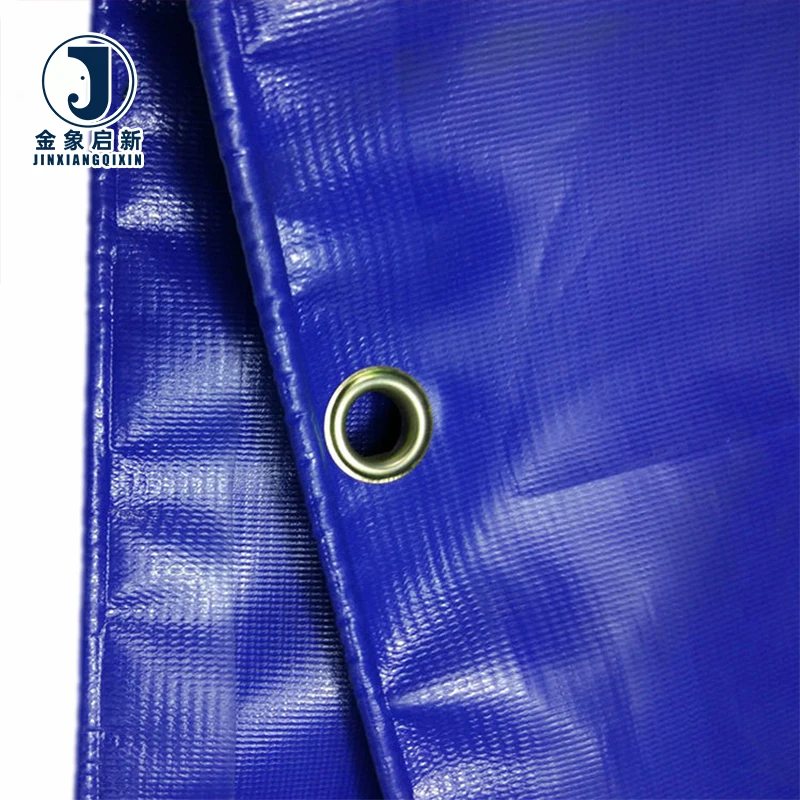
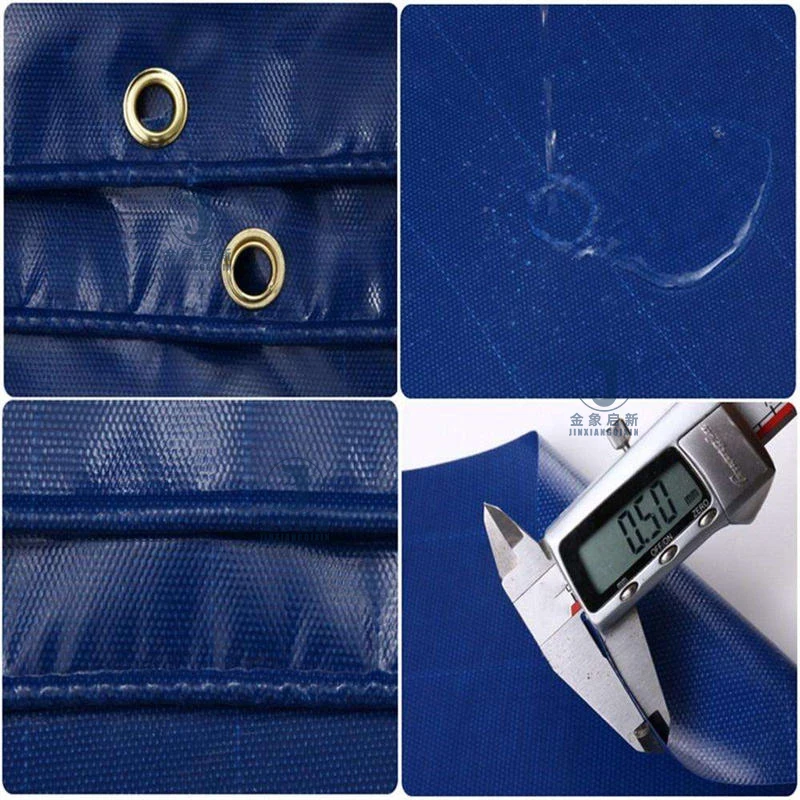
Process-Controlled Coating — every 900GSM roll we produce is weighed and verified against the stated specification before dispatch, ensuring technical fabric compliance for demanding industrial applications.
Technical Specifications
| Parameter | Value |
|---|---|
| Product Type | PVC Coated Tarpaulin |
| Specification | 900GSM Heavy Duty PVC Coated Tarpaulin Panama Tarpaulin Curtains for Lorries – Certified Grade |
| Base Fabric Denier | 200DX300D / 500DX500D / 840DX840D / 1000DX1000D (select by tensile demand) |
| Coating Material | PVC |
| Surface Finish | Glossy or matte |
| Color Options | Blue, Yellow, Black, Green, White, or custom |
| Temperature Range | -15°C to 70°C |
| Waterproof | Yes |
| Flame Retardant | FR treated — confirm the grade required for your market (grade not stated) |
| UV Treatment | Customized — confirm test basis for your exposure class (test basis not stated) |
| Anti-Fungal | Anti-fungal treated |
| Key Features | Rain-resistant, tear-resistant, good flexibility, adhesion strength, abrasion resistance |
| Environment | Eco-friendly formulation |
| OEM / ODM | Accepted |
Application Suitability
| Application | Exposure & Requirement |
|---|---|
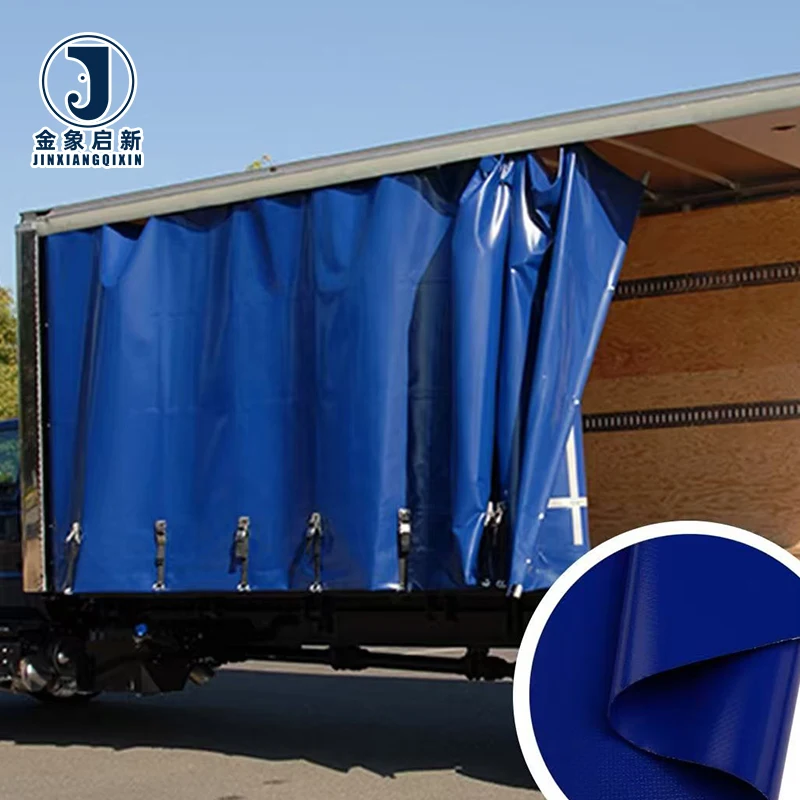
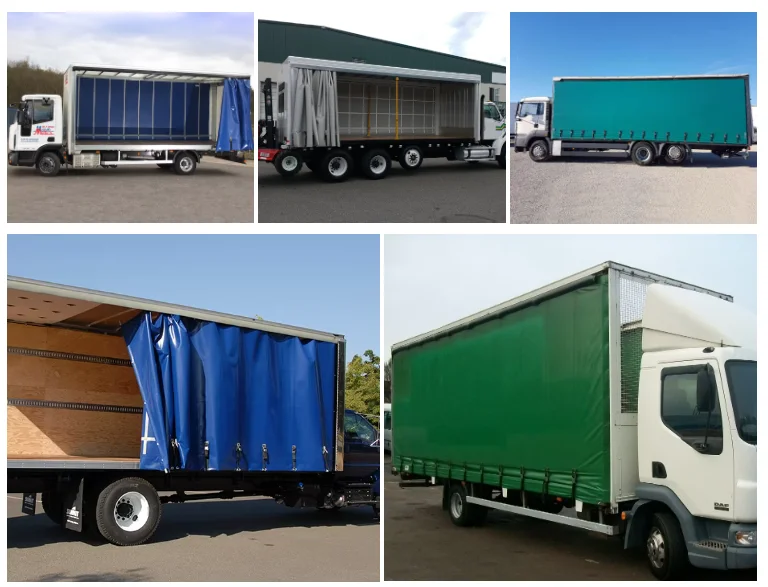
| Lorry side curtain systems | Constant flexing at load points, road spray, UV exposure, abrasion against cargo edges |
| Heavy-duty trailer covers | High wind load, tie-down tension at hems, temperature cycling across long-haul routes |
| Mining and tunnelling ventilation structures | Fire-retardant compliance on site, dust and particulate exposure, mechanical abrasion from airflow |
| Membrane and inflatable structures | Sustained tension, UV and weather exposure, weld seam integrity under internal pressure |
| Industrial equipment covers | Chemical splash, outdoor weathering, frequent handling and repositioning |
What "Certified Grade" Means When the Documentation Is Missing
A PVC coated tarpaulin that claims fire retardancy without a test report is not a certified product — it is a liability.
Buyers on industrial and transport projects regularly receive fabric that carries an FR label on the invoice but arrives with no test certificate, no grade classification, and no standard reference. When a site inspector or compliance auditor asks for the documentation, the supply chain stalls. We have seen entire ventilation duct installations halted because the fabric roll could not be matched to the fire classification the project specification demanded [NEED_CITE: fire classification standards for technical coated fabrics in mining and construction ventilation]. The same pattern appears with anti-UV claims: a product is described as UV-stable, yet no accelerated weathering test result accompanies the shipment, leaving the buyer to discover degradation only after months of field exposure.
Verifying Fire-Retardant Compliance Before You Commit
When sourcing a PVC coated tarpaulin for lorry curtains or ventilation ductwork, the fire-retardant grade must match the regulatory framework of the end-use market. Different jurisdictions reference different test methods — DIN 4102, NFPA 701, BS 5867, or local mining safety codes — and a generic "FR treated" label satisfies none of them. Our approach is to confirm the required grade at the inquiry stage and supply the corresponding test report with each batch. If your project specification names a particular standard, provide that reference in your inquiry so we can match the treatment and documentation accordingly.
Coating Weight and Adhesion Under Flex Stress
How Base Fabric Denier Dictates Curtain Behaviour
The denier of the base fabric — from 200DX300D through to 1000DX1000D — determines how the PVC coated tarpaulin responds to repeated flexing and point loads. A lorry side curtain undergoes thousands of flex cycles per journey as the trailer load shifts and the fabric billows under road-speed airflow. Higher denier yarns in both warp and weft directions resist the progressive fibre fatigue that causes micro-tears at fold lines. Selecting the correct denier is not about choosing the heaviest option; it is about matching the tensile demand of the specific curtain geometry and tie-down arrangement [NEED_CITE: tensile and tear test methods for coated fabrics per ISO 1421].
Coating Weight Control and Seam Integrity
A stated 900GSM weight only matters if the coating is evenly distributed and fully bonded to the base fabric. Uneven coating weight across the roll width produces thin zones where abrasion penetrates the PVC layer prematurely, exposing the polyester scrim to moisture and UV degradation. At welded seams — the point where lorry curtains fail most often — consistent coating thickness is essential for the heat-activated bond to achieve full peel strength. Our production process monitors coating weight at every stage, with dedicated QA inspection verifying that the GSM measured on the finished roll matches the specification agreed at order confirmation.
Reading the Specification Sheet Against the Application
The interplay between base fabric denier and coating weight defines the mechanical behaviour of the finished PVC coated tarpaulin. A 900GSM fabric built on a 1000DX1000D scrim delivers high tensile and tear resistance suited to heavy curtain panels that must withstand wind load and cargo contact. The same weight on a lighter denier base would concentrate more mass in the coating, increasing stiffness but reducing the fabric’s ability to absorb impact without cracking. Temperature range from -15°C to 70°C sets the operational envelope: below the lower bound the PVC film becomes brittle and susceptible to impact fracture, while approaching the upper bound softens the coating and reduces dimensional stability under tension. The choice between glossy and matte finish affects surface cleanability and print receptivity — glossy surfaces shed road grime more readily, while matte finishes reduce glare and accept screen-printed branding with better adhesion.
The Hidden Cost of a Specification Mismatch
When a batch of PVC coated tarpaulin arrives with colour variation between rolls, the problem is not cosmetic — it signals inconsistent coating formulation across the production run, which often correlates with uneven GSM and variable flame-retardant loading. A curtain panel that fades or degrades faster than its neighbour indicates a treatment dosage that drifted during manufacturing [NEED_CITE: batch consistency and its impact on UV stabiliser distribution in coated fabrics]. Similarly, a weld seam that fails before the fabric body points to a coating formulation whose melt behaviour does not match the hot-air or wedge-weld parameters set on the fabrication floor. These failures do not appear in the sample approved at the quotation stage; they emerge only after the full production run is deployed in the field.
Why Technical Buyers Source This Fabric Here
Our 10-person R&D team handles material selection and specification matching for each application, ensuring the denier, coating weight, and treatment package align with the site’s compliance and performance requirements. Three full production lines and 36 sets of professional equipment support the volume consistency that bulk buyers need across repeat orders. Every roll undergoes 100% pre-shipment inspection with a dedicated QA/QC check at each production stage — coating, curing, winding, and packing — rather than a sampling audit at the end. Samples for custom width, colour, or treatment are developed within days, allowing fabricators to confirm weld parameters and finish appearance before the full order enters production. ISO and CE certification underpins the documentation package, and material specification sheets accompany every dispatch so the receiving team can verify GSM, base fabric, and colour reference against the purchase order.
Documentation & Verification
- Weight verification record per roll confirming the 900GSM specification before dispatch
- Fire-retardant test report matched to the grade and standard cited on your purchase order
- UV treatment test documentation where applicable, referencing the accelerated weathering method used
- Material specification sheet stating exact GSM, base fabric denier, coating type, and colour reference
- Pre-shipment inspection record with stage-by-stage QA sign-off
- ISO and CE certificates, certificate of origin, and customs documentation included with each shipment
Fabrication, Handling & Storage
- Hot-air weld temperature and speed must be calibrated to the 900GSM PVC coating thickness for full peel strength
- Glossy or matte surface choice determines solvent-based adhesive selection for patch repairs in the field
- Store rolls horizontally on racking to prevent flat-spotting and permanent creasing in the 900GSM coated fabric
- Allow cold-stored rolls to reach ambient temperature before unrolling to avoid coating micro-cracking below -15°C
- Use compatible PVC-based cleaners only — aggressive solvents attack the plasticiser system in the coating layer
- Cut patterns to maximise panel yield from standard roll widths and minimise cross-grain seams at flex zones
Moving Forward With Your Specification
Provide your application type, the fire-retardant or anti-static standard your site requires, and the total linear metre or roll quantity so we can confirm the correct denier and treatment package. If your project demands colour matching or printed branding, include the reference codes and we will develop a sample for your approval before production begins.
Frequently Asked Questions
Q: What fire-retardant grade and test standard can you supply with this PVC coated tarpaulin?
A: We supply FR-treated fabric with test reports matched to the standard your project requires. Provide the specific grade — such as a DIN, NFPA, or local mining code reference — at the inquiry stage so we can confirm the treatment formulation and include the corresponding certificate with your shipment documentation.
Q: How do you ensure colour consistency across multiple rolls in a single bulk order?
A: Every production batch is monitored for pigment dosage and coating uniformity across all three production lines. We conduct pre-shipment inspection comparing rolls side by side under controlled lighting and include the colour reference on the material specification sheet so your receiving team can verify consistency on arrival.
Q: Can you provide verified GSM test results, not just the quoted value?
A: Yes. Our QA process includes weight measurement on finished rolls against the stated 900GSM specification. The pre-shipment inspection record documents the measured values, and this report accompanies every dispatch so you can cross-check before the fabric enters fabrication or installation.
Q: Do you supply UV and flame-retardant test reports with each shipment?
A: Where the purchase order specifies UV or flame-retardant treatment, the corresponding test report is included in the documentation package. We match the report to the treatment grade and test method confirmed during the specification review stage, ensuring alignment with your compliance requirements.
Q: What is the lead time and minimum for custom width, colour, or treatment?
A: Lead time and minimum order quantity depend on the specific customisation requested — whether it is a non-standard width, a bespoke colour match, or a particular fire-retardant grade. Submit your requirements at inquiry and we will confirm the production schedule and minimums in the quotation.