
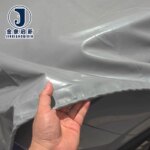

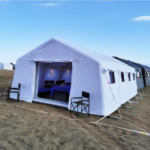
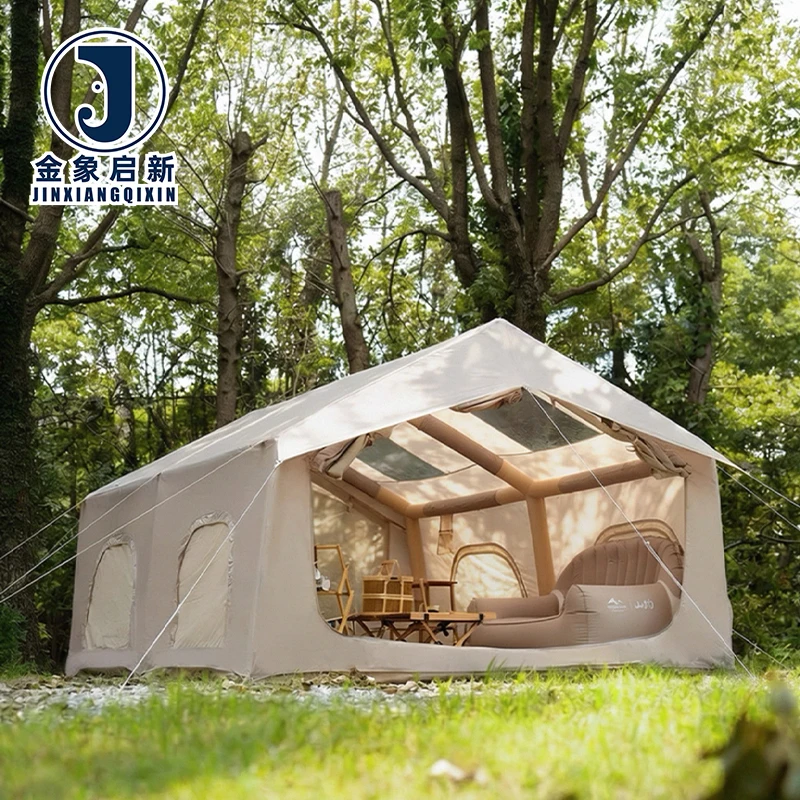
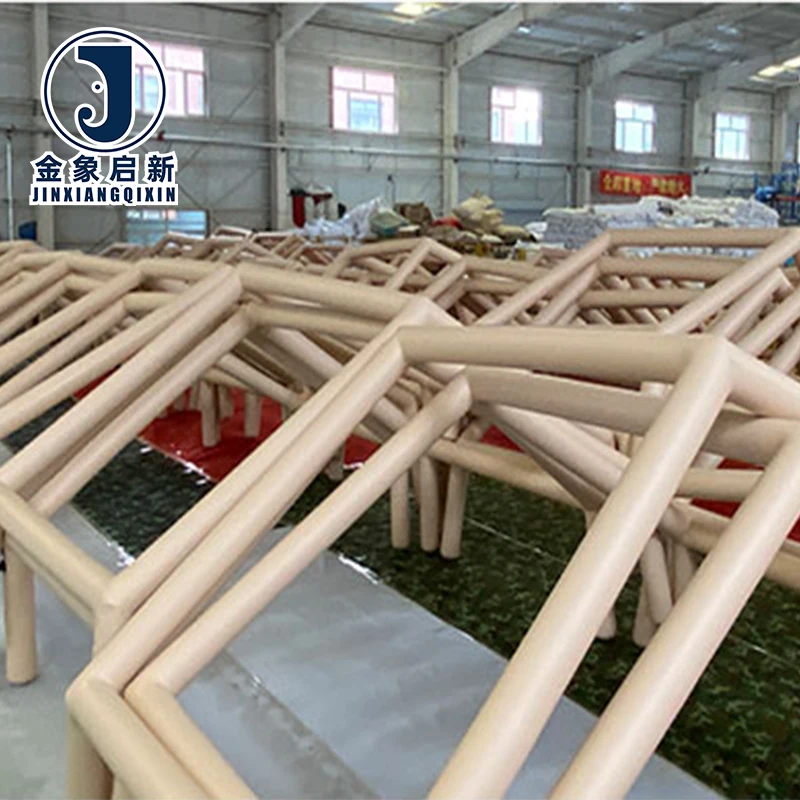
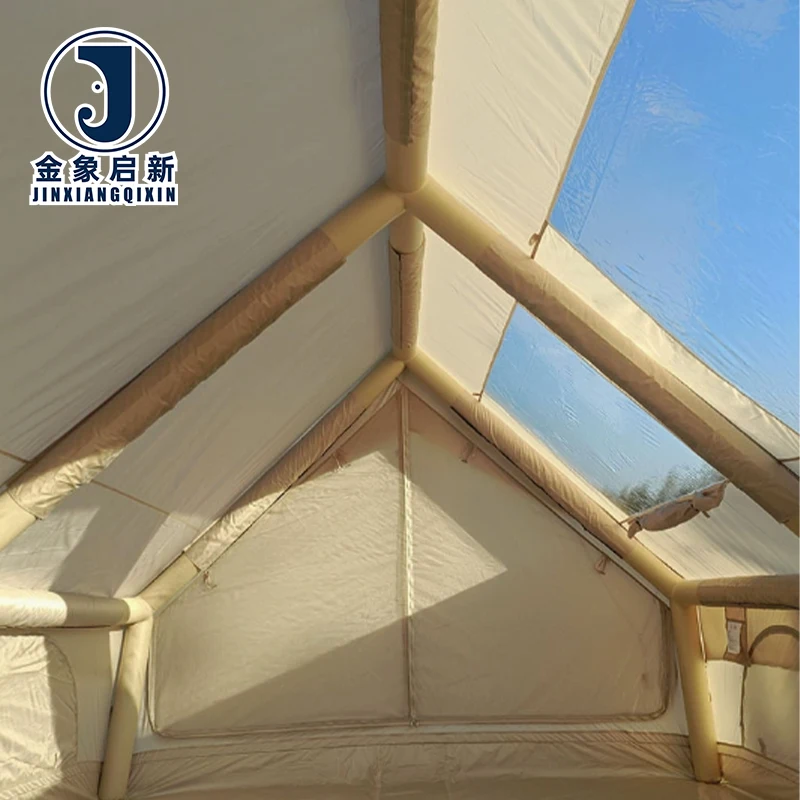
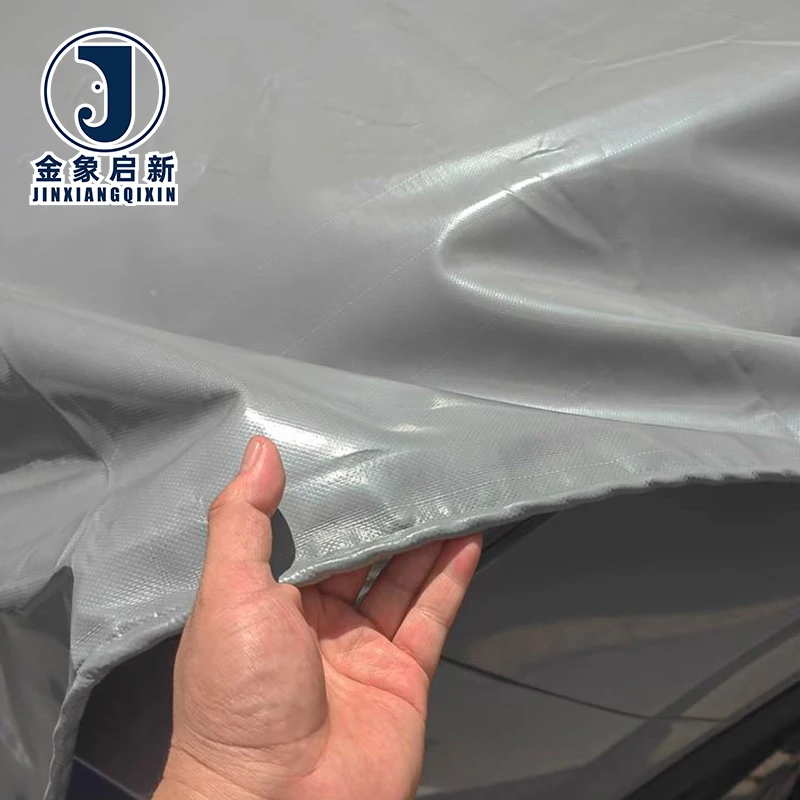

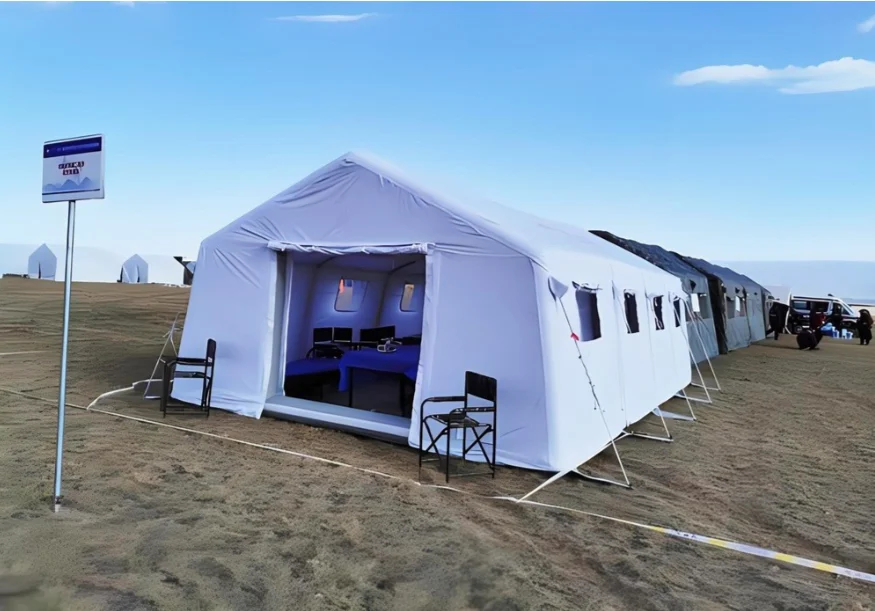
Process-Controlled Coating — Deep expertise in coated fabric production with 3 full production lines and 36 sets of professional equipment, ensuring consistent PVC tarpaulin quality for inflatable structures requiring verified fire-retardant and anti-static compliance.
Technical Specifications
| Parameter | Value |
|---|---|
| Product Type | Inflatable Fabric |
| Core Material | PVC Tarpaulin |
| Product Form | Single-layer inflatable structure construction |
| Waterproof | Yes (precision coating technology) |
| UV-Resistant | Available with UV treatment — confirm test basis required for your project |
| Tear-Resistant | Yes (weave structure) |
| Flame Retardant | Available in fire-retardant grades — confirm the grade required for your market (e.g., M2, B1, NFPA 701) |
| Anti-Static | Available with anti-static treatment — surface resistance value to be verified per order |
| Customization | OEM & ODM: sample customization, pattern printing, size adjustments, material thickness modifications |
| Certifications | ISO9001, ISO14001, ISO45001, CE |
Application Suitability
| Application | Exposure & Requirement |
|---|---|
| Temporary site accommodation for mining and tunnelling projects | Continuous outdoor exposure, wind stress, compliance with site fire safety codes and anti-static mandates |
| Emergency response and disaster relief shelters (under professional supervision) | Rapid deployment demand, variable weather conditions, structural integrity under inflation pressure |
| Mobile storage and operational enclosures for industrial events | Abrasion from equipment movement, UV exposure, waterproof and fire-retardant compliance for public zones |
Why Inflatable Structures Fail Site Safety Audits Before They Are Even Inflated
The compliance gap is not in the structure design — it is in the fabric certification paperwork arriving after the structure does.
When specialist structure contractors deploy inflatable shelters on mining or tunnelling sites, the fire-retardant and anti-static requirements are not optional recommendations; they are audit checkpoints that can shut down operations. I have reviewed too many project post-mortems where the inflatable tent fabric passed visual inspection but failed the documentation check because the batch-specific test report was either missing, outdated, or referenced a different standard than the site safety officer required [NEED_CITE: fire-retardant compliance requirements for temporary structures in mining operations]. The Inflatable Tent Fabric fire retardant specification must match the exact grade your jurisdiction mandates — not a generic "flame retardant" claim that looks acceptable until the inspector asks for the test certificate number.
Fire-Retardant Performance Is a Test Result, Not a Marketing Claim
The distinction between marketing language and verifiable fire-retardant performance determines whether your inflatable structure passes the first site inspection or gets flagged for immediate removal. Inflatable Tent Fabric fire retardant grades vary by market — European projects typically require M2 or B1 per DIN 4102, while North American deployments often specify NFPA 701 for flame propagation [NEED_CITE: NFPA 701 test methods for textiles and films]. The fabric must hold its fire-retardant classification not only when new but throughout its service life under field conditions, which means the treatment must be integrated into the PVC coating rather than applied as a surface finish that degrades with abrasion and cleaning. When you request a sample, ask for the corresponding test report at the same time — if the supplier cannot provide both together, the compliance chain is already broken.
Anti-Static Requirements in Confined and Hazardous Environments
Anti-static treatment in inflatable tent fabric serves a specific function in mining and tunnelling applications where static discharge poses ignition risk in confined atmospheres. The surface resistance value determines whether the fabric meets the anti-static threshold your site safety protocol requires, and this value must be documented with a batch-specific measurement rather than a general product family claim. Inflatable Tent Fabric fire retardant and anti-static properties must be tested independently — a fabric that holds one certification does not automatically qualify for the other [NEED_CITE: anti-static surface resistance standards for mining ventilation and shelter fabrics]. For specialist structure contractors operating in environments where combustible dust or gas is present, the anti-static specification is not a secondary concern; it is a primary selection criterion that should be confirmed before the order is placed, not verified after the material arrives on site.
How Base Fabric Weave and Coating Weight Interact to Determine Structural Integrity
The single-layer inflatable structure relies on the PVC tarpaulin’s tensile and tear strength to maintain shape under inflation pressure and resist wind-induced stress. The base fabric’s denier and weave density establish the mechanical skeleton — higher denier yarns and tighter weave patterns resist tear propagation, which matters when a puncture or seam stress point begins to spread under load. The coating weight contributes waterproof performance and abrasion resistance but does not compensate for a weak base fabric; a heavy coating on a low-density weave will crack at flex points before the fabric itself fails. The precision coating technology applied to this Inflatable Tent Fabric fire retardant grade ensures the PVC bonds to the base fabric uniformly, which directly affects heat-seam integrity during fabrication — uneven coating thickness produces inconsistent weld strength, and the weld line is typically where inflatable structures fail first under sustained pressure and wind cycling.
The Real Cost of Specifying by Generic Description Instead of Grade
When contractors specify "fire-retardant PVC tarpaulin" without naming the required grade, they receive a fabric that technically meets a fire-retardant classification — just not necessarily the one their project demands. The cost of this ambiguity shows up at the site inspection, where a B1 grade does not satisfy an NFPA 701 requirement even though both are legitimate fire-retardant standards [NEED_CITE: cross-recognition of fire-retardant classifications across jurisdictions]. Batch colour variation between rolls compounds the problem on larger deployments where multiple inflatable units are installed side by side — the aesthetic inconsistency signals to auditors that batch control may be unreliable, which prompts deeper scrutiny of the compliance documentation. Weld failures at seams where the structure flexes most represent the most expensive failure mode, because the repair requires deflation, on-site heat-seam equipment, and operational downtime that delays the project the structure was meant to support.
What Consistent Production Control Means for Your Compliance File
Thirty years of focused coated fabric production translates into process control that shows up in your documentation, not just your material. The 10-person R&D team handles material selection and sample development for project-specific fire-retardant and anti-static requirements, producing samples within days so you can validate specifications before committing to full production volume. Three full production lines and 36 sets of professional processing equipment provide the capacity to fulfil bulk orders with consistent coating weight across every roll in the batch — this consistency is what makes batch-specific test reports meaningful rather than representative of only the sample tested. Dedicated QA and QC inspection at every production stage, with 100 percent pre-shipment inspection, ensures the material leaving the facility matches the specification sheet you approved, and the accompanying documentation package supports your site compliance file without requiring you to chase missing certificates after delivery.
Documentation & Verification
- Material specification sheet stating PVC tarpaulin grade, coating type, and fire-retardant classification per order
- Batch-specific test report for fire-retardant and anti-static performance matching the delivered roll batch
- ISO9001, ISO14001, ISO45001, and CE certificates included with shipment documentation
- Pre-shipment inspection record confirming coating weight and visual consistency across all rolls
- Certificate of origin and customs documentation supporting international compliance requirements
Fabrication, Handling & Storage
- Heat-seam parameters must match the PVC tarpaulin coating thickness — request weld settings with your sample
- Store rolls horizontally on flat supports to prevent permanent creasing in the PVC coating layer
- Inflate structures gradually during cold-weather deployment to avoid low-temperature coating brittleness
- Use PVC-compatible cleaners only — solvent-based products will degrade the fire-retardant coating treatment
- Allow full curing time after field repairs before re-inflating to restore seam and patch integrity
What to Include in Your Specification Enquiry
To match the correct Inflatable Tent Fabric fire retardant grade and anti-static specification to your project, provide the deployment environment and the compliance standards your site safety protocol requires. Confirm the inflation dimensions, preferred material thickness range, and whether you need the fabric supplied in roll form for your own fabrication or as finished inflatable structures with seams welded to your drawings. If colour consistency across multiple units matters for your deployment, state the quantity and colour reference so batch grouping can be planned at the production scheduling stage.
Frequently Asked Questions
Q: What fire-retardant grade does the inflatable tent fabric hold, and does it meet specific regional safety codes?
A: The fabric is available in fire-retardant grades matched to your project requirement. Common classifications include M2, B1 per DIN 4102, and NFPA 701 for flame propagation. State your target market and the specific code your site inspector requires, and the corresponding test report will be supplied with your batch documentation.
Q: What anti-static standard applies, and is it sufficient for mining or tunnelling site compliance?
A: Anti-static treatment is applied per order with the surface resistance value verified against your site safety specification. Mining and tunnelling environments have distinct thresholds — confirm the standard or resistance range your compliance officer requires so the treatment and test report are aligned before production.
Q: What size, thickness, and pattern printing customizations are available, and what is the minimum order?
A: OEM and ODM customization covers size adjustments, material thickness modifications, and pattern printing. Minimum order quantities depend on the specific width, colour, and print configuration requested. Submit your dimensional requirements and annual volume estimate for a confirmed minimum and lead time.
Q: How are seams welded on the single-layer inflatable structure, and what quality checks ensure weld integrity?
A: Seams are heat-welded using parameters calibrated to the specific PVC tarpaulin coating thickness. Weld integrity is inspected during production and at final pre-shipment inspection. Request sample welds with your material sample so your fabrication team can validate settings before full production.