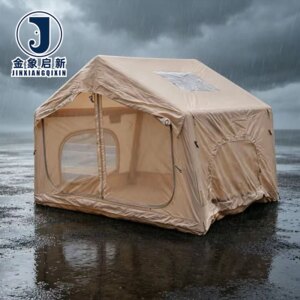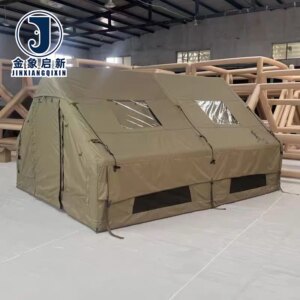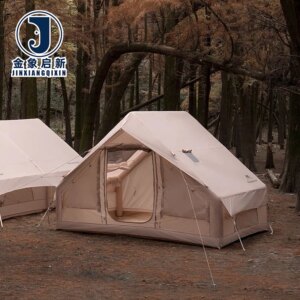


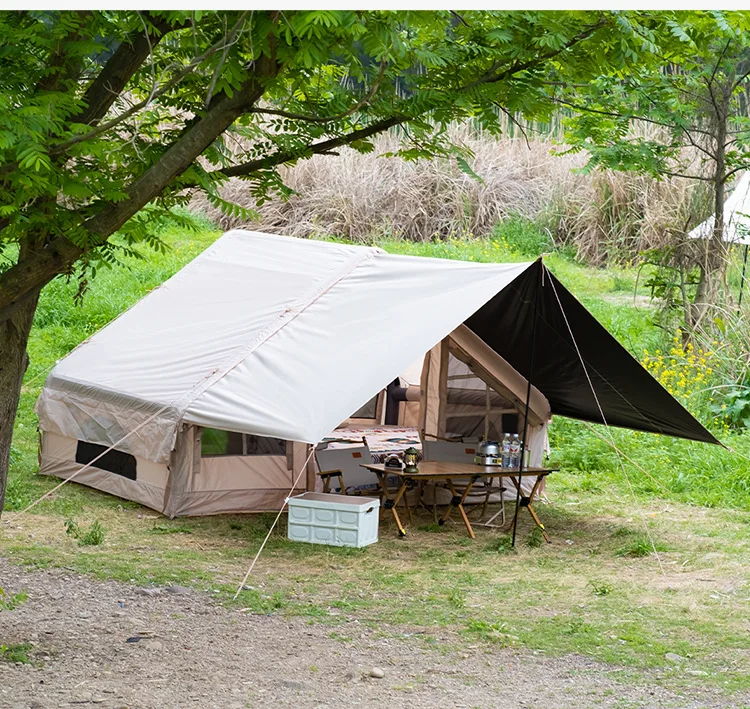
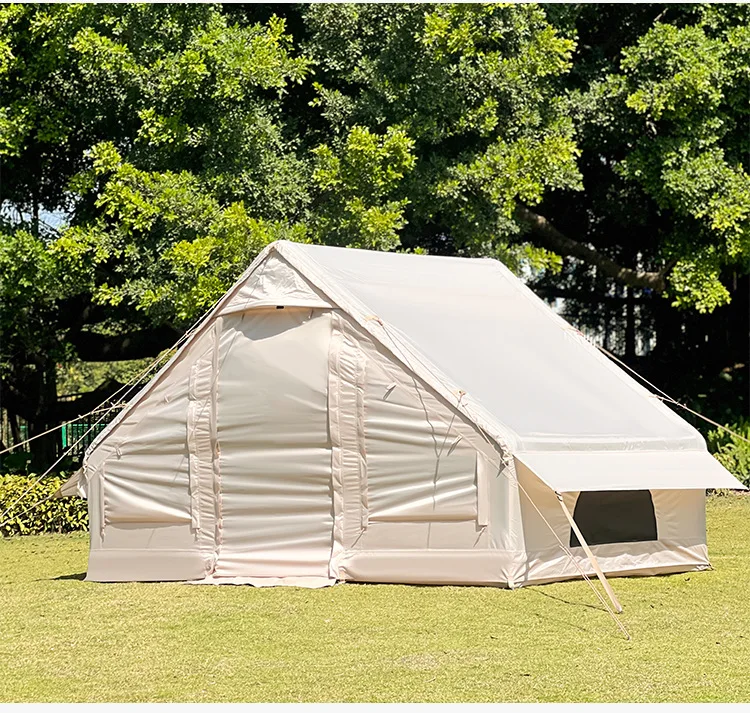
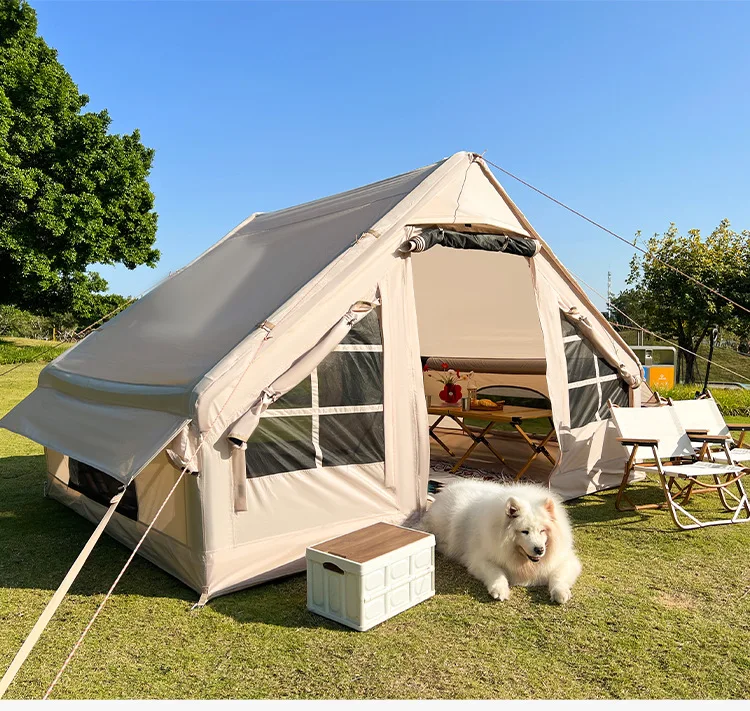

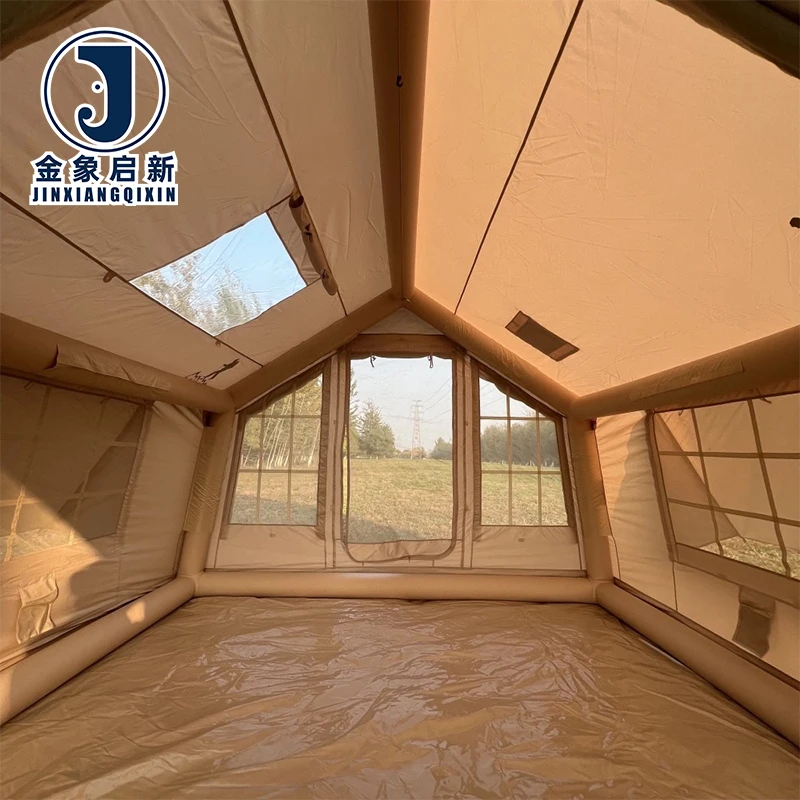
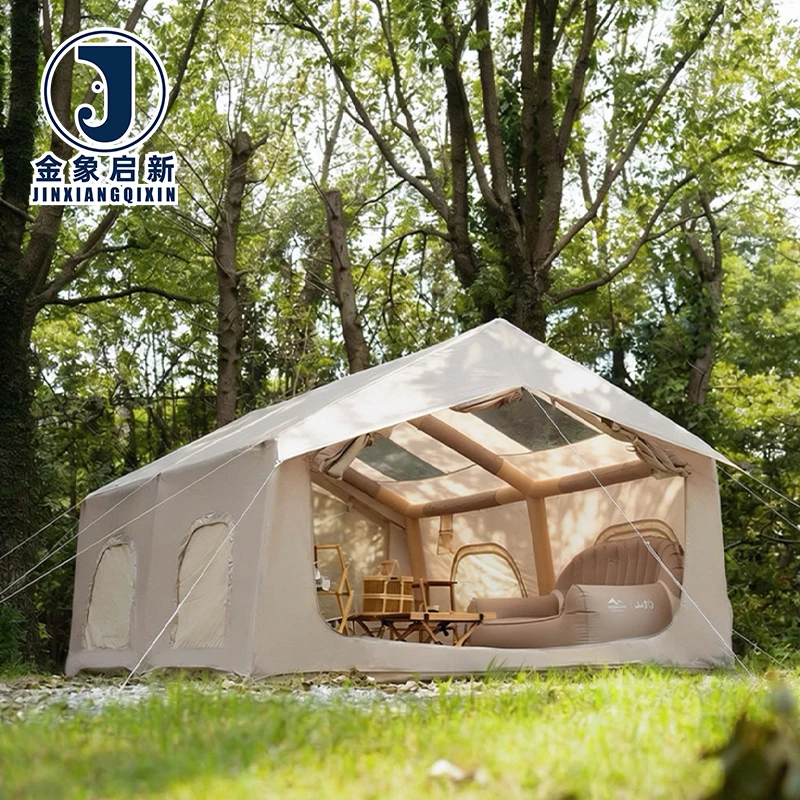
Engineered Process Control — Inflatable Tent Fabric fire retardant anti-static certified formulations are validated through dedicated QA checkpoints at every coating stage, not assumed from raw material data sheets.
Technical Specifications
| Parameter | Value |
|---|---|
| Product Type | Inflatable Tent |
| Core Material | PVC waterproof fabric |
| Flame Retardant | flame retardant (grade not stated in source) |
| UV Treatment | UV-resistant (test basis not stated in source) |
| Anti-Static | anti-static (standard/resistance not stated in source) |
| Tear Resistance | tear-resistant (test standard not stated in source) |
| Waterproof | waterproof (rating not stated in source) |
| Product Form | Inflatable Camping Tent |
| Customization | OEM & ODM (sample customization, pattern printing) |
| Standards | ISO9001, ISO14001, ISO45001, CE |
Application Suitability
| Application | Exposure & Requirement |
|---|---|
| Mining and tunnelling temporary shelters | Particulate abrasion, confined-space fire safety, structural inflation pressure |
| Aviation maintenance inflatable enclosures | Electrostatic discharge control, chemical splash, wind uplift |
| Emergency response rapid-deploy structures | Repeated inflation cycles, transport abrasion, all-season weather |
| Industrial membrane structures | Long-term UV exposure, thermal cycling, engineered load paths |
Why Certified Documentation Is the Real Specification
Inflatable Tent Fabric fire retardant anti-static certified claims appear on quotations, but without test reports matched to the project’s governing standard, the fabric may fail the site compliance audit before it is ever inflated.
A flame-retardant claim without a grade is a procurement risk, not a material property.
Contractors working in mining, aviation and tunnelling operate under strict regulatory oversight. When fabric arrives without the specific fire classification or surface resistivity documentation the site safety officer requires, the entire structure is grounded. [NEED_CITE: site compliance requirements for temporary inflatable structures in mining and aviation]. The cost of replacing uncertified fabric mid-project far exceeds the lead time of sourcing it correctly from the start.
Coating Formulation for Inflation Integrity
Inflatable structures demand fabric that holds air under continuous internal pressure while resisting the flexing that occurs during erection, wind loading, and deflation. The PVC coating must bond to the base fabric strongly enough to prevent delamination at welded seams, which are the primary failure point in pressurised membrane systems. Inflatable Tent Fabric fire retardant anti-static certified grades require the coating formulation to maintain fire and static properties even after repeated folding and inflation cycles.
Electrostatic Discharge in Sensitive Environments
Aviation hangars and mining operations both present environments where static charge accumulation poses real hazards. Inflatable Tent Fabric fire retardant anti-static certified materials address this through surface treatment that controls charge dissipation. [NEED_CITE: surface resistivity requirements for fabric used in explosive atmospheres and aircraft maintenance zones]. Without verified anti-static performance, an inflatable enclosure used near fuel systems or combustible dust becomes a secondary ignition risk.
How Base Fabric and Coating Interact Under Pressure
The base fabric denier and weave pattern determine how the material distributes inflation loads across its surface. Higher denier yarns resist tear propagation when a puncture occurs, while the weave density governs how evenly the coating adheres under tension. PVC coating weight, expressed in GSM, contributes to overall stiffness and seam weldability but does not alone define tensile capacity — a lighter, tightly woven base can outperform a heavier loose weave. The relationship between these layers is what determines whether an inflatable beam holds its profile or sags under thermal expansion. Fire retardant additives must be integrated into the coating matrix in a way that does not compromise the plasticiser balance, which affects low-temperature flexibility and weld strength. [NEED_CITE: tensile and tear test methods for coated fabrics per ISO 1421].
The Cost of Untested Fire and Static Claims
When inflatable tent fabric arrives at a mine site or aviation facility without documentation that matches the site’s specific fire classification or anti-static threshold, the structure cannot be commissioned. This is not a paperwork delay — it halts the entire project timeline. Fabric that tests correctly in one batch but arrives without a batch-specific report forces the contractor to either retest at their own expense or reject the delivery outright. [NEED_CITE: batch inspection and traceability expectations for fire-rated building and shelter materials]. Colour variation between rolls compounds the problem when panels from different batches are welded side by side on a large membrane structure.
Why Sourcing Here Reduces Compliance Risk
Nearly 30 years of coating process control means the fire retardant and anti-static additives are dosed and mixed under repeatable conditions, not adjusted batch by batch. Three full production lines and 36 sets of professional equipment allow inflatable fabric orders to run on dedicated lines, reducing cross-contamination between treated and untreated grades. A 10-person R&D team handles the sample development and pattern printing alignment before bulk production begins, so custom sizing and branding are confirmed against your engineered drawings. Dedicated QA inspection at every stage ensures 100% pre-shipment verification of GSM, coating weight, colour match and surface treatment. [NEED_CITE: pre-shipment inspection standards for coated technical textiles].
Documentation & Verification
- Material specification sheet confirming PVC base fabric, coating type and treatment references per roll
- Fire retardant and anti-static test reports matched to the applicable project standard
- ISO9001, ISO14001, ISO45001 and CE certificates included with shipment documentation
- Pre-shipment inspection record with batch traceability for every inflatable tent fabric delivery
Fabrication, Handling & Storage
- Heat-weld PVC inflatable tent fabric at temperatures validated for the specific coating weight and fire retardant additive concentration
- Store rolls flat and supported along full length to prevent permanent creasing in the coated PVC surface
- Avoid dragging cut panels across abrasive ground during site erection to protect the waterproof coating layer
- Clean with pH-neutral detergent only; solvents may dissolve plasticisers and compromise anti-static surface treatment
- Test weld parameters on sample offcuts before production to confirm seam integrity under inflation pressure
How to Scope Your Inquiry
Provide the specific fire classification and anti-static standard your site or market requires so we can match the correct formulation. Share your inflatable structure dimensions, inflation pressure range and expected deployment climate so we can recommend the base fabric denier and coating weight. Confirm whether you need rolls at standard width or custom-cut panels with pattern printing, and specify your target delivery schedule so we can align production planning.
Frequently Asked Questions
Q: Which fire-retardant standard does this inflatable tent fabric meet?
A: The fabric is available in flame retardant grades, but the specific standard — such as M2, B1 or NFPA 701 — must be confirmed against your project requirements. Request the applicable test standard during inquiry so we can supply matched test reports with your shipment documentation.
Q: What anti-static surface resistivity is available?
A: Anti-static treatment is applied to the PVC coating, but the specific surface resistivity value depends on the formulation matched to your site requirements. Mining and aviation projects should specify their governing standard so we can verify compliance before production.
Q: How are fire and static properties verified per batch?
A: Every production batch undergoes 100% pre-shipment inspection, and test reports are generated against the applicable standard. Batch-specific documentation ships with each delivery to support site compliance audits and regulatory submissions.
Q: What custom sizing and printing options are available?
A: Our in-house R&D team supports OEM and ODM development including custom width, panel cutting and pattern printing. Pre-production samples are developed for approval before bulk commitment to confirm dimensions, colour and treatment performance.
Q: What documentation ships with each order?
A: Each delivery includes a material specification sheet, applicable fire retardant and anti-static test reports, ISO and CE certificates, a pre-shipment inspection record and a roll packing list with batch traceability for full compliance documentation.