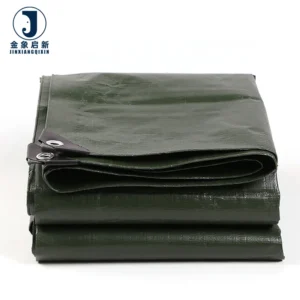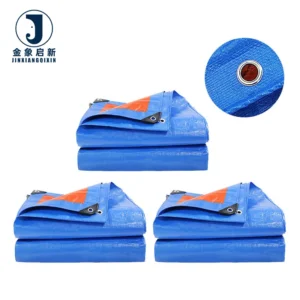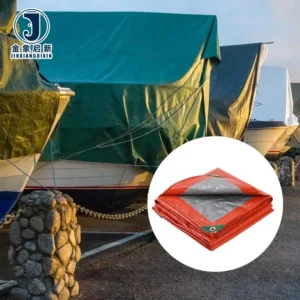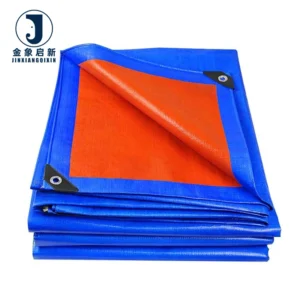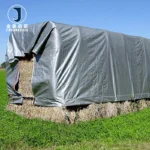
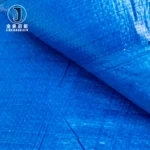
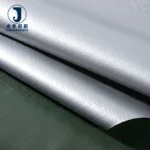
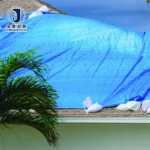
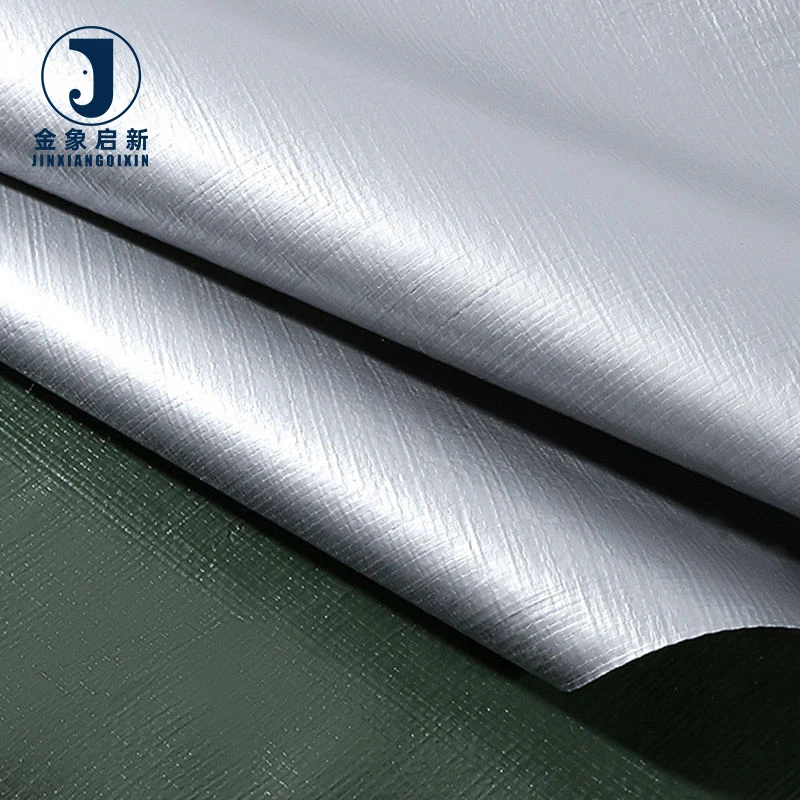
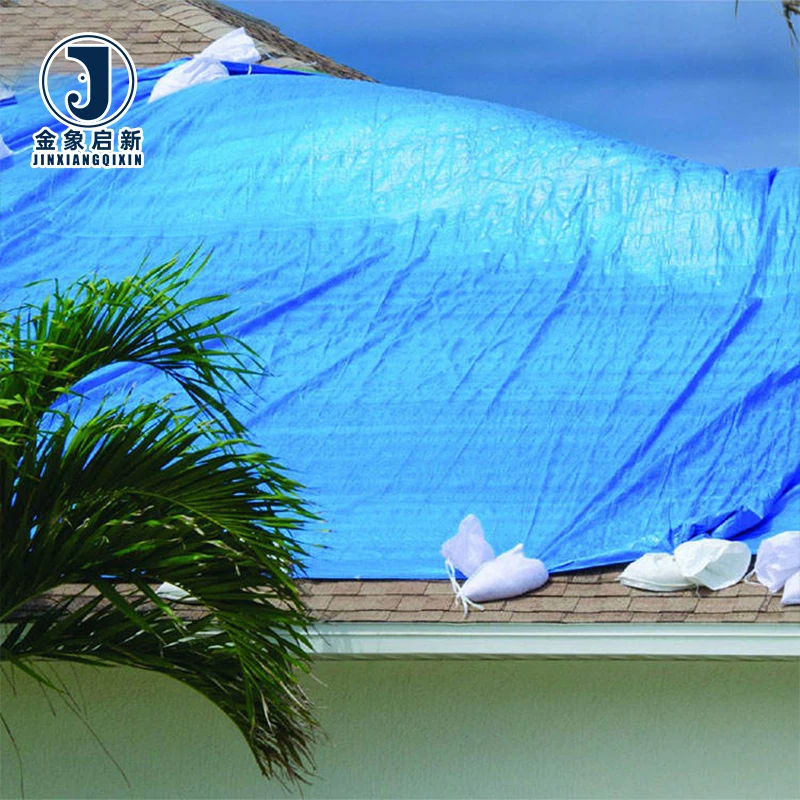

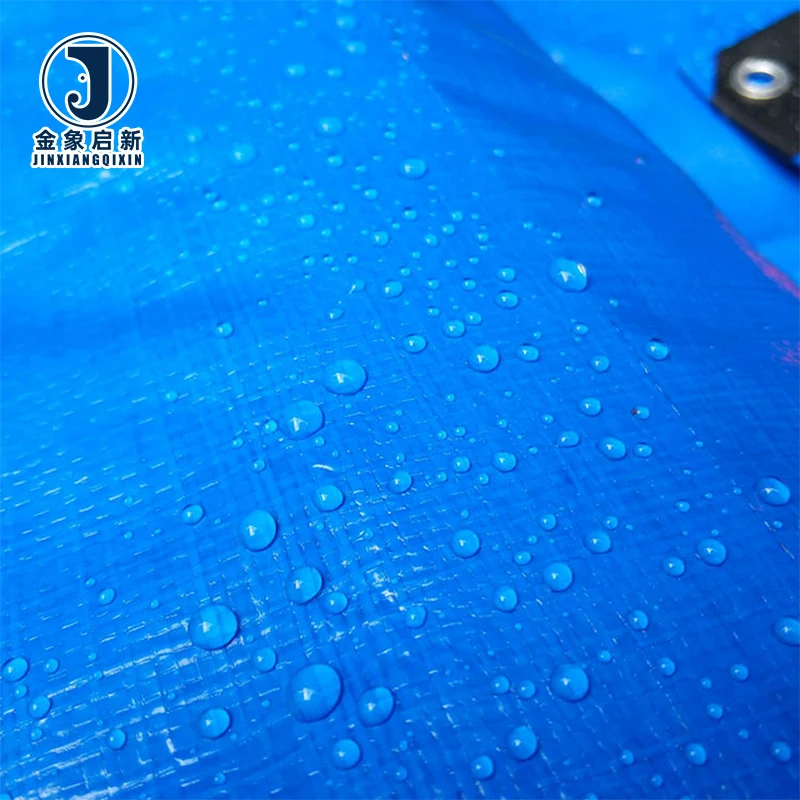
Proven Process Control — Nearly three decades of coating expertise ensures each PE Tarpaulin Roll meets the strict demands of specialist structure and ventilation applications, verified at every production stage.
Technical Specifications
| Parameter | Value |
|---|---|
| Product Type | PE Tarpaulin Roll |
| Coating Material | HDPE weaving with LDPE lamination on both sides |
| Weight (GSM) | 45gsm ~ 400gsm |
| Mesh Count | 6×6, 8×8, 10×10, 12×12, 14×14 |
| Total Thickness | 0.2-0.4mm / 8 mil-16 mil |
| Roll Width | 6ft, 8ft, 10ft, 12ft or 2m, 4m, 6m |
| Roll Length | 100 yards, 100 meters, or custom |
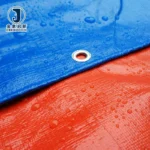
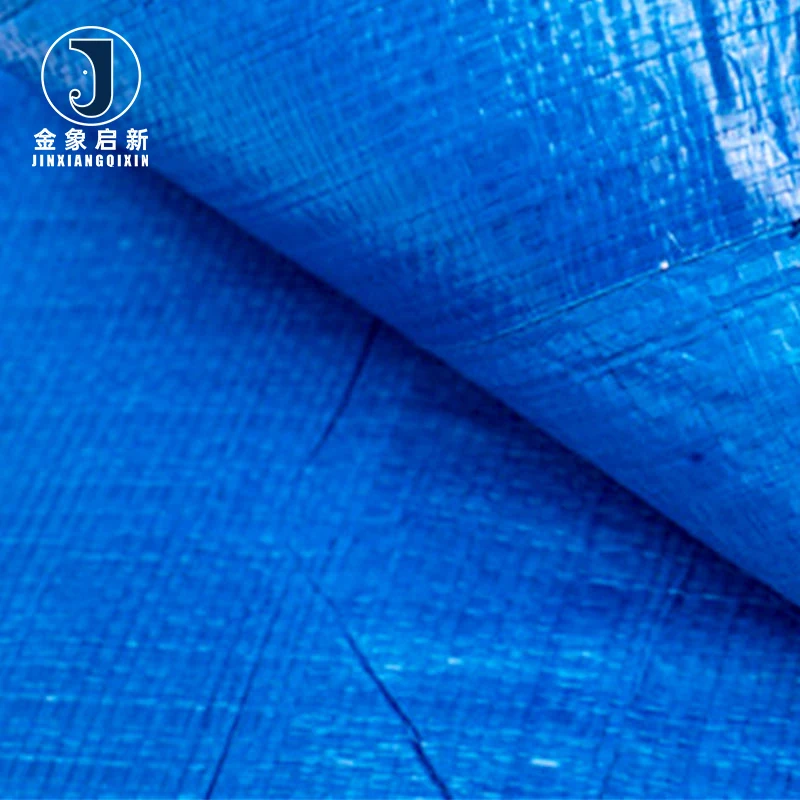
| Color Options | Blue, Green, Grey, Black, Clear, Orange, or custom Pantone |
| Flame Retardant Grade | NFPA701 (available — confirm the grade required for your market) |
| UV Treatment | Available (test basis not stated in source) |
| Waterproof | Yes |
| Anti-Mildew | Yes |
| Hemming | All four edges reinforced with PP rope in hem, 4cm margin |
| Eyelet Options | PC, brass, aluminum; galvanized every 3ft or 1m interval |
| Corner Guards | PP or PE reinforced plastic |
Application Suitability
| Application | Exposure & Requirement |
|---|---|
| Inflatable and membrane structures | Constant air pressure, flexing at seams, outdoor weather and UV exposure requiring certified flame retardancy |
| Temporary event enclosures | High foot traffic, rapid deployment, public safety compliance for fire retardant classification |
| Aviation and mining ventilation ducts | Continuous airflow, dust and particulate exposure, anti-static or fire-retardant certification required by site regulations |
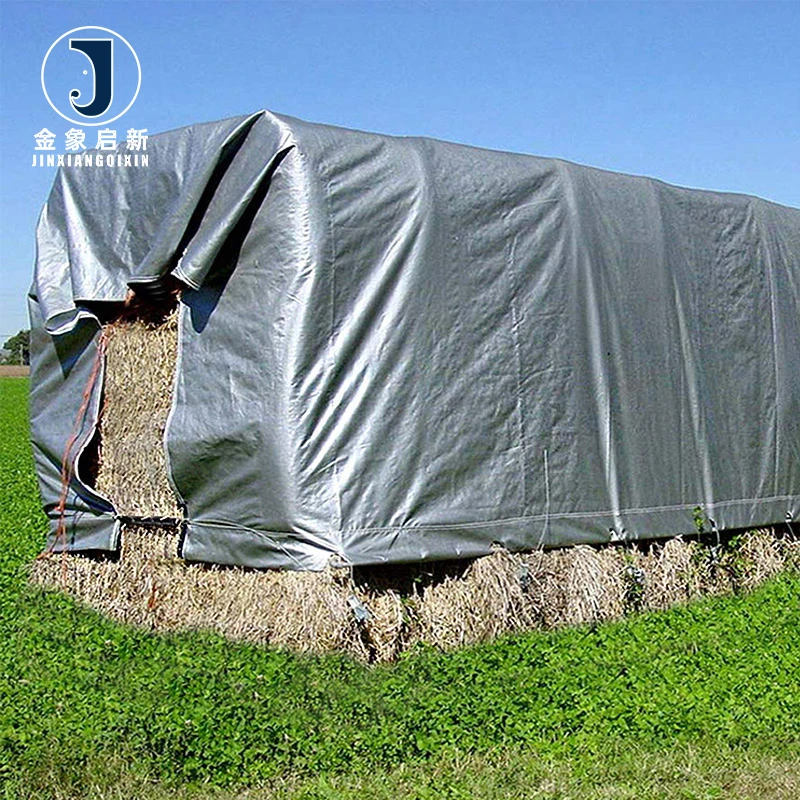
| Tent and awning fabric | Prolonged sun exposure, wind load, rain ingress prevention and mildew resistance in humid climates |
What "Flame Retardant" Means Without a Grade Behind It
A material cannot be called fire safe until a specific standard and test result back the claim.
Many PE tarpaulin roll products arrive on site with a generic "flame retardant" label but no supporting documentation. When an inspector asks for the test report, the supply chain stalls. For aviation hangars, mining tunnels or public event structures, the authority having jurisdiction demands a PE Tarpaulin fire retardant certificate referencing NFPA 701 or an equivalent standard before installation begins [NEED_CITE: NFPA 701 standard methods of fire tests for flame propagation of textiles and films]. Without that paper, the entire structure may fail final approval regardless of how the fabric performs in a burn test.
Engineered for Specialist Structure Demands
When fabric is used in membrane structures or ventilation ductwork, the material must balance tensile integrity under continuous stress with compliance to site-specific fire codes. This PE Tarpaulin Roll NFPA701 Certified option uses an HDPE woven base that provides dimensional stability, while the LDPE lamination on both sides delivers waterproofing and a surface suitable for heat welding. The combination addresses the flex-fatigue and seam-load challenges typical in inflatable enclosures and temporary event structures.
Meeting Compliance on Regulated Sites
Mining and tunnelling contractors often face shutdowns when ventilation duct material lacks the fire-retardant documentation the site safety officer requires. Similarly, event organisers specifying temporary pavilions must present NFPA 701 test results to the local fire marshal. The availability of NFPA701 treatment on this PE Tarpaulin Roll NFPA701 Certified series means the specification can be confirmed at inquiry stage and the corresponding test report included with shipment documentation, avoiding costly on-site rejections [NEED_CITE: fire safety compliance requirements for temporary membrane structures in public venues].
Mesh Count, GSM and the Real Measure of Fabric Performance
Buyers often select material by GSM alone, but weight without weave context tells an incomplete story. A 140 GSM fabric at 14×14 mesh count concentrates more yarn intersections per square inch than the same weight at 6×6, yielding different tear propagation behaviour. The HDPE woven base in this PE Tarpaulin Roll NFPA701 Certified range spans mesh counts from 6×6 to 14×14, allowing specification matched to the actual tensile and tear demands of the end use. LDPE lamination weight then adds to the total GSM, so a 200 GSM roll at 10×10 mesh behaves differently from a 200 GSM roll at 6×6 in terms of flexibility and weld seam adhesion. Thickness values from 0.2 mm to 0.4 mm correlate with lamination build rather than base fabric density, which is why requesting both the mesh count and the coating weight breakdown gives a clearer picture than GSM alone.
The Hidden Cost of Undocumented Specifications
When a roll arrives without verified GSM or without the NFPA 701 report the project specification demanded, the consequences compound. Contractors cut and weld panels only to discover at inspection that the fire marshal will not sign off. Rolls with lower-than-quoted GSM show reduced tear resistance at the flex points where ducts bend or membrane panels tension, leading to seam failures before the fabric body degrades [NEED_CITE: tensile and tear test methods for coated fabrics per ISO 1421]. Colour variation between rolls in the same batch becomes visible once panels are installed side by side on a structure, forcing selective replacement and project delays.
Why Source This PE Tarpaulin Roll NFPA701 Certified Here
Deep process control over LDPE lamination weight and HDPE weave density ensures the GSM and mesh count on your specification sheet match the roll you receive. A 10-person R&D team handles material selection, sample development and custom sizing, producing samples within days so you can verify weld parameters and fabric hand before committing to bulk. Three full production lines with 36 sets of equipment support the volume needed for large-scale structure projects without extending lead times. QA inspection runs at every production stage with 100 percent pre-shipment checking, so roll-to-roll consistency is confirmed before dispatch. Export documentation, including certificates of origin and customs support, is prepared for shipments to over 20 countries.
Documentation & Verification
- Material specification sheet confirming GSM, HDPE weave count and LDPE coating type per roll
- NFPA 701 test report supplied when flame retardant grade is specified at order
- Pre-shipment inspection record with individual roll weight and visual check
- Roll packing list detailing net weight, dimensions and roll count per bale
- Certificate of origin and customs documentation for international shipment
Fabrication, Handling & Storage
- Heat-weld seams using temperature settings matched to the LDPE lamination thickness to prevent burn-through on lighter 45gsm grades
- Specify eyelet spacing at 1m intervals with PP rope hem for membrane panels subject to wind uplift
- Store rolls upright on pallets to prevent flat-spot creasing on the HDPE woven base
- Allow rolls to acclimatise before unrolling in cold conditions to avoid LDPE lamination cracking
- Clean with mild detergent; avoid solvent-based cleaners that degrade the LDPE surface layer
Requesting a Specification That Fits Your Project
Tell us the structure type, the fire safety standard your local authority requires and the panel dimensions you need to cut. Specify whether you require roll stock or fabricated panels with hemming and eyelets already in place. Share your target colour reference and the roll width that minimises waste on your cutting table, and we will confirm material availability, sample lead time and documentation scope.
Frequently Asked Questions
Q: How do I confirm the NFPA 701 grade applies to my market’s fire code?
A: Share the specific fire classification your local authority having jurisdiction requires. We supply the NFPA 701 test report with your shipment when this grade is confirmed at order. If your market references a different standard, we can discuss whether an equivalent test basis is available for the PE Tarpaulin Roll NFPA701 Certified range.
Q: Can GSM vary between rolls in the same shipment?
A: Our in-process QA verifies coating weight and base fabric density at each production stage. Every roll undergoes a pre-shipment weight check against the specification sheet. The inspection record travels with your documentation so you can cross-reference on arrival.
Q: What mesh count should I specify for inflatable membrane structures?
A: Higher mesh counts such as 12×12 or 14×14 offer more yarn intersections per area, improving tear resistance at welded seams where the structure flexes under air pressure. We recommend requesting samples in two mesh counts so your fabricator can test weld adhesion and panel drape before committing to a bulk order.
Q: How do you ensure colour consistency across multiple rolls?
A: Each production batch references a Pantone colour code or approved sample swatch. Rolls for the same project are produced in a single batch run, and the pre-shipment inspection includes a visual comparison under controlled lighting to flag any deviation before dispatch.