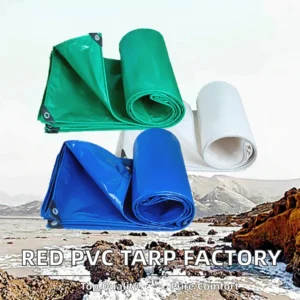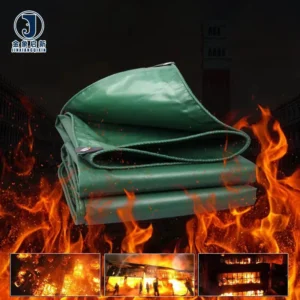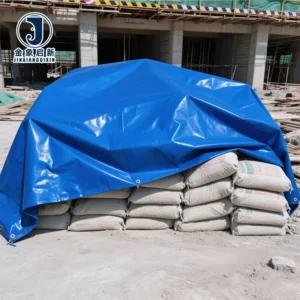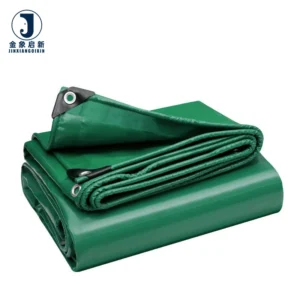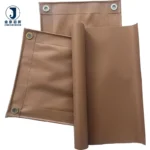
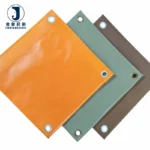
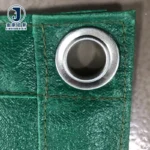
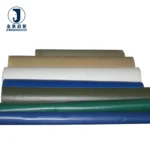
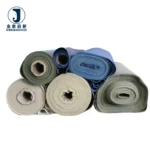
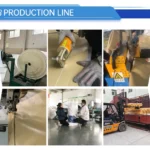
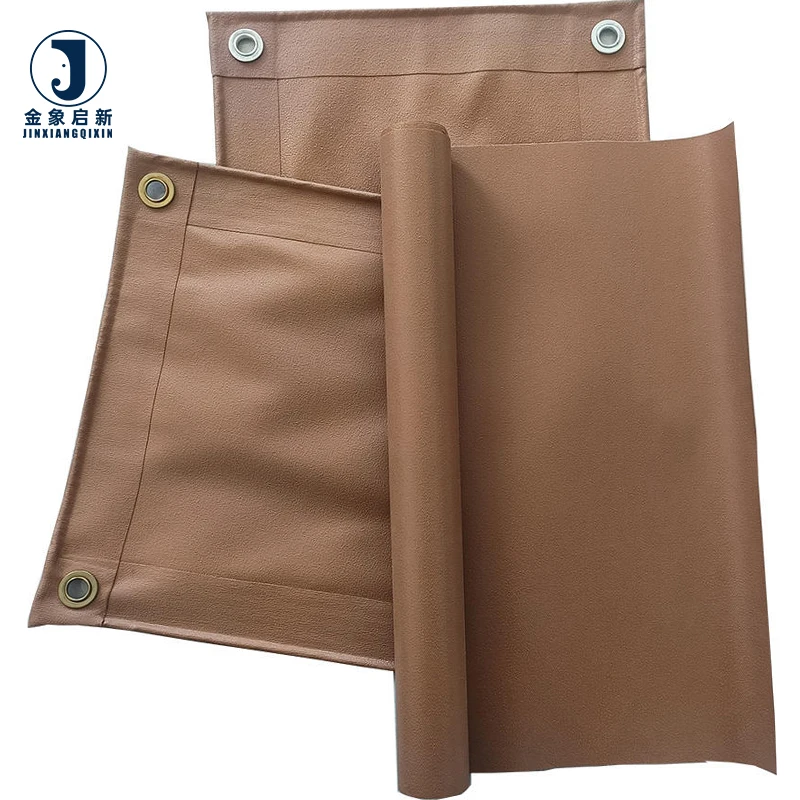
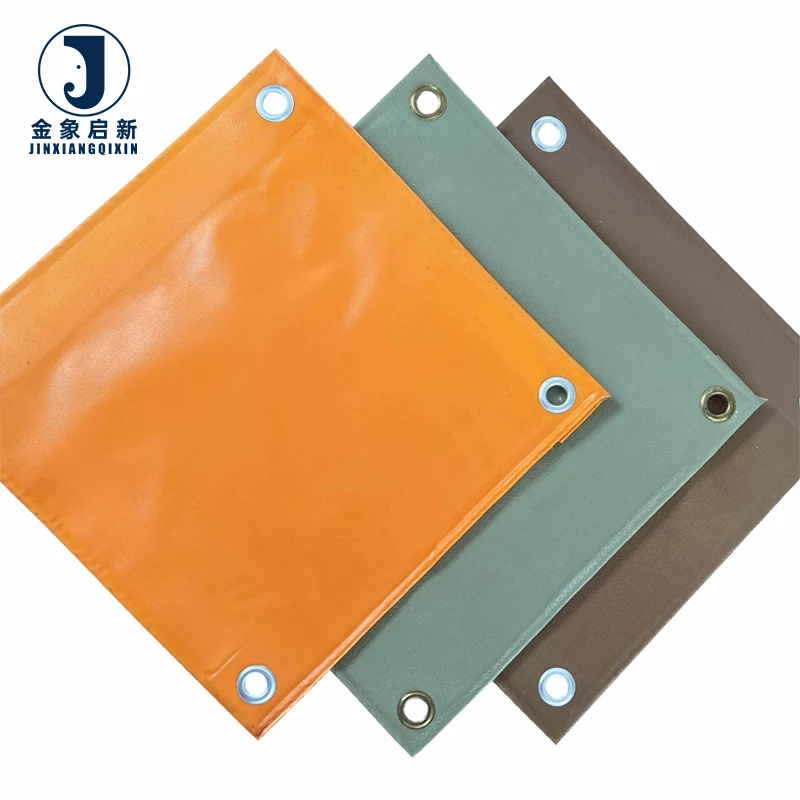
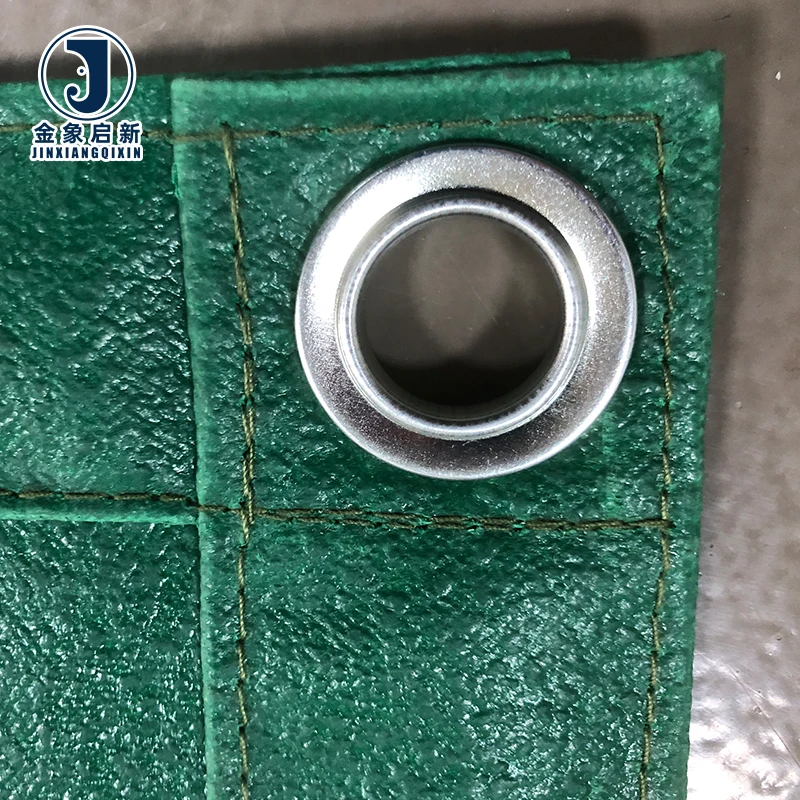
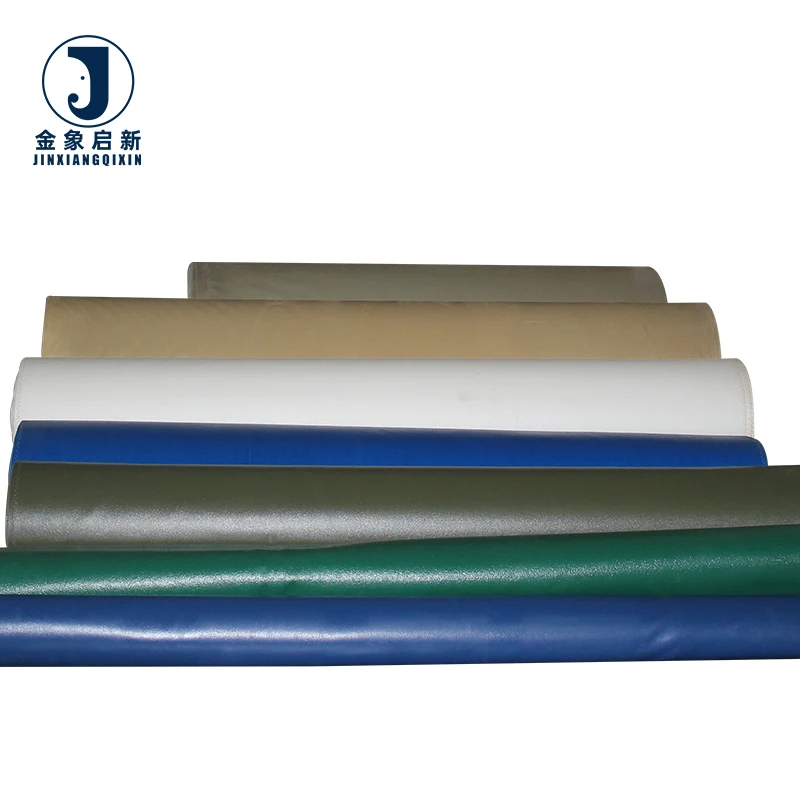
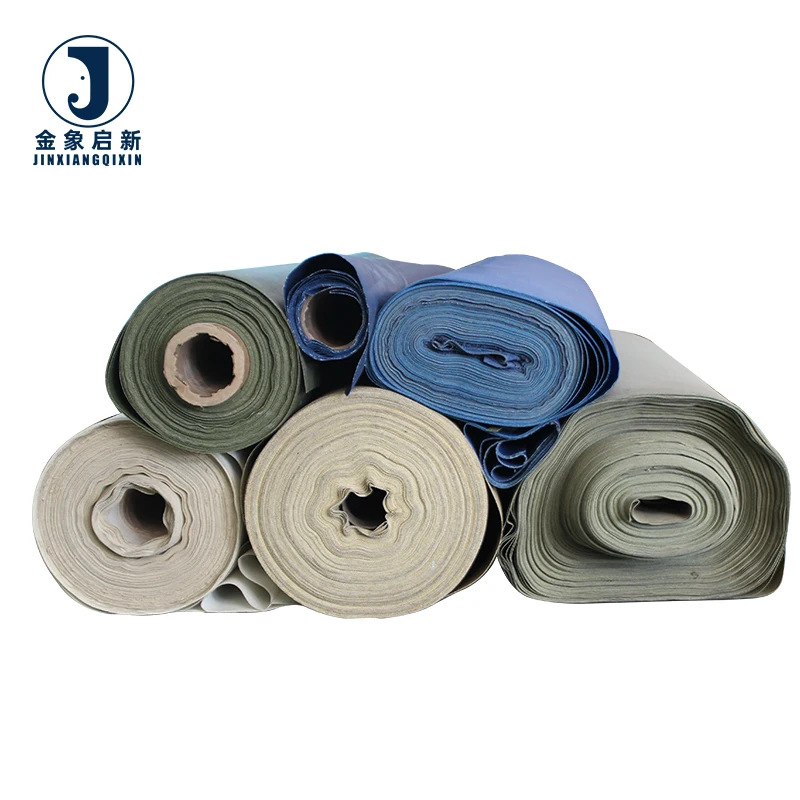
Deep process control over coating weight and adhesion — three full production lines and 36 sets of equipment ensure every roll of PVC coated tarpaulin for truck and ventilation meets the stated specification before it leaves the facility.
Technical Specifications
| Parameter | Value |
|---|---|
| Product Type | PVC Coated Tarpaulin |
| Base Fabric | 100% high toughness polyester yarn |
| Coating Material | PVC |
| Coating Method | Lamination technology and hot melt coating technology |
| Medium Grade Weight | 400-500 g/㎡ (range covers product family — confirm the grade for this item) |
| Medium Grade Thickness | 0.35-0.45 mm |
| Medium Grade Base Fabric Denier | 500D |
| Medium Grade Tensile Strength | Warp 1500-2000 / Weft 1200-1800 N/5cm (test standard not stated in source) |
| Heavy Duty Grade Weight | 700-1000 g/㎡ (range covers product family — confirm the grade for this item) |
| Heavy Duty Grade Thickness | 0.70-1.0 mm |
| Heavy Duty Grade Base Fabric Denier | 1000D |
| Heavy Duty Grade Tensile Strength | Warp 2000-2500 / Weft 1800-2200 N/5cm (test standard not stated in source) |
| Super Heavy Grade Weight | 1100-1500 g/㎡ (range covers product family — confirm the grade for this item) |
| Super Heavy Grade Thickness | 1.2-1.5 mm |
| Super Heavy Grade Base Fabric Denier | 500D-2000D |
| Super Heavy Grade Tensile Strength | Warp 2500-3000 / Weft 2200-2800 N/5cm (test standard not stated in source) |
| Key Features | Flame retardant (grade not stated — confirm requirement), anti-static treatment available (surface resistance not confirmed), anti-UV treatment claimed (test basis not stated), cold resistant, anti-mildew, waterproof |
| Welding Tear Strength | Excellent (test standard not stated in source) |
| Outdoor Durability | 3-5 years weather resistance (stated in source) |
| Standards | ISO, CE |
Application Suitability
| Application | Exposure & Requirement |
|---|---|
| Truck and trailer side curtain | Road abrasion, repeated flexing at tie-down points, weather exposure, colour consistency across panels |
| Mining and tunnelling ventilation duct | Fire-retardant compliance, anti-static surface resistance, continuous airflow pressure, underground humidity |
| Tensioned membrane and inflatable structure | Sustained tensile load, UV exposure, weld seam integrity at stress concentrations, dimensional stability |
| Aviation ventilation duct | Fire-retardant grade compliance, anti-static requirement, lightweight yet durable construction |
| Industrial pipe canopy and protective cover | Waterproofing, mold resistance, temperature cycling, long-term outdoor weathering |
Why Coating Adhesion Matters More Than GSM for Ventilation Duct Fabric
Hot melt coating technology bonds the PVC layer to the polyester base at a molecular level, preventing delamination at weld seams under sustained duct pressure.
When ventilation duct fabric fails, the split rarely runs through the base yarn — it opens at the boundary between the coating and the fabric, or along the heat-welded seam where the adhesive bond was weakest. A higher GSM does not compensate for poor coating adhesion. I have seen heavy-grade coated rolls fail at the weld line while lighter grades with superior hot melt bonding held intact through years of duct inflation cycles [NEED_CITE: adhesion strength test methods for coated fabrics]. Selecting PVC coated tarpaulin for truck and ventilation applications requires verifying the coating method, not just the weight.
Coating Technology and Weld Seam Integrity
Hot melt coating and lamination technology forces the PVC compound into the weave structure of the polyester base yarn under controlled heat and pressure. This produces a mechanical and chemical bond that directly determines how the fabric behaves when heat-welded into duct sections or side curtain panels. For ventilation duct fabrication, where every longitudinal seam carries internal air pressure, the weld tear strength must match or approach the base fabric strength. This PVC coated tarpaulin for truck and ventilation is manufactured with coating adhesion as a controlled process variable, not a byproduct of thickness.
Fire-Retardant and Anti-Static Compliance for Underground and Aviation Duct
Mining, tunnelling and aviation ventilation systems require fabric that meets specific fire-retardant grades and anti-static surface resistance thresholds set by the governing authority on each site. The treatment options available on this fabric cover both requirements, but the exact grade and test standard must be confirmed against your project specification before ordering. Requesting the applicable test report per batch ensures the material dispatched matches the compliance documentation the site inspector will review [NEED_CITE: fire-retardant classification standards for underground ventilation duct fabric]. Available in flame retardant grades — confirm the grade required for your market and the anti-static surface resistance value your specification calls for.
Reading the Specification Sheet Beyond the Weight Number
The base fabric denier — 500D for medium grade, 1000D for heavy duty, and 500D-2000D for super heavy — defines the yarn thickness before coating, which governs how the fabric resists tear propagation once a nick or cut initiates. Coating weight adds stiffness, waterproofing and UV shielding but does not substitute for a dense base weave when the application involves point loads or abrasion. The lamination and hot melt coating method determines peel strength between layers, which in turn dictates whether a heat-welded seam will outlast the surrounding fabric or become the first failure point. Cold resistant and anti-mildew treatments extend service range into temperature and humidity extremes without altering the fundamental tensile and tear values set by the base construction [NEED_CITE: relationship between base denier and tear propagation in coated polyester fabrics].
The Hidden Cost of Specifying on Weight Alone
Ordering ventilation duct or truck curtain fabric based on GSM without verifying coating adhesion, base denier or weld tear strength leads to failures that appear after installation. Seams open under duct pressure while the body of the fabric remains intact. Side curtain panels crack along flex lines where the coating has delaminated from the base yarn, even though the quoted GSM was met on arrival. Batch-to-batch colour variation forces panel replacement on a single trailer when two rolls from the same order are hung side by side. Each of these outcomes traces back to a specification that stopped at weight and did not address the process variables that govern real-world performance [NEED_CITE: common failure modes in coated fabric ventilation duct installations].
Why Source This Fabric Through Jinxiang
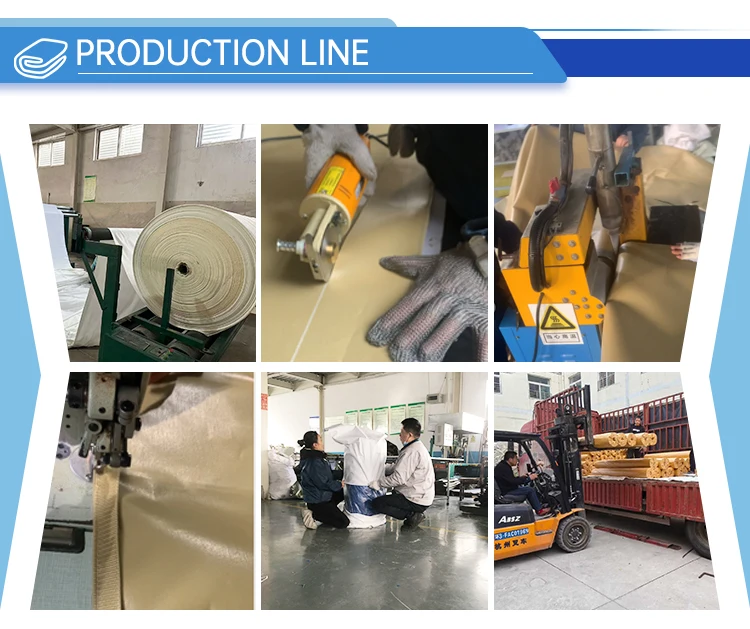
Three full production lines and 36 sets of professional equipment support bulk roll output with consistent coating weight and colour across every roll in a container load. A 10-person R&D team handles material selection, sample development within days and specification matching to the fire-retardant or anti-static standard your market requires. Dedicated QA/QC runs at every production stage with 100% inspection before shipment, catching GSM deviation and coating adhesion faults before they reach the dispatch bay. Nearly 30 years of focused coated fabric production gives the process team pattern recognition on weld behaviour, colour consistency and base yarn sourcing that newer lines cannot replicate.
Documentation & Verification
- Material specification sheet stating exact GSM, base denier, coating method and treatment type for each roll
- Test report for flame retardant grade issued per batch where applicable to the order
- Anti-static surface resistance test result included with shipment documentation for duct applications
- Pre-shipment inspection record confirming weight and visual consistency before container loading
- ISO and CE certificates and certificate of origin included in the dispatch documentation pack
Fabrication, Handling & Storage
- Heat-weld seams using temperature and dwell settings matched to the hot melt coating thickness and PVC compound type
- Reinforce tie-down and eyelet zones on side curtain panels to distribute point load across the base weave
- Store rolls upright on end caps to prevent flat-spot deformation of the coating surface under self-weight
- Allow cold-stored rolls to reach ambient temperature before unrolling to avoid cracking the PVC layer
- Use only PVC-compatible cleaning agents to preserve the anti-mildew and anti-UV treatment surface integrity
- Plan cut layouts to minimise cross-grain seams in duct sections where internal pressure concentrates stress
What to Include in Your Enquiry
Provide the target fire-retardant grade and anti-static surface resistance value required by your site authority, along with the duct diameter or curtain panel dimensions and annual volume estimate. Specify whether you need roll stock in standard widths or custom widths cut to minimise fabrication waste, and whether colour matching or printed branding is required for fleet identification.
Frequently Asked Questions
Q: What fire-retardant grade does the fabric carry, and does it meet my country’s mining or construction ventilation standard?
A: Flame retardant treatment is available across the product range, but the specific grade must be confirmed against your local standard before production. Provide your required classification — such as the standard referenced by your site authority — and the R&D team will match the formulation and supply the corresponding test report with the shipment.
Q: How is anti-static performance verified — do you supply a surface resistance test report with the shipment?
A: Anti-static treatment is available as an option for ventilation duct and specialist structure applications. The surface resistance value is measured during production and the test result is included in the dispatch documentation pack. Specify your required threshold in the enquiry so the correct treatment level is applied.
Q: How do you ensure GSM on arrival matches the quoted specification, and can I request a pre-shipment sample cut?
A: Every roll undergoes 100% inspection before shipment, with GSM verified against the material specification sheet. A pre-shipment sample cut can be arranged for your verification. The pre-shipment inspection record travels with the dispatch documentation so you can cross-check on arrival.
Q: What is the weld and seam strength relative to the base fabric, and which welding method do you recommend for duct fabrication?
A: Hot melt coating technology produces high coating-to-base adhesion, which supports strong weld tear performance. The recommended welding method and temperature settings depend on the specific grade and coating thickness ordered. Request the fabrication guidance sheet with your sample to confirm parameters before full production.
Q: Can you develop a custom-weight or custom-denier sample for a specific tensioned structure or ventilation duct application, and what is the lead time?
A: The 10-person R&D team develops custom samples within days, matching base denier, coating weight and treatment to your application requirements. Provide the target specification and end-use conditions, and a sample roll cut will be produced for your approval before bulk production is scheduled.