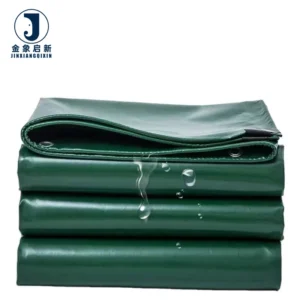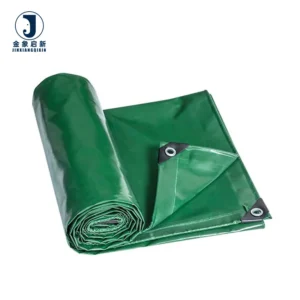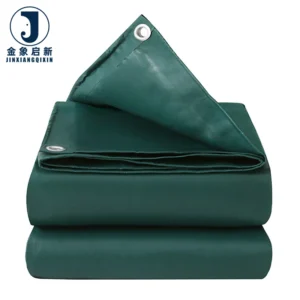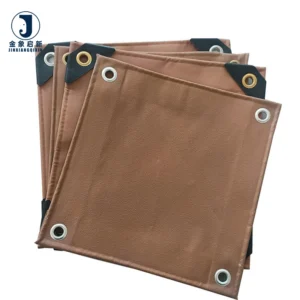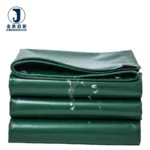
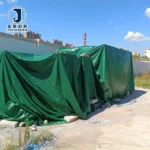


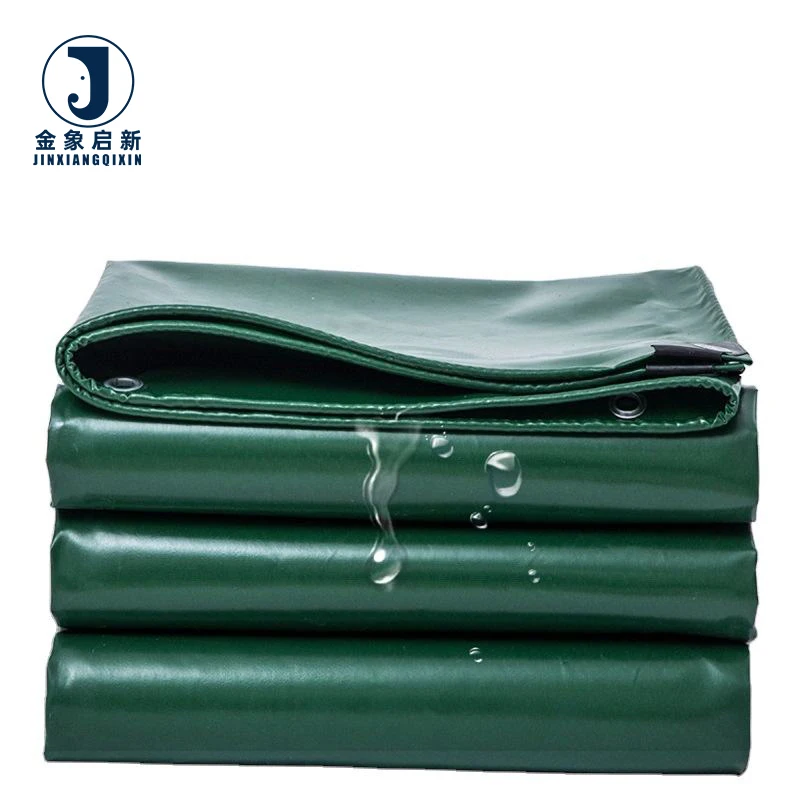
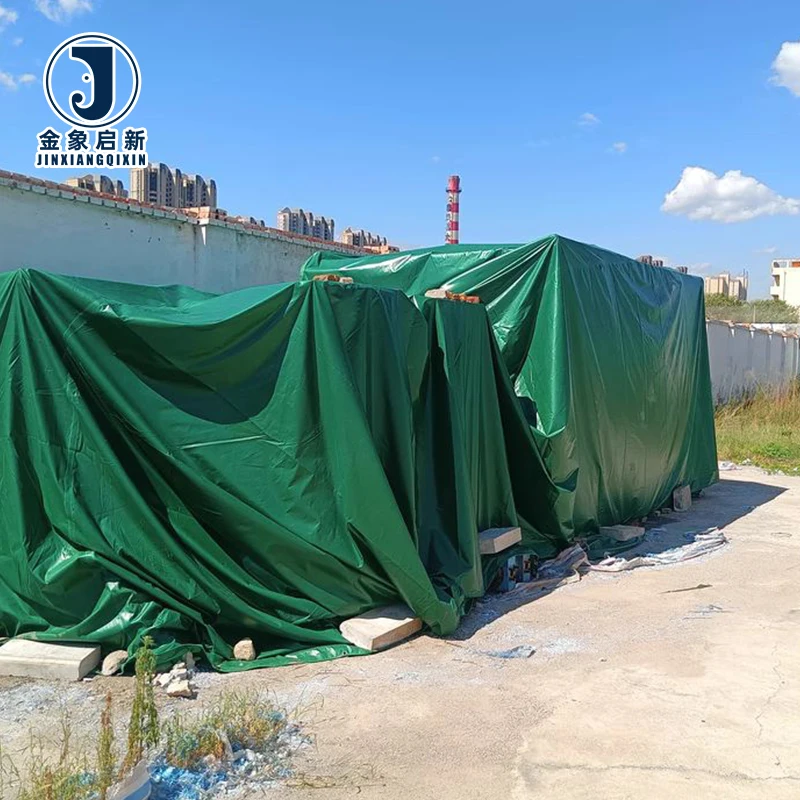
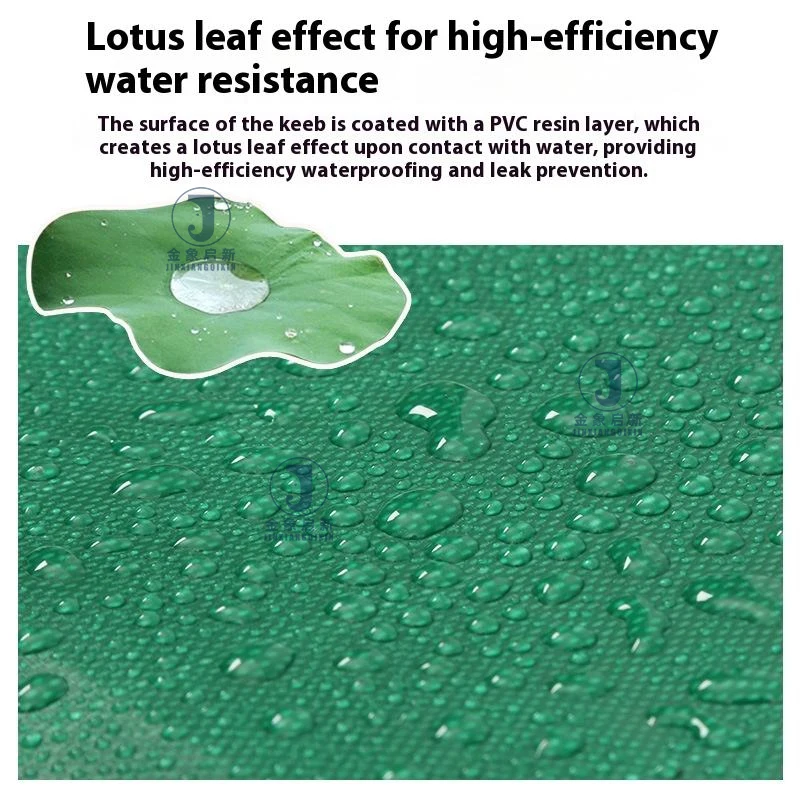
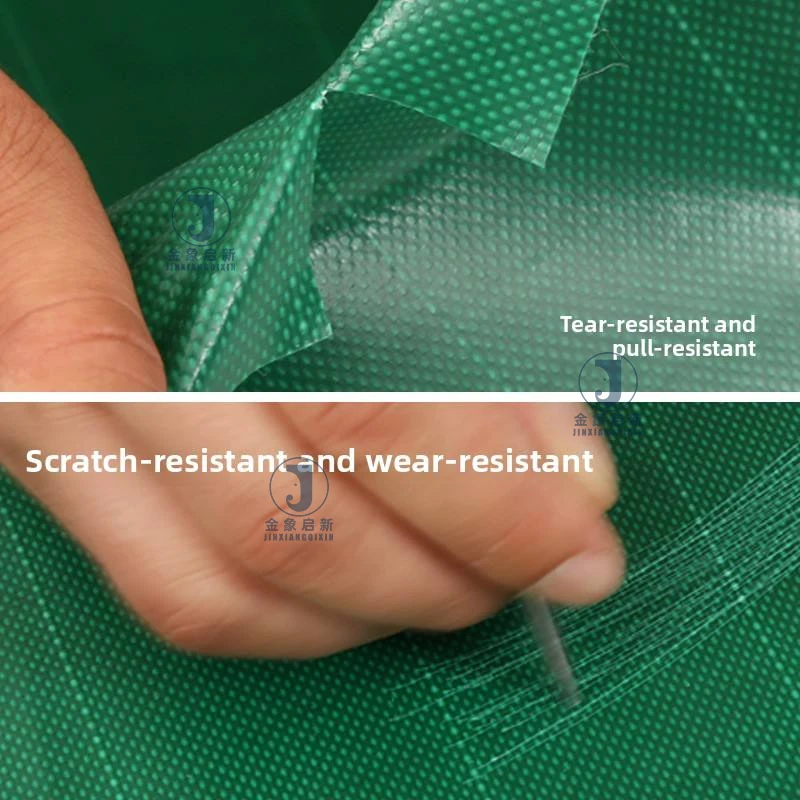
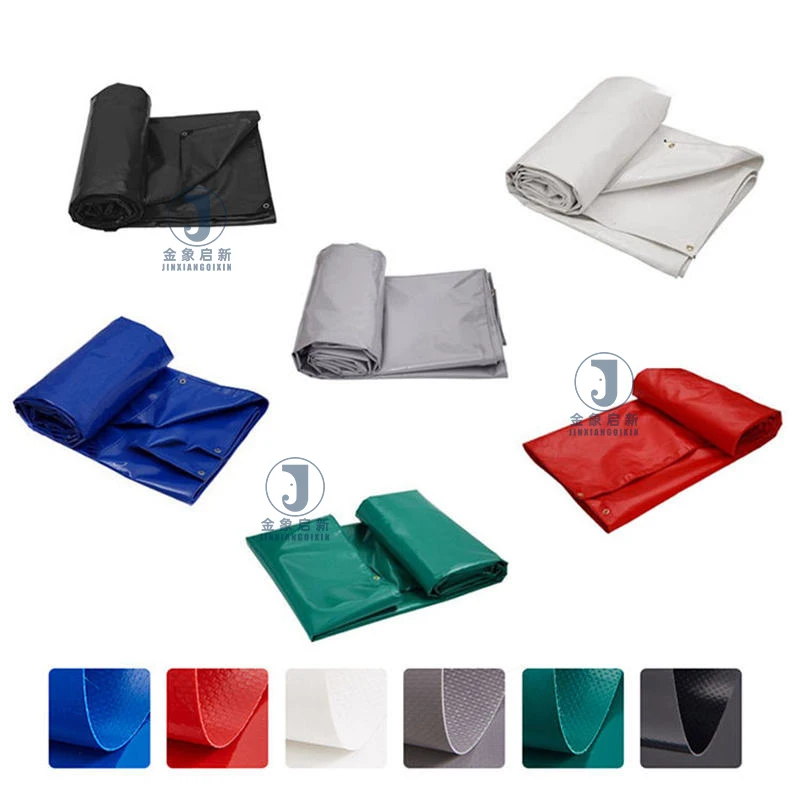
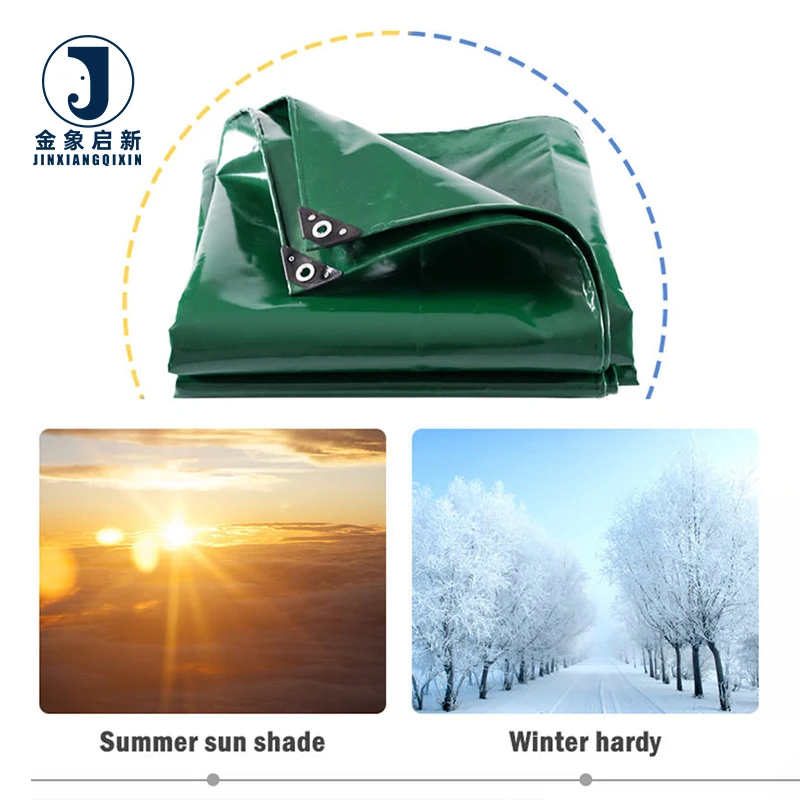
Process-Controlled Coating — Every roll of PVC coated tarpaulin fire retardant anti-static certified fabric is produced on one of three full lines with 36 dedicated equipment sets, giving you repeatable coating weight and adhesion batch after batch.
Technical Specifications
| Parameter | Value |
|---|---|
| Product Type | PVC Coated Tarpaulin |
| Coating Material | PVC |
| Surface Configuration | Double-faced |
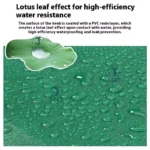
| Water Resistance | Water resistant |
| UV Treatment | Anti-UV treated (test basis not stated in source) |
| Flame Retardant | Flame retardant (grade not stated in source) |
| Anti-Static | Available with anti-static treatment (surface resistance value to be confirmed) |
| Color Options | Multiple colors available |
| Fire-Retardant Certification | Available on request — confirm the grade required for your jurisdiction |
Application Suitability
| Application | Exposure & Requirement |
|---|---|
| Mine and tunnelling ventilation ducts | Constant inflation pressure, flex cycling, underground moisture, fire code compliance |
| Aviation ground support air ducts | Fuel-rich environment exposure, static discharge risk, strict anti-static requirements |
| Inflatable and membrane structures | Wind loading, UV exposure, structural tension, public fire safety codes |
| Temporary surface buildings | Weather cycling, rapid deployment, repeated fold-and-unfold stress |
Why a Fire-Retardant Label Without a Grade Is a Compliance Risk
Specifying "flame retardant" without naming a test standard leaves your site audit wide open.
When you order PVC coated tarpaulin fire retardant anti-static certified fabric for a regulated mine or tunnelling project, the compliance officer does not check a marketing claim — they check a test report matched to the jurisdiction’s standard. A roll labelled only "flame retardant" without a referenced grade such as M2, B1, NFPA 701, or DIN 4102 will be flagged at inspection, and the duct or membrane will not pass sign-off [NEED_CITE: DIN 4102 fire classification for building materials]. We have seen entire ventilation installations held up because the supplier shipped rolls with a generic flame-retardant tag but no supporting certificate. The cost of re-ordering and re-installing under deadline pressure far outweighs the effort of confirming the grade before production starts.
Coating Weight Control for Consistent Duct Performance
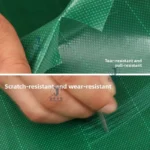
Ventilation duct fabric must hold steady inflation pressure across hundreds of flex cycles without delamination. Our three production lines maintain tight control over PVC coating weight and adhesion, ensuring each roll of PVC coated tarpaulin fire retardant anti-static certified material meets the specified GSM before it leaves the factory. Double-faced construction provides uniform strength on both the airflow side and the external environment side, so the duct wall resists abrasion from the inside and weather exposure from the outside.
Fire and Static Compliance Across Jurisdictions
Mining and tunnelling regulations vary by country and even by project owner. The fabric can be treated to meet specific fire-retardant grades — confirm the standard your site authority requires, whether that is DIN 4102 B1 for European tunnel projects, NFPA 701 for North American temporary structures, or M2 for French public venues. Anti-static treatment is available for environments where surface charge build-up poses a discharge risk, and a surface resistance test result is provided with the documentation package [NEED_CITE: anti-static surface resistance measurement for coated textiles].
Reading Beyond GSM for Duct and Membrane Fabric
GSM tells you how much material is in a square metre, but tensile and tear behaviour depend on base fabric denier and weave density working together with the coating. A high-GSM roll with a loose weave can tear more easily than a lower-GSM roll with a tight denier count. Coating method also matters: knife-over-roll coating produces a thicker, more durable layer suited to duct inflation pressure, while laminated coating delivers lighter weight at a lower cost but with reduced peel strength at welded seams. For membrane structures, surface finish affects dirt retention and long-term appearance — a gloss finish sheds dust more readily in exposed installations, while a matte finish reduces glare on aviation ground support structures. Width and roll length influence how many transverse welds your fabricator must make, and each additional weld is a potential weak point under flex cycling.
The Cost of Getting the Specification Wrong
Ordering fabric without a confirmed fire-retardant grade means the material may arrive with a certificate that does not match the project spec, forcing a full roll replacement mid-project. Anti-static performance claimed without a measured surface resistance value leaves you unable to prove compliance at audit time [NEED_CITE: fire and static safety requirements for underground ventilation systems]. Colour inconsistency between rolls in the same shipment becomes visible once panels are welded side by side on a membrane structure, triggering rejection at handover. Welded seams that fail before the fabric body does typically trace back to coating formulation or heat-setting parameters that were not matched to the specific material grade — a problem that surfaces under duct inflation pressure, not on the factory floor.
Why Source This Fabric Here
Coating weight and adhesion are controlled across three full production lines with 36 sets of professional equipment, giving batch-to-batch consistency that fabricators rely on when welding duct sections. A dedicated 10-person R&D team handles material selection, sample development, and custom width requests — samples for fire-retardant or anti-static grades are typically developed within days. Every roll undergoes 100 percent inspection before shipment, with findings recorded in the dispatch documentation so you have a traceable quality record. Fire-retardant and anti-static treatments are supported by test reports and certificates matched to your stated requirements, not generic claims. Nearly three decades of coated fabric production experience means the team understands how ventilation duct fabric behaves under inflation, flex, and underground moisture.
Documentation & Verification
- Material specification sheet stating GSM, base fabric denier, and PVC coating weight per roll
- Fire-retardant test report citing the specific grade standard required for your project jurisdiction
- Anti-static surface resistance measurement result included with shipment documentation
- Pre-shipment inspection record confirming coating adhesion and visual quality per roll
- ISO and CE certificates supplied alongside certificate of origin for customs clearance
Fabrication, Handling & Storage
- Heat-weld parameters must match the specific PVC coating weight — request the recommended temperature and dwell time for this double-faced construction
- Store rolls upright on pallets in a dry environment to prevent edge compression marks on the coated surface
- Allow fabric to acclimatise before unfolding in cold conditions to avoid cracking the PVC coating layer
- Use compatible PVC welding tape for field repairs to maintain fire-retardant continuity across the seam
- Plan roll width and cut layout to minimise transverse welds that become flex-fatigue points under duct inflation pressure
What to Include in Your Enquiry
Specify the ventilation duct diameter, operating inflation pressure, and whether the installation is underground or surface-level so we can recommend the correct base fabric denier and coating weight. State the fire-retardant standard your jurisdiction requires and whether anti-static treatment is mandated by the project safety plan. Provide the roll width and total linear metres needed, along with any colour requirements for above-ground membrane or structure applications. Confirm whether you need finished panels with welded seams or rolls for your own fabrication line.
Frequently Asked Questions
Q: Which fire-retardant standard does the fabric meet for my jurisdiction’s mining or tunnelling regulations?
A: The fabric can be treated to grades including DIN 4102 B1, NFPA 701, and M2 depending on the coating formulation selected. Tell us which standard your site authority specifies, and we will supply a matching test report with the shipment so your compliance documentation is complete.
Q: How is anti-static performance measured and what surface resistance value is guaranteed?
A: Anti-static treatment is applied during the coating process and the finished surface is tested for electrical resistance. We provide a measured surface resistance value in the dispatch documentation so you can verify compliance against the threshold set by your project’s safety specification.
Q: What GSM and base fabric denier options are available for duct versus membrane structure use?
A: Multiple GSM levels and base fabric denier counts are produced across our three lines. Duct applications typically require a heavier denier for inflation fatigue resistance, while membrane structures may use a lighter base with higher tensile orientation. Share your structural load requirements and we will recommend the appropriate combination.
Q: How are welded seams tested to ensure they hold under duct inflation pressure and flex cycles?
A: Production samples include welded seam sections that undergo peel-strength testing before the full run is approved. The weld parameters are matched to the specific PVC coating weight and double-faced construction of this fabric to prevent seam failure under sustained inflation pressure [NEED_CITE: tensile and tear test methods for coated fabrics per ISO 1421].
Q: What certification documentation ships with each roll for site compliance audits?
A: Each dispatch includes a material specification sheet, fire-retardant test report matching the specified grade, anti-static surface resistance result where applicable, pre-shipment inspection record, and ISO and CE certificates alongside the certificate of origin.