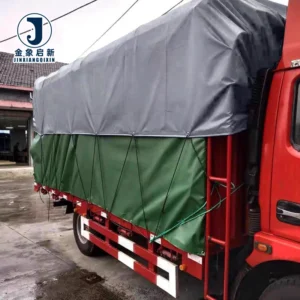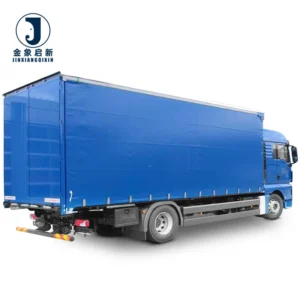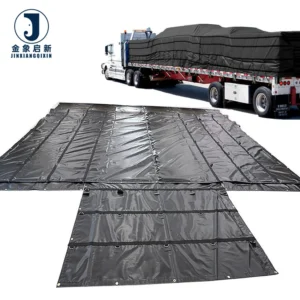


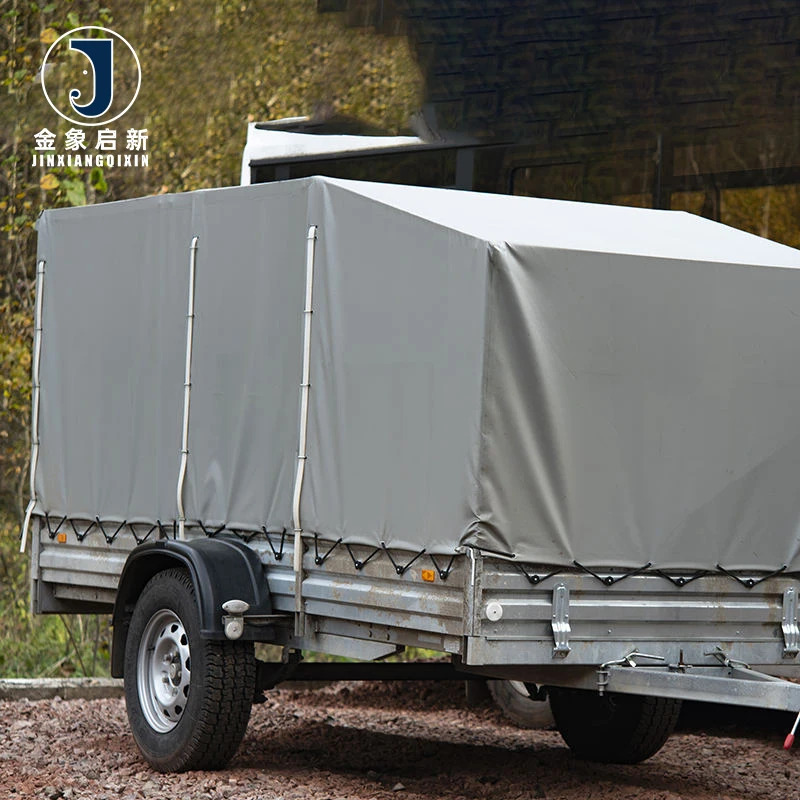
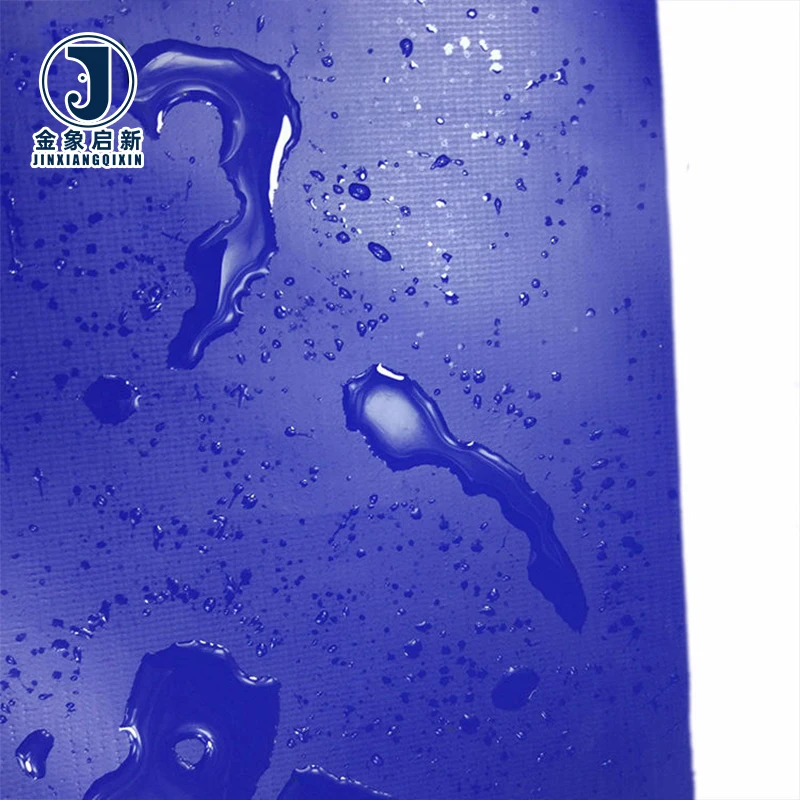
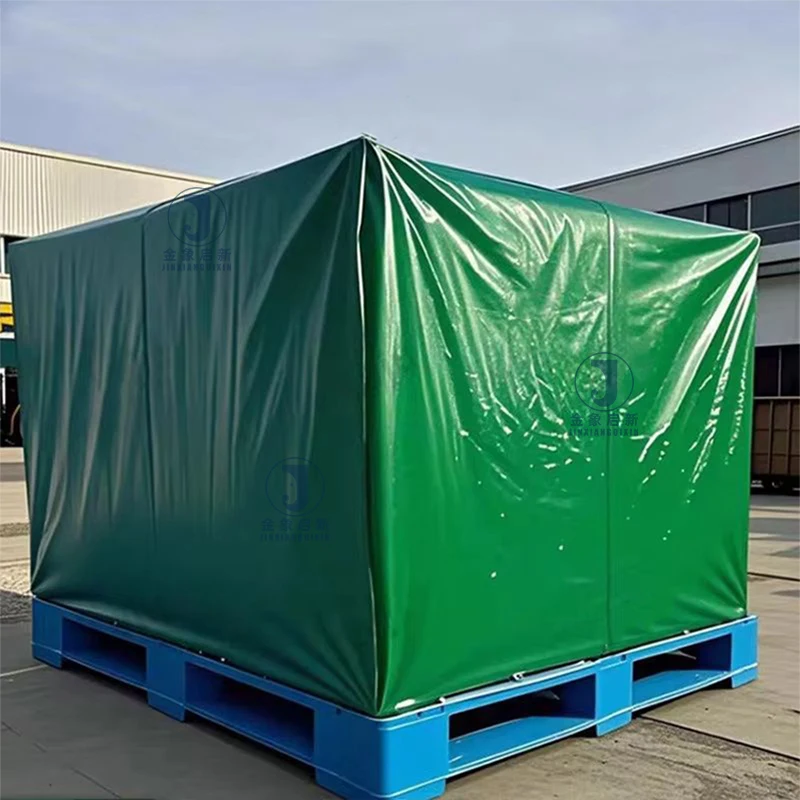
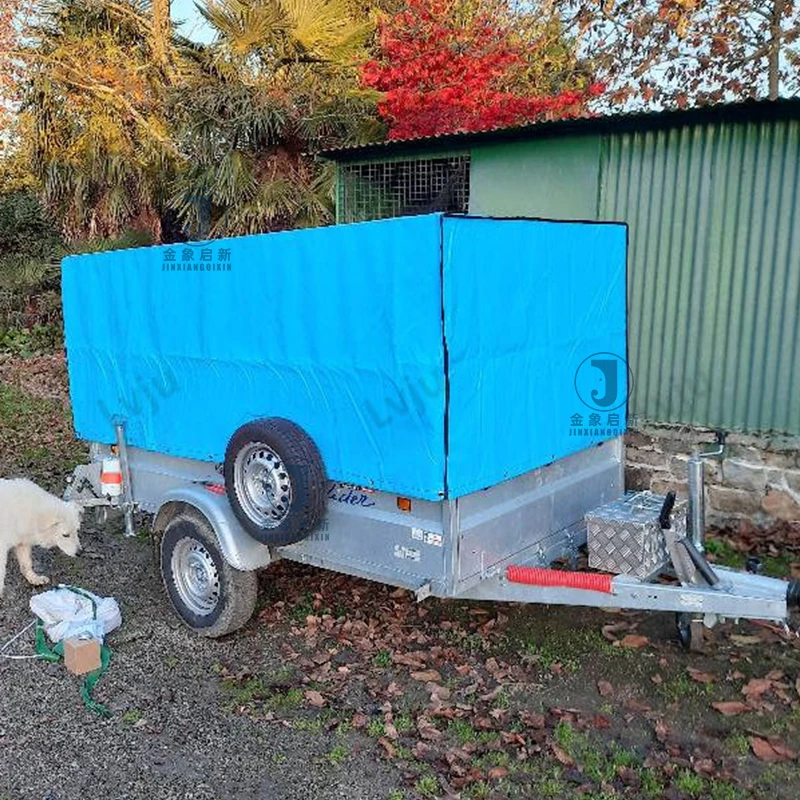
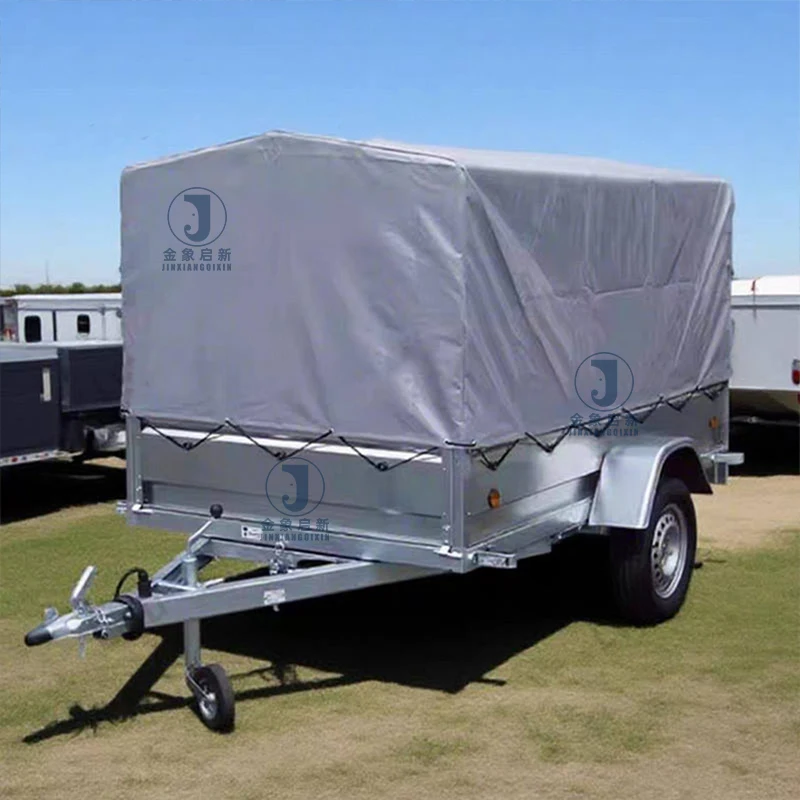
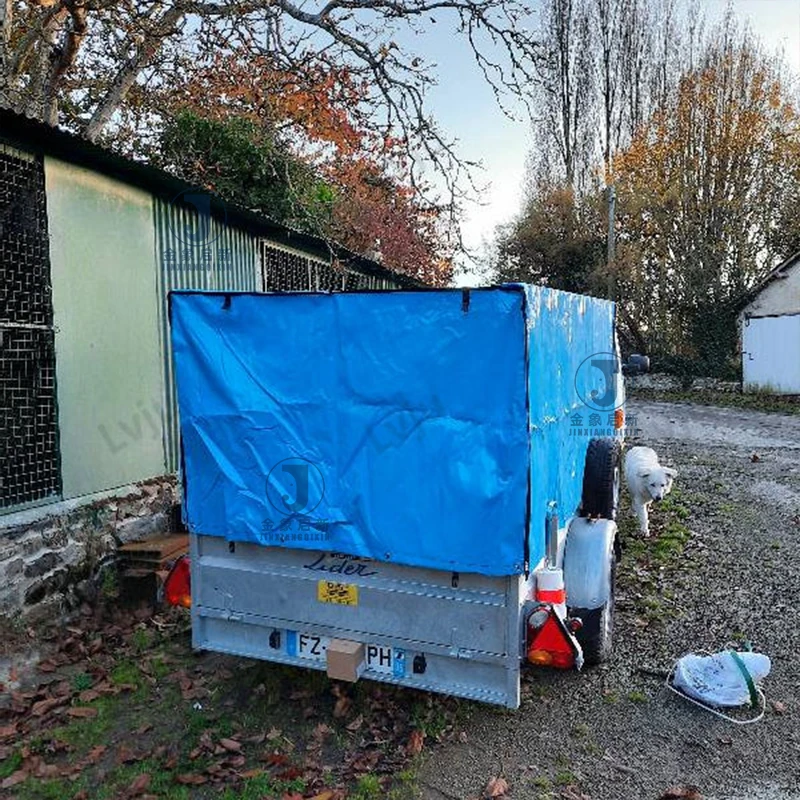
Coating adhesion control — three full production lines with hot-melt and laminated coating capability ensure PVC layers bond securely to the polyester base fabric throughout every roll.
Technical Specifications
| Parameter | Value |
|---|---|
| Product Type | PVC Coated Tarpaulin |
| Base Fabric | High-strength polyester mesh fabric |
| Coating Material | PVC |
| Weight (GSM) | 350gsm, 420gsm, 500gsm, 550gsm, 600gsm, 750gsm (confirm grade required) |
| Total Thickness | 0.32mm, 0.35mm, 0.4mm, 0.45mm, 0.5mm, 0.65mm |
| Coating Method | Laminated technology & Hot-melt coating technology |
| Roll Width | 2m, 2.1m |
| Roll Length | 75m (for 2m width), 50m (for 2.1m width) |
| Color Options | Blue, Red, Yellow, Light blue, Grey (customized) |
| Key Features | Cold crack resistance, anti-mildew, waterproof, UV resistant (test basis not stated), flame retardant (grade not stated), anti-static treatment (grade not stated) |
| Certifications | ISO, CE |
Application Suitability
| Application | Exposure & Requirement |
|---|---|
| Truck side curtain fabric | Constant flexing at load points, road spray, abrasion against cargo edges, UV exposure during transit |
| Flatbed and trailer load covers | Tie-down tension, wind flap stress, weather exposure across multi-day hauls |
| Construction equipment covers | Outdoor storage, dust and debris contact, repeated draping and removal |
| Temporary site enclosures | Wind loading, scaffold attachment stress, weather protection for ongoing work |
| Agricultural stock covers | Moisture exposure, UV degradation over seasons, handling abrasion |
| Marine and offshore maintenance covers | Salt spray, high humidity, UV exposure on deck or dockside |
Why a Generic PVC Truck Cover Fails on a Specific Trailer Model
A truck cover must match the exact dimensions and attachment points of the trailer it protects.
Too many fleet operators receive PVC truck covers cut to a standard size that leaves gaps at the corners or excess fabric flapping against the load at highway speed. The result is not just poor aesthetics — loose material wears through at the edges within weeks, and water channels through gaps that a generic pattern was never designed to close [NEED_CITE: field failure reports from generic-size tarpaulin installations on articulated trailers]. When the cover does not match the trailer profile, the tie-down points land in the wrong position, forcing operators to improvise attachment methods that concentrate stress on unreinforced areas. This PVC truck cover aftermarket supplier approach — cutting to vehicle-specific dimensions with reinforced hems and eyelet placement aligned to the trailer’s tie-down rails — eliminates those failure points before the cover leaves the factory.
Hot-Melt Coating Adhesion at Flex Points
Truck side curtains and load covers flex continuously during transit. Every time the load shifts or the trailer articulates, the PVC coating is stressed at the bond line where it meets the polyester base fabric. Hot-melt coating technology creates a molecular bond between the PVC layer and the mesh substrate, producing adhesion strength that resists delamination through repeated flex cycles. This is the PVC truck cover difference that matters most at the corners and tie-down zones, where the material undergoes the highest concentration of mechanical stress.
Custom Sizing Cut to the Vehicle Profile
A fleet running mixed trailer models — flatbeds, curtain-siders, refrigerated units — needs covers cut to each specific profile rather than a single generic pattern. The 2m and 2.1m roll widths provide efficient material utilisation when cutting to trailer dimensions, and the range from 350gsm through 750gsm allows weight selection matched to the exposure severity of each route. Custom sizing means the cover sits flush against the load, with eyelets positioned to align with the trailer’s existing tie-down hardware [NEED_CITE: OEM trailer tie-down rail spacing standards].
Reading GSM, Thickness and Coating Weight Together
GSM alone does not define how a PVC truck cover performs. A 550gsm fabric with a dense polyester base and thin coating will behave differently from a 550gsm fabric with a loose weave and heavy coating fill. The base fabric denier and mesh density determine tensile and tear strength, while the coating weight governs waterproofing, abrasion resistance and surface durability. Laminated technology bonds a pre-formed PVC film to the mesh, producing a uniform coating thickness that performs predictably at welded seams. Hot-melt coating penetrates the mesh structure, creating a mechanical lock that excels in peel strength. Choosing between them depends on whether the finished cover will be heat-welded into panels or sewn with sealed seams. The thickness options from 0.32mm to 0.65mm correlate to the total coating build, which directly affects how the material handles abrasion contact at load edges and tie-down points.
The Hidden Cost of Specifying on Price Per Square Metre
When a PVC truck cover is selected on cost alone, the typical compromise lands on the coating adhesion and the base fabric density. A lighter mesh with heavy coating fill may match the quoted GSM but tears easily at cut edges and fails at welded seams under load flex. Covers that arrive with the correct weight but insufficient anti-UV treatment lose flexibility after a single season of sun exposure, cracking at fold lines during removal. Batch-to-batch colour variation across rolls in the same order becomes visible once multiple covers are deployed side by side on a fleet [NEED_CITE: colour consistency standards for PVC coated fabrics in fleet livery]. These failures do not appear on the quotation — they appear on the truck, six months into service.
Why Source PVC Truck Covers Through This Supply Chain
Coating weight and adhesion are controlled in-house across three full production lines with 36 sets of professional equipment, so the GSM stated on the specification sheet is the GSM delivered on the roll. A 10-person R&D team develops samples within days for custom widths, colours and cut sizes, allowing fleet operators to verify fit on a specific trailer model before committing to bulk production. Every roll undergoes dedicated QA/QC at each production stage, with 100% inspection before shipment — meaning seam integrity, coating adhesion and colour consistency are verified before the material leaves the facility. This process control matters most when a single fleet order spans multiple trailer types and colour requirements across a multi-container shipment.
Documentation & Verification
- Material specification sheet confirming GSM, base fabric construction and coating method for each roll
- Test reports for UV resistance and flame-retardant grades where specified for your market
- Pre-shipment inspection record documenting coating adhesion and visual consistency checks
- Roll packing list with individual roll weights and dimensions for receiving verification
- Certificate of origin and customs documentation supporting international shipment clearance
Fabrication, Handling & Storage
- Heat-weld seams using temperature settings matched to the hot-melt or laminated coating type specified
- Reinforce eyelet zones with additional PVC patches at tie-down points on 350gsm and 420gsm grades
- Store rolls upright on end cores to prevent flat spots that become permanent creases in heavier 600gsm and 750gsm grades
- Allow cold-stored rolls to reach ambient temperature before unrolling to avoid cracking the PVC coating surface
- Use mild detergent solutions for cleaning — solvent-based products can degrade the anti-mildew treatment on the coating
Requesting a Specification Match for Your Fleet
Provide the trailer make, model and year for each unit requiring a cover, along with the operating environment — highway transit, construction site standby, or maritime dockside storage. Specify the GSM range or thickness preference and whether flame-retardant or anti-static treatment is required for your compliance jurisdiction. Indicate whether you need finished cut sizes with hems and eyelets or roll stock for in-house fabrication, and confirm colour requirements including any multi-colour or branding needs across the order.
Frequently Asked Questions
Q: How do you verify the GSM matches what was quoted?
A: Every roll is weighed and measured during pre-shipment inspection. The material specification sheet states the target GSM and coating weight, and the inspection record documents the actual values per roll. This documentation ships with the order so you can verify on receipt that the PVC truck cover material matches the specification you approved.
Q: Can you cut covers to fit specific truck and trailer models?
A: Yes. Provide the trailer make, model and dimensions, and the R&D team develops a cut pattern with hem and eyelet placement matched to the vehicle’s tie-down configuration. A sample is produced for fitment approval before bulk cutting begins, ensuring each PVC truck cover fits the intended trailer without gaps or excess material.
Q: What test reports are provided for UV and flame-retardant treatments?
A: Where UV resistance or flame-retardant grades are specified, test reports documenting the treatment level are supplied with the shipment. Confirm the standard required for your market — different regions reference different test methods — and the appropriate grade will be matched and documented for your PVC truck cover order.
Q: What is the lead time for custom sizes and colors?
A: Custom widths, colours and cut sizes are produced on dedicated lines with typical multi-week lead times depending on order volume and specification complexity. Samples for approval are developed within days. Confirm your colour references and dimensional requirements early to secure production scheduling for your PVC truck cover programme.
Q: Do you provide samples before bulk orders?
A: Samples are developed for custom requirements including specific GSM grades, colours and cut dimensions. Approving a sample before bulk production ensures the PVC coating adhesion, colour match and fabricated dimensions meet your fleet standards, reducing the risk of rejection on delivery.