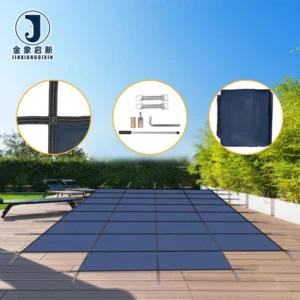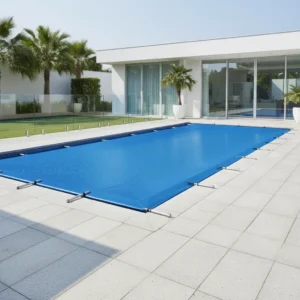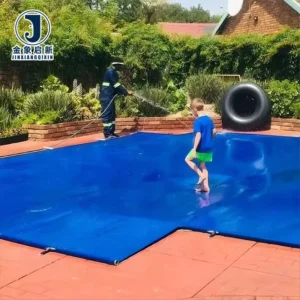
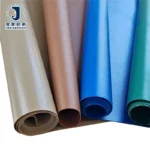
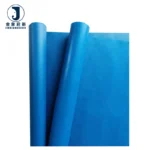
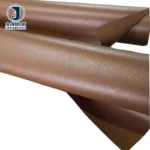
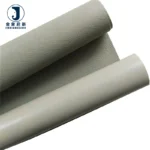
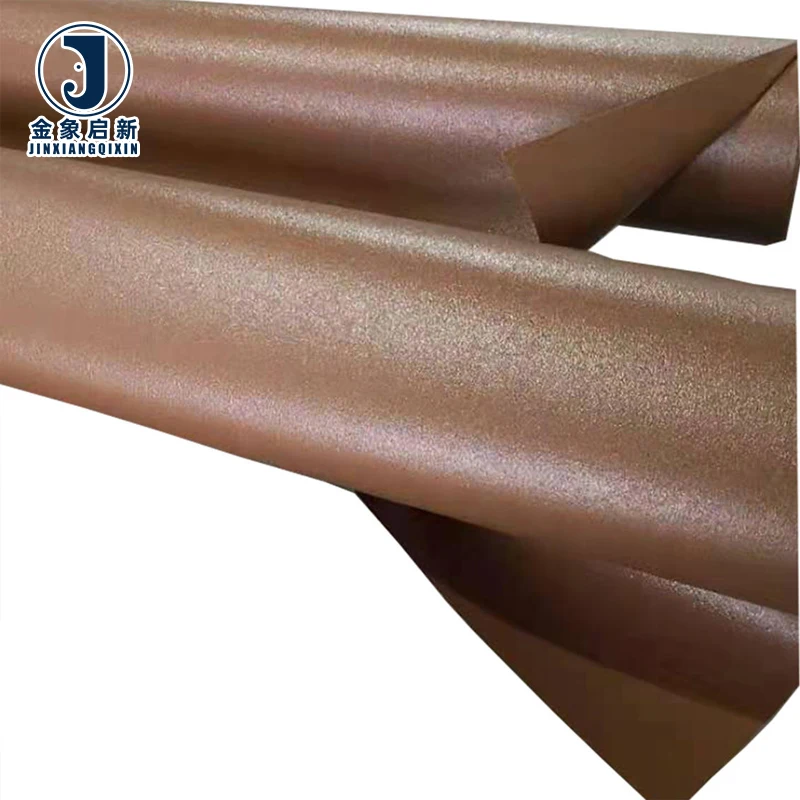
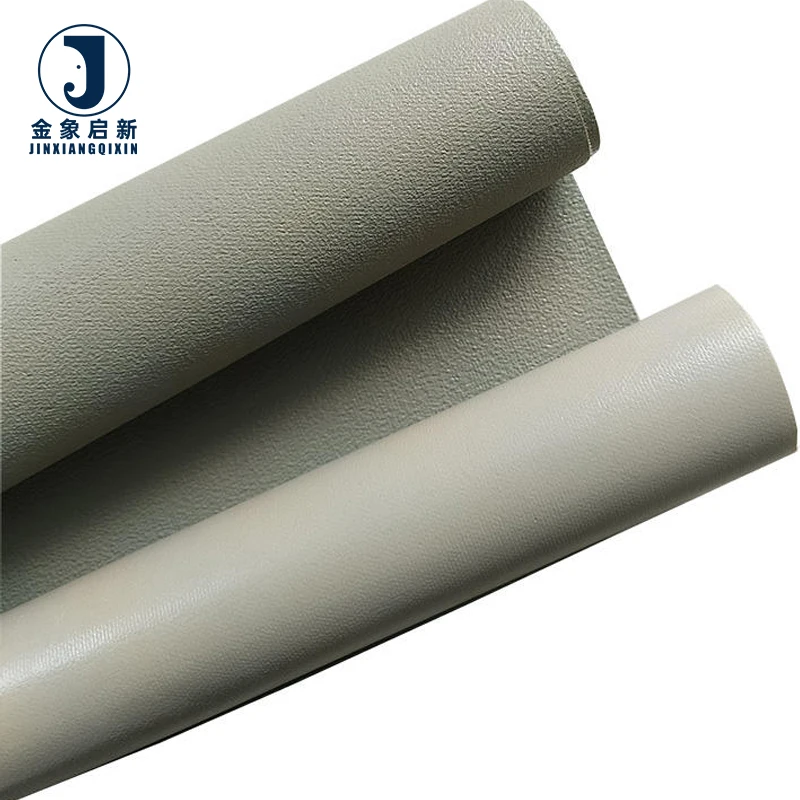
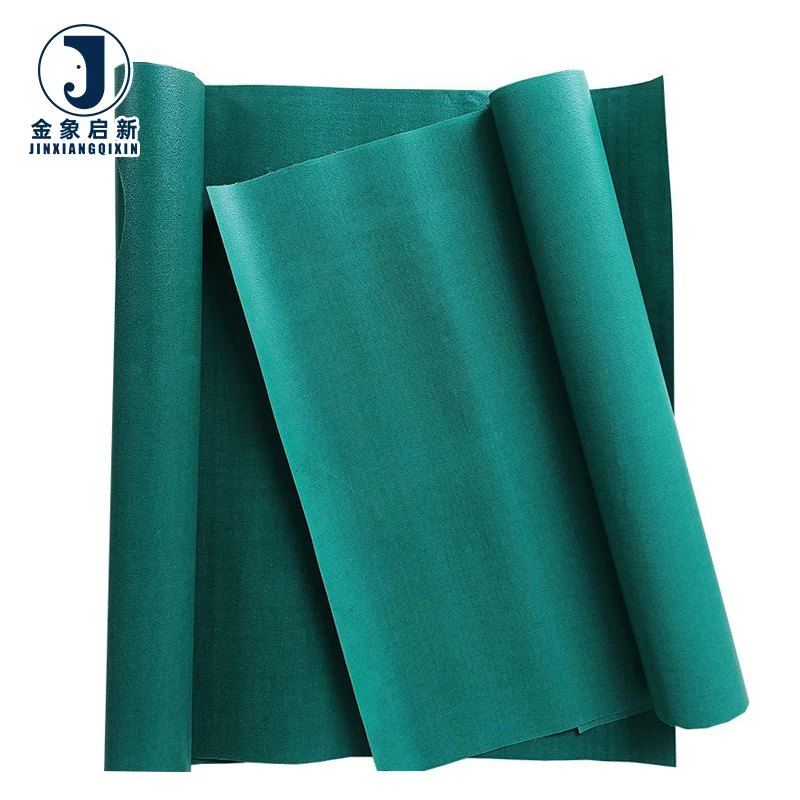
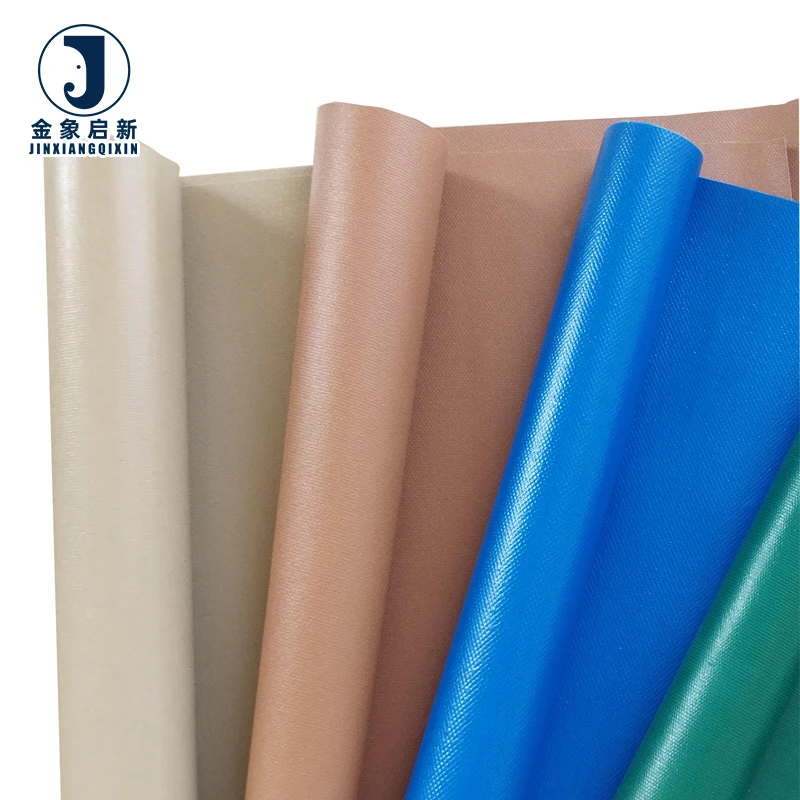
Coating Process Mastery — Decades of lamination and hot-melt coating control translate into consistent adhesion between PVC and polyester mesh for technical-grade pool covers and specialist fabric structures.
Technical Specifications
| Parameter | Value |
|---|---|
| Product Type | PVC Coated Tarpaulin for Pool Cover |
| Material | PVC + High-strength polyester mesh fabric |
| Coating Method | Laminated technology & Hot-melt coating technology |
| Weight Options | 350gsm / 420gsm / 500gsm / 550gsm / 600gsm / 750gsm |
| Thickness Options | 0.32mm / 0.35mm / 0.4mm / 0.45mm / 0.5mm / 0.65mm |
| Roll Size | 2m × 75m / 2.1m × 50m |
| Finish Product Size | Custom cut to project dimensions or sold as inventory roll |
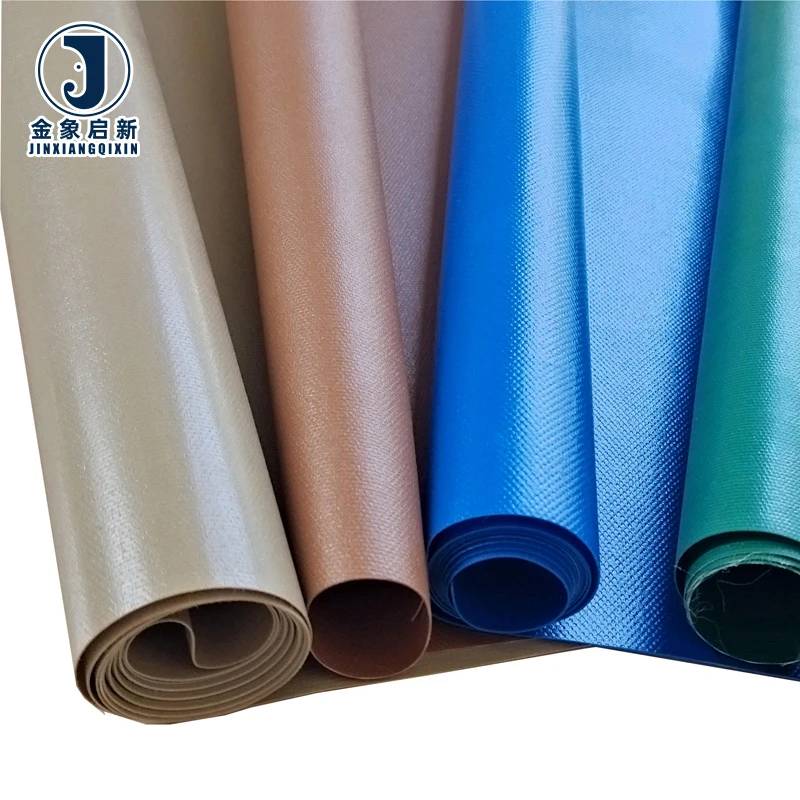
| Color Options | Blue / Red / Yellow / Light Blue / Grey (customized colors available) |
| Key Features | Waterproof, sunproof, cold crack resistance, anti-mildew, outstanding tearing strength for welding |
| Flame Retardant | Available as special treatment — confirm the grade required for your market |
| Anti-Static | Available as special treatment — surface resistance or standard to be confirmed per order |
| Anti-UV | Anti-UV treatment available — test basis to be confirmed per order |
| Service Life | Suited to extended outdoor and submerged exposure under normal conditions |
| Standards | ISO, CE certified facility |
Application Suitability
| Application | Exposure & Requirement |
|---|---|
| Swimming pool safety cover | Continuous UV exposure, chlorine contact, tension from anchoring systems, debris load |
| Commercial pool evaporation prevention cover | Large surface area coverage, wind uplift resistance, chemical splash, daily deployment cycles |
| Fish tank and aquaculture liner cover | Permanent water immersion, biological fouling, weight of standing water |
| Membrane and inflatable structure fabric | Biaxial tension, thermal cycling, wind load, fire compliance in public venues |
| Tent and temporary enclosure cover | Rain and wind exposure, repeated folding and transport, ground contact abrasion |
What Happens When the Test Report Does Not Match the Specification Sheet
A PVC coated tarpaulin fire retardant or anti-static claim is only as reliable as the documentation behind it.
Pool covers and technical fabric structures often sit at the intersection of building code and site safety requirements. Buyers specify a flame-retardant grade or an anti-static surface resistance, receive a quotation that echoes those words back, and then discover at pre-commissioning inspection that no third-party test report accompanies the roll. The material may perform adequately, but without verifiable data the project stalls [NEED_CITE: fire classification standards for coated textiles in building applications]. The cost is not the fabric itself — it is the delay, the re-tender, and the relationship damage with the end client. Sourcing PVC pool cover tarpaulin aftermarket supplier stock without confirming documentation upfront turns a straightforward material purchase into a compliance risk.
Coating Adhesion and Weld Integrity in Pool Cover Fabrication
Laminated and hot-melt coating technology bonds the PVC layer to the high-strength polyester mesh under heat and pressure, creating a unified structure rather than a surface film sitting on top of woven yarns. For pool covers that are heat-welded into custom shapes, this bond matters at every seam. A PVC coated tarpaulin fire retardant grade fabric that delaminates at the weld line fails not because the PVC was weak, but because the coating-to-substrate adhesion was insufficient to survive the thermal cycle of welding. The high-tenacity polyester base provides the tear resistance; the coating method determines whether that strength transfers across the joint.
Selecting the Correct GSM and Thickness for Your Pool Cover Project
The available range spans 350gsm to 750gsm with corresponding thickness from 0.32mm to 0.65mm. Lighter grades suit temporary or seasonal pool covers where handling weight and cost per square metre drive the decision. Heavier grades address permanent commercial installations where the cover must withstand sustained tension, snow load, or frequent mechanical retraction. Thickness alone does not predict performance — a 550gsm fabric with a tighter base weave can outperform a 600gsm fabric with a looser construction when tearing force is applied at a welded corner [NEED_CITE: tensile and tear test methods for coated fabrics per ISO 1421]. Requesting a material specification sheet that states the exact base fabric denier and weave density alongside the GSM ensures the grade selected matches the structural demand of the installation.
How Base Fabric, Coating Weight, and Treatment Interact
The polyester mesh base fabric provides tensile and tear strength, while the PVC coating adds waterproofing, UV screening, and chemical resistance. In laminated construction, two PVC films are bonded to either side of the mesh under heat, producing high peel strength that resists delamination during welding and long-term flexing. Hot-melt coating achieves a similar bond through direct extrusion of molten PVC onto the substrate. Both methods outperform simple knife-over-roll coating in adhesion, which matters when pool covers are folded, dragged across coping stones, and re-tensioned season after season. Special treatments — flame retardant, anti-static, anti-mildew, cold crack resistance — are applied during or after coating and must be specified at order stage, not assumed as standard across all rolls. The anti-mildew treatment is particularly relevant for pool covers that sit over warm, humid water for extended periods, preventing fungal growth on the fabric surface that would otherwise stain and degrade the coating.
The Hidden Cost of Specifying on GSM Alone
Buyers who select a PVC pool cover tarpaulin based solely on a target weight often encounter two problems. First, the roll arrives lighter than the quoted GSM because the supplier controlled cost by reducing coating thickness while maintaining the base fabric count. Second, the cover tears at a welded grommet point not because the fabric was thin, but because the base mesh used a low-denier yarn that offered little resistance to tear propagation. Both failures trace back to a specification that listed a number without the supporting detail. When a commercial pool cover fails mid-season, the replacement cost, the labour to remove and reinstall, and the client’s loss of confidence far exceed the price difference between a properly specified roll and a commodity-grade alternative [NEED_CITE: common failure modes in tensioned PVC covers at welded attachment points].
Why Procurement Teams Source This PVC Pool Cover Tarpaulin Here
Three full production lines and 36 sets of professional equipment provide the capacity to fulfil bulk roll orders for large commercial pool projects without fragmenting production across multiple batches, which protects colour and coating consistency. A 10-person R&D team handles material selection and sample development, producing custom-grade samples within days so buyers can verify hand feel, weld behaviour, and colour before committing to production volume. Dedicated QA/QC operates at every production stage, with 100% pre-shipment inspection ensuring the GSM, colour, and treatment of every roll match the confirmed specification. Custom widths, lengths, and finished dimensions are produced against confirmed order requirements rather than limited to a narrow stock catalogue. The facility holds ISO and CE certification, providing the quality management framework that technical buyers and their compliance teams require [NEED_CITE: ISO quality management systems for coated fabric manufacturers].
Documentation & Verification
- Material specification sheet stating exact GSM, base fabric construction, coating method, and applied treatments for each roll
- Fire-retardant grade test report issued by accredited laboratory when flame-retardant treatment is specified
- Anti-static surface resistance measurement report when anti-static treatment is included in the order
- Pre-shipment inspection record documenting GSM verification, colour check, and coating adhesion assessment
- Certificate of origin and customs documentation for international shipments
- Roll packing list with batch identification for traceability across the installation
Fabrication, Handling & Storage
- Heat-weld seams using temperature settings matched to the specified coating method — laminated and hot-melt grades respond differently to thermal input
- Reinforce grommet and tie-down points with additional PVC patches at flex zones to distribute load across the polyester mesh
- Store rolls upright on end cores in shaded, ventilated areas to prevent flat-spotting and surface embossing marks on the coating
- Allow cold-stored rolls to reach ambient temperature before unrolling to avoid cracking the PVC layer at low temperatures
- Clean installed pool covers with mild detergent and soft brush; avoid solvents that attack the plasticiser in the PVC coating
- Plan cutting layouts on 2m or 2.1m roll widths to minimise welded seams in high-tension zones of the finished cover
Preparing Your Pool Cover Fabric Inquiry
Provide the pool dimensions, cover anchoring method, and whether the installation is commercial or residential so the correct GSM and thickness grade can be recommended. If your local building code or site specification requires a specific flame-retardant classification or anti-static surface resistance, state the standard and grade at inquiry stage. Confirm whether you need rolls for your own fabrication facility or custom-cut finished covers, and indicate annual volume so pricing tiers and lead times can be structured accordingly. Request a sample roll section if weld parameters or colour matching must be validated in your workshop before production begins.
Frequently Asked Questions
Q: How do you verify the fire-retardant grade against my site’s local compliance standard?
A: Provide the standard and classification required — for example DIN 4102 B1 or NFPA 701 — at inquiry stage. We formulate the flame-retardant treatment to that target and supply the accredited laboratory test report with the shipment. If your market uses a standard we have not yet tested against, our R&D team can arrange third-party testing before production.
Q: What test basis supports the anti-static claim, and can you supply a surface resistance report?
A: Anti-static treatment is applied as a special option during coating. We measure surface resistance and include the report with your documentation package. Specify the required resistance range or applicable standard when placing the order so the formulation can be adjusted and verified before dispatch.
Q: How do I select the correct GSM grade from your range for pool cover versus technical structure use?
A: Pool covers that face sustained tension and debris load typically require heavier grades, while temporary seasonal covers can use lighter options. Share the span dimensions, anchoring system, and climate exposure with us. We will recommend a specific weight and thickness from our range and provide a sample for your evaluation.
Q: What documentation ships with the roll?
A: Every shipment includes a material specification sheet with GSM and coating details, a pre-shipment inspection record, roll packing list, and certificate of origin. Flame-retardant and anti-static test reports accompany orders where those treatments are specified. Additional documentation can be arranged to meet customs or project compliance requirements.
Q: How are welded seams tested to ensure they perform at flex and tension points?
A: Weld integrity depends on coating adhesion and base fabric tear strength working together. We test peel strength and tear resistance at welded joints during production QA. Our laminated and hot-melt coating methods deliver high adhesion values, and we can provide weld test data from your production batch upon request.