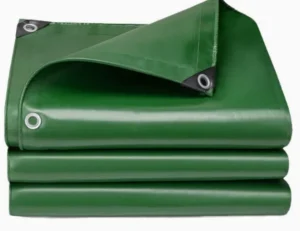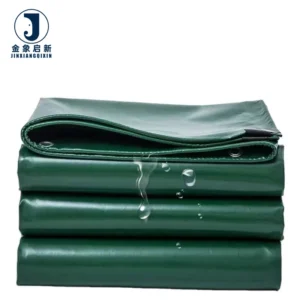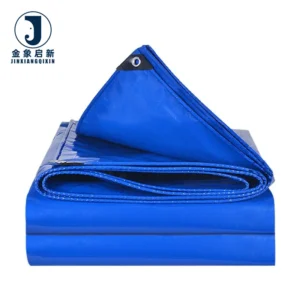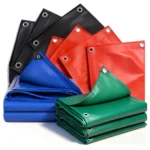

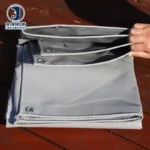

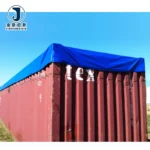
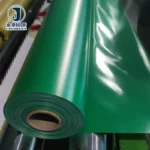
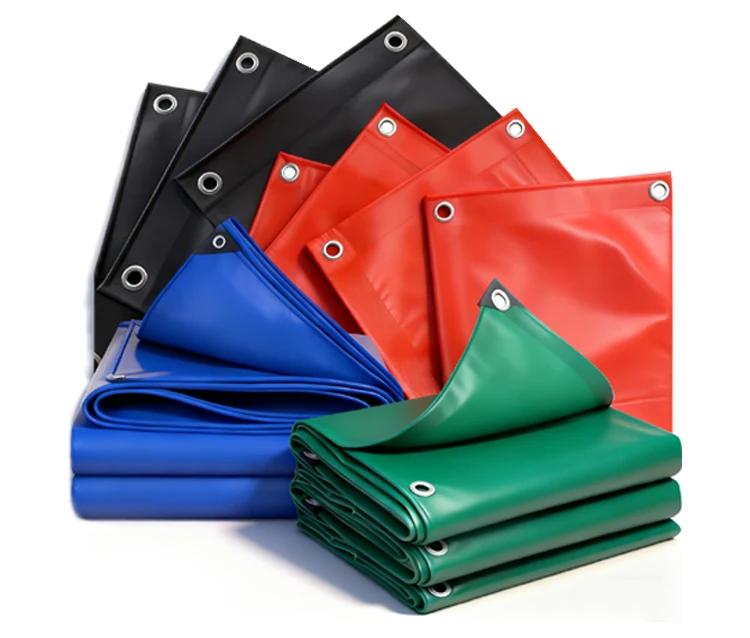
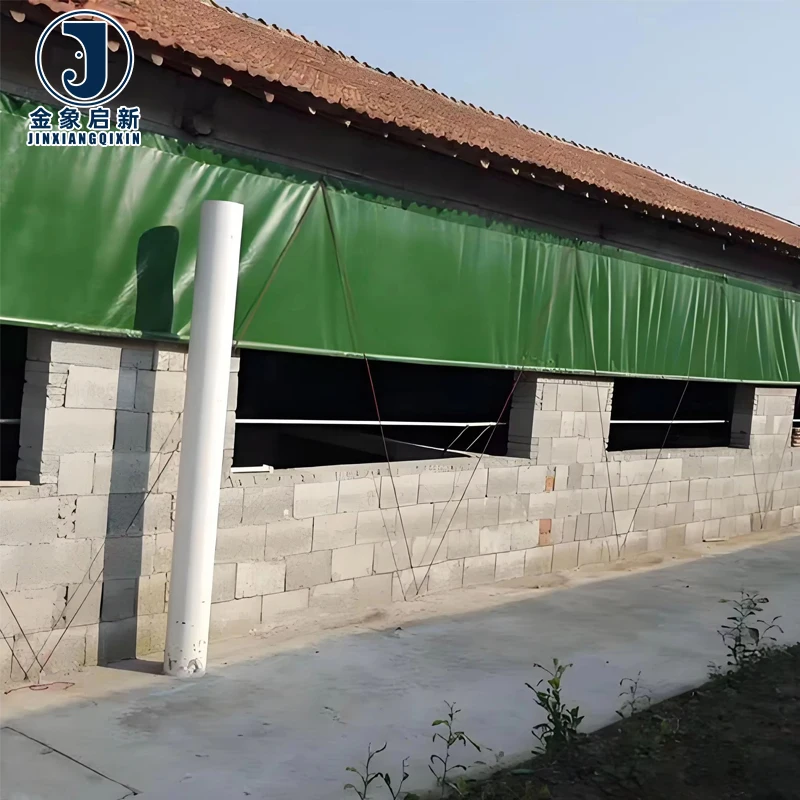
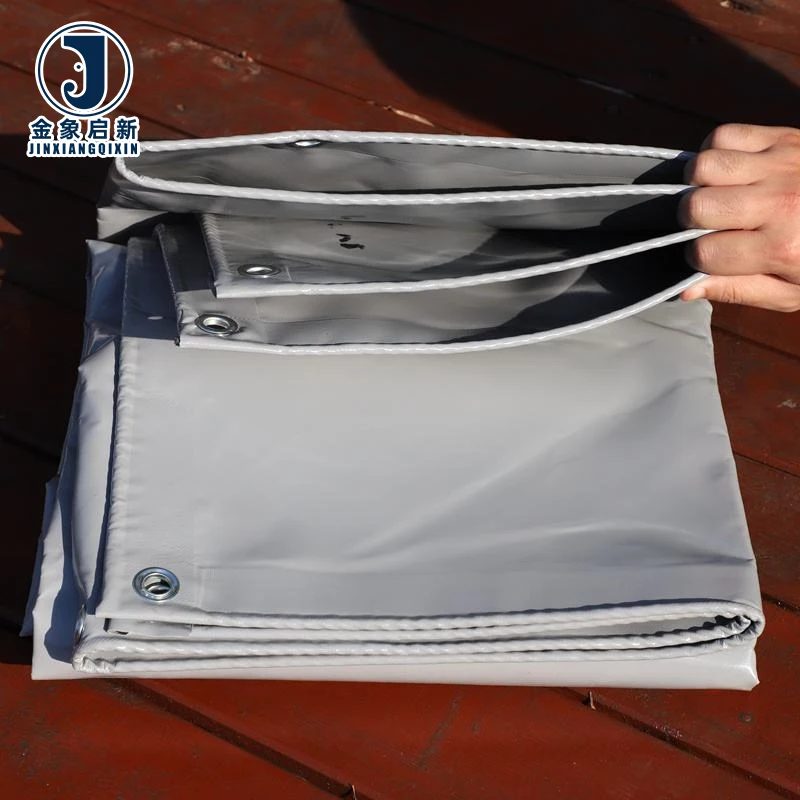
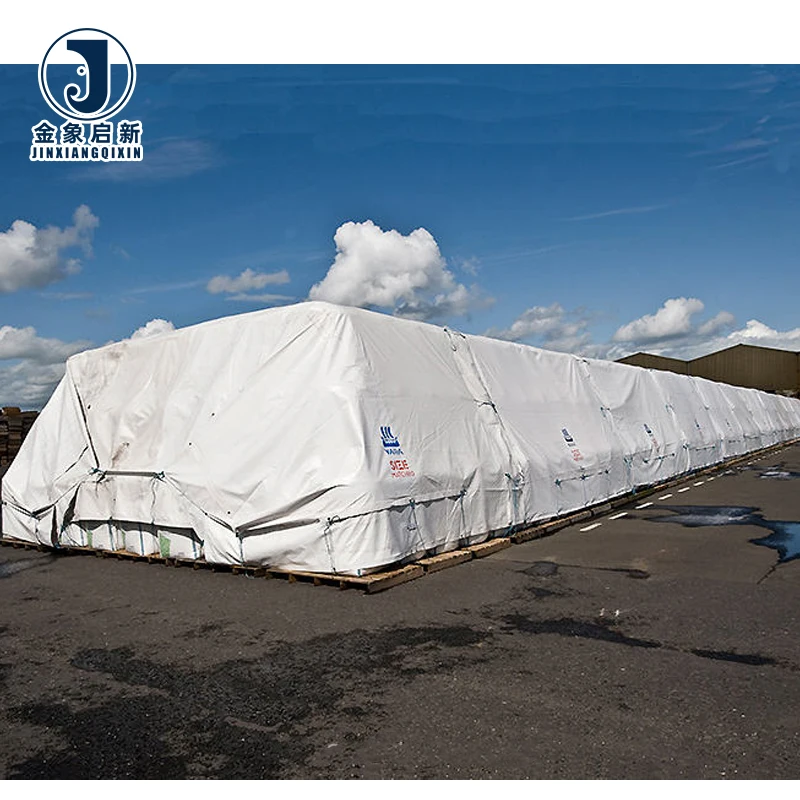
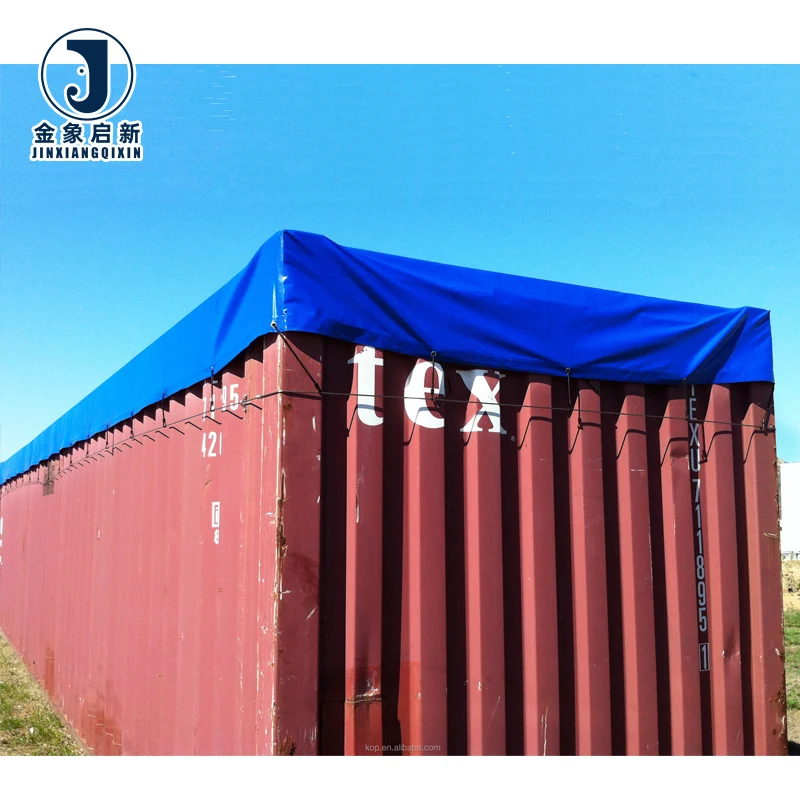
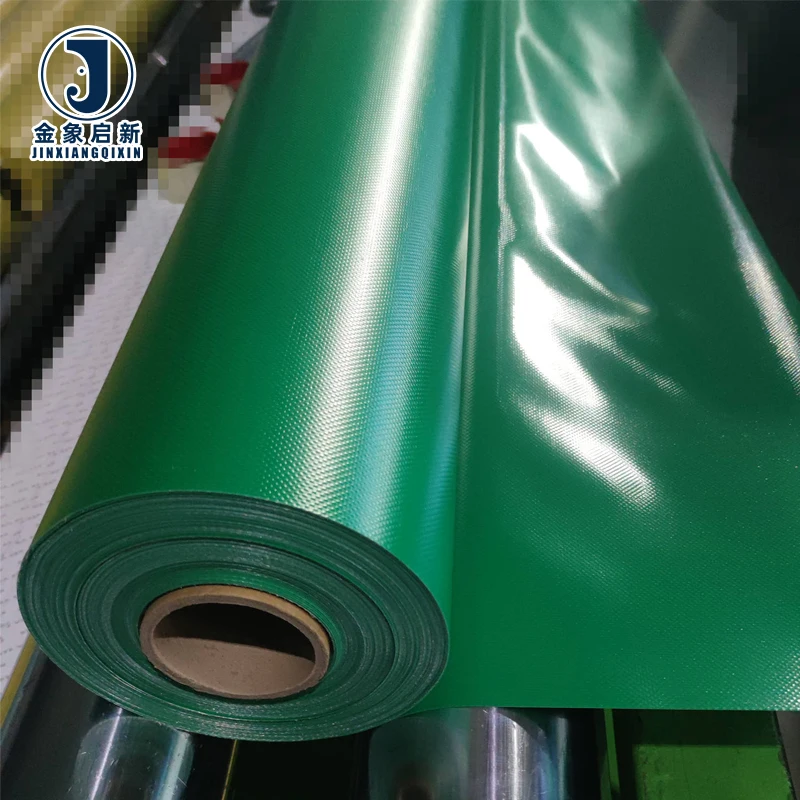
Technical Coating Precision — Hot melt lamination process controlled across three dedicated lines, ensuring consistent PVC adhesion and weld integrity on every roll of industrial coated fabric produced.
Technical Specifications
| Parameter | Value |
|---|---|
| Product Type | PVC Coated Fabric |
| Base Fabric | 100% high toughness polyester yarn |
| Coating Technology | Lamination and hot melt coating |
| Yarn Denier (Medium-duty) | 500D |
| Weight (Medium-duty) | 400-500 g/m² |
| Thickness (Medium-duty) | 0.35-0.45 mm |
| Tensile Strength (Medium-duty) | Warp 1500-2000 / Weft 1200-1800 N/5cm |
| Yarn Denier (Heavy-duty) | 1000D |
| Weight (Heavy-duty) | 700-1000 g/m² |
| Thickness (Heavy-duty) | 0.70-1.0 mm |
| Tensile Strength (Heavy-duty) | Warp 2000-2500 / Weft 1800-2200 N/5cm |
| Yarn Denier (Super Heavy-duty) | 500D-2000D |
| Weight (Super Heavy-duty) | 1100-1500 g/m² |
| Thickness (Super Heavy-duty) | 1.2-1.5 mm |
| Tensile Strength (Super Heavy-duty) | Warp 2500-3000 / Weft 2200-2800 N/5cm |
| Flame Retardant | Treatment available — grade not stated |
| Anti-Static | Treatment available — test basis not stated |
| UV Treatment | Available — test basis not stated |
| Cold Resistance | Cracking resistant treatment |
| Anti-Mildew | Mold proof treatment |
| Waterproof | Yes |
| Color Options | Blue, Blue/Orange, Green, Grey, Black, Clear, Grey/Green, Orange, or custom |
| Standards | ISO, CE |
Application Suitability
| Application | Exposure & Requirement |
|---|---|
| Mining ventilation duct | Underground fire codes, continuous airflow abrasion, static discharge risk, flex cycles from air pressure pulses |
| Tunnelling ventilation fabric | Confined space flame compliance, rock dust abrasion, high humidity, repeated duct collapse and re-inflation |
| Aviation ventilation duct | Certified flame-retardant grade for hangar and ground support use, anti-static surface requirement |
| Inflatable membrane structure | Tensile load under wind, UV exposure, welded seam integrity at stress concentration points |
| Tensioned architectural fabric | Permanent outdoor exposure, structural preload, color consistency across panels, weld appearance |
Why Ventilation Duct Fails Compliance Without Documented Treatment Grades
A duct fabric must carry the specific fire-retardant grade and anti-static surface resistance your jurisdiction demands — not just a generic treatment claim.
PVC coated fabric fire retardant specifications vary widely between mining codes, aviation hangar standards, and building membrane regulations. A fabric treated to a residential textile grade will not satisfy underground mining inspection, and anti-static performance measured by one method may not satisfy a different authority’s threshold. Procurement teams regularly receive duct fabric with treatment claimed but no test report attached, leaving site managers to source replacement material under pressure. [NEED_CITE: fire classification requirements for ventilation ductwork in underground mining operations]
Coating Adhesion and Weld Behaviour in Duct Fabrication
The hot melt coating and lamination process used on this PVC coated polyester fabric creates a bond between the PVC layer and the polyester base that directly affects weld seam performance. When a duct manufacturer heat-welds two panels together, the coating must soften and fuse without delaminating from the yarn substrate. Inconsistent coating adhesion causes the weld to peel under duct flex cycles — the exact point where ventilation ducts experience repeated pressure changes. This PVC coated fabric is produced with controlled coating weight application across the full roll width, reducing the variation that leads to field weld failures.
Denier Selection for Flex Cycles and Structural Tension
Ventilation ducts inflate and collapse repeatedly as mining or tunnelling operations advance, subjecting the base fabric to continuous flex stress. The denier range from 500D to 2000D allows specification matched to the duty cycle: lighter denier for temporary above-ground duct runs, heavier denier for permanent underground installations where rock contact and abrasion are constant. For membrane and inflatable structures, the base fabric must hold tensile preload without creep deformation, making the heavier denier grades with tighter weave density the appropriate choice. [NEED_CITE: tensile and tear test methods for coated fabrics per ISO 1421]
Understanding the Specification Layers That Determine Duct Performance
Weight in GSM alone does not define how a PVC coated fabric performs in ventilation or structural use. The base fabric denier and weave density determine how load distributes across warp and weft yarns — a 900 g/m² fabric with 500D yarn and loose weave will tear more easily than one with 1000D yarn at the same weight. Coating method matters equally: hot melt coating penetrates the yarn bundle for higher peel strength at weld lines, while lamination layers the coating onto the surface, producing a smoother finish better suited to architectural membrane panels where visual appearance counts. Flame retardant grades available must be confirmed against the specific mining code or aviation standard governing your project, as classification systems differ between regions and authorities. Anti-static treatment is similarly jurisdiction-dependent, and surface resistance test results should be requested before approving material for underground duct fabrication. Cold resistant treatment prevents cracking during winter transport and deployment in unheated environments.
The Cost of Specification Mismatches in Technical Fabric Orders
When a ventilation duct order specifies flame retardant treatment without naming the required grade, the fabric may arrive treated to a standard that fails site inspection — forcing replacement at project cost and schedule delay. Anti-static performance claimed without documented surface resistance values leaves contractors unable to demonstrate compliance to mining safety auditors. Rolls arriving with inconsistent coating weight across the batch produce welds that hold on some panels but delaminate on others, a defect that only appears after duct installation and pressurization. [NEED_CITE: weld seam failure modes in coated technical fabrics under cyclic loading]
Why Technical Buyers Source This Fabric Here
A 10-person R&D team handles material selection and sample development for ventilation duct and membrane structure specifications, producing trial rolls within days rather than weeks. Three full production lines with 36 sets of professional equipment support bulk roll output with the scheduling reliability that duct fabrication shops require. Dedicated QA/QC inspection at every coating and lamination stage catches adhesion variation before the roll reaches winding, preventing the batch inconsistency that causes field weld failures. Each roll ships with a material specification sheet documenting GSM, base fabric denier, coating method, and applicable treatment grades. Nearly 30 years of focused coated fabric production provides the process knowledge needed to match denier, coating weight, and treatment to specific duct and structure applications.
Documentation & Verification
- Material specification sheet stating GSM, base denier, and coating method per roll
- Fire-retardant test report aligned to your mining or aviation authority classification
- Anti-static surface resistance test result documenting measured values
- ISO and CE certificate copies matched to your project compliance file
- Pre-shipment inspection record confirming weight and colour consistency across rolls
Fabrication, Handling & Storage
- Heat-weld at temperatures matched to the hot melt coating layer for full fusion without base fabric damage
- Store rolls upright on cores to prevent flat-spot creasing that weakens the PVC coating at fold lines
- Allow cold-weather rolls to reach ambient temperature before unrolling to avoid coating crack from stiff handling
- Use seam reinforcement tape at duct join points where flex concentration exceeds the base fabric tear threshold
- Cut membrane panels with allowance for welded hem edges to maintain tensile continuity at structural attachment points
What We Need to Quote Your Project Accurately
Provide the ventilation duct diameter, run length, and operating pressure so we can recommend the denier and GSM grade that matches your flex cycle and tensile requirement. Specify the fire-retardant classification and anti-static standard your jurisdiction enforces, along with the test method reference. Confirm whether you need rolls in stock width or custom cut panels with welded edges, and indicate your annual volume so we can plan production scheduling.
Frequently Asked Questions
Q: What fire-retardant grade should I specify for underground mining ventilation duct?
A: Underground mining codes differ by country and state. Provide the specific regulation reference — such as the relevant national mining safety standard — so we can supply PVC coated fabric treated to the matching grade with a corresponding test report. Generic flame retardant claims without documented classification will not pass site compliance inspection.
Q: How is anti-static performance measured and verified before shipment?
A: Anti-static treatment is measured by surface resistance testing. Request the test result document with your sample approval so you can confirm the measured value falls within your site authority’s acceptable range. We supply the test data before production commitment, not after delivery.
Q: How do I verify the GSM matches what was quoted when rolls arrive?
A: We conduct weight verification on every roll during pre-shipment inspection and include the record in your dispatch documentation. On receipt, cut a measured sample from the roll edge and weigh it to confirm the GSM aligns with the specification sheet. Discrepancies should be reported immediately with the roll number for resolution.
Q: What is the difference between lamination and hot melt coating for duct welding?
A: Hot melt coating penetrates the polyester yarn bundle, creating higher peel strength at heat-welded seams — critical for duct panels under flex cycles. Lamination applies the PVC as a surface layer, producing a smoother finish suited to membrane structure panels where appearance matters. Your application determines which coating method performs best.
Q: Can I order a single roll in custom width with fire-retardant treatment?
A: Custom width and treatment are available, though minimum order quantities apply depending on the grade and colour specified. Provide your target width, GSM grade, and fire-retardant classification so we can confirm lead time and minimums for a trial roll before committing to bulk volume.