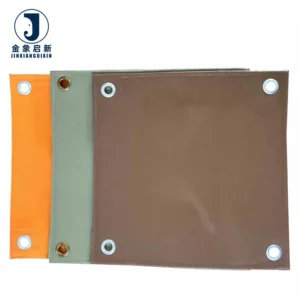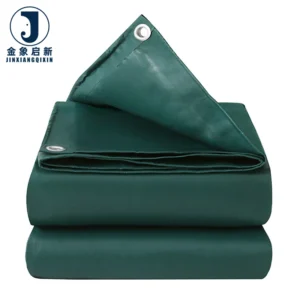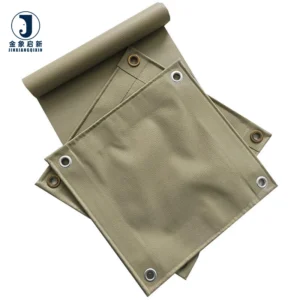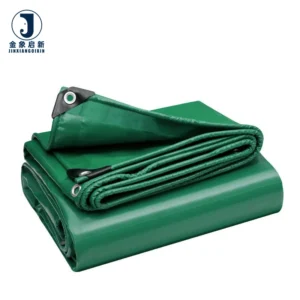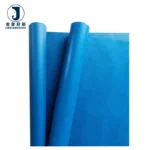
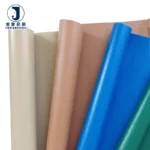
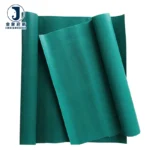
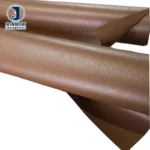
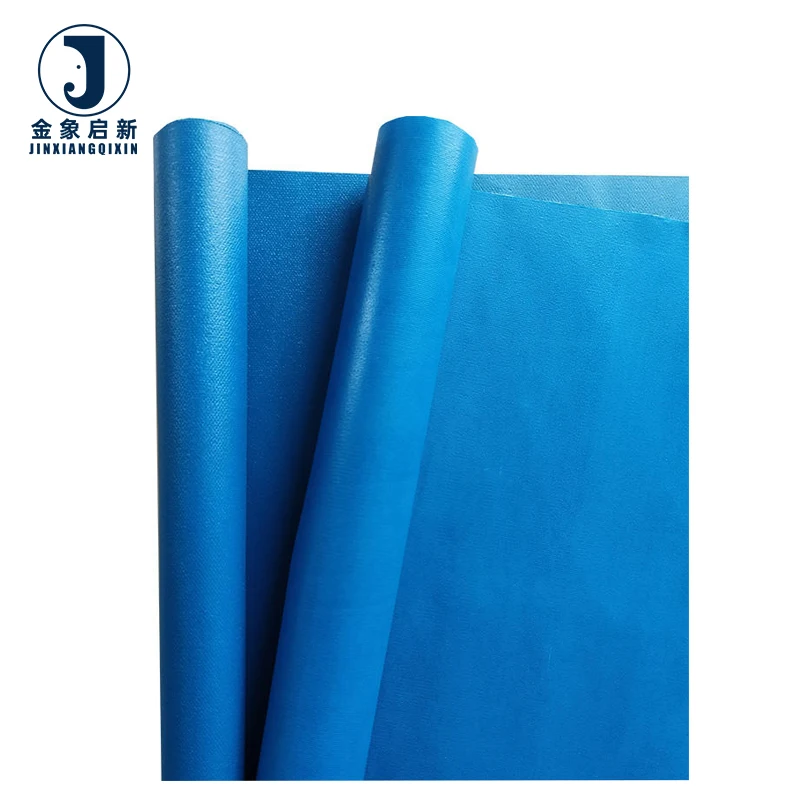
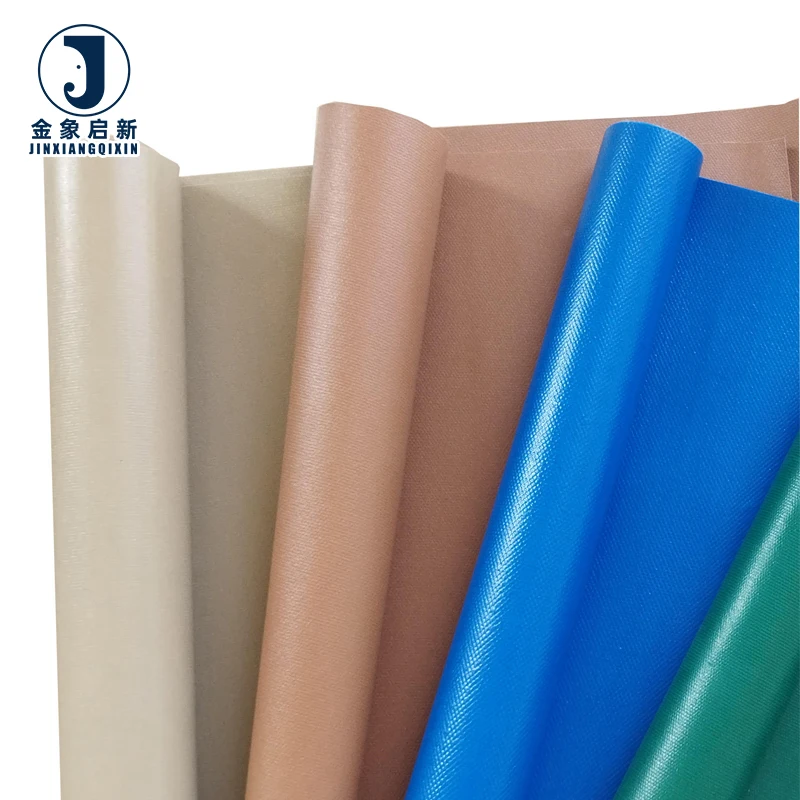
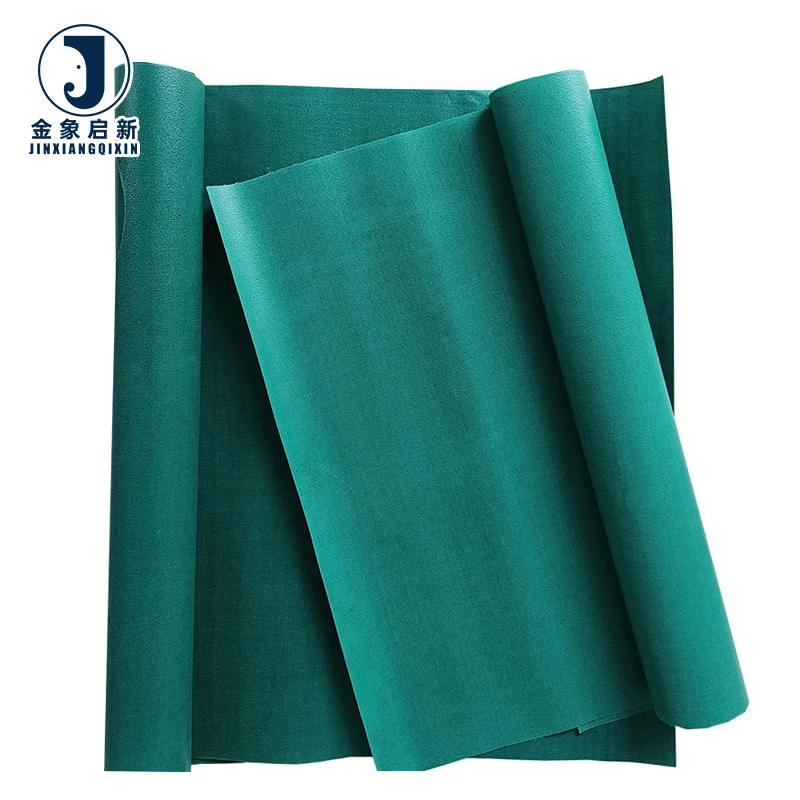
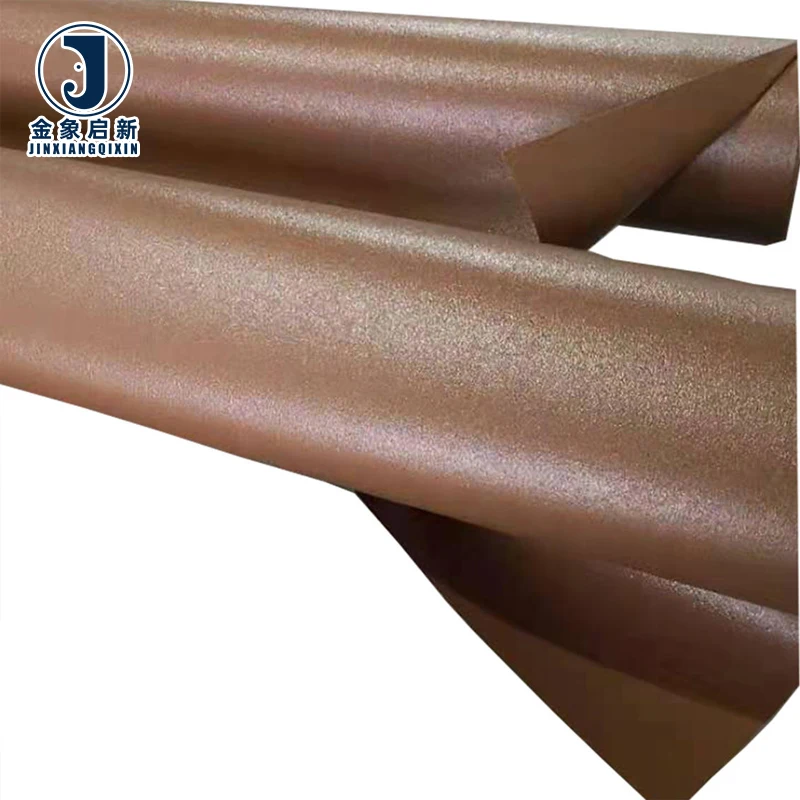
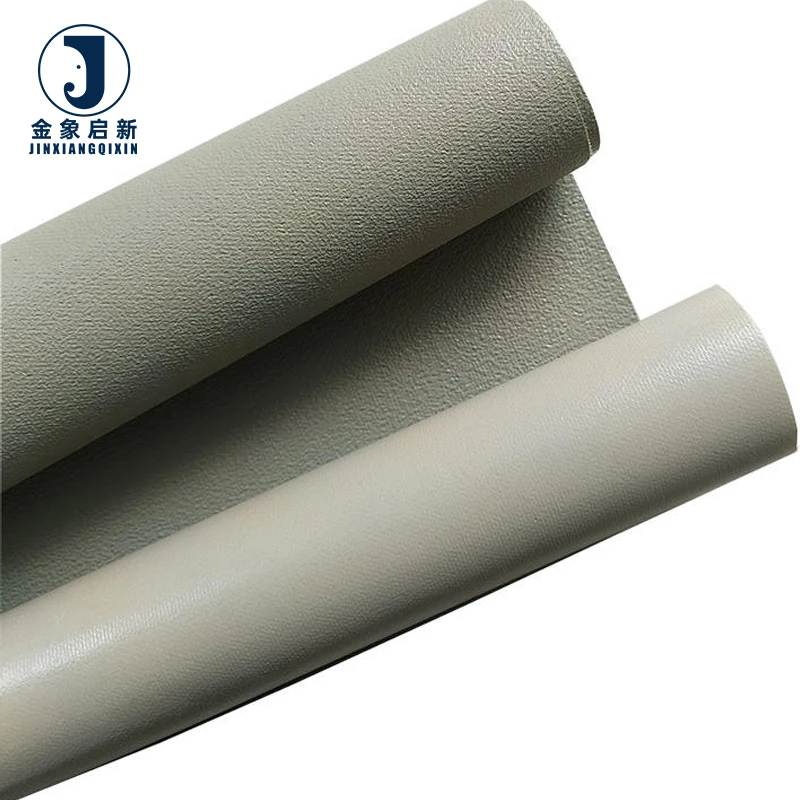
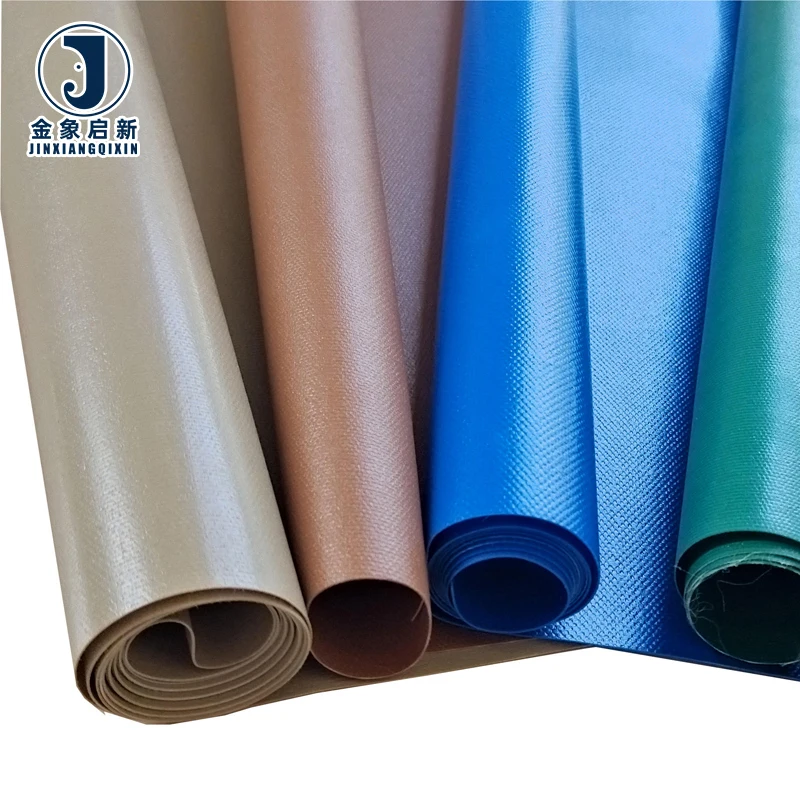
Coated Fabric Process Control — three full production lines and 36 sets of equipment maintain consistent PVC coating weight and adhesion across every roll of ventilation duct and specialist structure fabric we produce.
Technical Specifications
| Parameter | Value |
|---|---|
| Product Type | PVC Coated Tarpaulin |
| Weight (GSM) | 500gsm / 600gsm |
| Coating Material | PVC |
| Flame Retardant Treatment | Available in flame retardant grades — confirm the grade required for your market |
| Anti-Static Treatment | Available — test basis to be confirmed per project standard |
| Anti-Mildew Treatment | Available |
| Anti-Cold Treatment | Available |
| Waterproof | Yes |
| Weather Resistance | Suited to extended outdoor exposure — verify duration against project test report |
Application Suitability
| Application | Exposure & Requirement |
|---|---|
| Mine and tunnelling ventilation ducts | Continuous airflow, dust-laden atmosphere, mandatory fire-retardant and anti-static compliance |
| Aviation ground support ducting | Strict material certification, temperature fluctuation, frequent handling and repositioning |
| Inflatable and membrane structures | Wind load, UV exposure, structural weld integrity, long-term coating adhesion |
| Temporary industrial enclosures | Weather exposure, abrasion from equipment movement, rapid deployment and teardown |
What "Fire-Retardant Certified" Actually Means on a Ventilation Duct Site
Certification only matters when the test report matches the standard your site inspector is checking against.
A ventilation duct hanging in a tunnel or mine shaft must carry documentation that names the exact standard — whether M2, B1 per DIN 4102, NFPA 701, or another regional requirement. When a fabric supplier quotes "flame retardant" without specifying the grade, the duct may pass your internal review but fail the safety audit once the inspector requests the test certificate. I have seen entire duct runs rejected at commissioning because the fabric test report referenced a standard the project specification did not recognise [NEED_CITE: DIN 4102 fire classification for building materials]. With this PVC coated tarpaulin, fire retardant treatment is available across multiple grade pathways, and the matching test report is issued before the rolls leave the factory — so the paperwork aligns with what the site actually demands.
Coating Formulation and Weld Integrity in Duct Fabrication
Ventilation ducts are fabricated by heat-welding panels into cylindrical or rectangular profiles, and the weld line is where most field failures originate. The PVC coating on this PVC coated tarpaulin fire retardant certified fabric is formulated to maintain adhesion through the thermal cycle of hot-air or wedge welding. When coating weight and plasticiser balance are controlled, the weld zone retains flexibility rather than becoming brittle — which matters when the duct flexes under positive or negative pressure. Fabricators working with this material report consistent weld behaviour across rolls, reducing the trial-and-error that slows production when switching between coating batches.
Anti-Static Performance in Dust-Laden and Explosive Atmospheres
In mining and tunnelling environments, airborne particulate creates an electrostatic hazard that standard coated fabrics do not address. Anti-static treatment is available on this PVC coated tarpaulin to reduce surface charge accumulation, though the specific measurement standard must be confirmed against your project’s explosive atmosphere classification. The treatment is integrated during coating rather than applied as a topical finish, which means it does not wash off or degrade with routine duct cleaning [NEED_CITE: surface resistivity measurement methods for anti-static coated fabrics]. Request the test documentation early in the specification process so your safety team can validate it against the site’s hazard zone requirements.
Reading GSM in Context: What Weight Tells You About Duct Rigidity
The 500gsm and 600gsm options differ in how they behave once fabricated into a duct or membrane panel. A heavier coating typically contributes to greater structural rigidity and resistance to flutter under airflow, but the base fabric denier and weave density are equally important in determining tensile and tear performance. A 600gsm fabric with a loose base weave may underperform a well-constructed 500gsm option in tear propagation resistance. When specifying for ventilation ducts, consider the span length between hanging rings, the internal pressure range, and the handling frequency — these factors determine whether the lighter or heavier grade delivers better service life. The coating method — whether knife-over-roll, laminating, or calendering — also influences peel strength between the PVC layer and the base fabric, which directly affects how well the material survives repeated installation and removal cycles.
The Cost of Specifying Without Verified Documentation
When a mining contractor accepts a ventilation duct without confirming the fire-retardant grade on the test report, the risk is not just rejection at inspection — it is the cost of removing and replacing installed duct runs in an active tunnel. Similarly, anti-static fabric supplied without documented surface resistance measurements creates ambiguity during safety audits, potentially halting production until compliance is resolved. Colour variation between rolls in the same shipment is less critical for underground ducts than for architectural membranes, but batch inconsistency in coating weight can affect weld parameters mid-production, forcing fabricators to recalibrate equipment and scrap partially welded panels [NEED_CITE: tensile and tear test methods for coated fabrics per ISO 1421]. Every one of these scenarios traces back to documentation gaps that are preventable before shipment.
Why Procurement Teams Source This Fabric Here
Our 10-person R&D team develops samples within days when a project requires a specific fire-retardant grade or anti-static treatment level, allowing you to validate the material before committing to full production. Dedicated QA/QC runs at every production stage, with 100% inspection before any roll is packed — coating weight, surface finish, and treatment consistency are checked against the specification sheet, not sampled from a single reference roll. Three full production lines with 36 sets of professional equipment give us the capacity to deliver bulk ventilation duct fabric on schedule, even when multiple treatment combinations are required across a single order. Every shipment is backed by the documentation package your site requires, assembled before dispatch rather than chased after delivery.
Documentation & Verification
- Material specification sheet confirming GSM, base fabric construction, and coating type per roll
- Fire-retardant test report issued to the target standard specified in your project documentation
- Anti-static surface resistance measurement documented per the applicable explosive atmosphere standard
- Pre-shipment inspection record verifying treatment batch consistency across all rolls in the order
- Certificate of origin and full customs documentation package for cross-border compliance
Fabrication, Handling & Storage
- Heat-weld at temperatures suited to the 500gsm or 600gsm coating weight; test weld parameters on a scrap piece from the same roll before production
- Store rolls upright on end caps to prevent flat spots that show as visible ridges when the PVC coated fabric is unrolled for fabrication
- Allow cold-stored rolls to reach ambient temperature before unrolling to avoid cracking the PVC coating at low-flex points
- Use compatible PVC cleaning solvents only; aggressive chemical cleaners may compromise the anti-mildew or anti-static surface treatment
- When fabricating long duct sections, plan panel layout to place weld seams away from the highest-flex zones in the installed configuration
What We Need to Move Your Enquiry Forward
Share the ventilation or structure application, the internal pressure range or wind load expectations, and the fire-retardant or anti-static standard your site specification references. Let us know the roll width and length you need, the annual volume estimate, and whether you require finished fabricated ducts or raw roll stock for your own production line. If colour or surface finish matters for an architectural membrane application, send a reference sample or RAL code so we can develop a match.
Frequently Asked Questions
Q: Which fire-retardant grade does my mining or tunnelling project require, and can you supply the matching test report?
A: The required grade depends on your site’s safety specification and the jurisdiction enforcing it — common standards include M2, B1 per DIN 4102, and NFPA 701. We supply the fabric with the fire-retardant treatment matched to your specified grade and issue the corresponding test report before shipment. Send us the relevant clause from your project specification and we will confirm the applicable test standard and timeline.
Q: How is anti-static performance measured and certified for explosive atmosphere compliance?
A: Anti-static performance is assessed by measuring surface electrical resistance under controlled conditions, and the acceptable threshold depends on your site’s hazard classification. We integrate the anti-static treatment during the PVC coating process rather than applying it topically. The measurement method and result are documented on the test report we provide — confirm the required standard with your safety team and we will align the documentation accordingly.
Q: What is the relationship between PVC coating weight and duct structural rigidity?
A: The 500gsm and 600gsm options differ in how they behave under airflow pressure and handling stress. Heavier coating generally adds rigidity and reduces flutter, but the base fabric weave density is equally important for tear and tensile strength. For long-span duct installations, both coating weight and base construction must be evaluated together. Share your duct diameter and hanging span and we will recommend the appropriate grade.
Q: Can this fabric be heat-welded into duct configurations without compromising flame-retardant treatment?
A: Yes. The PVC coating is formulated to withstand standard hot-air and wedge welding temperatures used in duct fabrication. The flame-retardant treatment is integrated into the coating compound rather than applied as a surface layer, so properly executed welds do not strip or degrade the fire-retardant property. We recommend running test welds on scrap material to dial in temperature and speed settings before full production.
Q: What documentation accompanies each shipment to satisfy site safety and regulatory audits?
A: Each shipment includes a material specification sheet, fire-retardant test report matched to the specified standard, anti-static measurement documentation where applicable, pre-shipment inspection record, certificate of origin, and customs paperwork. This package is assembled before dispatch so your site safety officer can review it at delivery rather than chasing documents after installation has begun.