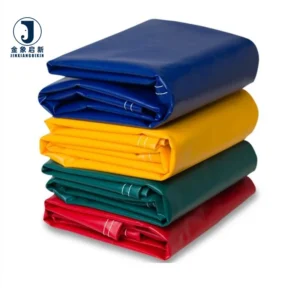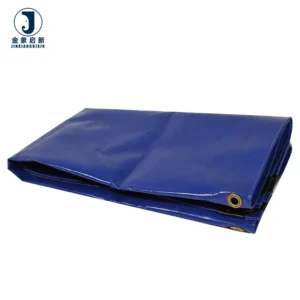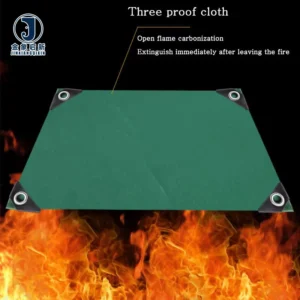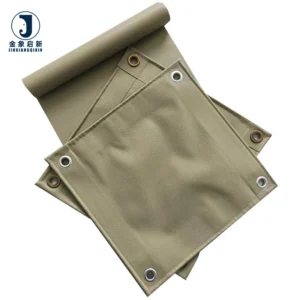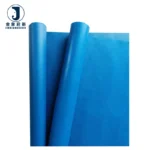
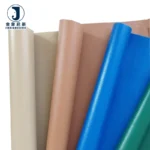
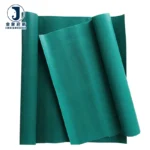
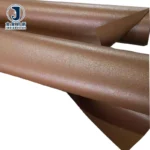
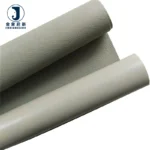
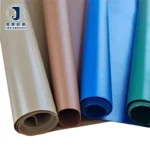
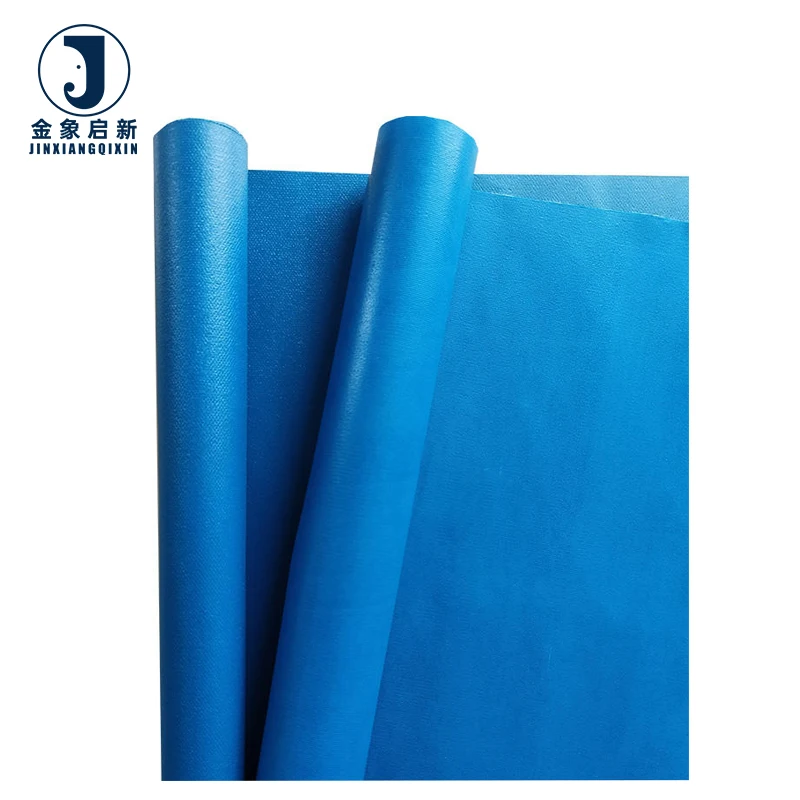
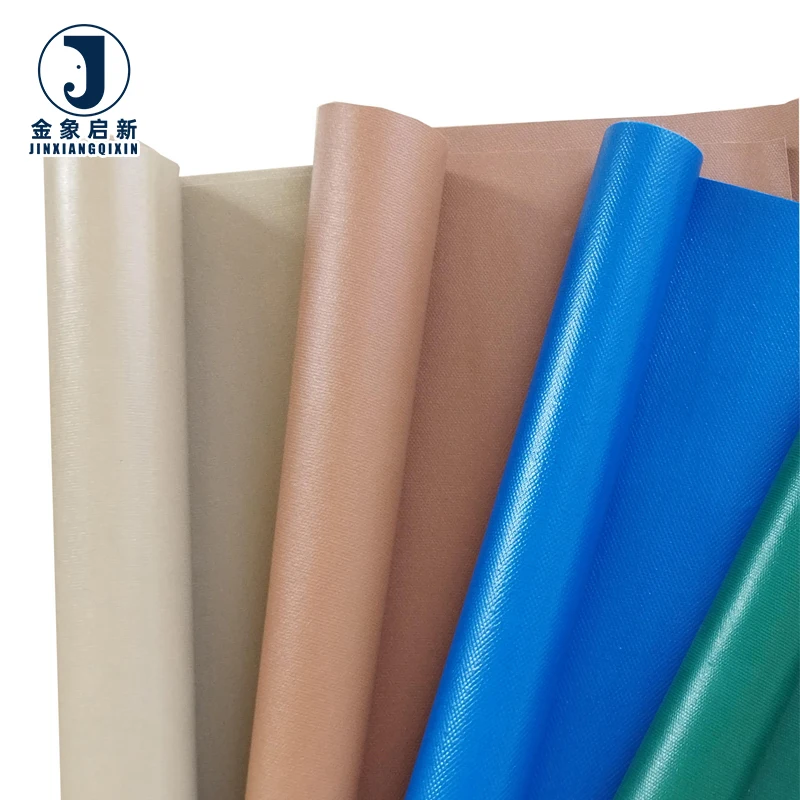
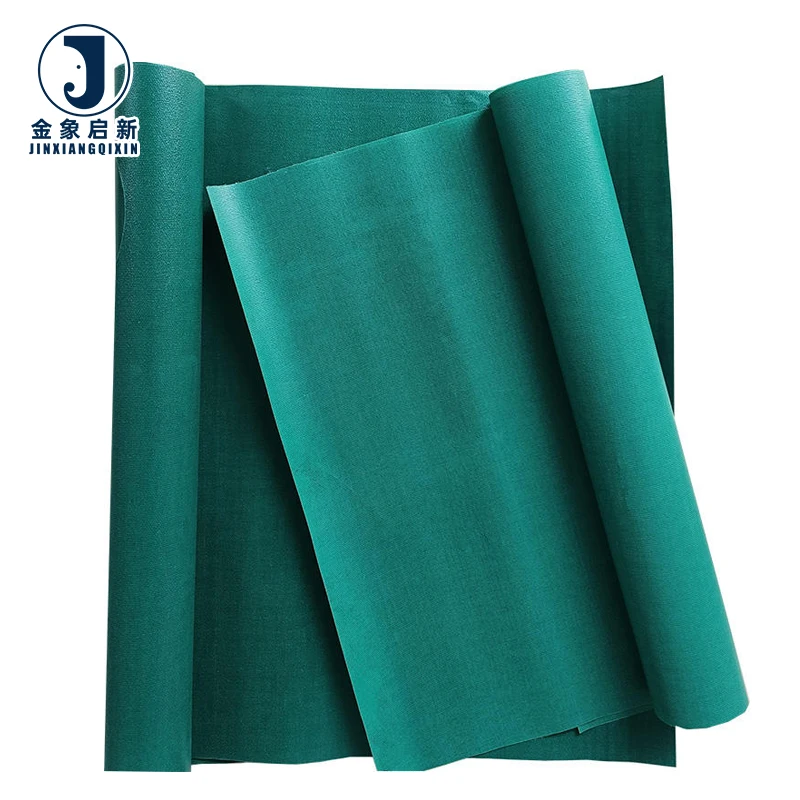
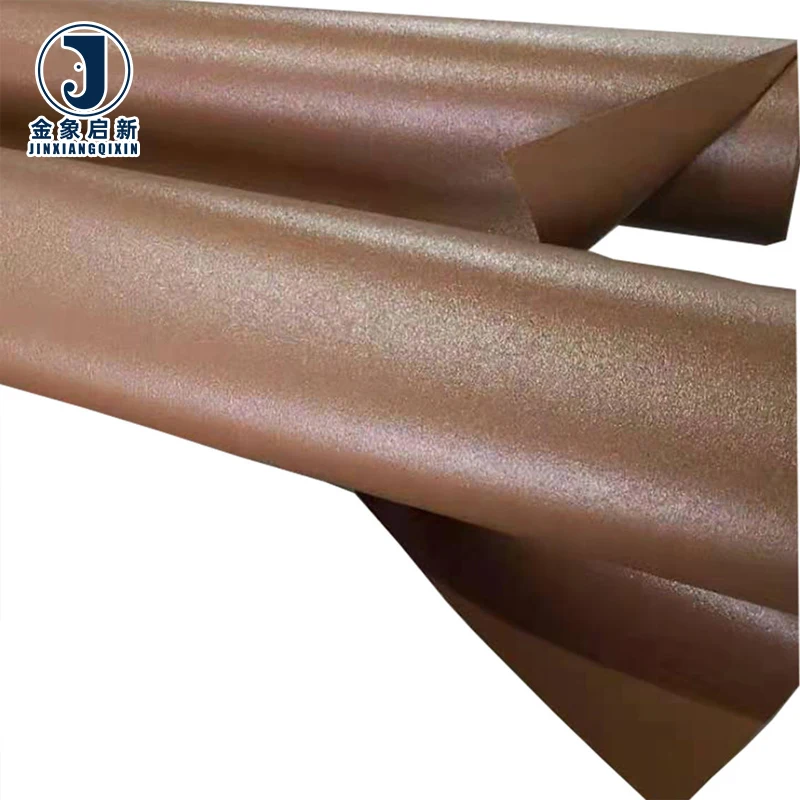
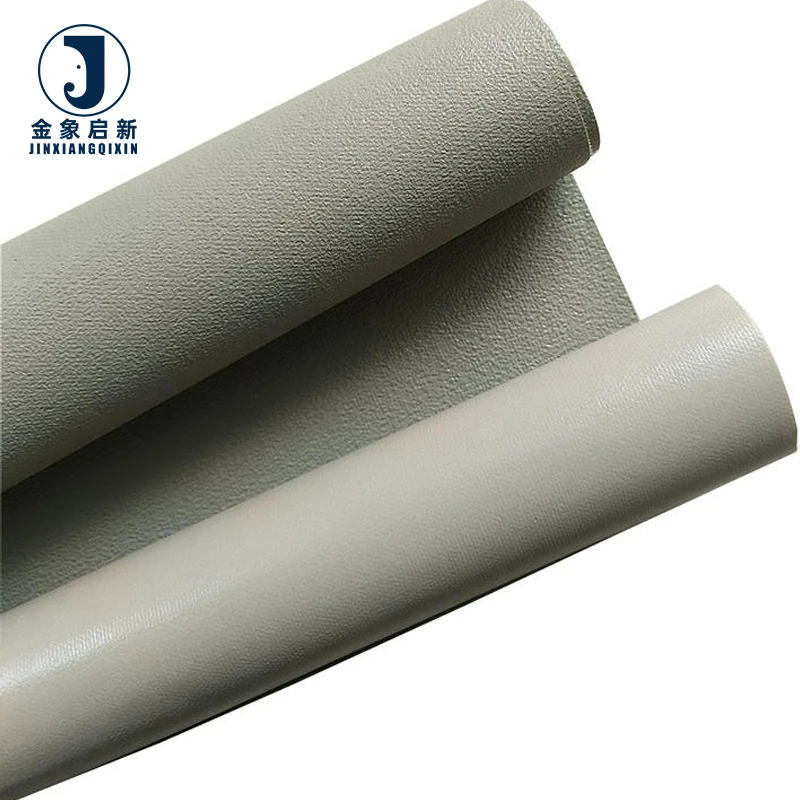
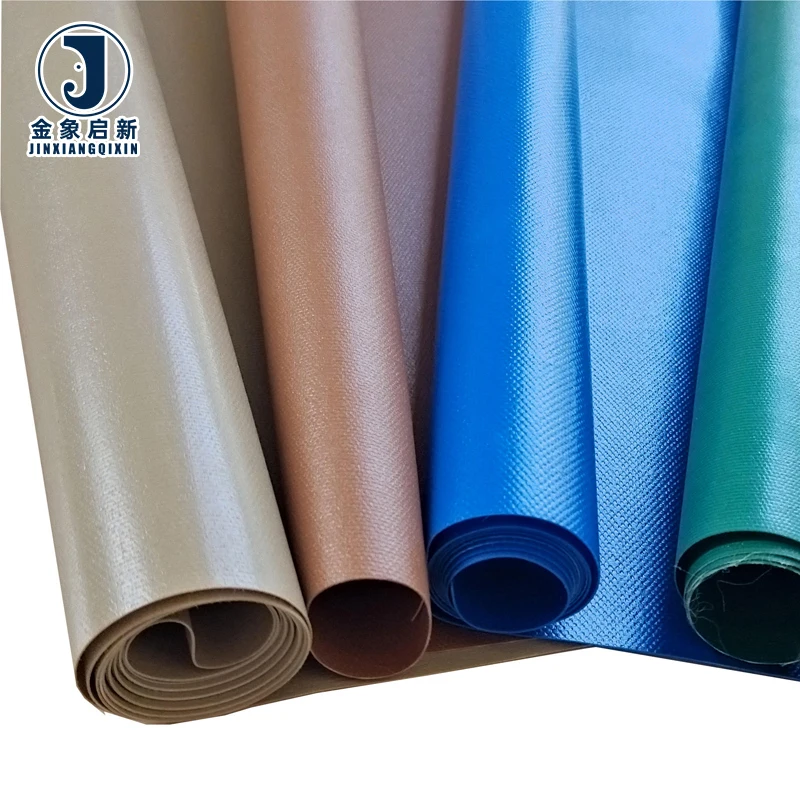
Proven Process Control — Decades of coating expertise applied to every roll, ensuring verified weight, certified treatments, and reliable compliance documentation for industrial and transport applications.
Technical Specifications
| Parameter | Value |
|---|---|
| Product Type | PVC Coated Tarpaulin |
| Weight Options | 500gsm, 600gsm, 700gsm, 850gsm, 900gsm |
| Coating Material | PVC |
| Flame Retardant | Available (grade not stated in source — confirm required standard) |
| Anti-Static | Available (standard not stated in source — verify surface resistance data) |
| Anti-Cold Treatment | Available |
| Anti-Mildew Treatment | Available |
| Waterproof Construction | Yes |
| Weather Resistance | Outdoor life assurance 1-3 years |
| Customization | Size, color, weight, and treatment configurable |
Application Suitability
| Application | Exposure & Requirement |
|---|---|
| Mining and tunnelling ventilation ducts | Continuous airflow, confined-space fire safety protocols, anti-static requirements to prevent spark ignition in dust-laden atmospheres |
| Aviation ground support air ducts | Flame compliance documentation for airside operations, repeated deployment and packing cycles, fuel-adjacent environment exposure |
| Truck cargo covers and side curtains | Constant flexing at load points, road abrasion, weather exposure, tie-down stress at reinforced edges |
| Membrane and inflatable structures | Sustained tension loads, UV and weather exposure, wind-driven deformation, structural seam integrity |
| Temporary industrial enclosures | Equipment weatherproofing, site containment, wind and rain exposure, rapid deployment requirements |
What Certified Grade Means When Your Site Auditor Asks for Paperwork
A flame retardant claim without a test report is just marketing copy — your safety plan requires documented proof.
PVC coated tarpaulin specified for mining ventilation or aviation ground support must carry test documentation that matches the jurisdiction and site safety standard in force. We have seen contractors install fabric across entire tunnel runs only to have the safety officer reject the material because the supplier could not produce a grade-specific test certificate. The cost of stripping out non-compliant ducting and replacing it mid-project dwarfs the effort of verifying documentation before the order ships. [NEED_CITE: fire classification standards for ventilation duct materials in underground mining]
How the Base Fabric and Coating Work Together
The tensile and tear performance of any PVC coated tarpaulin depends on the interplay between the polyester base fabric denier and the PVC coating weight applied to each side. A heavier coating does not automatically mean a stronger fabric — the base weave density and yarn count determine how load distributes across the material when it flexes under wind pressure or mechanical stress. The 500gsm and 600gsm grades offered here represent calibrated points on the strength-to-weight spectrum, allowing specification to match the actual mechanical demand rather than overbuilding unnecessarily.
Treatment Verification Before the Fabric Leaves the Factory
Flame retardant and anti-static treatments must be verifiable through test data, not just stated on a quotation. When PVC coated tarpaulin is ordered with these treatments, the manufacturing process integrates the additives during coating or applies them as a finish, and the resulting surface properties must be measurable. Anti-static performance in particular depends on surface resistance values that can shift if the treatment concentration or curing parameters drift during production. [NEED_CITE: surface resistance testing methods for anti-static coated fabrics]
Reading GSM in Context of Actual Field Performance
Grams per square metre tells you the mass of material in a given area, but it does not isolate how much of that weight comes from the base fabric versus the coating. Two fabrics at the same GSM can behave very differently under tensile load if one carries a heavier coating on a lighter base while the other reverses that ratio. The coating method — whether knife-over-roll, dip, or calender — also affects peel strength between layers, which directly determines how well welded seams hold when the material flexes repeatedly at stress points. For ventilation duct fabrication, this peel strength matters because the seams carry the internal pressure load every time the fan starts.
When the Wrong Specification Reaches the Job Site
Specifying PVC coated tarpaulin without verifying the treatment documentation creates a compliance gap that only becomes visible when the auditor arrives. Fabric installed in a mine ventilation circuit without the correct fire classification test report forces a full teardown. Anti-static material delivered without surface resistance data cannot be signed off by the site safety officer, leaving the contractor exposed. Batch colour variation across rolls in a single order becomes obvious once panels are welded side by side on a truck curtain or structure membrane. [NEED_CITE: consequences of non-compliant material installation in regulated environments]
Why Procurement Teams Specify Through This Channel
Production runs on three full lines with dedicated quality checkpoints at every stage, so treatment application and GSM consistency are verified before rolls are packed. The R&D team handles material selection and sample development, producing test samples within days so you can confirm the grade and weight before committing to bulk. Pre-shipment inspection covers the entire order — not a statistical sample — and documentation packages include the material specification sheet, applicable test reports, and certificates needed for site acceptance. Custom widths, colours, and treatment combinations are available without prohibitive minimums that block mid-size orders.
Documentation & Verification
- Material specification sheet confirming GSM, base fabric construction, and coating weight per roll
- Flame retardant test report aligned to the standard required by your jurisdiction and site safety plan
- Anti-static surface resistance data documented and included with shipment where treatment is specified
- Pre-shipment inspection record confirming treatment application and weight verification before dispatch
- ISO and CE certificates accompanying commercial documentation for customs and compliance audits
Fabrication, Handling & Storage
- Heat welding parameters should be calibrated to the specific GSM grade to avoid coating burn-through on lighter weights
- Store rolls upright on pallets to prevent flat-spot deformation that shows as visible ridges after unrolling
- Anti-cold treated grades remain flexible at lower temperatures but still require gradual unrolling in freezing conditions
- Clean surfaces with mild detergent only — aggressive solvents can degrade anti-static and flame retardant finish layers
- Cut panels with allowance for weld seam overlap to maintain structural continuity across fabricated joints
Before You Request a Quote
Provide the specific application and exposure conditions so we can recommend the correct weight grade and treatment combination. If your site operates under a particular fire safety standard or anti-static protocol, share the reference so the test documentation can be matched before production. Confirm whether you need full rolls or finished cut sizes, and include target dimensions, colour requirements, and annual volume to structure the quotation accurately.
Frequently Asked Questions
Q: What fire-retardant grade does this tarpaulin meet, and which test standard applies?
A: Flame retardant treatment is available across the weight range, but the specific grade depends on the standard required by your market and application. Mining ventilation, aviation ground support, and building membrane uses each reference different test methods. Share your compliance requirement at inquiry stage so we align the test report and documentation package to the exact standard your site auditor will check.
Q: Is anti-static surface resistance tested and certified for mining or aviation use?
A: Anti-static treatment is available and surface resistance data can be provided. Underground mining and aviation ground support environments each define different acceptable resistance ranges. Confirm the threshold value your site safety protocol mandates so we verify the treatment formulation and test output match before the order enters production.
Q: How is GSM verified on arrival to ensure the quoted weight matches delivery?
A: Each roll undergoes weight verification during pre-shipment inspection, and the recorded GSM is documented in the inspection report included with your shipment. On arrival, you can cross-check by cutting a measured sample and weighing it against the stated specification. This process closes the gap between quotation claims and actual delivered material.
Q: What documentation accompanies the shipment for site compliance audits?
A: Your delivery package includes the material specification sheet, applicable flame retardant or anti-static test reports, pre-shipment inspection records, ISO and CE certificates, packing list, and certificate of origin. This documentation set is structured to satisfy contractor approval processes and regulatory audit requirements in most jurisdictions.
Q: Can custom widths and roll lengths be supplied for duct fabrication or membrane cutting?
A: Custom widths and roll lengths are available to reduce waste and seam count during fabrication. Provide your cutting layout or finished panel dimensions at the inquiry stage so we can recommend the roll specification that maximizes yield. Treatment options and colour requirements can be combined with custom sizing in the same production run.