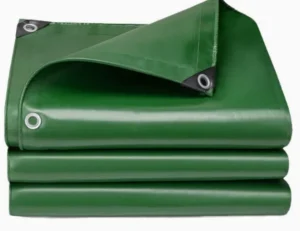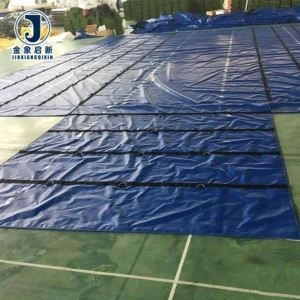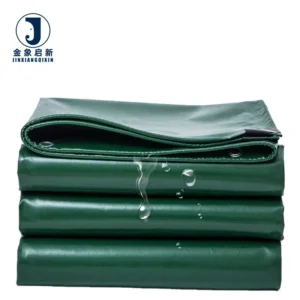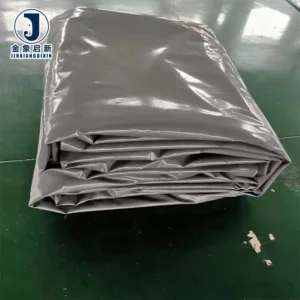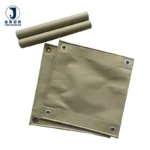
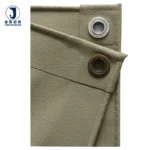
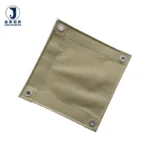

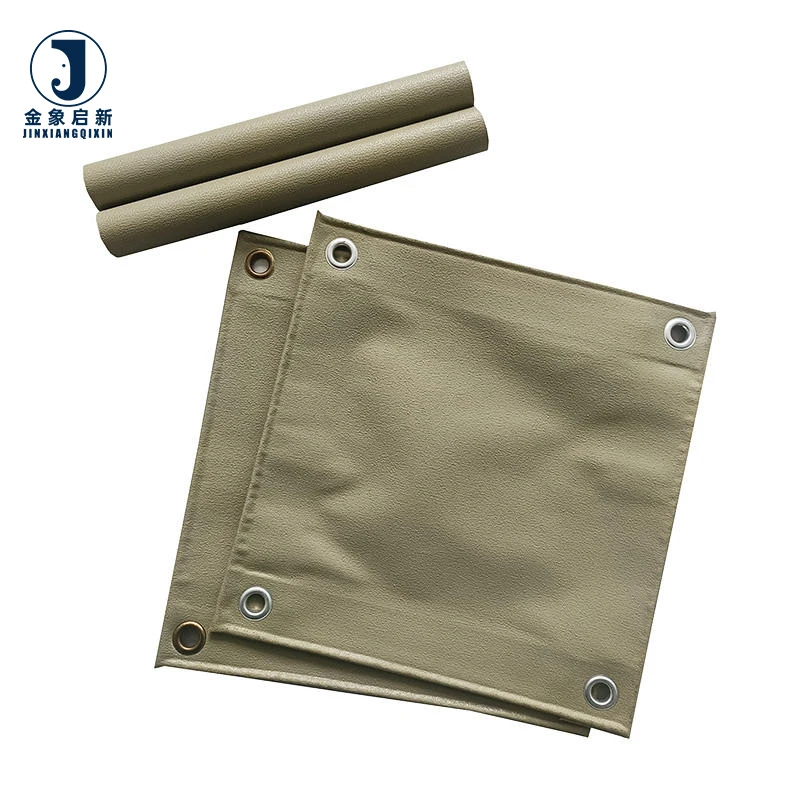
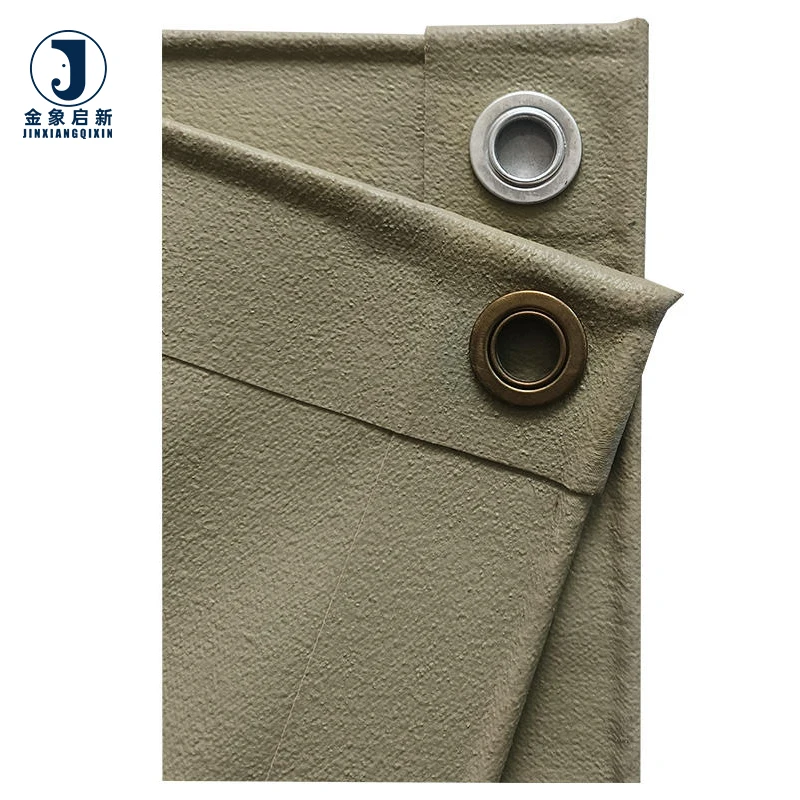
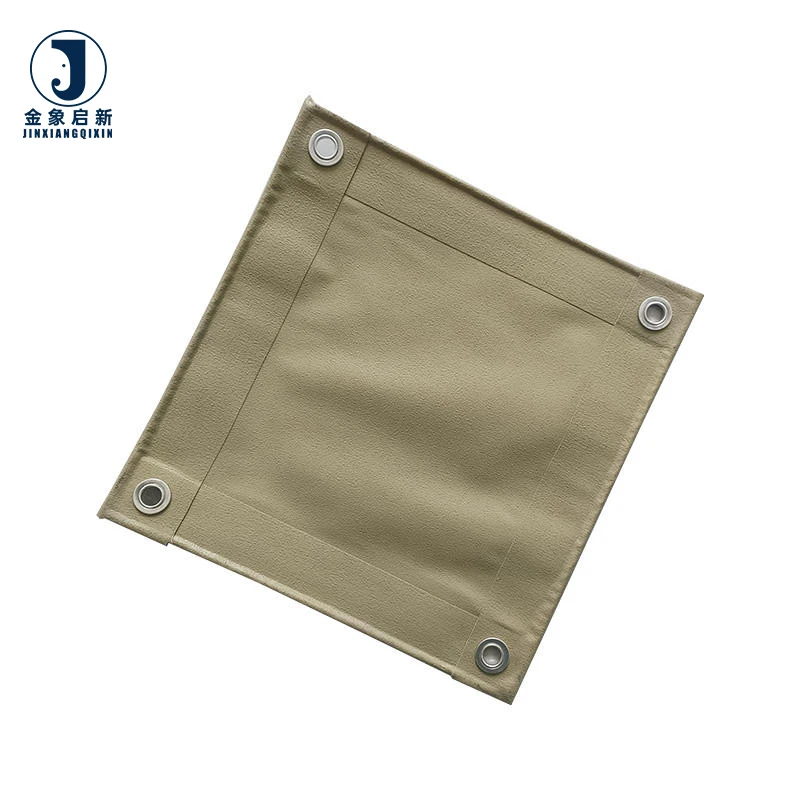
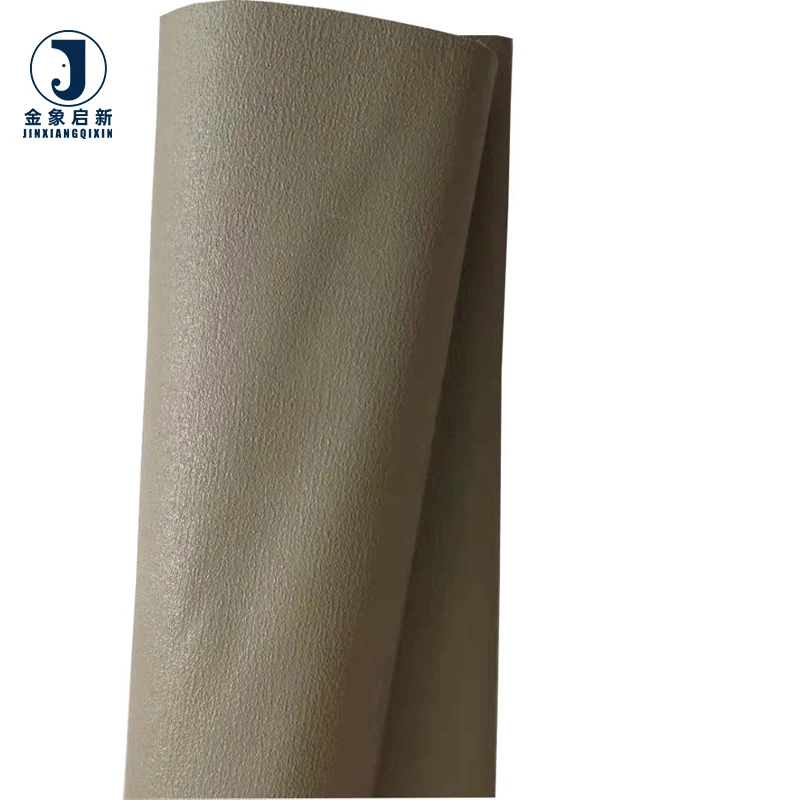
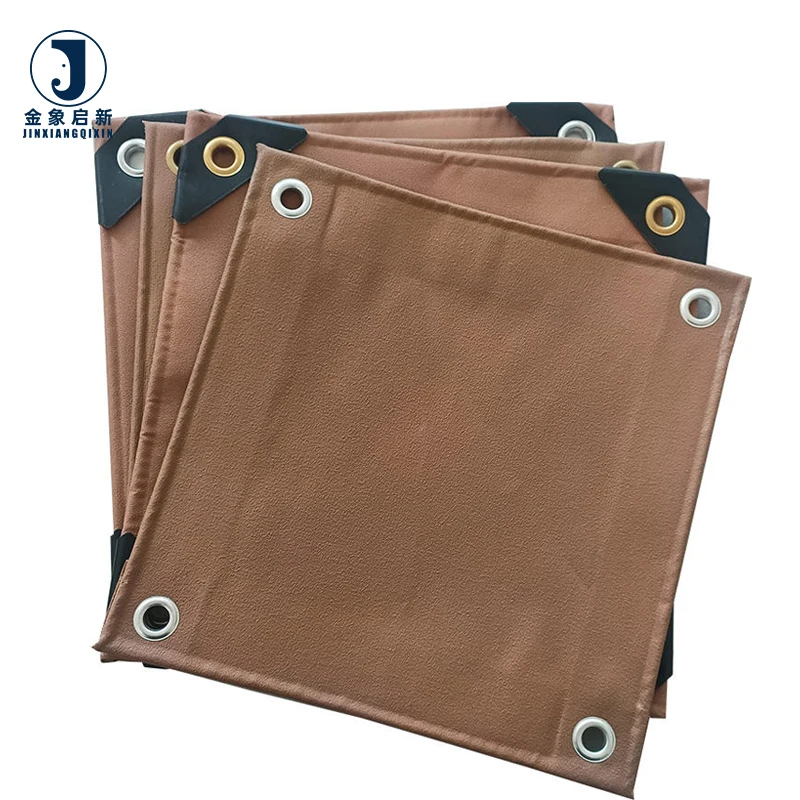
Deep Coating Process Control — three full production lines with 36 sets of equipment maintain consistent PVC coating weight and adhesion across every roll of fire-retardant and anti-static tarpaulin we produce.
Technical Specifications
| Parameter | Value |
|---|---|
| Product Type | PVC Coated Tarpaulin |
| Coating Material | PVC |
| Weight Options | 700 gsm / 850 gsm / 900 gsm |
| Base Fabric | High-tenacity polyester woven substrate |
| Flame Retardant | Available (grade not stated — confirm the grade required for your market) |
| Anti-Static | Available (surface resistance or standard not stated — verify against site compliance) |
| Anti-Cold Treatment | Available for low-temperature flexibility |
| Anti-Mildew Treatment | Available for humid and tropical environments |
| Weather Resistance | Suited to extended outdoor exposure |
| Manufacturing Standard | ISO and CE certified facility |
Application Suitability
| Application | Exposure & Requirement |
|---|---|
| Truck cargo covers in regulated sites | Flexing at load points, road debris abrasion, fire safety compliance at loading zones |
| Mining and tunnelling equipment covers | High dust environments, static discharge risk, mandatory fire-retardant documentation |
| Aviation ground support enclosures | Fuel-adjacent zones requiring anti-static control, wind-driven rain, frequent handling |
| Construction temporary enclosures | Welding spark exposure, site fire code enforcement, UV and weather degradation |
Why "Certified" PVC Coated Tarpaulin Matters When the Inspector Arrives
A fire-retardant claim without a matching test report is just marketing copy — compliance requires documentation tied to a specific grade and standard.
Procurement teams sourcing PVC coated tarpaulin for regulated industrial sites frequently discover that the flame retardant or anti-static treatment promised on the quotation cannot be backed up when site safety officers request certification. The material arrives, the paperwork does not, and the entire installation is held pending verification. This is not a supply chain delay — it is a specification failure that begins at the inquiry stage, where treatment options are confirmed by checkbox rather than by standard number [NEED_CITE: fire classification standards for temporary industrial enclosures and coverings]. The consequence is idle equipment, missed project milestones, and a contractor standing in front of a site manager explaining why the ventilation duct or truck cover does not meet the fire code posted on the perimeter fence.
Ventilation and Containment Fabric Engineered for Regulated Environments
Industrial air duct systems and specialist containment covers operate where standard tarpaulin specifications are insufficient. Mining ventilation ducting must manage static charge buildup in explosive dust atmospheres, while aviation ground support fabric sits adjacent to fuel handling zones where discharge events carry direct safety consequences. Our PVC coated tarpaulin is available with anti-static treatment to address these environments, though the specific surface resistance value and test standard must be confirmed against your site’s compliance framework before production begins.
Matching Treatment Chemistry to the Actual Operating Condition
Flame retardant performance in PVC coated fabric is not a single property but a formulation decision that balances fire classification against flexibility, weldability, and long-term weathering. A duct that must pass a specific fire test for underground mining cannot use the same additive package as a construction enclosure graded for surface building codes [NEED_CITE: relationship between flame retardant grade and fabric flexibility in coated polyester]. When you specify treatment for this PVC coated tarpaulin, we develop the formulation around the standard your project mandates, then supply the corresponding test documentation with the shipment.
How GSM, Base Weave, and Coating Weight Interact in Heavy-Duty Fabric
Selecting between 700 gsm, 850 gsm, and 900 gsm grades requires understanding what each component contributes. Total weight combines the base polyester fabric density with the PVC coating mass applied to each face. A 900 gsm fabric with a low-density base and heavy coating will have different tear propagation behaviour than a 900 gsm fabric built on a tighter, higher-denier weave with balanced coating weight. The base fabric determines tensile and tear strength; the coating provides waterproofing, chemical resistance, and the substrate for flame retardant or anti-static additives. Coating adhesion to the base — governed by the coating method and cure parameters — dictates whether heat-welded seams hold or delaminate under repeated flexing. Always request the base fabric specification alongside the total GSM to make an informed comparison [NEED_CITE: ISO 1421 tensile and tear test methods for coated fabrics].
The Hidden Cost of Specifying Treatment Without Verification
When anti-static treatment is claimed but surface resistance is never measured, the fabric may pass visual inspection yet fail the discharge test required for mining or aviation certification. When flame retardant grade is left unspecified, the material might self-extinguish in one test configuration but not meet the particular standard your jurisdiction enforces. These gaps do not surface in the warehouse — they surface on site, during commissioning, when the compliance auditor reviews the documentation package and finds it incomplete. Batch-to-batch variation in treatment concentration can also mean that the first roll passes testing while subsequent rolls in the same order drift outside the acceptable range [NEED_CITE: consistency requirements for flame retardant and anti-static treatment in coated technical textiles].
What Production Infrastructure Means for Your Technical Fabric Order
Dedicated QA and QC inspection occurs at every production stage for our PVC coated tarpaulin, not just at final packing — coating weight is monitored during application, and treatment additive ratios are verified before each batch runs. Three full production lines allow parallel scheduling so your fire-retardant or anti-static order does not queue behind standard-grade volume. The 10-person R&D team handles the formulation adjustment when your project demands a specific fire classification or surface resistance target, developing samples within days rather than weeks. Pre-shipment inspection covers 100 percent of rolls, with treatment properties spot-checked against the specification sheet before any roll is wrapped for dispatch.
Documentation & Verification
- Material specification sheet stating GSM, base fabric construction, coating weight, and treatment type for each roll
- Test reports for flame retardant and anti-static grades matched to the standard cited on your purchase order
- ISO and CE certificates covering the manufacturing facility and quality management system
- Pre-shipment inspection record confirming weight verification and treatment check before dispatch
- Roll packing list with individual roll identification for traceability on site
Fabrication, Handling & Storage
- Heat-weld seams at temperatures matched to the PVC coating formulation, verifying adhesion on 700 gsm through 900 gsm grades before full production
- Reinforce eyelet and tie-down zones with additional fabric patches, as load flex concentrates stress at these points on truck cargo covers
- Store rolls upright on pallets in covered conditions to prevent compression creasing of the PVC coating surface
- Allow cold-stored rolls to reach ambient temperature before unrolling to avoid cracking the anti-cold treated coating
- Use mild detergent for cleaning; avoid solvent-based products that can degrade flame retardant or anti-static treatment additives
- Plan cutting layout to minimise transverse welds on long duct runs, maintaining structural continuity across the PVC coated fabric
Requesting a Specification-Matched Quotation
To move from inquiry to sample, provide the fire classification or anti-static standard your project must meet, the operating environment including temperature range and chemical exposure, and the required roll width and linear metre quantity. If you need finished covers cut to specific truck or equipment dimensions, include the model details and tie-down configuration. We will return a material specification sheet, treatment formulation recommendation, and sample for your approval before production begins.
Frequently Asked Questions
Q: Can you supply flame retardant certification that matches our local fire code?
A: We offer flame retardant treatment across multiple grade levels for our PVC coated tarpaulin. Provide the specific standard your site or jurisdiction requires — such as a national building code classification or mining regulation — and we will formulate accordingly and supply the matching test report with your documentation package.
Q: How do you verify anti-static surface resistance before shipment?
A: Anti-static treatment is applied during coating and measured against the target surface resistance range. We confirm the reading during pre-shipment inspection and include the result in your documentation. Specify the standard or resistance range your compliance framework requires so we calibrate the treatment to match.
Q: How can I confirm the GSM weight on arrival matches my order?
A: Every roll is weighed and checked against the stated 700 gsm, 850 gsm, or 900 gsm specification during our 100 percent pre-shipment inspection. We supply a weight verification record with the packing list. On receipt, you can cross-check by cutting a measured sample and comparing it to the documentation provided.
Q: What information do you need to produce custom-sized truck cargo covers?
A: Provide the truck or trailer model, overall cover dimensions, tie-down point locations, and any reinforcement requirements at high-flex zones. We will develop a cutting pattern, produce a sample for fit verification, and proceed to full production once you approve the specification and treatment requirements.
Q: How do welded seams perform under repeated load flexing?
A: Heat-welded seams on our PVC coated tarpaulin fuse the coating layers into a continuous bond. Seam integrity depends on correct temperature settings for the specific gsm grade and treatment formulation. We recommend weld testing on a sample piece before fabricating full covers, particularly for anti-static or flame retardant grades where additive chemistry affects fusion behaviour.