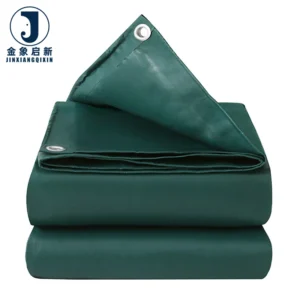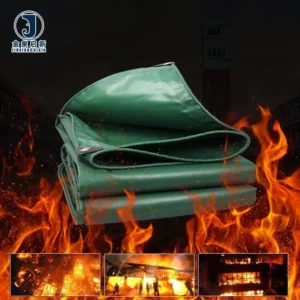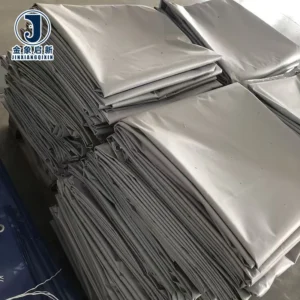


Compliance-First Specification — our technical fabric range is specified against your fire-retardant and anti-static compliance target before any roll enters production.
Technical Specifications
| Parameter | Value |
|---|---|
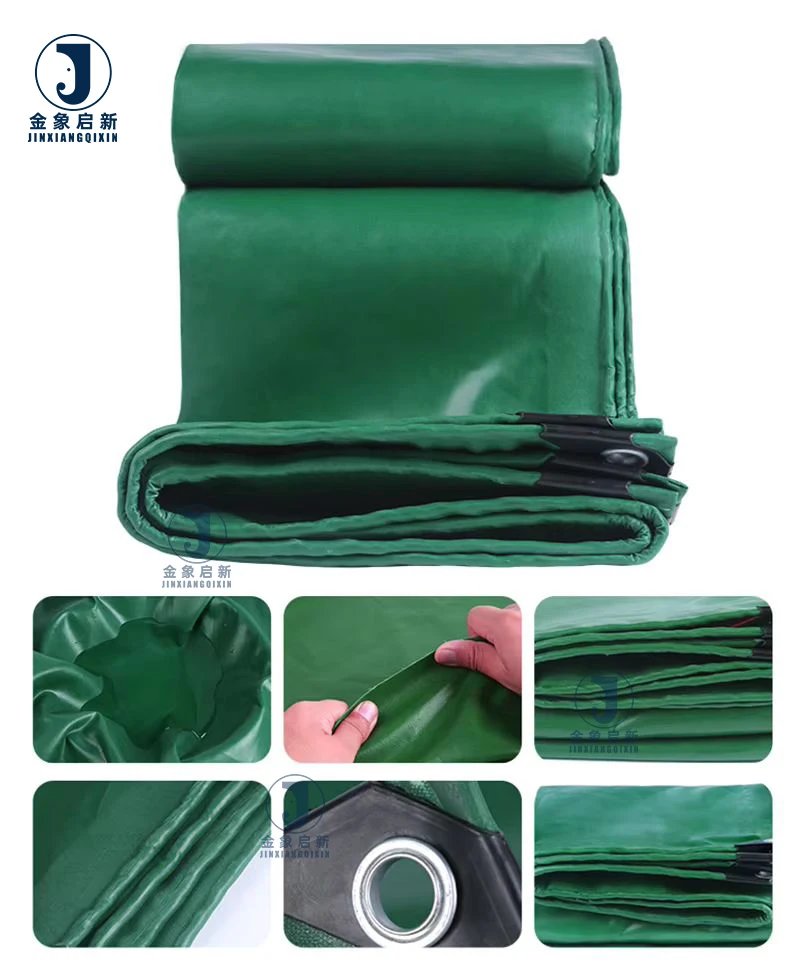
| Product Type | PVC Coated Tarpaulin |
| Coating Material | PVC |
| Weight (GSM) | 700gsm / 850gsm / 900gsm |
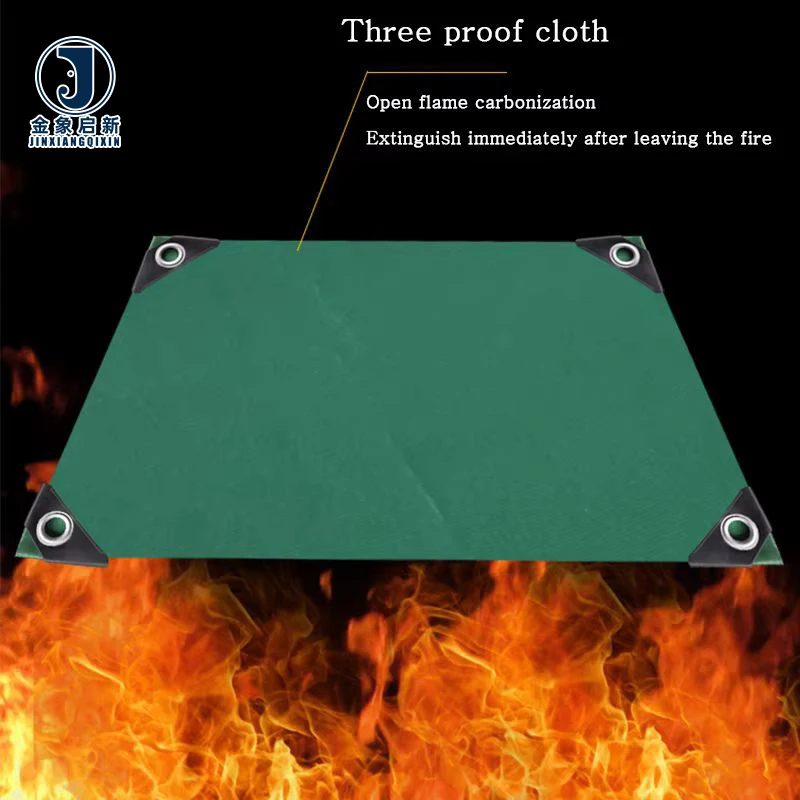
| Flame Retardant | available in flame retardant grades — confirm the grade required for your market |
| Anti-Static | available with anti-static treatment — confirm test basis for your site standard |
| Anti-Cold | available |
| Anti-Mildew | available |
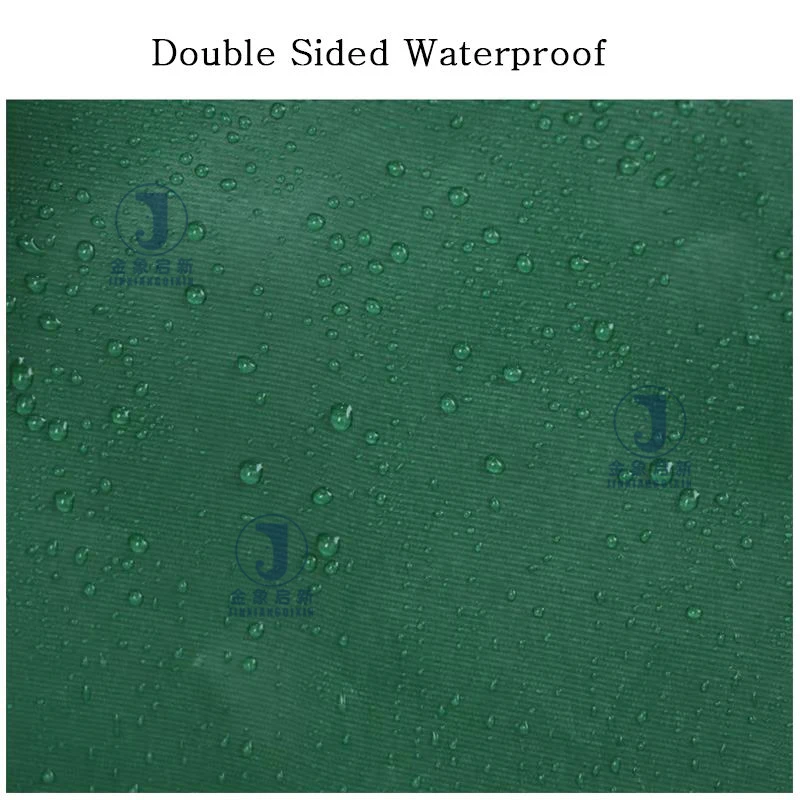
| Waterproof | fully waterproof coated construction |
| Weather Resistance | suited to extended outdoor exposure |
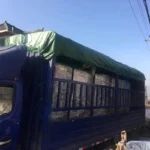
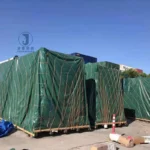
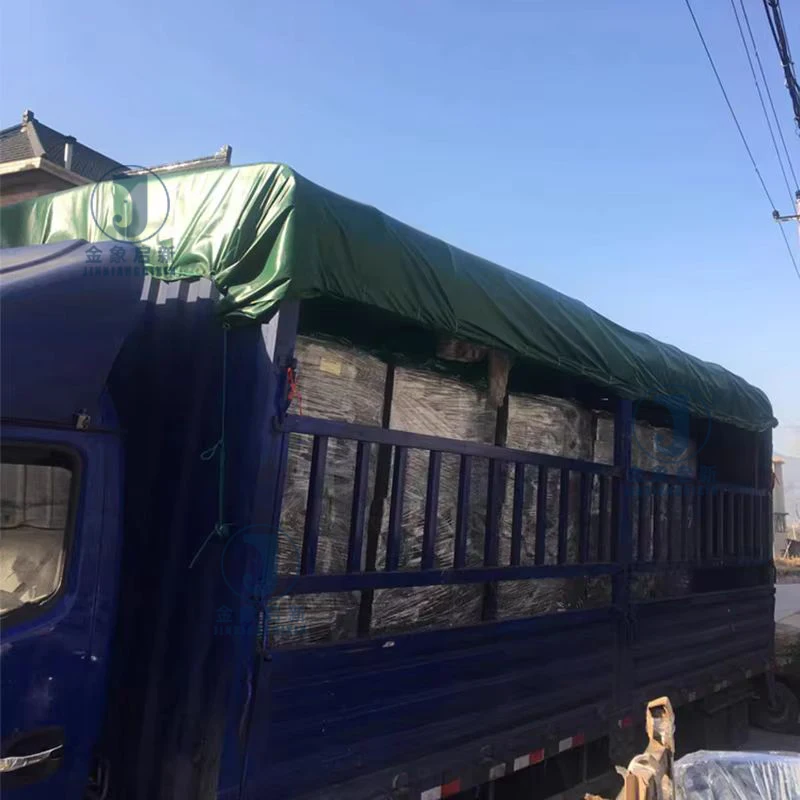
| Application Form | Roll / Custom Truck Cargo Cover |
Application Suitability
| Application | Exposure & Requirement |
|---|---|
| Mining and tunnelling ventilation ducts | continuous airflow, dust-laden atmosphere, strict fire-retardant and anti-static site codes |
| Aviation ground support covers | fuel vapour environments, static discharge risk, anti-static fabric compliance |
| Inflatable and membrane structures | wind load stress, UV exposure, structural tensile demand, fire-code approval for public spaces |
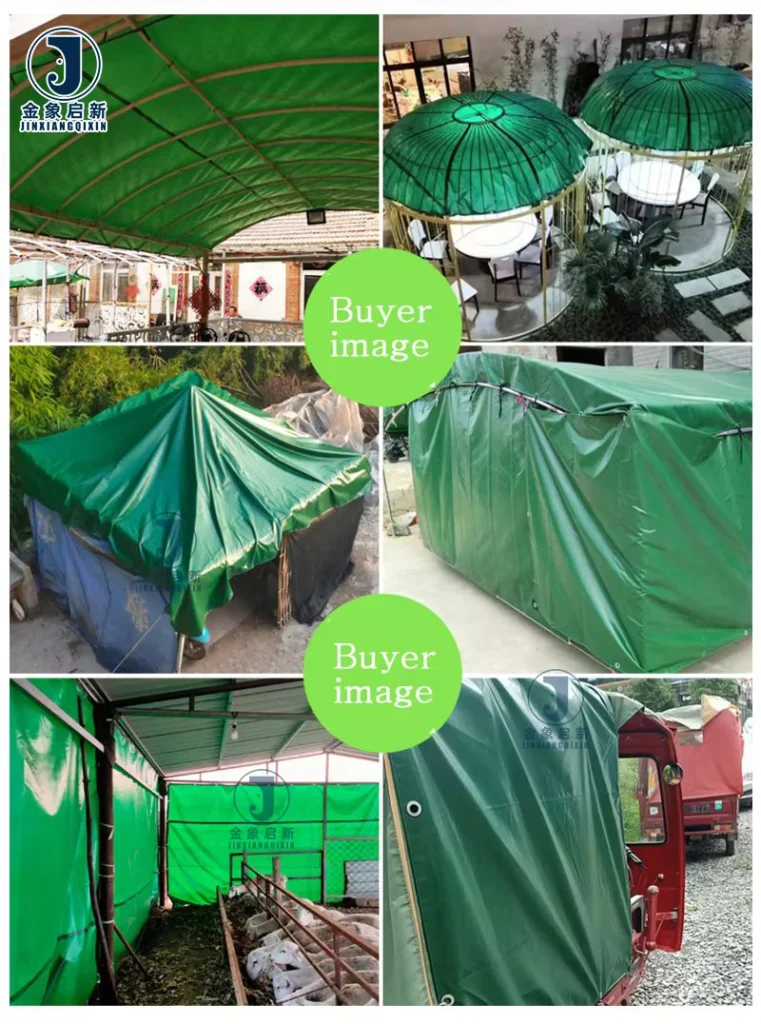
| Industrial temporary enclosures | weather exposure, frequent assembly and teardown, abrasion at frame contact points |
What Certified Fabric Really Means on a Compliance-Driven Site
A test report referenced to your site standard is the only proof that matters.
Ventilation duct or truck cover fabric arriving without the fire-retardant or anti-static certification the site requires causes immediate work stoppage. Generic PVC coated tarpaulin fire retardant anti-static certified claims on a quotation mean nothing when the safety inspector asks for documentation. I have seen entire duct runs rejected at commissioning because the material data sheet did not match the mine’s specified standard [NEED_CITE: mine ventilation duct fire safety compliance frameworks]. The cost of replacing installed fabric mid-project far exceeds the time spent confirming the grade before production begins.
Matching the Coating Weight to Structural Demand
The 700gsm, 850gsm, and 900gsm grades each serve different roles within ventilation duct and membrane structure fabrication. Lighter grades suit temporary enclosures and covers where flexibility aids installation, while heavier grades withstand the sustained negative pressure and mechanical stress found in mining ventilation systems. PVC Coated Tarpaulin fire retardant anti-static certified performance depends on the coating thickness maintaining integrity through repeated flex cycles. Specifying the correct GSM for the actual airflow pressure and handling frequency prevents premature coating breakdown at fold lines and weld seams.
Treatment Selection Driven by Site Atmosphere
Anti-static treatment becomes non-negotiable in environments where combustible dust or flammable vapours are present. Mining tunnels, grain handling facilities, and aviation fuel zones each demand different surface resistivity thresholds. Selecting the PVC coated tarpaulin fire retardant anti-static certified option without confirming the test basis against your site’s hazard classification risks non-compliance at audit [NEED_CITE: anti-static fabric surface resistivity test methods for hazardous areas]. The treatment must be documented, not just stated on a product page.
Reading the Specification Beyond GSM
Coating weight alone does not determine how the fabric performs under load. The base fabric denier and weave density govern tensile and tear resistance — two rolls sharing the same GSM can behave differently under installation tension depending on whether the scrim uses a high-density plain weave or a lower-count construction. The PVC coating method — whether knife-over-roll, laminating, or calendering — directly affects peel strength at the coating-to-scrim interface, which in turn determines how well heat-welded seams hold under duct pressure or cargo flex. A well-coated heavier grade with poor adhesion will delaminate at the weld before a lighter grade with strong bonding fails. Surface finish also plays a role: matte finishes reduce glare on site and accept printed markings more reliably, while glossy surfaces shed dust and moisture more readily during service. Understanding these interactions prevents specification decisions based on a single number.
The Hidden Cost of Skipping Pre-Production Verification
Fabric that passes a flame test in one market may fail in another because the classification systems differ. Supplying ventilation duct material without confirming the fire-retardant grade against the project’s specific building or mining code leads to rejection at handover. Anti-static fabric delivered without a referenced test report creates the same problem in hazardous zones [NEED_CITE: fire classification systems for coated fabrics in building and industrial applications]. Batch inconsistency in coating weight across rolls compounds the issue — a duct section fabricated from a lighter-than-specified roll becomes the weak link in an otherwise compliant system. These failures surface only after fabrication labour and installation time have been spent.
Why Technical Buyers Source This Range Here
Three full production lines and 36 sets of professional equipment support consistent output across the 700gsm, 850gsm, and 900gsm grades, so your bulk roll order maintains specification continuity from first to last roll. A dedicated 10-person R&D team handles material selection and sample development, producing samples within days when your project demands a specific flame-retardant or anti-static grade confirmation. QA/QC runs at every production stage with 100% inspection before shipment, catching coating weight deviation and treatment gaps before rolls leave the facility [NEED_CITE: in-process quality control checkpoints for coated fabric production]. Nearly three decades of focused coated fabric experience means the process controls around coating adhesion and weight accuracy are built into the line, not added as an afterthought.
Documentation & Verification
- Material specification sheet stating GSM, base fabric construction, coating method, and treatment type for each roll
- Test report for flame-retardant and anti-static grades referenced to your site standard where applicable
- Pre-shipment inspection record with roll-by-roll weight and visual verification
- Certificate of origin and full customs documentation package for cross-border project delivery
- Roll packing list with batch traceability for incoming goods re-inspection on site
Fabrication, Handling & Storage
- Heat welding parameters must be adjusted per GSM grade — heavier rolls require longer dwell time at the weld bar for full seam fusion
- Anti-static treated surfaces should not be cleaned with solvent-based agents that may strip the conductive coating layer
- Store rolls upright on end caps to prevent flat-spot deformation that affects unrolling tension during duct fabrication
- Allow cold-stored rolls to acclimatise before unrolling to avoid coating micro-cracking on anti-cold treated grades
- Seam allowance calculations should account for the specific width of each roll grade to minimise offcuts on long duct runs
Before You Send the Enquiry
Provide the ventilation duct diameter, operating pressure, and the specific fire-retardant or anti-static standard your site enforces so we can match the correct grade. Confirm whether you need rolls at stock width for your own fabrication line or finished custom-cut covers with welded seams. Let us know the project volume and delivery schedule so we can align production slots and send material samples for your approval before bulk commitment.
Frequently Asked Questions
Q: What fire-retardant grades are available for this PVC coated tarpaulin?
A: Flame-retardant treatment is available across the 700gsm, 850gsm, and 900gsm grades. The specific grade must be confirmed against your project’s fire code — different markets require different classification systems. Share your site standard in the enquiry so we can reference the correct test report to your compliance documentation.
Q: Can you supply test reports for anti-static performance?
A: Anti-static treatment is available and test documentation can be provided. The test basis must match the hazard classification of your operating environment. Send us your site’s surface resistivity requirement or the applicable standard, and we will confirm the treatment specification and supporting report before production begins.
Q: How do I verify GSM weight on arrival?
A: Each roll ships with a pre-shipment inspection record stating the measured weight. We recommend incoming goods re-inspection using a calibrated scale and sample cutter per roll. Our documentation includes batch traceability so any discrepancy can be traced back to the production run for immediate resolution.
Q: What welding guidance applies to duct fabrication with this fabric?
A: Heat welding temperature and dwell time vary with GSM grade and coating formulation. Heavier grades need adjusted parameters to achieve full peel strength at the seam. Request our fabrication guideline sheet with your sample order so your workshop can dial in weld settings before committing production material.
Q: What is the lead time for custom-width roll orders?
A: Custom width and treatment combinations require dedicated production scheduling. Typical lead times span multiple weeks depending on order volume and specification complexity. Confirm your required width, GSM grade, and treatment type early so we can reserve line capacity and provide a firm dispatch date.