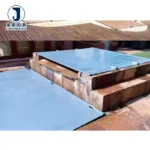
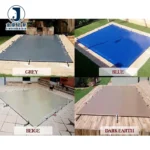
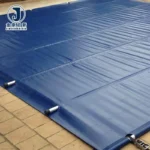
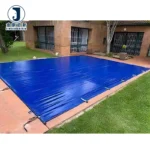
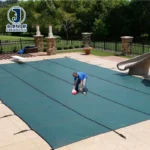
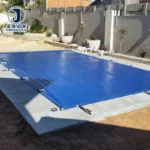
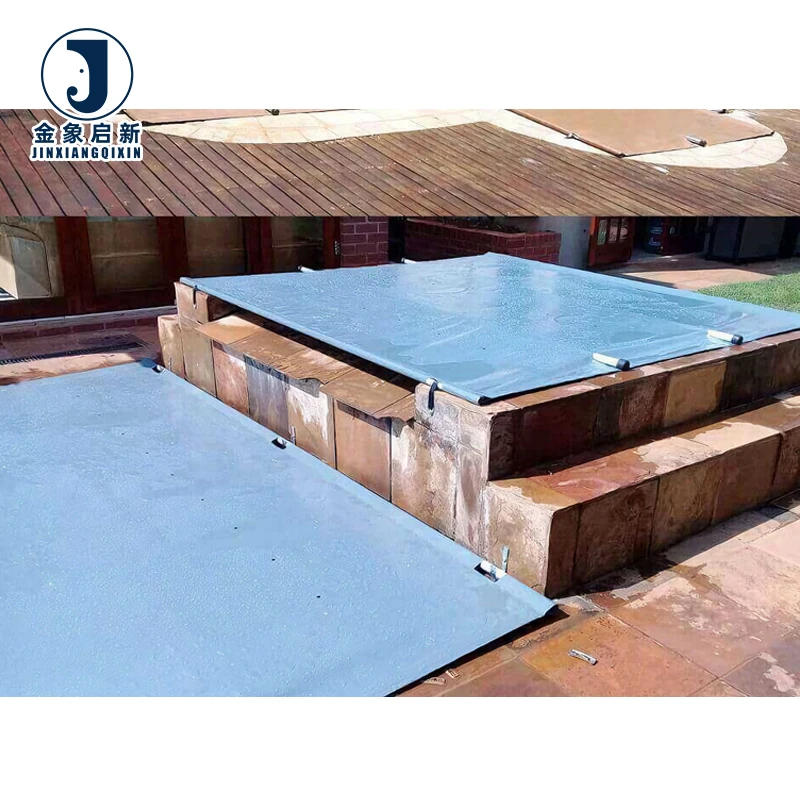
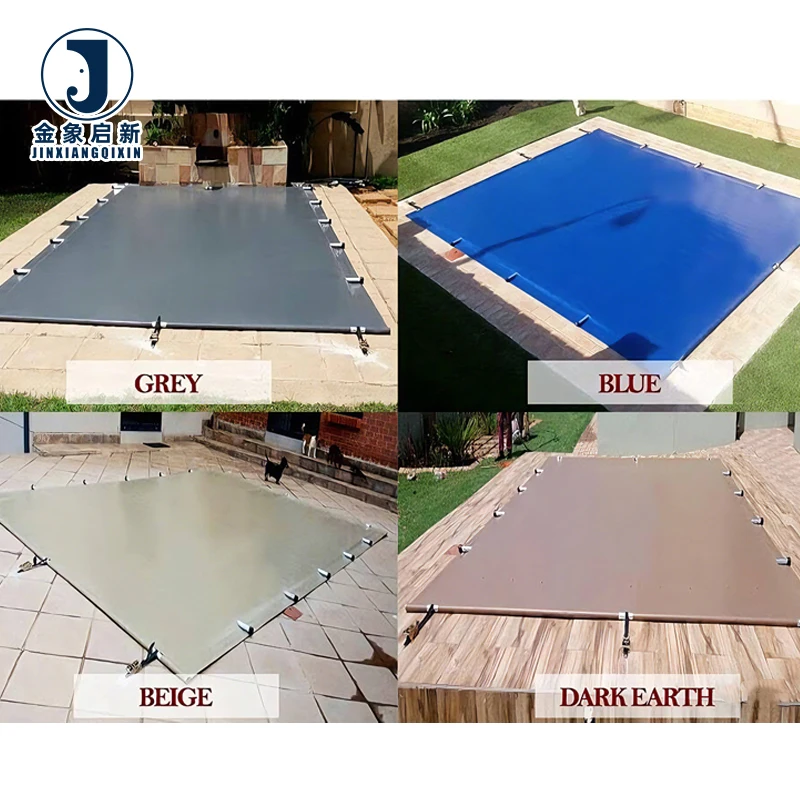
Coating Process Mastery — every roll of heavy-duty pool cover fabric leaves our lines with documented weight verification, reflecting three decades of controlled PVC coating application and adhesion consistency.
Technical Specifications
| Parameter | Value |
|---|---|
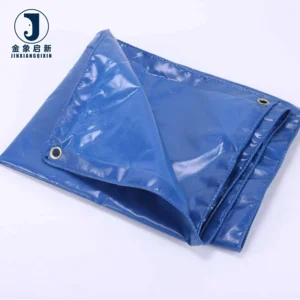
| Product Type | PVC Coated Tarpaulin Fabric Roll |
| Weight (GSM) | 610gsm (18oz) |
| Available Widths | 0.914m to 3.42m |
| Mesh Count Options | 20×20, 20×18, 23×23, 30×30 |
| Coating Material | PVC |
| Flame Retardant | Available in flame retardant grades — confirm the grade required for your market |
| UV Treatment | Available with UV stabilisation — test basis available on request |
| Anti-Mildew | Stated |
| Waterproof Rating | Stated |
| Oil Resistance | Stated |
| Acid and Alkali Resistance | Stated |
| Colour | All colours available for customisation |
| Key Features | High tensile intensity, good elasticity, antimicrobial, stain resistance, anti-oxidation, temperature and weather resistant |
Application Suitability
| Application | Exposure & Requirement |
|---|---|
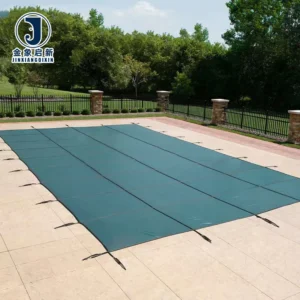
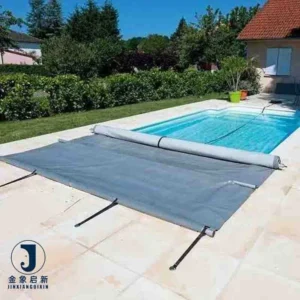
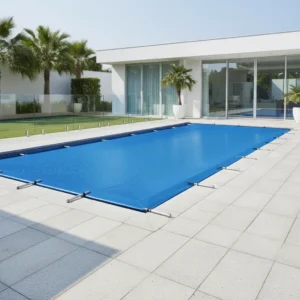
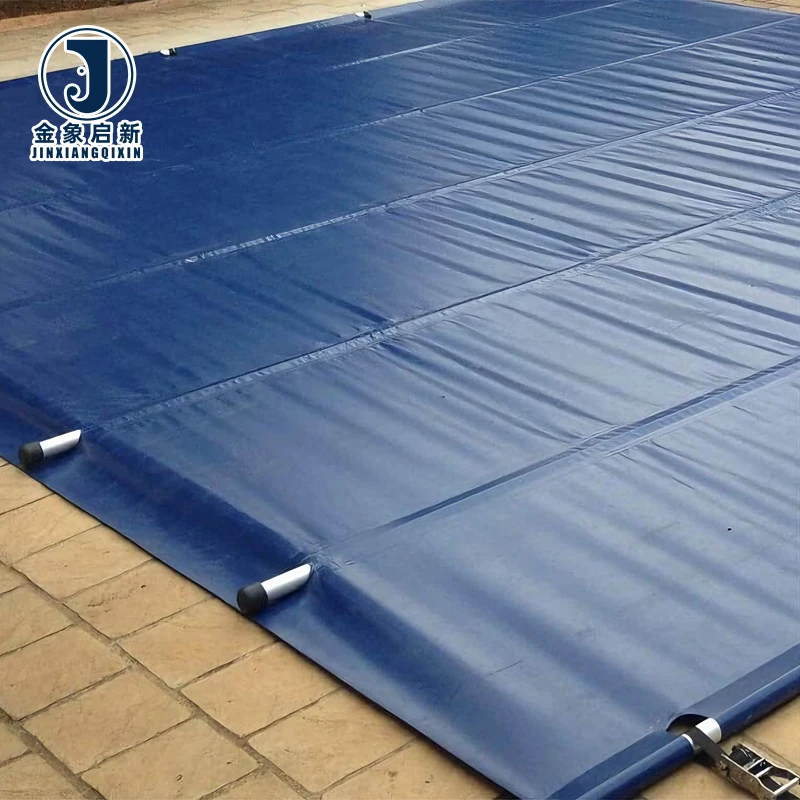
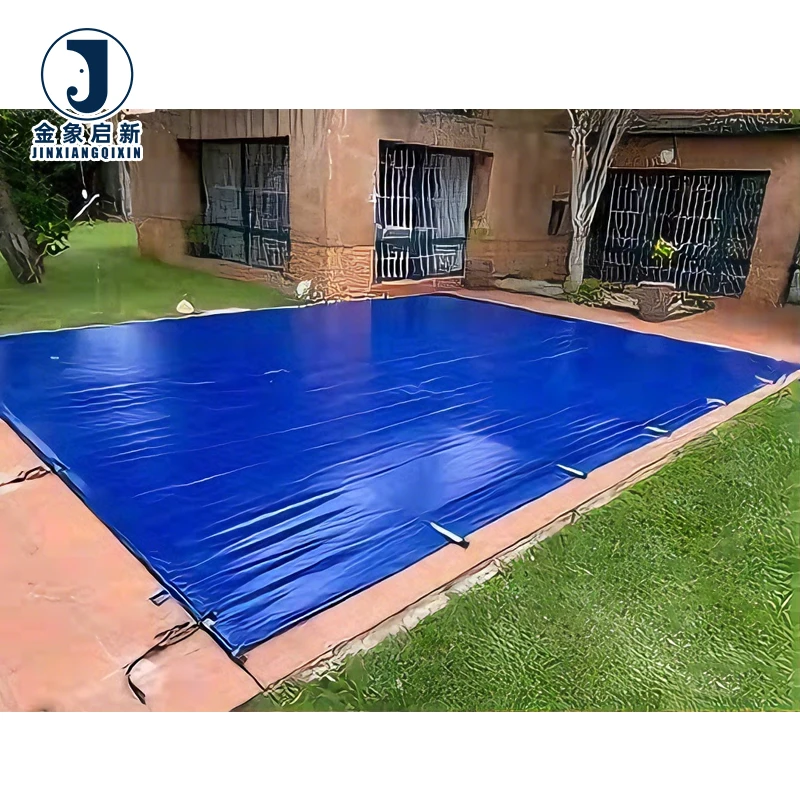
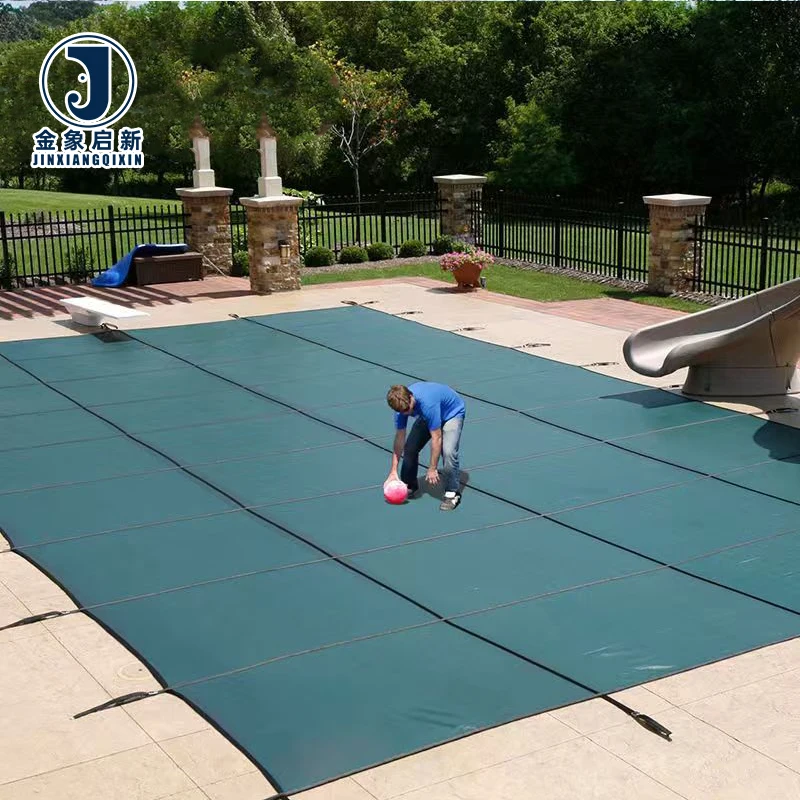
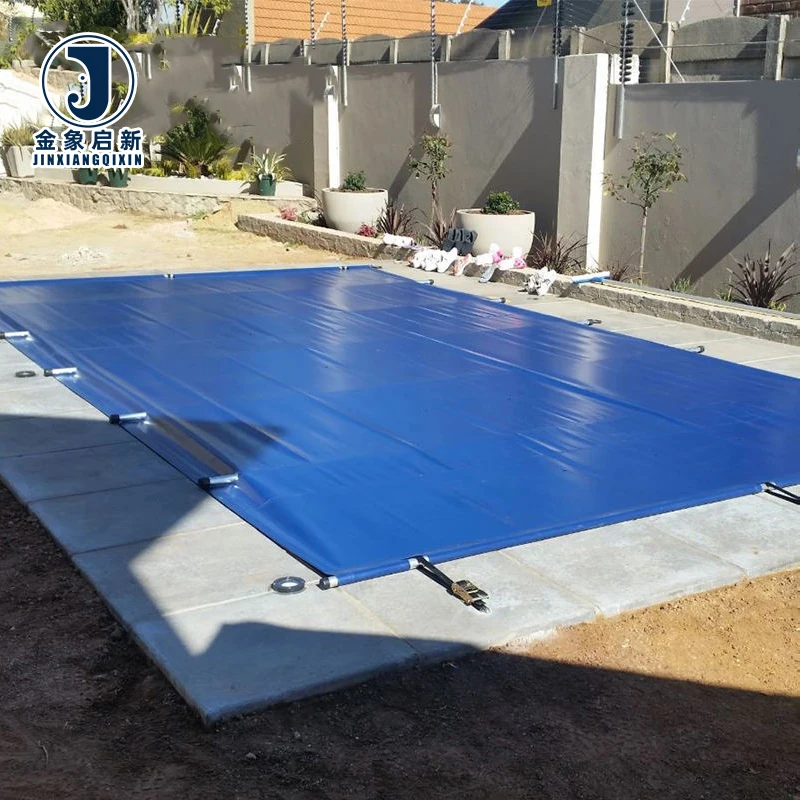
| Swimming pool covers | Continuous water contact, chemical treatment exposure, UV degradation, debris load, seasonal flexing during installation and removal |
| Inflatable and membrane structures | Internal air pressure stress, welded seam integrity, repeated inflation cycles, outdoor weathering |
| Truck and boat covers | Road salt or marine spray, abrasion at tie-down points, UV and thermal cycling, wind flutter fatigue |
| Construction roofing and site covers | Prolonged rain and standing water, chemical splash from site materials, puncture risk from sharp debris |
| Awnings and tent fabric | Tension loading across spans, wind uplift, repeated folding and unfolding, colour fastness under direct sun |
When the Quoted GSM Does Not Match What Arrives on Site
Documented coating weight per roll is the only reliable guard against material substitution.
Buyers in technical containment and ventilation sectors regularly face a frustrating pattern: the quotation states a specific grammage, but the delivered fabric feels lighter and performs below expectation once installed. For pool cover fabricators and inflatable structure builders, a shortfall in coating weight translates directly to reduced puncture resistance, weaker heat-weld seams, and premature failure at stress points. [NEED_CITE: coating weight deviation effects on tensile performance per ISO 1421 test methods]. This is not a marginal issue — it affects warranty claims, site compliance, and the reputation of the finished product you deliver to your own customers.
Coating Weight and Adhesion Control for Demanding Containment Use
The 610gsm PVC coated tarpaulin fabric in this range is produced under controlled coating application, where the relationship between base fabric preparation and PVC layer build-up is managed at each stage. For pool covers and chemical containment applications, consistent coating adhesion prevents delamination when the fabric is exposed to chlorinated water, acidic pool treatments, or alkaline cleaning agents. The 610gsm weight provides a substantial coating layer that supports reliable heat welding, a critical factor when fabricators join panels for large-format covers or inflatable structures.
Fire-Retardant and Anti-Static Compliance for Specialist Environments
Technical buyers specifying fabric for mining ventilation ducts, aviation hangar enclosures, or temporary industrial structures require documented fire-retardant and anti-static performance. This 610gsm PVC coated tarpaulin range is available in treated grades to meet site-specific compliance demands. [NEED_CITE: fire classification requirements for temporary structures and ventilation ductwork]. Buyers should confirm the exact grade needed for their jurisdiction and application before sampling, as regulatory requirements vary significantly between mining, aviation, and construction sectors.
Mesh Count Selection and Its Effect on Structural Behaviour
The available mesh counts — 20×20, 20×18, 23×23, and 30×30 — each produce a different balance between tensile strength and fabric flexibility. A tighter weave such as 30×30 increases thread density, distributing load across more yarns and improving resistance to tear propagation, which matters for pool covers that experience point loads from debris or snow accumulation. A more open weave like 20×18 allows greater flexibility and easier handling during fabrication, suiting applications where the fabric must conform to curved frames or be folded repeatedly for seasonal storage. The choice of mesh count also influences coating penetration: tighter weaves require precise coating control to ensure full encapsulation of the base fabric without excess surface build-up that could stiffen the material. Width options from 0.914m to 3.42m allow fabricators to select roll dimensions that minimise off-cuts and welded seams, improving both material yield and finished product appearance.
The Hidden Cost of Specifying on Weight Alone
A common procurement error is evaluating coated fabric purely on grammage without considering the base fabric construction beneath the coating. Two rolls both rated at 610gsm can perform very differently if one uses a lower-denier base yarn compensated by heavier coating application. The result is a fabric that meets the weight specification but lacks the tensile backbone needed for structural applications. [NEED_CITE: relationship between base fabric denier and coated fabric tear strength]. For pool cover manufacturers, this discrepancy surfaces as seam failure during high-wind events or puncture damage from routine maintenance equipment. Welded joints are particularly vulnerable: if the base fabric lacks adequate tear resistance, the seam area flexes and cracks before the coating itself shows wear, undermining the entire cover assembly.
Why Technical Buyers Source This Range Here
Deep process control over coating weight and adhesion has been refined across nearly three decades of focused PVC coated fabric production. Three full production lines with 36 sets of professional equipment support the volume requirements of industrial buyers while maintaining consistency from roll to roll. A dedicated ten-person R&D team handles material selection, custom colour matching, and sample development, enabling rapid turnaround on specification trials. Every roll undergoes 100 percent pre-shipment inspection with documented quality checks at each production stage. Custom widths and colours are supported without prohibitive minimums, giving fabricators flexibility in planning container loads and production schedules. ISO and CE certified processes underpin the entire manufacturing workflow, and full customs documentation accompanies every international dispatch.
Documentation & Verification
- Material specification sheet stating 610gsm weight, base fabric construction, and coating type for each roll
- Pre-shipment inspection record confirming weight verification against quoted GSM before dispatch
- UV and flame-retardant test reports provided where treated grades are specified and ordered
- ISO and CE certificates included with shipping documentation for customs and site compliance
- Certificate of origin and roll packing list supplied to support import clearance
- Colour reference documentation for custom orders to enable batch-to-batch verification
Fabrication, Handling & Storage
- Heat welding parameters should be calibrated to the 610gsm coating thickness to ensure full seam fusion without base fabric scorching
- Roll storage in a dry, shaded environment prevents surface tackiness and preserves anti-mildew treatment effectiveness
- Unfolding in cold conditions requires gradual acclimatisation to avoid cracking the PVC coating layer
- Cutting layouts should account for available widths up to 3.42m to minimise welded seams in large pool cover panels
- Surface cleaning with mild detergent preserves the stated stain resistance and oilproof treatment properties
- Repair patches should use compatible PVC adhesive matched to the 610gsm coating weight for reliable bonding
What We Need to Quote Accurately
To provide a precise material recommendation, share your end-use application and the environmental conditions the fabric will face, including chemical exposure, temperature range, and structural loading. Specify your target market and any fire-retardant or anti-static compliance grades required for site acceptance. Confirm the roll widths and annual volume you need so we can plan production scheduling and container loading efficiently. Indicate whether you require finished cut-to-size panels or roll stock for in-house fabrication, and whether colour matching against a reference sample is needed before bulk production.
Frequently Asked Questions
Q: How is the 610gsm weight verified and can I retest on arrival?
A: Every roll is weighed and recorded during pre-shipment inspection, with documented results included in your shipment paperwork. Upon arrival, you can verify using standard GSM cutting and weighing methods per ISO testing protocols. If any discrepancy is found, our quality team reviews the production batch record and resolves the issue directly.
Q: What fire-retardant certifications are available for mining or aviation duct applications?
A: Fire-retardant grades are available upon specification, with the exact certification depending on your site requirements and jurisdiction. Confirm the standard needed for your project — such as local mining safety regulations or aviation authority specifications — and we will match the treatment and provide the corresponding test report with your shipment.
Q: How do you control colour consistency across multiple rolls in one order?
A: Custom colour orders are produced within a single coating batch wherever possible, with colour reference checks at multiple production stages. For large orders spanning multiple batches, we maintain reference samples and conduct side-by-side comparison before dispatch to ensure rolls install with uniform appearance across your finished product.
Q: What mesh count should I choose for a swimming pool cover versus an inflatable structure?
A: Pool covers benefit from tighter mesh counts like 23×23 or 30×30 for improved tear resistance against debris and snow loads. Inflatable structures often suit 20×20 for a balance of strength and flexibility during inflation cycles. Share your specific loading conditions and we will recommend the optimal base fabric construction.
Q: What width and roll length options are available and how does that affect container loading?
A: Widths range from 0.914m to 3.42m, with custom lengths available to suit your fabrication workflow and container capacity. Wider rolls reduce the number of welded seams in large-format covers but require careful planning of container weight distribution. We work with you to optimise roll dimensions for efficient shipping and minimal material waste.