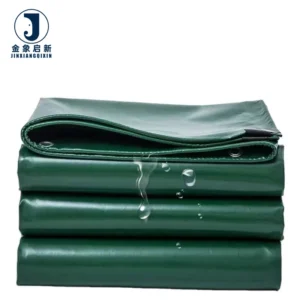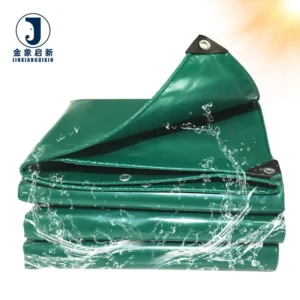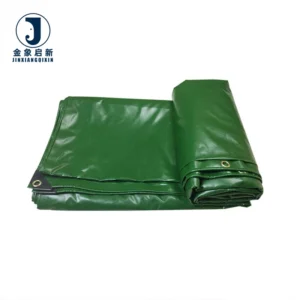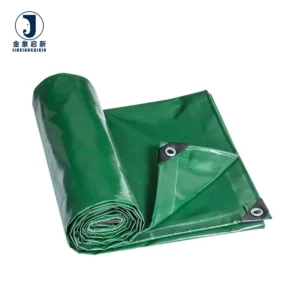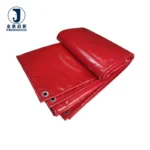
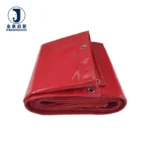
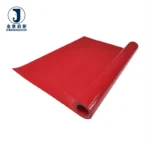
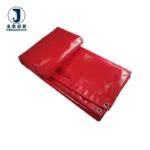
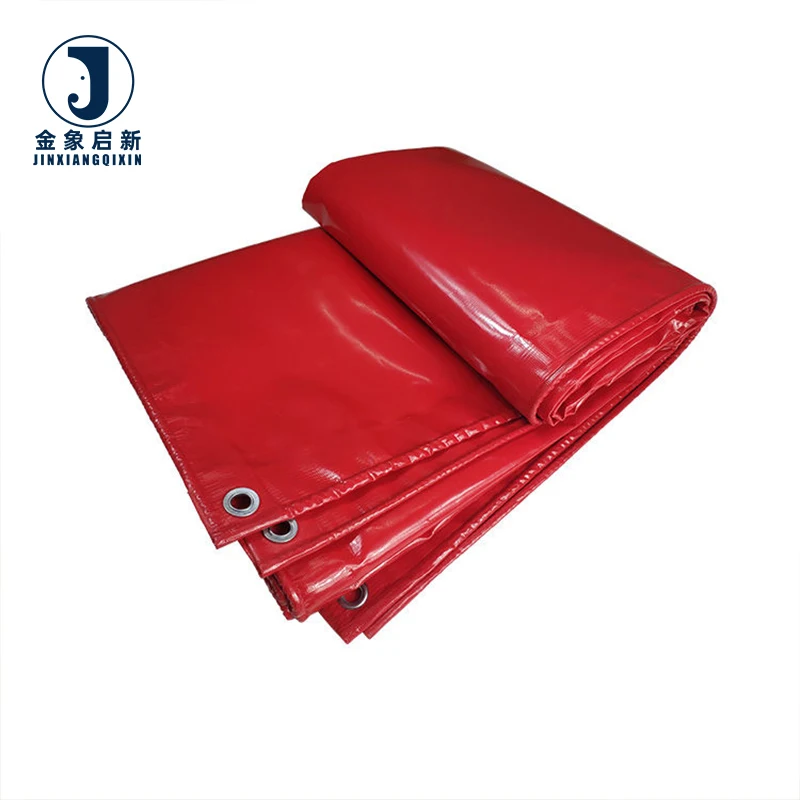
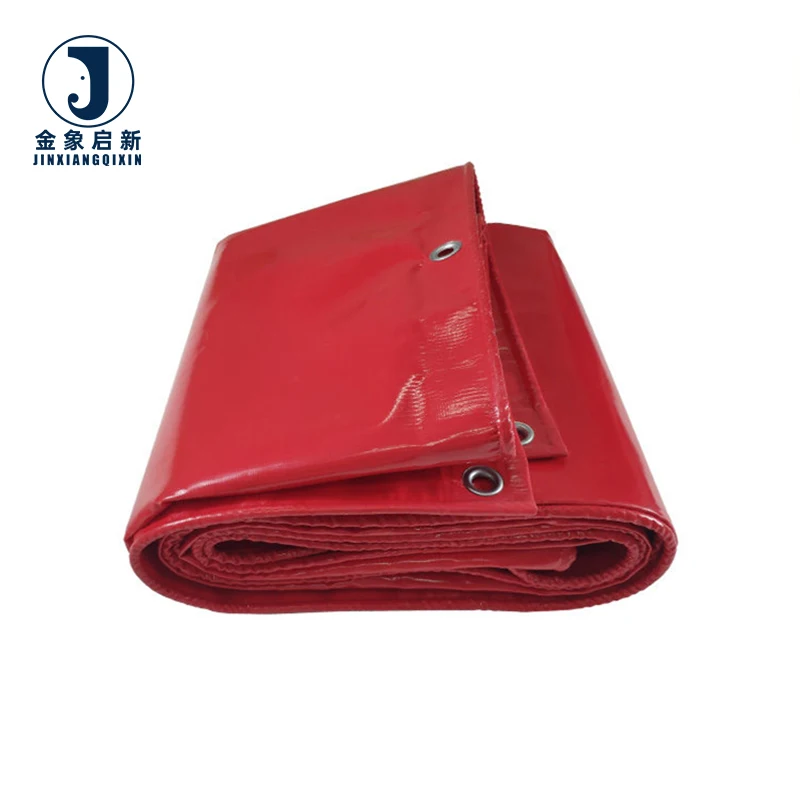
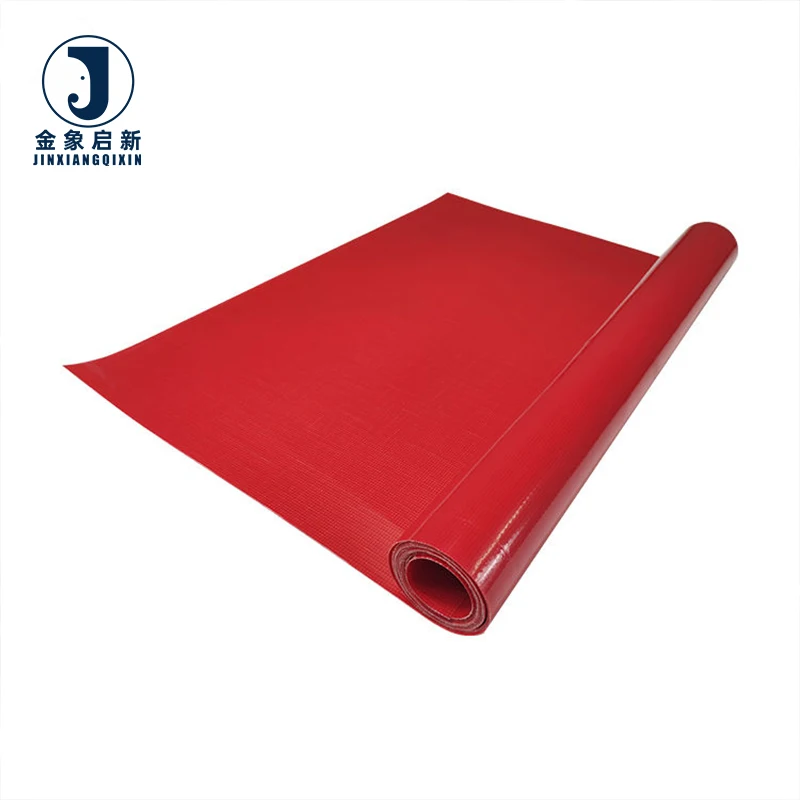
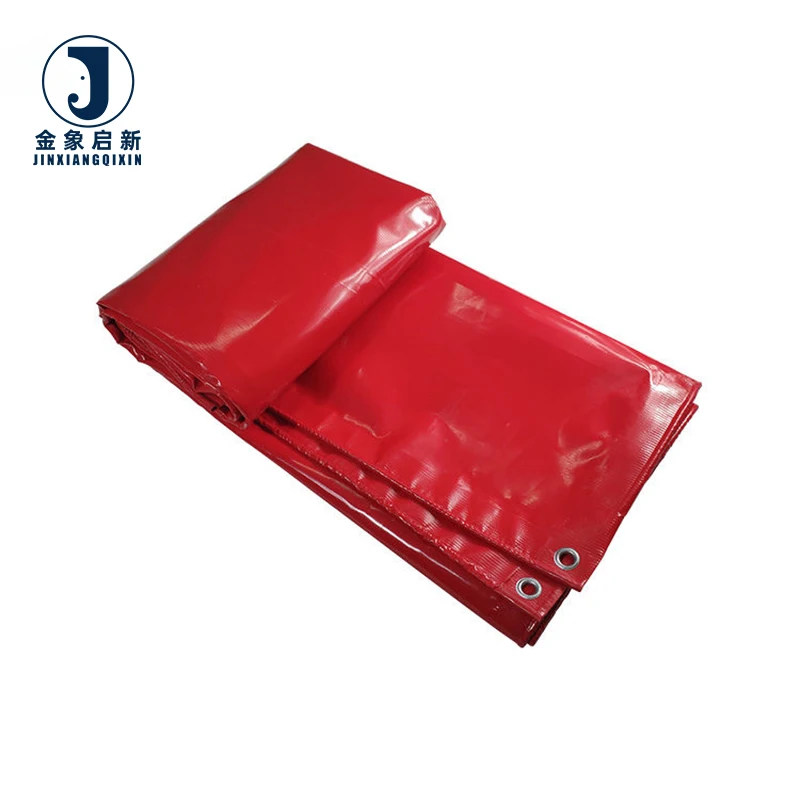
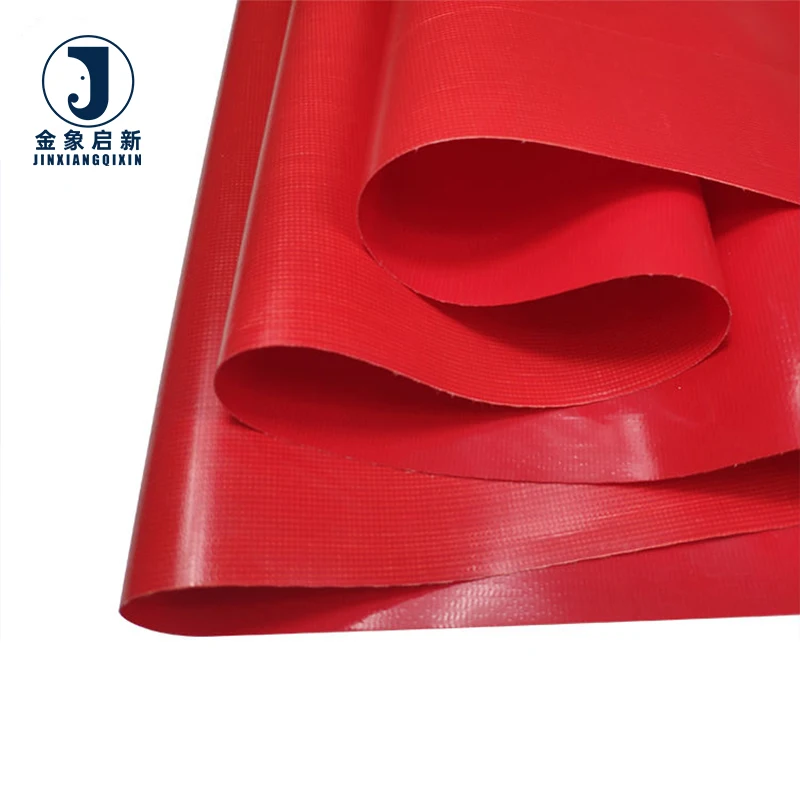
Process Control Depth — Nearly 30 years focused on PVC coating yields repeatable GSM accuracy and adhesion performance across heavy-duty rolls for ventilation duct and membrane structure fabrication.
Technical Specifications
| Parameter | Value |
|---|---|
| Product Type | PVC Coated Tarpaulin |
| Weight (GSM) | 350, 400, 420, 500, 600, 650, 750, 900 |
| Base Fabric Denier | 500D×840D, 500D×1000D, 1000D×1000D, 1000D×1300D, 1300D×1300D, 1000D×2000D |
| Mesh Count | 30×19, 20×20, 30×15 |
| Total Thickness | 0.29 mm, 0.32 mm, 0.38 mm, 0.44 mm, 0.46 mm, 0.55 mm, 0.65 mm |
| Tensile Strength (warp/weft, N) | 1650/1600, 1800/1700, 1850/1750, 2050/1900, 2500/2200, 2550/2250, 2750/2850, 3900/3500 |
| Coating Material | PVC (double-sided) |
| Density | 1.15–2.00 g/cm³ |
| Tensile Strength (MPa) | 50–80 MPa |
| Brittle Temperature | ≤ -50 to -60 ℃ |
| Softening Temperature | ≥ 80 ℃ |
| Melting Point | 212 ℃ |
| Treatment Options | High frequency hot melt, Hot air, Sewing |
| Key Features | Waterproof, Fire Retardant (grade not stated in source — confirm applicable standard such as M2 / B1 / NFPA 701), Anti UV (test basis not stated in source), Heavy Metal Free, Anti Mildew, Flexible, Self Clean |
| Printing | Printable, Customized |
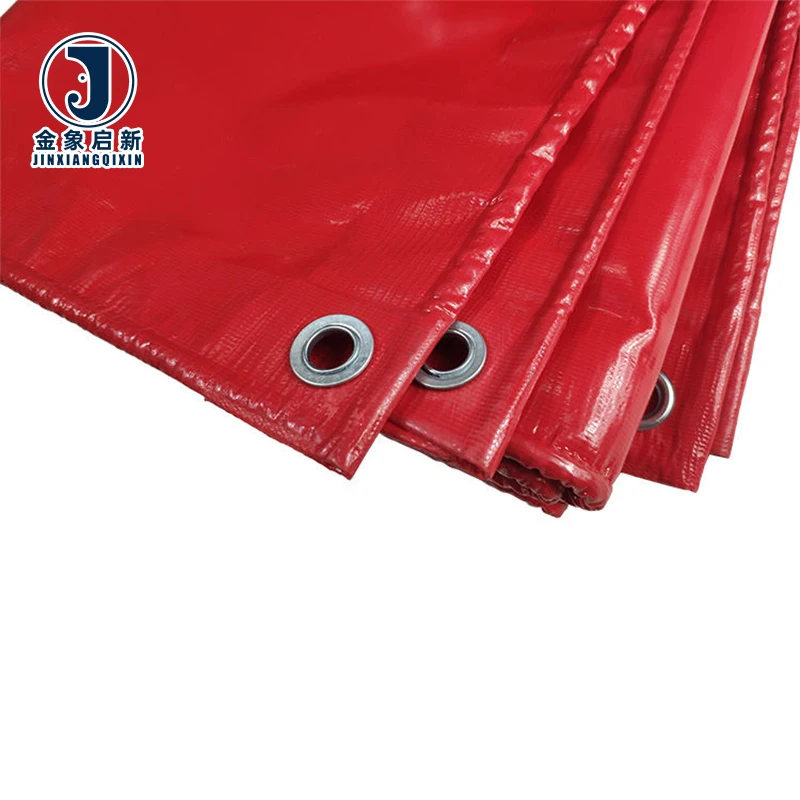
| Eyelet | 3 cm enlarged aluminum alloy buttonhole |
| Edge Reinforcement | 5 mm thick rope without splicing, high temperature heat sealed seamless edge wrapping, all sides reinforced |
| Standards | ISO, CE |
Application Suitability
| Application | Exposure & Requirement |
|---|---|
| Mine and tunnelling ventilation duct | Continuous airflow pressure, flex cycling, mandatory fire-retardant certification for underground compliance |
| Aviation ground support air duct | Fuel vapour exposure, anti-static requirements, rapid deployment and takedown |
| Membrane and inflatable structure fabric | Biaxial tension loads, UV and weather exposure, high-frequency welded seam integrity |
| Temporary industrial enclosure | Wind loading, dust containment, flame compliance on active construction sites |
| Specialist agricultural covering | Humidity, chemical contact from fertilizers, anti-mildew performance in enclosed environments |
Why Ventilation Duct Fails at Inspection Before It Fails in Service
Compliance documentation must travel with the fabric, not arrive weeks later by email.
A ventilation duct that passes airflow tests but lacks the fire-retardant or anti-static paperwork required by the site auditor gets shut down before it moves a single cubic metre of air. Mining and tunnelling projects operate under inspection regimes where the PVC coated tarpaulin fire retardant grade must be traceable to the specific batch installed underground. When a contractor receives rolls without batch-linked test reports, the entire duct run becomes a liability — regardless of how well the material itself performs. [NEED_CITE: fire-retardant compliance documentation requirements for underground ventilation per regional mining safety codes]
Duct Seam Integrity Under Continuous Flex and Pressure
Ventilation ducts in mining and tunnelling environments experience constant internal pressure cycling as fans start, stop and modulate. The PVC coated tarpaulin used for these ducts must hold welded seams that resist peeling under repeated flex. High frequency hot melt and hot air welding are the two primary joining methods, and the choice between them depends on the duct diameter and the operating pressure range. Base fabric denier directly influences how well the weld line transfers load into the body of the fabric rather than concentrating stress at the seam boundary.
Fire-Retardant and Anti-Static Compliance for Underground and Aviation Use
Underground mining regulations in most jurisdictions require ventilation duct fabric to carry a documented fire-retardant classification. The PVC coated tarpaulin fire retardant treatment is available in multiple grades — confirm the specific standard required for your market, whether that is M2, B1, NFPA 701 or DIN 4102. Anti-static surface treatment addresses the risk of spark ignition in environments where combustible dust or gas may be present. Anti-mildew and heavy metal free formulation further supports deployment in humid underground conditions where biological growth on duct interiors can restrict airflow over time. [NEED_CITE: anti-static surface resistance testing standards for ventilation duct fabrics in mining applications]
Reading the Specification Sheet Beyond the GSM Number
GSM alone tells a fabricator almost nothing about how the material will behave during welding or under sustained load. A 650 GSM fabric woven from 1000D×1000D yarn at 20×20 mesh will have a fundamentally different tear propagation profile than a 650 GSM fabric woven from 500D×1000D at 30×19 mesh, even though the weight is identical. The higher denier yarn resists individual strand breakage, while the tighter mesh count distributes load across more intersection points. Coating adhesion — the bond between the PVC layer and the polyester base — determines whether a weld fails cohesively within the coating or adhesively at the coating-to-yarn interface. Total thickness readings of 0.29 mm through 0.65 mm correlate with coating weight rather than base fabric contribution, meaning two fabrics of the same thickness can carry very different tensile ratings depending on the yarn structure underneath. The brittle temperature threshold of ≤ -50 to -60 ℃ and softening point of ≥ 80 ℃ define the operational envelope for cold-storage ventilation and high-ambient-temperature tunnelling respectively. [NEED_CITE: relationship between base fabric denier, mesh count and tear propagation in coated technical textiles per ISO 1421]
What Specification Gaps Cost on a Live Project
When a duct fabric order arrives without batch-specific fire-retardant test documentation, the contractor faces a choice between installing non-compliant material and halting work while replacement is sourced. Weld seam failure on a pressurised duct run in an active tunnel means emergency ventilation shutdown, crew evacuation and repair under time pressure. Colour inconsistency across rolls may seem cosmetic, but on membrane structures installed side by side, visible shade variation triggers rejection at handover. These failures trace back to procurement decisions made at the quotation stage — specifically, accepting a price without verifying what documentation and testing accompanies the shipment. [NEED_CITE: weld seam failure modes in pressurised flexible ventilation duct systems]
Why Procurement Teams Source This Fabric Here
Three full production lines with 36 sets of professional equipment support bulk roll output with consistent coating weight control across long runs. A 10-person R&D team handles material selection, custom width development and sample production for project-specific duct diameters and membrane panel geometries. Dedicated QA/QC at every production stage includes coating adhesion checks and visual inspection under controlled lighting before any roll is cleared for dispatch. Pre-shipment inspection covers 100 percent of the order, not a statistical sample, ensuring GSM verification and documentation completeness before the container is sealed. Samples for custom fire-retardant grades or anti-static treatment are developed within days so that fabricators can run weld trials before committing to full production volume.
Documentation & Verification
- Material specification sheet stating GSM, base fabric denier, coating weight and colour reference per roll
- Fire-retardant test report citing the applicable standard and grade for the specific batch shipped
- Anti-static surface resistance measurement with documented test method where treatment is specified
- Pre-shipment inspection record confirming 100 percent visual and weight verification before dispatch
- ISO and CE certificates included in the documentation pack for customs and site audit submission
- Certificate of origin and roll packing list supporting import clearance and traceability
Fabrication, Handling & Storage
- High frequency hot melt welding suits duct seams on heavier denier grades such as 1000D×2000D for maximum peel strength
- Hot air welding works across all listed GSM options but requires temperature calibration to the specific coating thickness
- Store rolls upright on pallets to prevent flat-spot deformation that causes tracking issues during unrolling on site
- Deploy duct sections above brittle temperature threshold of ≤ -50 to -60 ℃ to avoid coating crack during unfolding
- Clean with neutral pH detergent only — solvent-based cleaners attack the PVC coating surface and reduce self-clean performance
- Edge wrapping with 5 mm rope and heat sealed seams distributes tie-down loads evenly across reinforced corners
Starting a Specification Conversation
Provide the intended application — ventilation duct, membrane structure or inflatable — along with the operating pressure range and ambient temperature envelope. State the fire-retardant standard your site or jurisdiction requires so that the correct treatment grade is confirmed before sampling. Share the duct diameter or panel dimensions and annual volume to determine whether stock width or custom production delivers better material utilisation. Request a sample roll if weld parameter development or colour approval is needed before full order commitment.
Frequently Asked Questions
Q: What fire-retardant grade does the fabric carry, and does it meet my site’s local standard?
A: Fire-retardant treatment is available across the PVC coated tarpaulin range, but the applicable grade depends on your jurisdiction. Standards such as M2, B1, NFPA 701 and DIN 4102 each define different test methods and pass criteria. Provide your site’s required standard at inquiry stage so the correct formulation is applied and a batch-specific test report accompanies the shipment.
Q: Is anti-static treatment available with a documented surface resistance value?
A: Anti-static treatment can be applied to the PVC coating for applications where spark ignition risk must be managed, such as underground mining ventilation or fuel-adjacent aviation ducts. Surface resistance measurement is documented per the applicable test standard. Confirm your required resistance range at specification stage so the formulation is matched to your compliance threshold.
Q: How are welded seams tested to ensure duct integrity under flex and airflow pressure?
A: Welded seam samples from each production run undergo peel strength testing to verify that the bond fails cohesively within the coating rather than adhesively at the yarn interface. Both high frequency hot melt and hot air weld methods are validated against the specific GSM and base fabric denier of the order. Test results are recorded in the pre-shipment inspection documentation.
Q: What is the lead time for custom duct diameter and fabric width on specialist orders?
A: Custom width and diameter orders require production line scheduling based on the specified GSM, colour and treatment combination. Typical lead times span multiple weeks from sample approval to container loading. Providing your width, treatment and volume requirements at inquiry stage allows accurate scheduling confirmation before production commitment.
Q: Can you supply a batch-specific test report and certificate of origin for customs and site audit?
A: Every shipment includes a material specification sheet, fire-retardant test report linked to the production batch, ISO and CE certificates, certificate of origin and a roll-level packing list. This documentation package supports both customs clearance at import and compliance presentation to site auditors. Additional test documentation can be prepared on request when specified during the order confirmation stage.