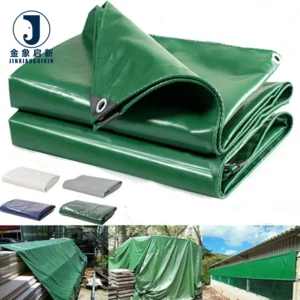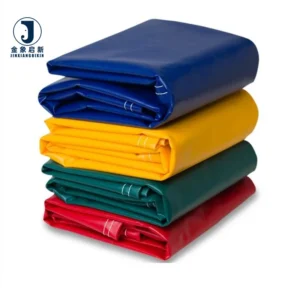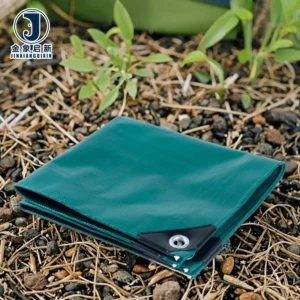

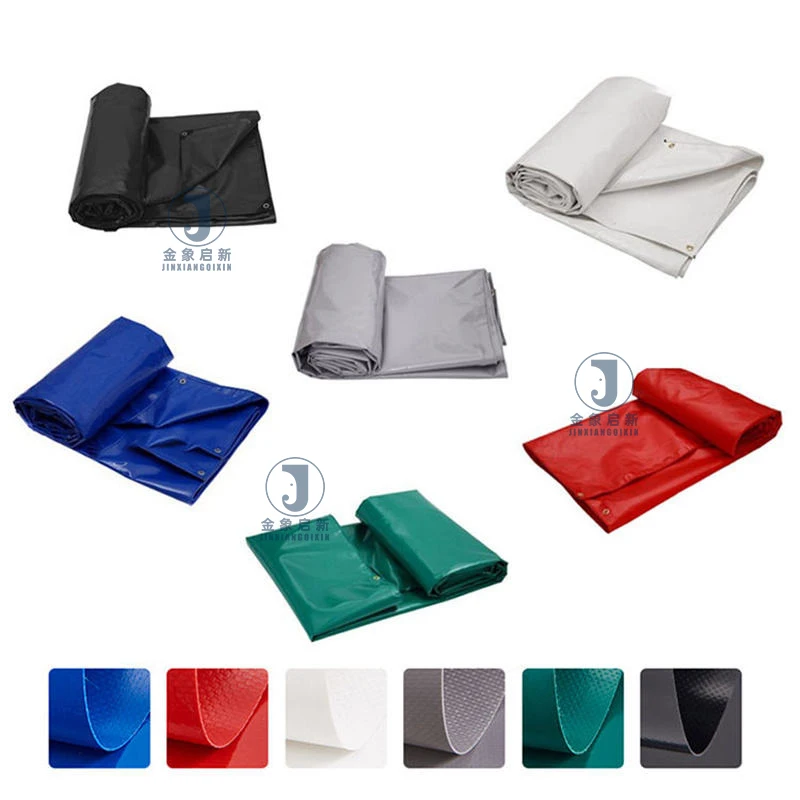
Material Engineering Control — Nearly 30 years of coating weight and adhesion process mastery applied to every roll of industrial ventilation duct and specialist structure fabric we produce.
Technical Specifications
| Parameter | Value |
|---|---|
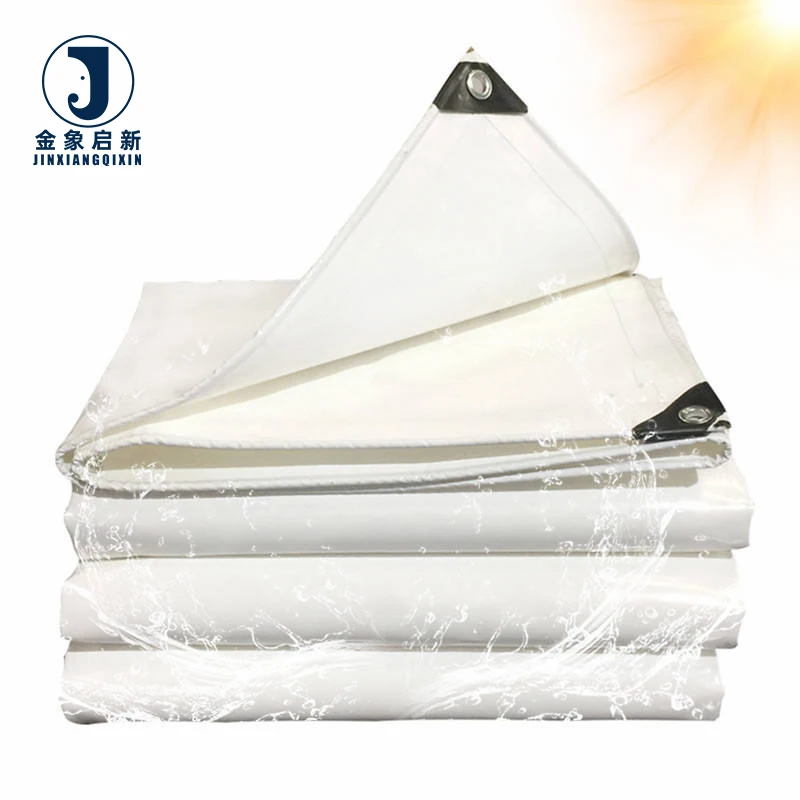
| Product Type | PVC Knife-Coated Fabric |
| Material Composition | PVC + High-strength polyester mesh fabric |
| Coating Method | Laminated technology & Hot-melt Coating technology |
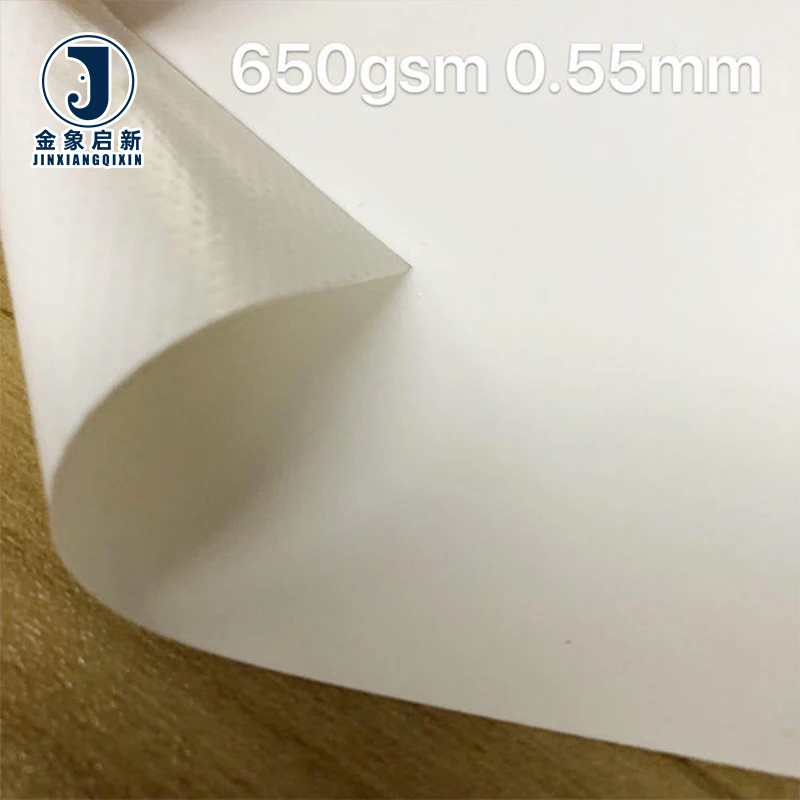
| Weight Options | 350gsm, 420gsm, 500gsm, 550gsm, 600gsm, 750gsm |
| Thickness Options | 0.32mm, 0.35mm, 0.4mm, 0.45mm, 0.5mm, 0.65mm |
| Roll Dimensions | 2m width × 75m length / 2.1m width × 50m length |
| Temperature Range | -70°C to +100°C |
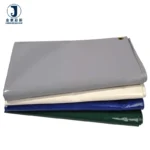
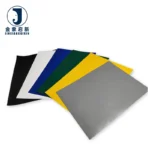
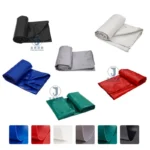
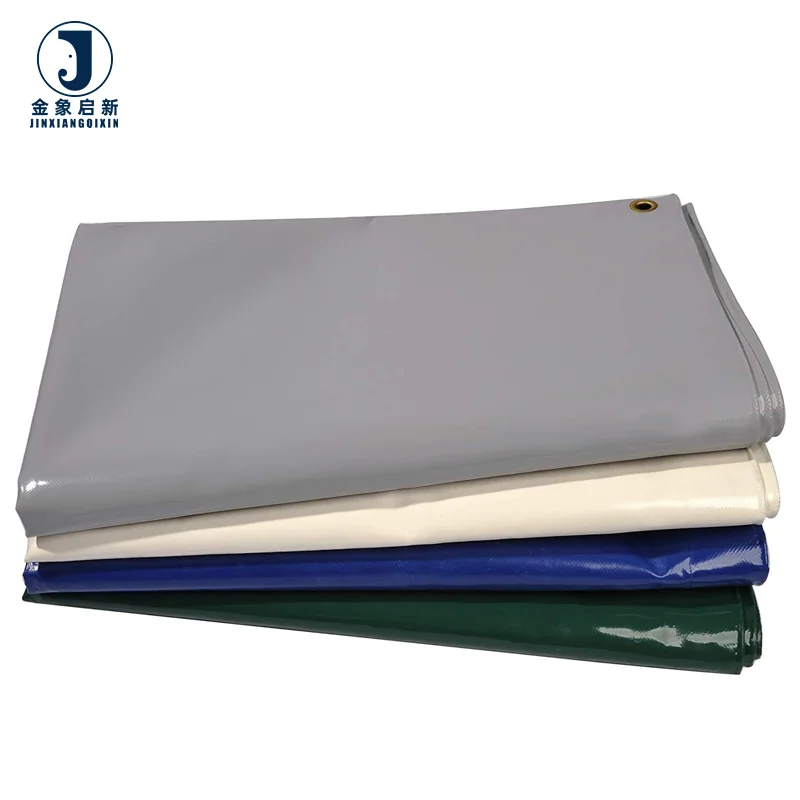
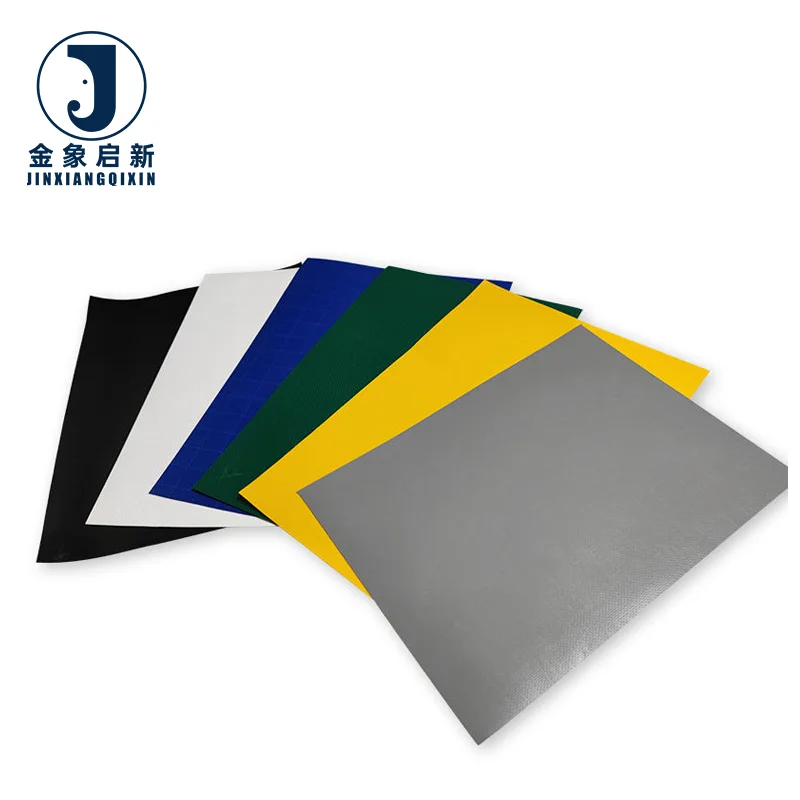
| Colour Options | Blue, Red, Yellow, Light Blue, Grey (custom available) |
| Special Treatments | Flame retardant, Anti-static, Anti-cold, Anti-mildew (grades available on request — confirm certification required for your site) |
| Surface Finish | Glossy or matte (customizable) |
| Standards | ISO / CE |
Application Suitability
| Application | Exposure & Requirement |
|---|---|
| Mine and tunnel ventilation duct | Continuous positive/negative air pressure, rock dust abrasion, mandatory fire-retardant and anti-static compliance for underground use |
| Aviation hangar ducting | Fuel vapour environment, strict electrostatic discharge limits, large-diameter airflow management |
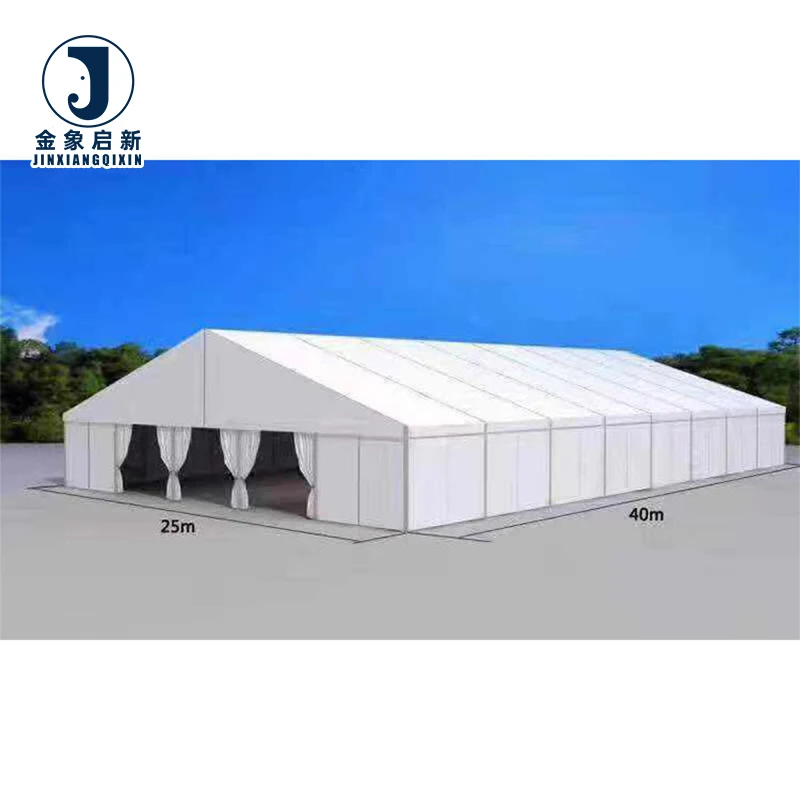
| Inflatable and membrane structures | Long-term UV exposure, wind load stress at welded seams, architectural aesthetics requiring colour consistency |
| Construction site ventilation | Cement dust, mechanical impact from site equipment, temporary deployment with repeated folding |
| Specialist containment enclosures | Chemical splash resistance, negative pressure retention, controlled environment isolation |
Why "Fire Retardant" Means Nothing Without a Test Certificate for Your Ventilation Duct
Specifying flame retardant PVC knife-coated fabric without a matching test report for your jurisdiction is a compliance risk, not a material choice.
Ventilation duct installed underground or inside an aviation facility must pass site inspection against a named standard. A supplier claim of "flame retardant" without documentation leaves the contractor holding liability if an incident occurs or an auditor requests proof. The cost of replacing non-compliant duct mid-project far exceeds the effort of verifying the grade before production begins [NEED_CITE: fire classification standards for ventilation materials in underground mining per regional mining regulations].
Coating Adhesion and Duct Integrity Under Pressure
Ventilation duct fails most often where the coating delaminates from the base fabric under cyclic pressure loading. Our hot-melt coating technology bonds the PVC layer to the high-strength polyester mesh at a molecular level, maintaining adhesion through repeated inflation and deflation cycles. This PVC knife-coated fabric is engineered to resist peeling at the seam overlap, which is where most duct failures originate in high-static-pressure systems.
Anti-Static Performance for Hazardous Atmospheres
In mining and aviation fuel environments, static charge buildup on duct surfaces can ignite airborne particulates or vapours. Anti-static treatment is available in grades matched to site-specific resistance requirements — confirm the surface resistivity threshold your safety officer requires before we formulate the coating [NEED_CITE: anti-static test methods and resistance thresholds for industrial ventilation fabric]. We do not ship anti-static duct without a test result that documents the measured value against the requested standard.
Reading the Specification Sheet for Duct Fabric Selection
Grams per square meter alone does not determine whether a duct will hold pressure without stretching or tearing at the weld. The base fabric denier and weave density work together with coating weight to produce the final tensile and tear values. A 550gsm fabric with a dense 1000-denier base may outperform a 750gsm fabric built on a lighter scrim, depending on the weave architecture. Laminated coating produces a different peel strength profile than hot-melt coating, which affects how well welded seams hold under flexing. Surface finish also matters: matte finishes reduce glare in temporary site installations, while glossy surfaces are easier to wipe clean in environments where dust accumulation must be managed. Temperature range from -70°C to +100°C means the PVC formulation resists cold cracking in winter deployment and maintains dimensional stability near heat sources [NEED_CITE: cold crack testing protocols for PVC coated fabrics in sub-zero environments].
What Happens When Duct Fabric Specification Is Wrong for the Site
A duct specified without the correct fire-retardant grade will be rejected at site inspection, halting ventilation and delaying the entire underground or aviation project. Colour variation between rolls used on the same inflatable structure becomes visible once panels are welded side by side, forcing the fabricator to sort and reject material on the shop floor. Welded seams that fail before the fabric body does indicate a coating formulation mismatch — the heat input during welding was not calibrated to the specific PVC compound, causing the seam to separate under the first pressure cycle. These failures are not random; they trace back to specification gaps at the inquiry stage [NEED_CITE: weld integrity testing standards for coated fabric duct construction].
Why Technical Buyers Source Duct Fabric Here
Our 10-person R&D team works directly with mining and tunnelling contractors to match duct fabric formulation to site-specific compliance requirements, adjusting coating chemistry before production starts. Three full production lines with 36 sets of professional equipment give us capacity to fulfil large-diameter, long-run duct orders without splitting production across incompatible batches. Every roll undergoes 100% inspection before dispatch, with documented GSM verification against the quoted weight. Custom widths and colours are developed as samples within days, allowing contractors to confirm material behaviour before committing to full container volumes.
Documentation & Verification
- Material specification sheet confirming GSM, base fabric denier, coating method, and colour reference per roll
- Fire-retardant test report matched to the grade specified for your mining or aviation jurisdiction
- Anti-static surface resistivity measurement documented against your site safety threshold
- Pre-shipment inspection record with roll-by-roll weight and visual QC check
- Certificate of origin and full customs documentation for cross-border project supply
Fabrication, Handling & Storage
- Hot-air weld temperature must match the specific PVC compound; request our welding parameter guide for the coating method you selected
- Store rolls horizontally on pallets to prevent permanent creasing across the 2m or 2.1m width
- Allow cold-stored rolls to acclimatise above 10°C before unrolling to avoid coating micro-cracking
- Cut patterns with the warp direction aligned to the primary stress axis of the duct circumference
- Clean glossy-finish duct with pH-neutral detergent only; solvents will degrade the surface coating layer
What We Need to Quote Your Duct Fabric Accurately
Provide the ventilation application, operating pressure range, and the fire-retardant or anti-static standard your site requires. Specify the duct diameter and total linear meter requirement so we can recommend roll width and length for minimum waste. Tell us whether you need raw roll stock or finished duct with welded seams and flanges, and whether colour matching to an existing structure is necessary.
Frequently Asked Questions
Q: How do you verify GSM on duct fabric before shipment?
A: Every roll is weighed and measured against the quoted GSM during pre-shipment inspection. The documented result is included with your dispatch paperwork so you can cross-check on arrival. We do not ship rolls that fall outside the stated weight tolerance.
Q: Can you provide fire-retardant test reports for underground mining compliance?
A: Yes, flame retardant treatment is available in grades matched to specific mining jurisdiction requirements. We need your target standard at inquiry stage so the correct formulation is applied and tested before production.
Q: What anti-static resistance levels are achievable for aviation hangar duct?
A: Anti-static treatment is available with surface resistivity values matched to your facility’s electrostatic discharge limits. Provide your required threshold and we will confirm the achievable grade with a test result.
Q: How do you ensure colour consistency across multiple rolls for one inflatable structure?
A: Rolls destined for the same project are produced in a single batch run and inspected side by side before packing. Any roll showing visible shade deviation is rejected before it enters your container.
Q: What is the minimum order for custom width duct fabric?
A: Custom widths are available subject to production line setup requirements. Provide your target width and total meterage at inquiry stage and we will confirm feasibility, lead time, and minimum order for your specification.