How to Choose Reliable PVC Tarpaulin for Solar Panel Ground Mounting as a China Manufacturer
Most project stakeholders mistakenly assume thicker PVC tarpaulin always delivers better performance for solar ground mounting, but core performance actually depends on density and anti-UV index matched to local annual sunshine duration. This common misjudgment often leads to unnecessary overspending on over-specified materials, or premature degradation and frequent replacement caused by under-specified products that cannot withstand long-term outdoor exposure at project sites.
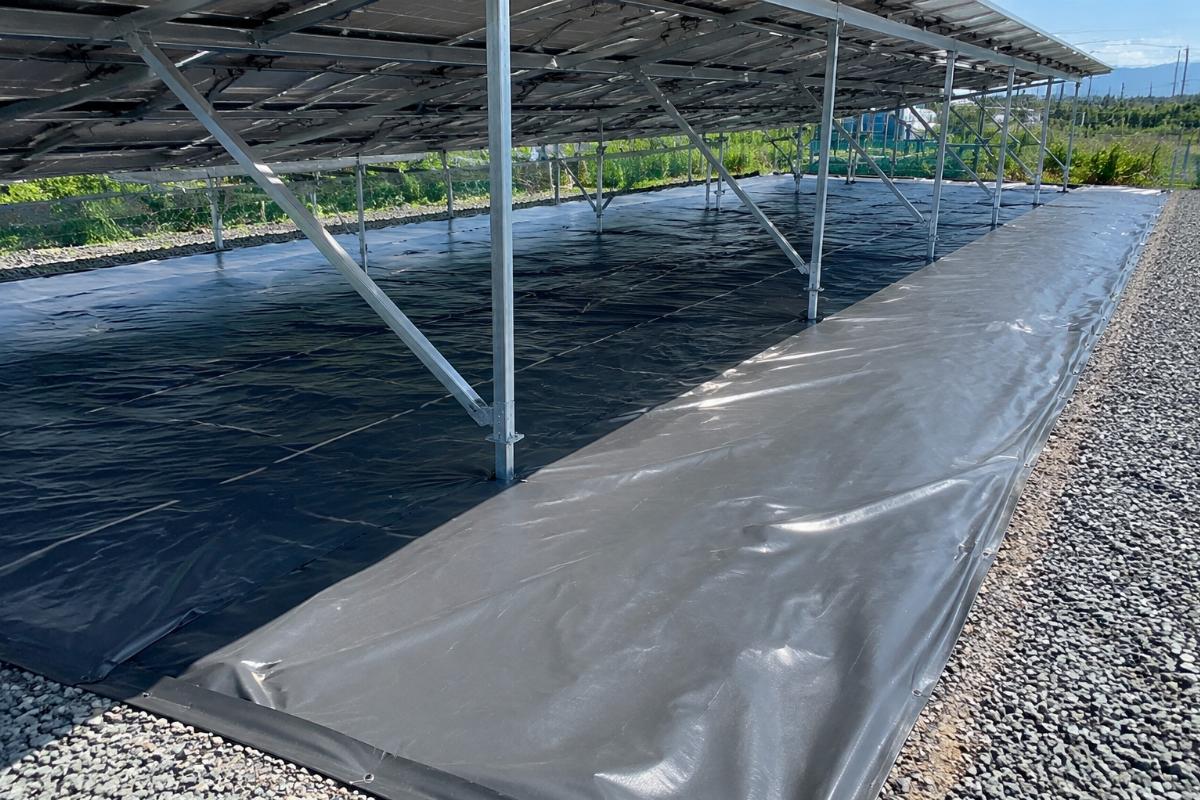
For solar panel ground mounting projects, selecting high-quality dedicated PVC tarpaulin with built-in weed barrier and surface protection functions directly cuts long-term operational costs and extends the full system service life, while professional Chinese suppliers can deliver customized solutions aligned with actual on-site project demands.
As someone who has supported over 30 large-scale solar ground mounting procurement projects across Europe, the Middle East and Asia over the past 7 years, I have seen first-hand how small oversights in tarpaulin selection can push a project’s 10-year total cost of ownership 20% higher than planned. [NEED_CITE: 10-year total cost of ownership comparison model for different weed barrier materials for solar ground mounting]
Now let’s break down the clear, actionable steps to select the right product and supplier for your specific project requirements.
What core indicators should you check first when selecting PVC tarpaulin for solar panel ground mounting?
Anti-UV grade, anti-seepage performance and size adaptability are the three non-negotiable primary indicators that directly determine product service life at your project site. Many procurement teams prioritize thickness as the first screening metric, but this only correlates loosely with actual performance, as different production processes can produce the same thickness with vastly different raw material densities and anti-UV additives.
| Evaluation Factor | Common Misleading Practice | |
|---|---|---|
| Performance Prioritization | Sort products first by thickness only | Sort products first by anti-UV rating and density index, then cross-check thickness |
| Quality Verification | Rely only on visual sample inspection | Request 5-year outdoor exposure test report and anti-seepage test data [NEED_CITE: Dedicated PVC tarpaulin has 3 times higher anti-seepage performance under continuous heavy rain than general woven tarps] |
| Size Matching | Cut standard roll sizes on site after delivery | Request custom pre-cut sizes aligned with your solar array layout |
A 10,000 sqm utility solar project in Germany adopted 0.5mm thickness custom size PVC tarpaulin as a dedicated weed barrier, cutting on-site weeding labor cost by 70% in the first 18 months of operation, with zero visible degradation after 3.5 years of continuous exposure to central European climate conditions.
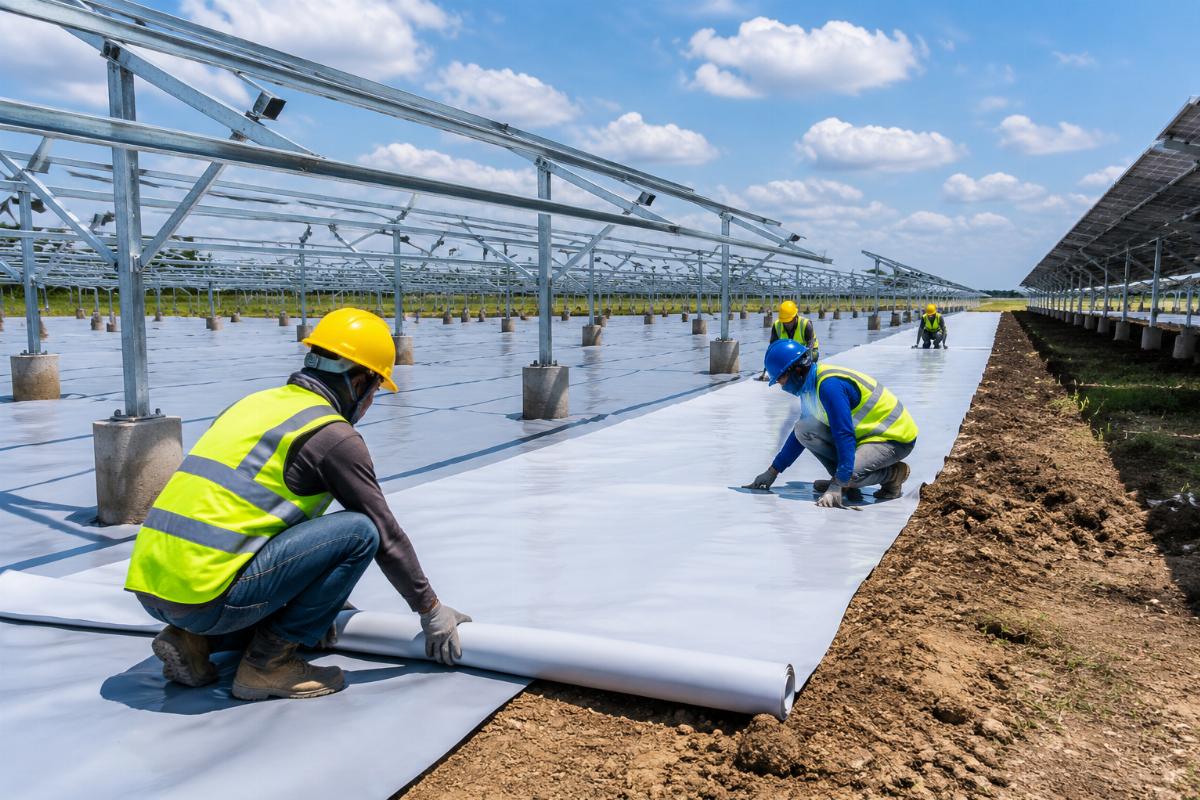
- Anti-UV Rating Confirmation – Require suppliers to provide test data aligned with your region’s annual sunshine hours, not generic product descriptions.
- Anti-seepage Test Request – Ask for third-party test results for continuous 72-hour heavy rain simulation to confirm performance meets your local precipitation level.
- Layout Alignment Check – Map your solar array spacing to confirm custom cut sizes will reduce on-site waste and installation time.
Can common general tarpaulin on the market meet the weed barrier demand for solar ground mounting?
Nearly all general commercial tarps cannot meet the 5+ year stable performance requirement for long-term outdoor solar ground mounting exposure, only dedicated formula PVC tarpaulin engineered for this use case delivers consistent results. Many project teams attempt to cut upfront costs by substituting generic canvas or woven tarps, but the hidden replacement and labor costs usually exceed the initial savings within 2 years.
| Tarpaulin Type | Typical Performance Gap | Dedicated PVC Tarpaulin Advantage |
|---|---|---|
| General Canvas Tarp | Fraying and rot within 18 months under UV exposure | Stabilized anti-UV formula supports 5+ year outdoor service life |
| Standard Woven PE Tarp | 70% higher seepage rate under heavy rain | 3 times higher anti-seepage performance [NEED_CITE: Anti-seepage performance comparison between dedicated solar PVC tarpaulin and general woven tarps] |
| Low-cost Uncertified Tarps | 65% higher post-delivery replacement rate | Full certification only adds 8% to upfront cost while cutting replacement rate by 65% |
A regional solar equipment distributor serving small and medium local projects tested 4 different general tarp types over 12 months before switching to dedicated solar PVC tarpaulin, and reported a 58% drop in after-sales service requests related to ground cover failure after the switch.
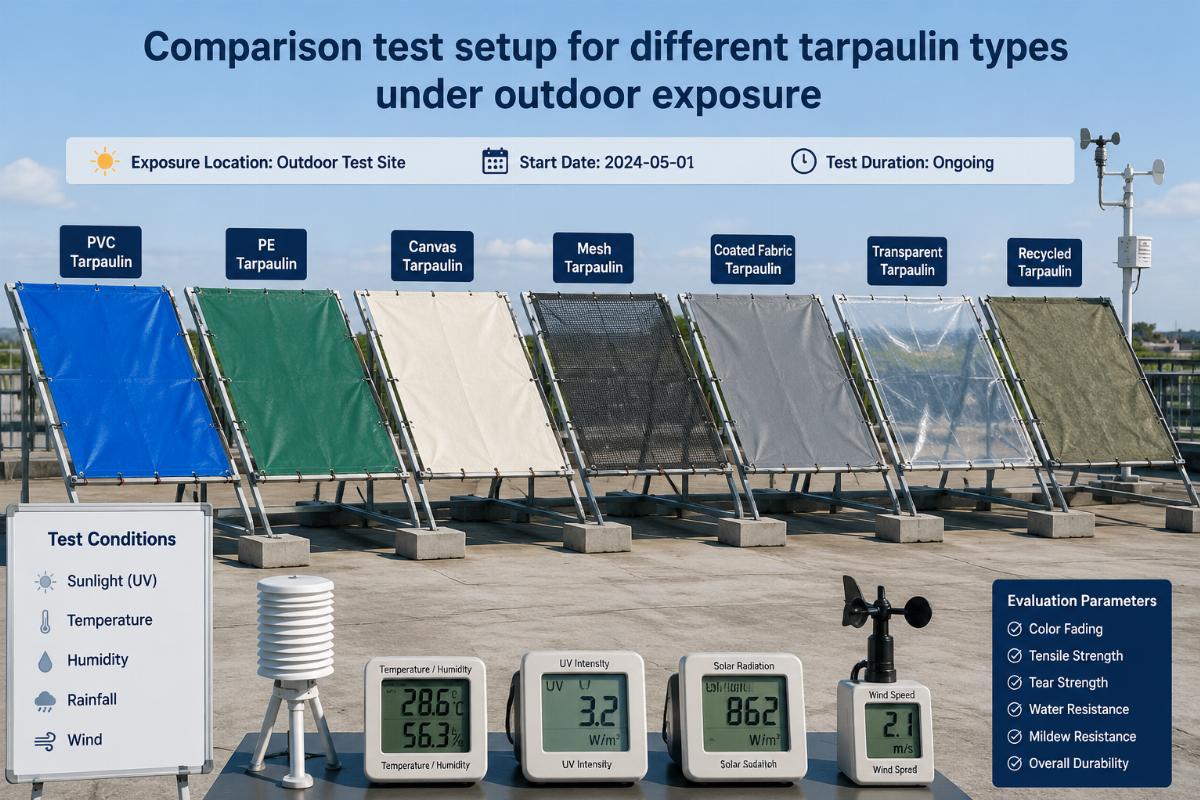
- Substitution Rule Confirmation – Rule out all generic tarps not explicitly formulated for solar ground mounting use to avoid hidden failure risks.
- Certification Check – Verify full ISO and CE certification for products, not just individual test items.
- Pilot Test Arrangement – Run a 3-month on-site pilot of selected materials before committing to full bulk orders.
How to confirm whether the supplier can provide products meeting local project compliance requirements?
You must verify complete sets of test reports and official certification documents in advance, rather than only relying on physical product samples to assess compliance. Many suppliers can provide visually similar samples that do not carry the required regional certification, which can lead to project acceptance delays or even non-compliance penalties.
| Compliance Step | Common Risky Practice | Standard Compliance Process |
|---|---|---|
| Document Collection | Ask for only one certification document | Request full set of region-specific construction material compliance documents for EU or Middle East markets |
| Supplier Qualification | Check only product samples | Cross-reference document numbers with issuing authority databases to confirm validity |
| Delivery Guarantee | No written compliance commitment in contract | Add a clear clause confirming no additional compliance related costs after delivery |
A 30,000 sqm PVC tarpaulin order for a centralized solar ground mounting project in Saudi Arabia was completed and delivered within 12 working days, with full pre-shipment QC inspection and all required regional compliance documentation provided 3 working days before delivery to eliminate site acceptance delays.
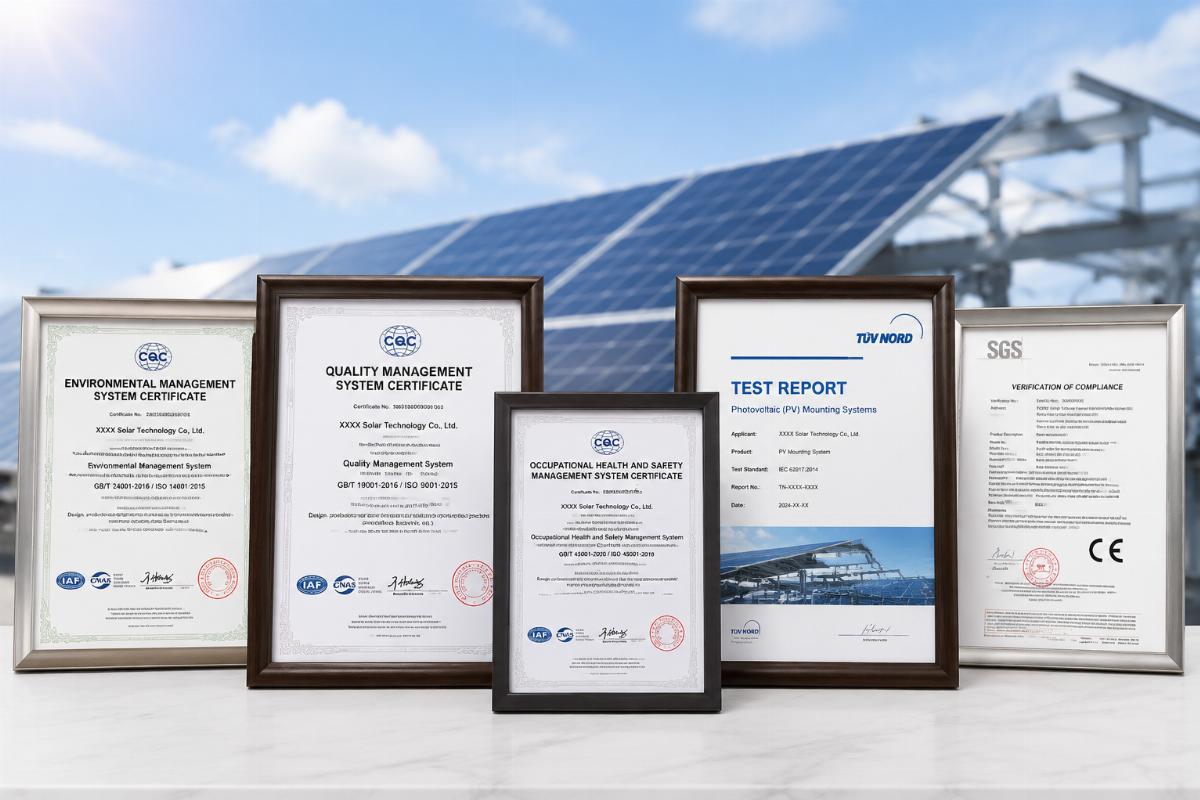
- Regional Standard Matching – Confirm the supplier’s existing certification covers the specific compliance standards required for your project’s location.
- Pre-delivery QC Confirmation – Require a full pre-shipment QC report before goods leave the factory.
- Delivery Timeline Alignment – Confirm the supplier’s stated delivery timeline includes buffer for documentation review and approval.
What is the reasonable cost range and delivery cycle for bulk PVC tarpaulin purchase for large-scale solar projects?
Qualified compliant PVC tarpaulin for solar ground mounting typically costs 0.8 to 1.2 USD per square meter, and delivery cycles for orders under 50,000 sqm usually range from 10 to 15 working days. Prices far below this range almost always indicate missing certification or substandard raw materials, while prices far above rarely deliver proportional performance gains. Shandong Jinxiang Technology, a specialized Chinese manufacturer with nearly 30 years of production experience, provides factory direct PVC tarpaulin products with full ISO and CE certification, supports 7-day fast sample making and 24-hour quotation response for all project inquiries.
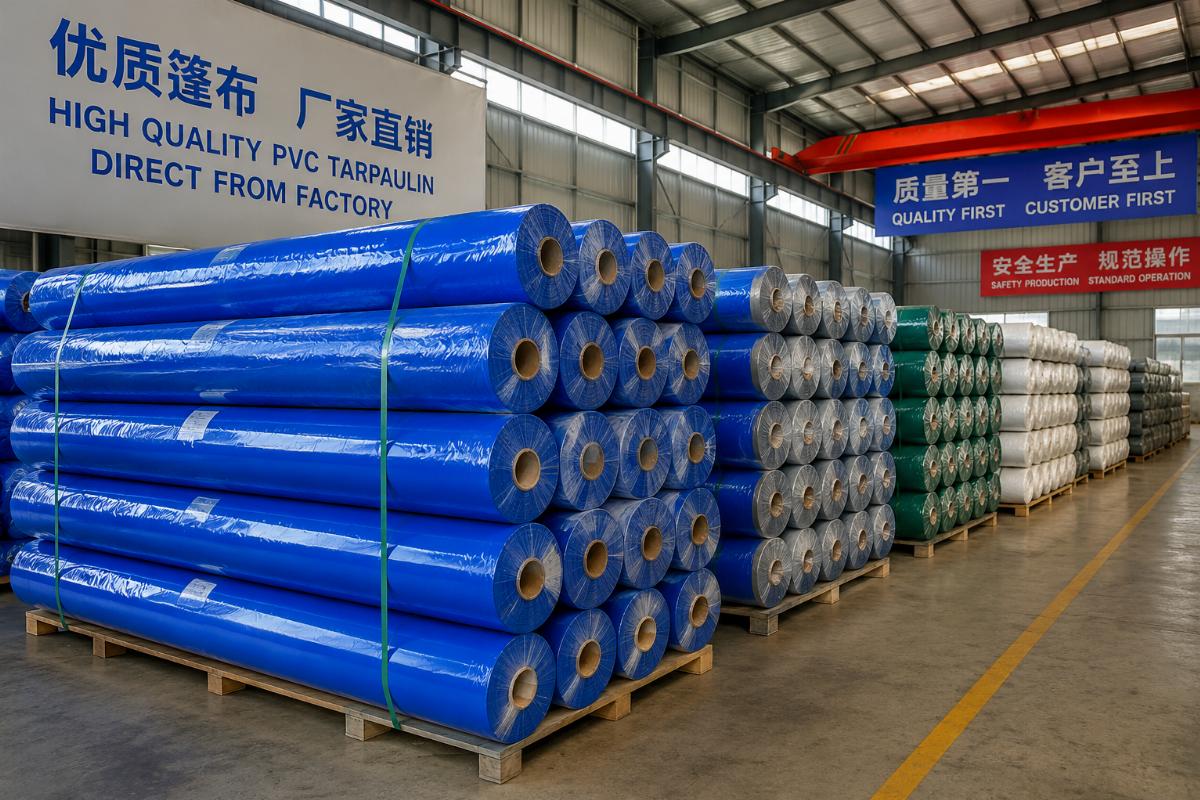
- Cost Benchmark Reference – Use the 0.8 to 1.2 USD per square meter range as a baseline to filter out obviously under or overpriced offers.
- Order Size Matching – Confirm delivery timelines are explicitly tied to your specific order volume to avoid delayed delivery.
- MOQ Negotiation – Prioritize suppliers with flexible MOQ support to accommodate both large bulk orders and small scattered project requirements.
Conclusion
Selecting reliable PVC tarpaulin for solar ground mounting is never about chasing the thickest or cheapest option, it is about matching material specifications to local climate and choosing suppliers with verified compliance and delivery capabilities. Overlooking this core logic will almost always lead to higher long-term costs and unexpected project delays, even if upfront purchase prices appear competitive. The combination of clear performance metrics, verified supplier qualification and climate-aligned material matching will consistently deliver the lowest total cost of ownership over the full project lifecycle.