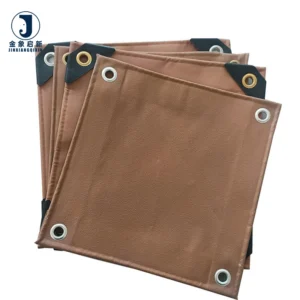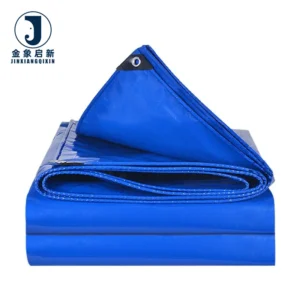
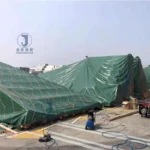
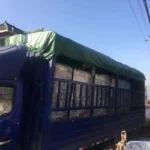
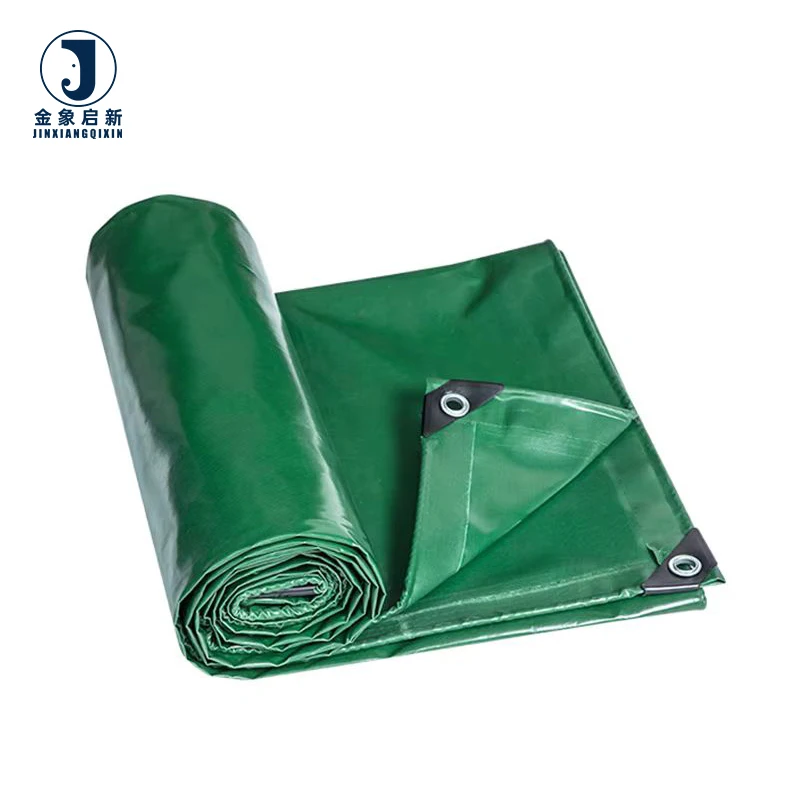
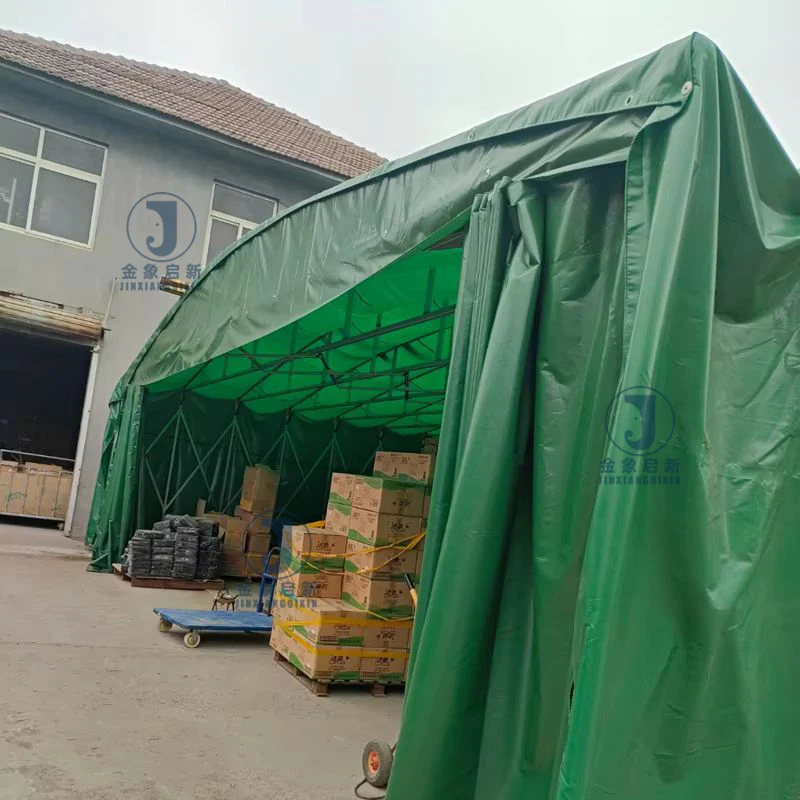
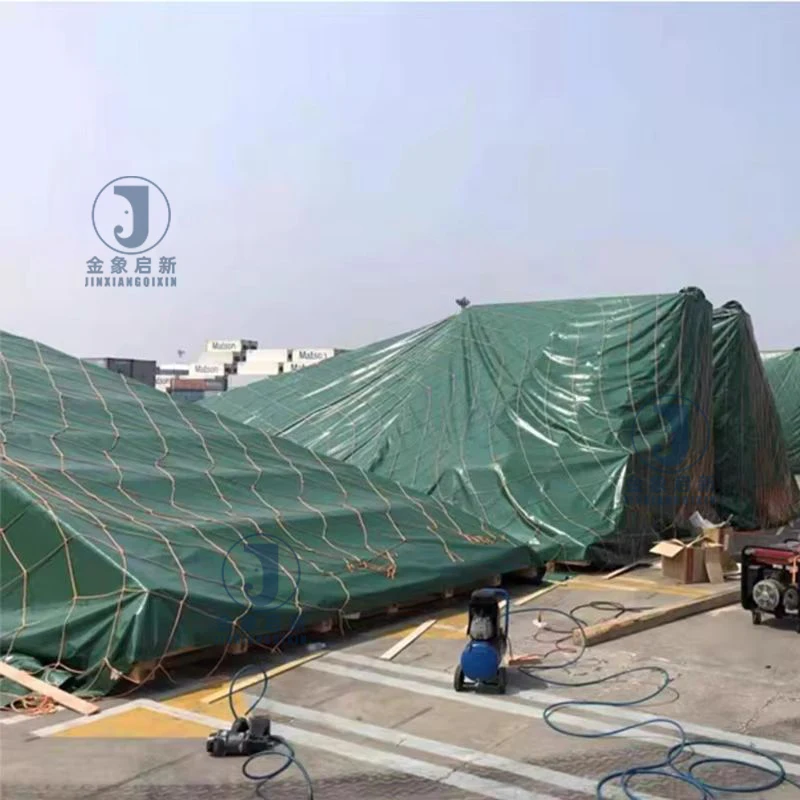
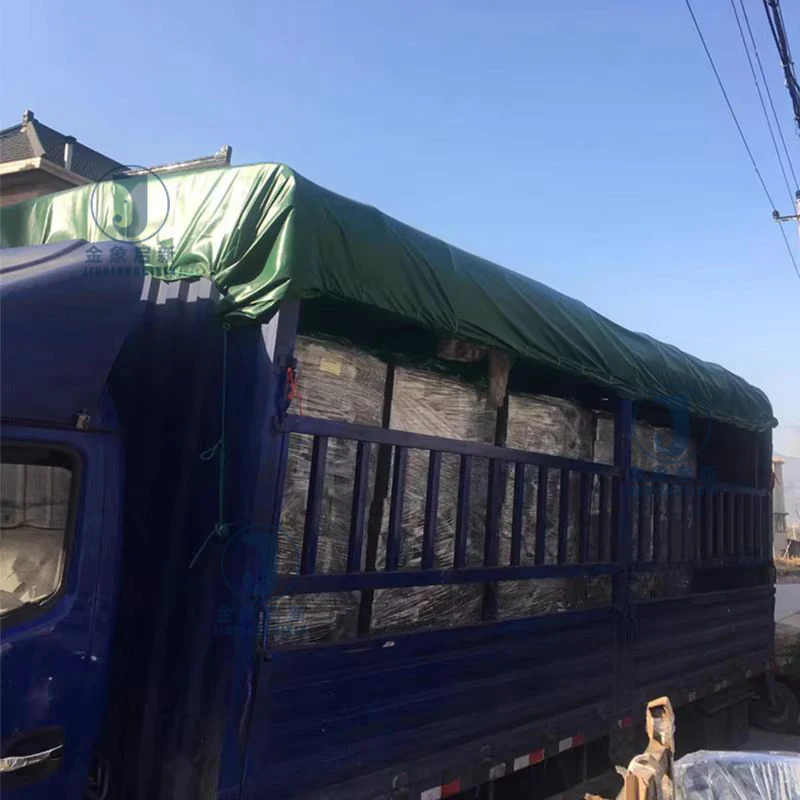
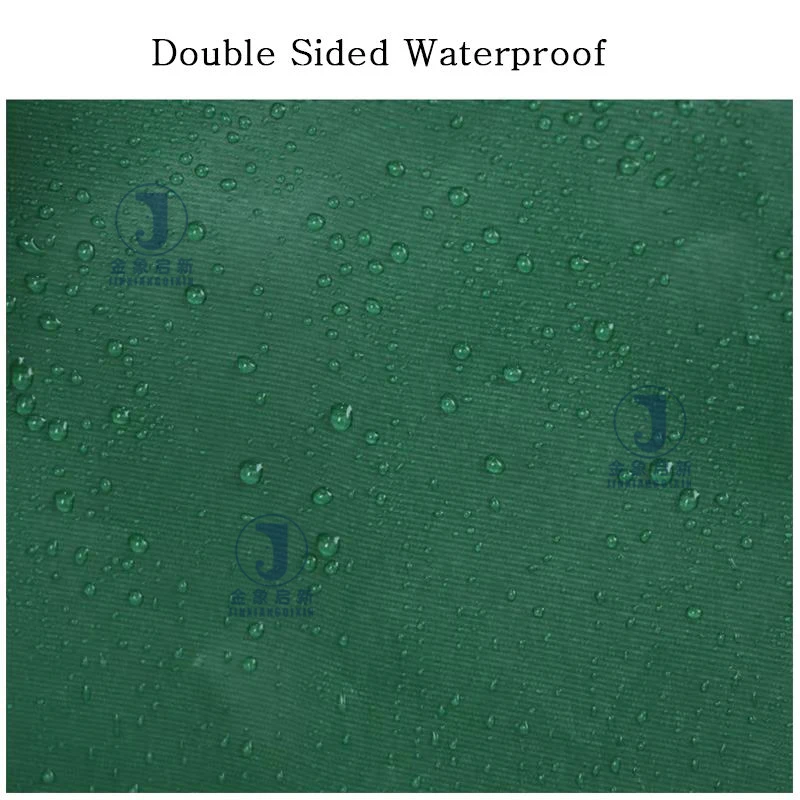
Coating Consistency Control — Every roll of 620gsm PVC Coated Tarpaulin for Membrane Structure and Stadium Roof is weighed and measured against the specification sheet before dispatch, ensuring the GSM you ordered is the GSM you receive.
Technical Specifications
| Parameter | Value |
|---|---|
| Product Type | PVC Coated Fabric |
| Weight | 620gsm |
| Coating Material | PVC |
| Base Fabric | 100% high toughness polyester yarn |
| Yarn Denier | 1000D |
| Coating Technology | Lamination and hot melt coating |
| Total Thickness | 0.70–1.0 mm |
| Tensile Strength (Warp) | 2000–2500 N/5cm |
| Tensile Strength (Weft) | 1800–2200 N/5cm |
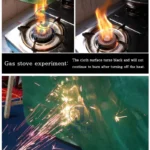
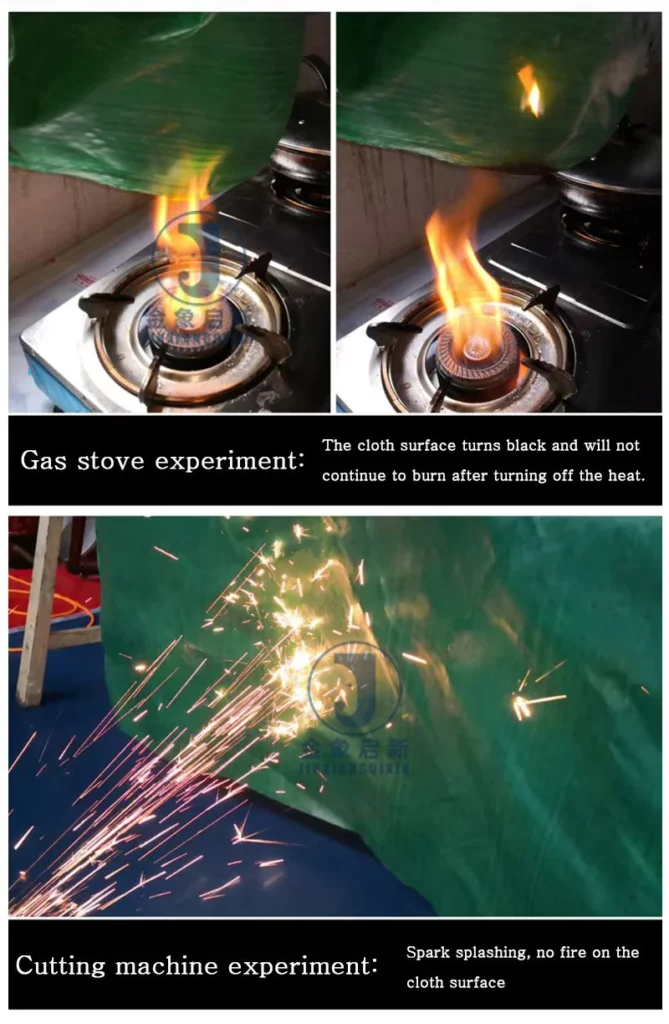
| Flame Retardant | Available in flame retardant grades — confirm the grade required for your market |
| Anti-Static | Available with anti-static treatment — confirm surface resistance standard per project |
| Cold Resistance | Cold resistant cracking formulation |
| Anti-Mildew | Mold proof |
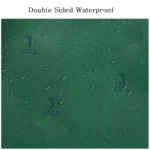
| Waterproof | Fully waterproof coated construction |
| Weather Resistance | Suited to extended outdoor exposure |
| Color Fastness | High color fastness rating |
| Certification | ISO, CE |
Application Suitability
| Application | Exposure & Requirement |
|---|---|
| Stadium roof membrane | Sustained tension loads, UV and weather exposure, high tensile demand at anchor points |
| Architectural tensile structure | Biaxial stress under wind uplift, long-term weathering, weld seam integrity at panel joints |
| Inflatable and air-supported structure | Internal air pressure flex, repeated inflation cycles, puncture and abrasion risk |
| Industrial pipe canopy | Chemical and particulate fallout, thermal cycling, water ingress prevention |
Why Flame Retardant Claims Fail at the Site Gate
When a membrane structure contractor submits fabric for building approval, the inspector asks for a fire classification test report — not a datasheet that says "flame retardant." Without a named standard such as DIN 4102 B1 or NFPA 701, the material cannot be signed off, and the entire installation stalls. PVC Coated Membrane Structure Fabric manufacturer documentation must match the compliance framework your local authority requires.
Specify the fire standard before production starts, and confirm it on the test report shipped with your rolls.
I have seen membrane projects delayed for weeks because the fabric arrived with a generic flame retardant statement that the building inspector rejected on the spot. The cost is not just the re-test — it is the crane rental, the crew standing idle, and the contractual penalty clock running. [NEED_CITE: DIN 4102 fire classification for building materials] The gap between "treated for flame retardancy" and "tested to a recognised classification" is where most compliance failures originate.
Hot Melt Coating Adhesion for Tensioned Panels
Membrane structures place sustained biaxial loads on every square metre of fabric. The bond between the PVC coating and the 1000D polyester base yarn must resist delamination under continuous tension and thermal cycling. Hot melt coating technology achieves a direct molecular bond during the lamination stage, which gives the PVC Coated Membrane Structure Fabric manufacturer the ability to deliver coating adhesion that holds through years of structural flex. This matters most at the weld seams, where the coating is re-melted and re-bonded during fabrication.
Weld Seam Integrity Under Structural Load
The most common failure point in a tensioned membrane is not the body of the fabric — it is the welded seam where two panels join. When the seam is heated, the PVC layers fuse, but the underlying polyester yarn carries the actual load transfer. If the base fabric denier or weave density is insufficient, the yarn can pull through the softened coating at the weld edge. The 1000D yarn in this 620gsm fabric provides the mechanical anchorage needed for reliable hot-air or high-frequency welding, so the seam fails at or above the fabric’s own tensile rating rather than below it. [NEED_CITE: tensile and tear test methods for coated fabrics per ISO 1421]
Reading the Spec Sheet Beyond GSM
GSM tells you the total weight per square metre, but it does not tell you how that weight is distributed between base fabric and coating. Two fabrics can both read 620gsm yet perform very differently if one uses a heavier coating over a lighter yarn and the other reverses that ratio. The 1000D polyester base here provides a high yarn count that contributes directly to tensile and tear values, while the lamination and hot melt coating adds the waterproofing, UV shielding and surface durability. Thickness in the 0.70–1.0 mm range reflects the combined build of coating and base, which influences both handling stiffness and puncture resistance during installation. Tensile strength figures of 2000–2500 N/5cm in the warp direction indicate the fabric can sustain the pre-tension forces typical in large-span membrane roofs without permanent elongation.
What Happens When the Coating Weight Is Wrong
A membrane panel cut and welded to exact dimensions will still fail if the coating adhesion is weaker than specified. At the flex points — typically where the fabric meets the cable or clamp — the coating can separate from the base yarn under cyclic wind loading. I have seen heavy-grade coated rolls fail at the weld line because the coating bond was insufficient for the tension specified by the structural engineer. [NEED_CITE: coating adhesion failure modes in architectural membrane fabrics] Once delamination starts, water enters the base fabric layer, mold forms, and the visual appearance of the membrane degrades from the inside out. The repair cost on an installed stadium roof far exceeds the price difference of sourcing verified material in the first place.
Why Specialist Fabricators Source Here
Three full production lines and 36 sets of professional equipment mean this 620gsm membrane fabric runs on dedicated coating lines rather than being squeezed between commodity tarpaulin batches, which protects coating weight consistency roll to roll. A 10-person R&D team handles custom width, colour and treatment formulation, developing samples within days so you can validate weld parameters and colour match before committing to a full project volume. Every roll passes dedicated QA and QC checkpoints with 100 percent pre-shipment inspection, and the inspection record ships with the documentation package. Coating process control built over nearly three decades of PVC fabric production gives this PVC Coated Membrane Structure Fabric manufacturer the depth to hold tight tolerances on GSM, thickness and colour across large orders.
Documentation & Verification
- Material specification sheet stating 620gsm, 1000D base yarn, coating method and exact colour reference
- Flame retardant and anti-static test reports matched to the compliance standard your project specifies
- Pre-shipment inspection record confirming roll-by-roll weight and dimension checks
- ISO and CE certificates included in the shipping documentation package
- Certificate of origin and customs documentation for cross-border membrane project supply
Fabrication, Handling & Storage
- Hot-air weld temperature and speed must be calibrated to the 620gsm coating thickness before panel production
- High-frequency welding suits the hot melt PVC coating for clean, burr-free seams on curved membrane panels
- Store rolls upright on pallets to prevent flat-spot deformation of the 1000D polyester base fabric
- Allow cold-stored rolls to reach ambient temperature before unrolling to avoid coating crack on the 620gsm membrane fabric
- Use PVC-compatible solvent cleaners only to protect the mold proof and anti-static surface treatment
What We Need to Quote Your Project
To move from enquiry to sample, provide the membrane structure type and approximate panel dimensions so we can recommend roll width and length. Confirm the fire classification and anti-static standard your local building code or site safety plan requires, along with the project colour specification. Let us know whether you need fabric supply only or if you also require custom cut-to-panel sizing with welded hems.
Frequently Asked Questions
Q: Which flame retardant grades are available for membrane structure projects?
A: The fabric can be produced with flame retardant treatment matched to standards such as DIN 4102, NFPA 701 or local building code classifications. Specify the required grade at enquiry stage so the correct formulation is applied and the matching test report is included with your shipment documentation.
Q: Can anti-static treatment meet mining and specialist structure requirements?
A: Anti-static treatment is available with surface resistance levels suited to air-supported structures and ventilation environments. Provide the target surface resistance value or the compliance standard your project references, and we will confirm formulation and supply the supporting test data.
Q: How do you verify GSM accuracy before dispatch?
A: Every roll is individually weighed and measured during the 100 percent pre-shipment inspection. The actual GSM, thickness and dimensions are recorded on the inspection report and compared against your order specification before the rolls are released for packing and dispatch.
Q: What is the process for developing a custom sample?
A: Share your required width, colour, treatment grade and any project-specific performance criteria. The R&D team prepares a sample roll within days, which you can use to validate weld parameters, colour approval and mechanical performance before authorising full production.
Q: How is colour consistency maintained across a large membrane project order?
A: All rolls for a single project are produced in the same coating run using a single colour batch formulation. Roll-to-roll colour is checked under standardised lighting during pre-shipment inspection, and the colour reference is recorded on the packing list for your quality file.