

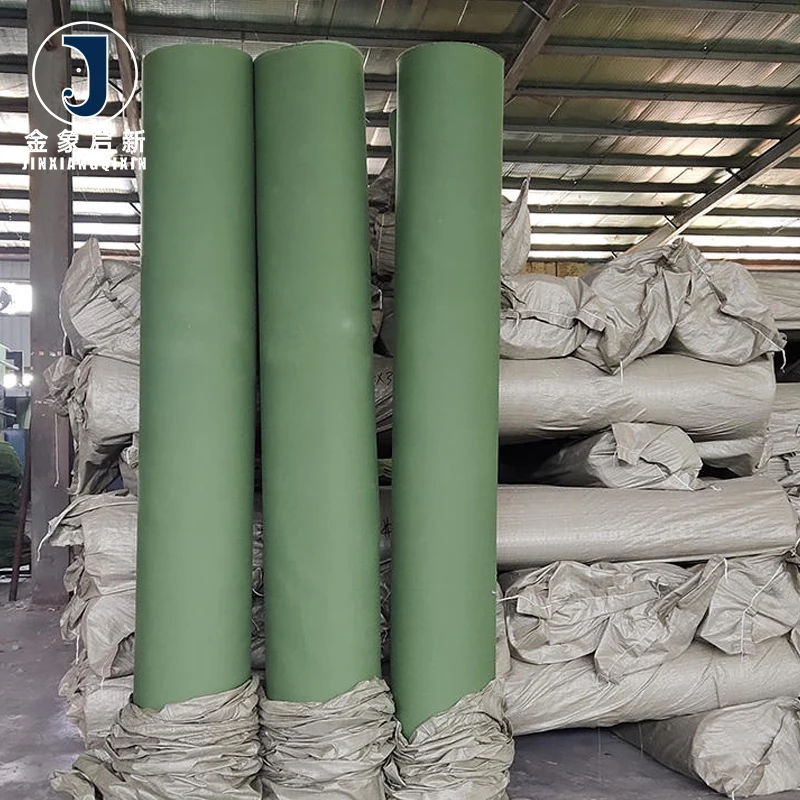
Engineered for Compliance — Every duct fabric we ship carries documented fire-retardant and anti-static test results matched to your site’s regulatory framework, developed by a 10-person R&D team with nearly three decades of coated fabric expertise.
Technical Specifications
| Parameter | Value |
|---|---|
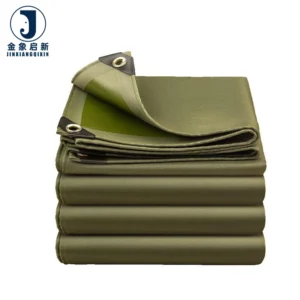
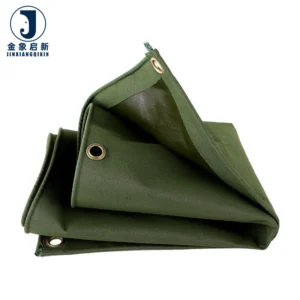
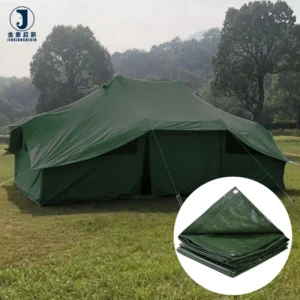
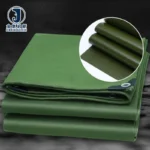
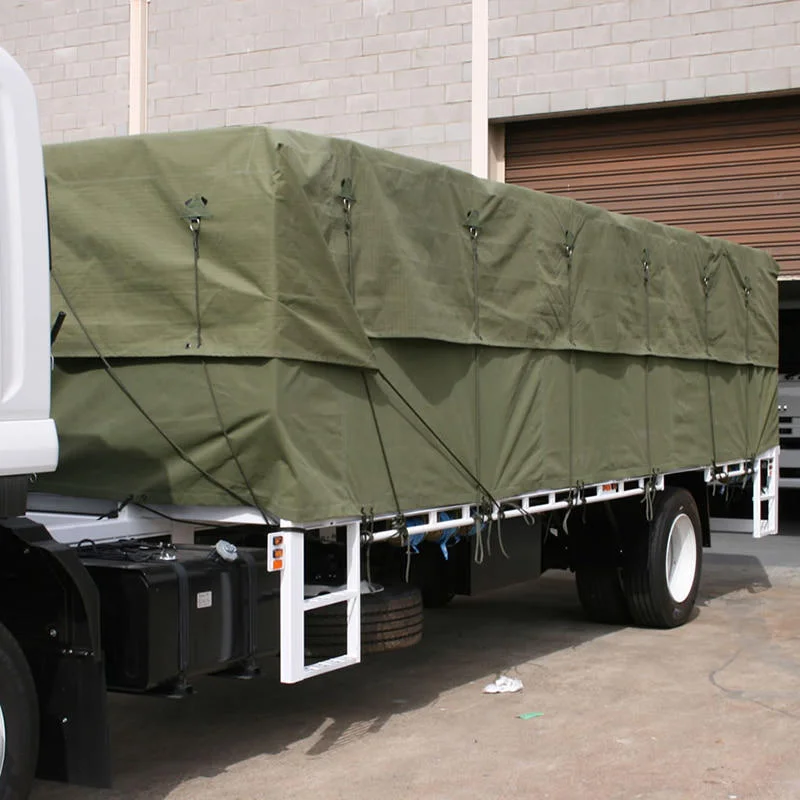
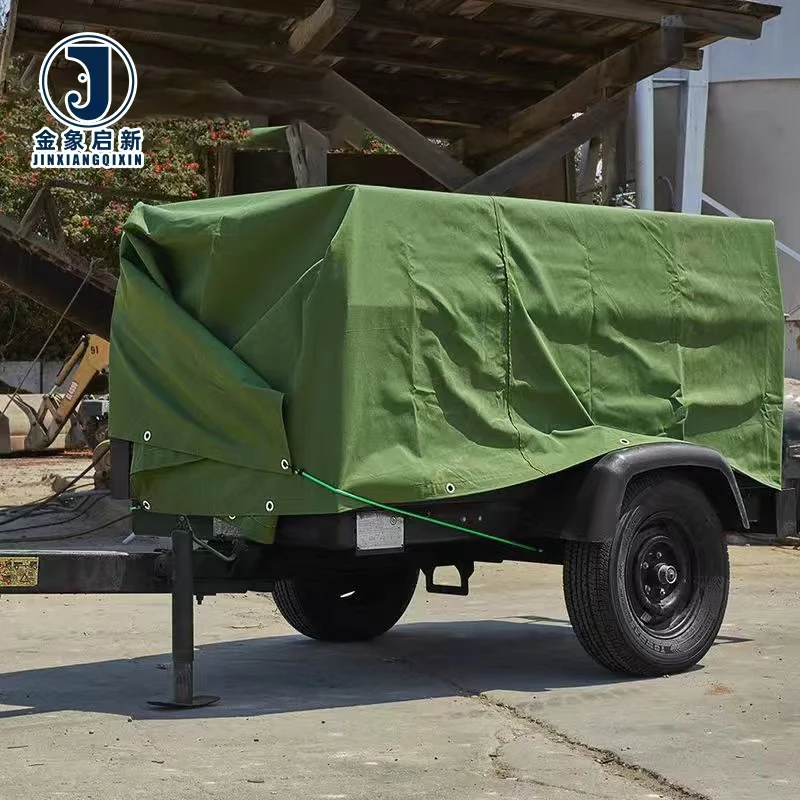
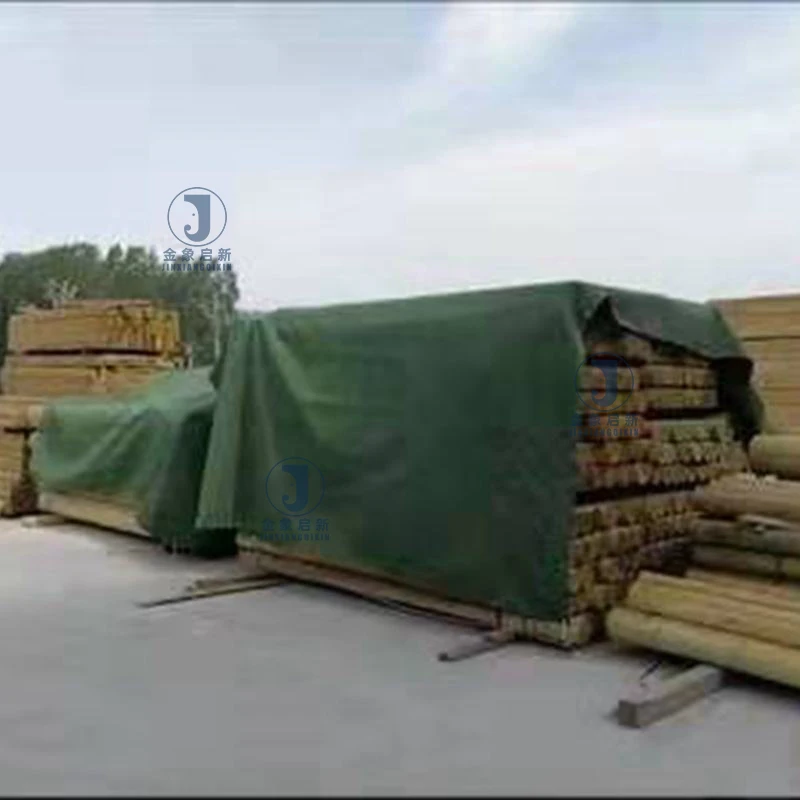
| Product Type | Canvas Tarpaulin Truck Cover |
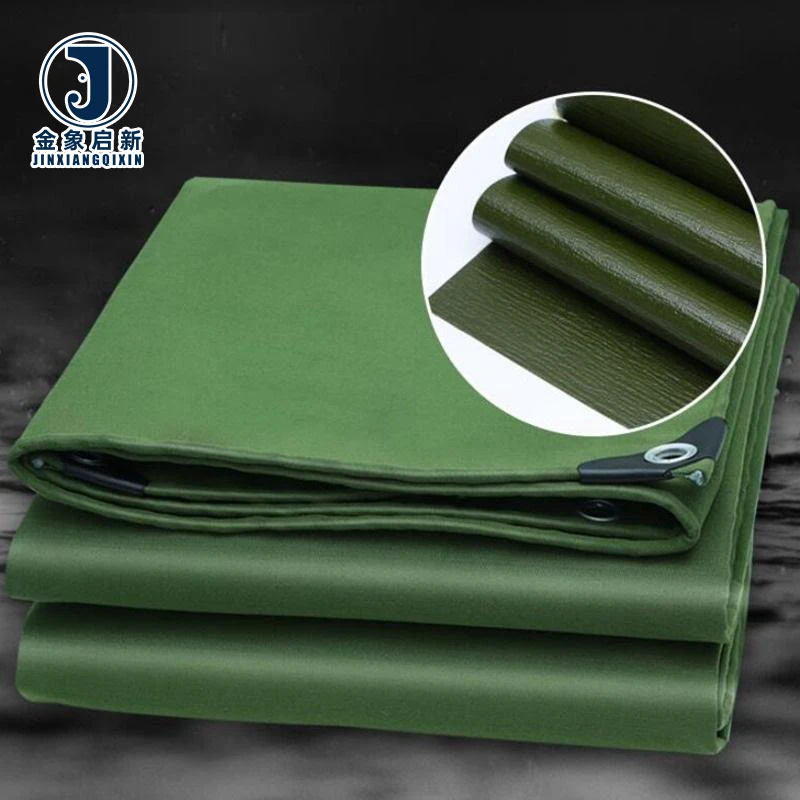
| Material | Silicone canvas tarpaulin |
| Weight Range | 250gms–600gms (confirm the grade for your application) |
| Width | 0.2m–0.4m |
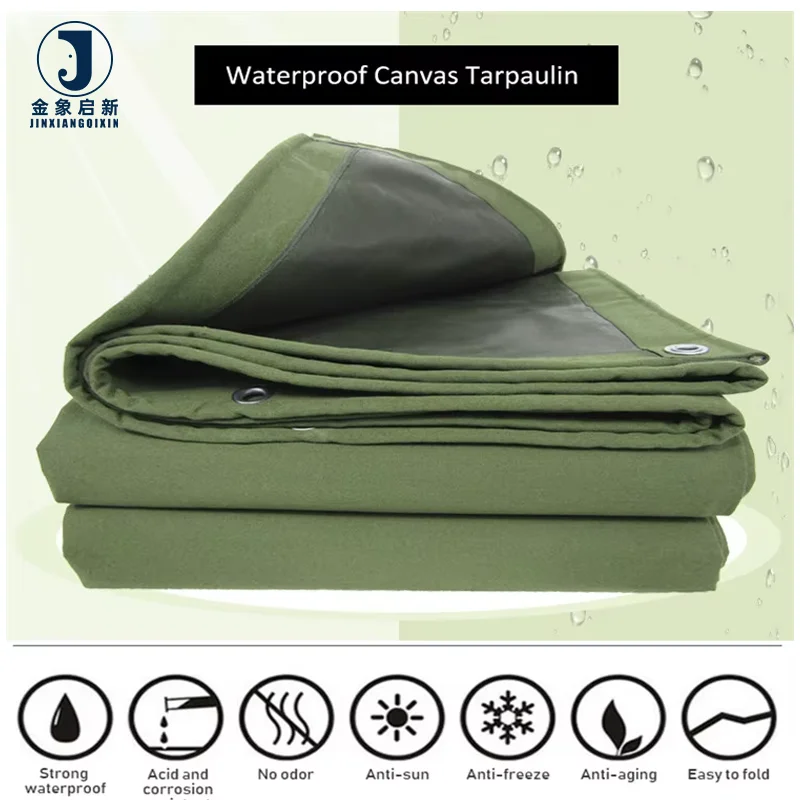
| Characteristic | Waterproof, wear-resistant, scratch resistant, tensile resistant |
| Custom Options | Edge wrapping, punching, buttonhole, size |
| Color | Customizable |
| Standards | ISO, CE (certification documentation included with dispatch) |
Application Suitability
| Application | Exposure & Requirement |
|---|---|
| Mining ventilation duct systems | Continuous flexing, rock dust abrasion, mandatory fire-retardant and anti-static compliance |
| Tunnelling forced-air ducting | Confined-space fire safety standards, high-velocity airflow, mechanical damage from equipment movement |
| Aviation ground support ducts | Fuel-zone proximity, strict flame-spread limits, repeated deployment and retraction |
| Inflatable and membrane structures | Wind load stress on welded seams, UV exposure on external membranes, structural air retention |
| Temporary industrial enclosures | Dust containment, thermal separation, rapid deployment and teardown cycles |
What "Fire Retardant" Means Without a Test Standard Attached
A fire-retardant claim only holds value when it names the standard and grade verified by an accredited laboratory.
On mining and tunnelling sites, procurement teams routinely receive ventilation duct fabric described simply as "flame resistant" with no test report to back it up. When site safety auditors request documentation, the absence of a recognised classification — DIN 4102, NFPA 701, or an equivalent — can halt operations until compliant material arrives [NEED_CITE: fire-retardant classification systems for ventilation ductwork in underground mining]. The cost of that delay far exceeds the original fabric order. We see this pattern most often when duct fabric is sourced from suppliers who treat fire retardancy as a marketing checkbox rather than a verified engineering property.
Compliance Starts with the Correct Standard
Industrial ventilation duct fabric must satisfy different regulatory frameworks depending on the operating environment and jurisdiction. Mining operations in Australia follow distinct flame-spread and anti-static protocols compared to tunnelling projects governed by European norms. When specifying Canvas Truck Tarp Cover or duct membrane material, the buyer must identify the exact standard required — M2, B1 per DIN 4102, NFPA 701, or a site-specific mining code — before placing an order. Jinxiang Tech works with you to confirm the applicable standard and supplies fabric only in grades that carry a matching test report.
Anti-Static Performance Where Spark Ignition Is a Real Threat
In underground environments, static charge accumulation on duct surfaces can ignite suspended particulates or methane pockets. Anti-static treatment is not an optional upgrade; it is a baseline requirement enforced by mine safety regulators across most jurisdictions [NEED_CITE: anti-static surface resistance thresholds for underground ventilation ducts]. Our technical team verifies the surface resistivity of each batch against the threshold mandated by your site’s safety plan. The test certificate travels with the shipment, not buried in a follow-up email weeks later.
Reading Between the Numbers on the Data Sheet
Weight range from 250gms to 600gms spans the difference between temporary lightweight ducting and heavy-duty mining ventilation that must withstand sustained positive pressure and physical abuse. Higher GSM generally correlates with a denser base fabric and thicker coating, which together improve tear propagation resistance and weld seam integrity. However, a 600gms fabric with poor coating adhesion will delaminate at the weld line faster than a well-bonded 400gms grade — making the coating method and peel strength more critical than weight alone. Silicone-coated canvas construction delivers waterproof performance and abrasion resistance, but the specific weave density of the base fabric determines how tears behave once initiated. Edge wrapping, punching, and buttonhole reinforcement address the concentrated stress at duct joints and mounting points, which are the most common failure locations in field installations.
The Real Cost of Overlooking a Single Specification Line
When duct fabric arrives on site without the anti-static certification the safety plan demands, the entire duct run sits uninstalled while procurement scrambles for documentation or a replacement order. Similarly, fabric cut to generic dimensions that ignore the actual duct diameter and junction geometry produces excess material at every joint — material that flaps, catches debris, and tears under airflow pulsation [NEED_CITE: duct fabric failure patterns linked to dimensional mismatch at junction points]. Colour inconsistency between rolls in the same order matters less underground than it does on membrane structures, where panels installed side by side reveal banding that triggers client rejection. Each of these failures traces back to a specification that was either missing, assumed, or not verified before dispatch.
Why Sourcing Duct Fabric Through Jinxiang Tech Works
Our three full production lines and 36 sets of professional equipment allow us to run dedicated batches for your duct project without competing against standard tarpaulin orders for line time. The 10-person R&D team handles material selection, custom sizing, and sample development for specialist applications — including ventilation duct configurations that require specific fire-retardant or anti-static grades. Dedicated QA/QC operates at every production stage, with 100% inspection before shipment catching coating weight deviations and dimensional errors before they reach your site. Samples are developed within days for custom requirements, so you can verify weight, coating adhesion, and weld behaviour before committing to a production run. ISO and CE certified processes underpin every order, and documentation packages are assembled to match the compliance framework of your destination market.
Documentation & Verification
- Weight verification per roll against the stated 250gms–600gms range before dispatch
- Fire-retardant test report citing the specific standard matched to your destination market
- Anti-static surface resistance test certificate for mining and tunnelling site compliance
- Pre-shipment inspection record confirming coating adhesion and dimensional accuracy
- ISO and CE certificates included with every shipment
- Certificate of origin and customs documentation prepared per destination country requirements
Fabrication, Handling & Storage
- Heat-weld silicone canvas tarpaulin within the manufacturer’s recommended temperature window to avoid coating degradation at seams
- Reinforce buttonhole and punching points with edge wrapping to distribute tie-down and mounting loads across the base fabric
- Store rolls horizontally on a flat surface to prevent permanent creasing in the 0.2m–0.4m width format
- Allow cold-stored rolls to reach ambient temperature before unrolling to prevent coating micro-cracking
- Use only pH-neutral cleaners on silicone-coated surfaces to preserve waterproof and wear-resistant properties
- Plan cutting layouts around the roll width to minimise offcuts and welded seams on duct panels
What We Need to Move Your Enquiry Forward
Provide the ventilation duct diameter, run length, and operating pressure so we can recommend the appropriate weight grade within the 250gms–600gms range. Confirm the fire-retardant standard and anti-static threshold your site safety plan mandates. Let us know whether you need raw rolls for your own fabrication or finished panels with edge wrapping, punching, and buttonhole reinforcement to your exact dimensions.
Frequently Asked Questions
Q: What fire-retardant grade does the duct fabric carry and which standard does it meet?
A: The fabric is available in fire-retardant grades aligned with standards including M2, B1 per DIN 4102, and NFPA 701. Confirm the specific standard required by your site’s regulatory framework, and we will supply the matching test report with your shipment.
Q: How is anti-static compliance verified for mining and tunnelling ventilation applications?
A: Each production batch undergoes surface resistivity testing against the threshold specified by your site safety plan. The anti-static test certificate ships with the order, giving your safety team immediate documentation for audits and regulatory inspections.
Q: What weight and thickness options are available for different duct pressure ratings?
A: The range spans 250gms to 600gms, covering low-pressure temporary ventilation through to heavy-duty mining duct systems. Share your operating pressure and duct diameter so we can recommend the grade that balances structural integrity with handling weight on site.
Q: Can duct fabric be supplied with pre-punched eyelets and reinforced hems for site-specific mounting?
A: Yes. Edge wrapping, punching, and buttonhole reinforcement are available as custom options, configured to match your duct joinery and mounting hardware layout. Provide the spacing and reinforcement specification with your enquiry for accurate sampling.
Q: What documentation ships with each order to support site safety audits?
A: Every dispatch includes the material specification sheet, fire-retardant and anti-static test reports where applicable, pre-shipment inspection records, ISO and CE certificates, and a packing list with roll-level traceability for your compliance files.