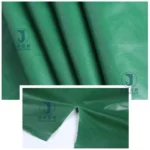
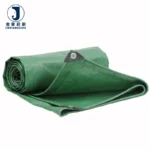
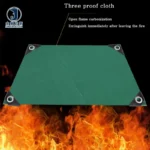
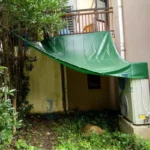
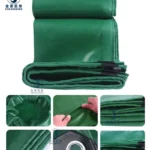
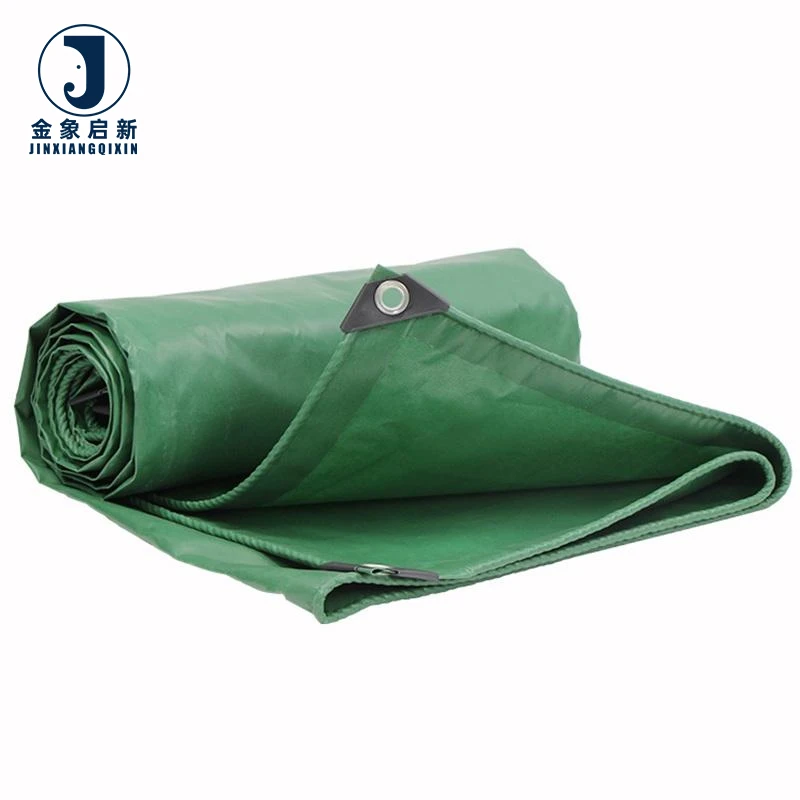
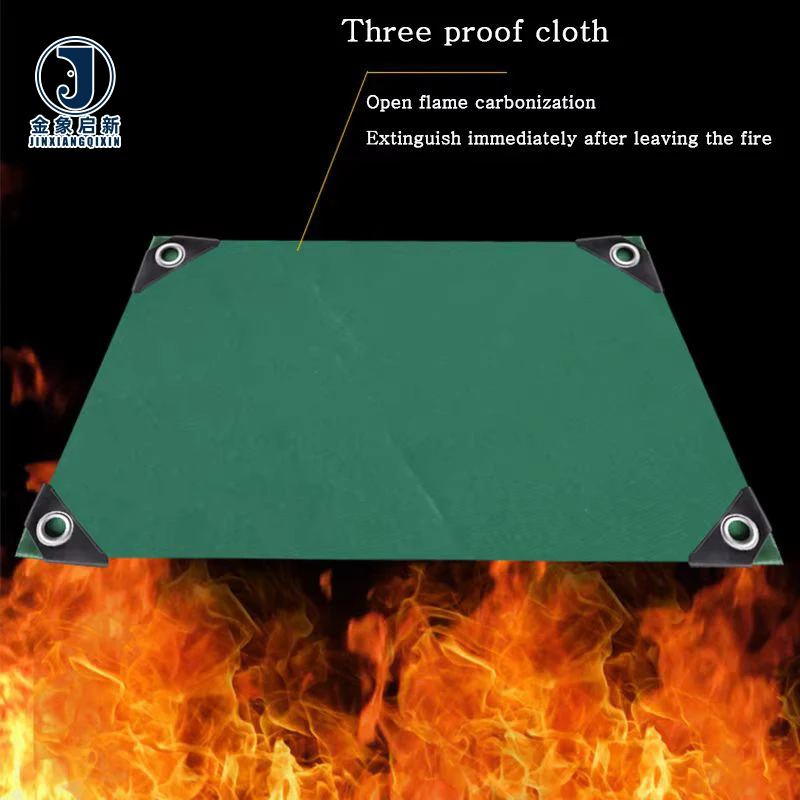
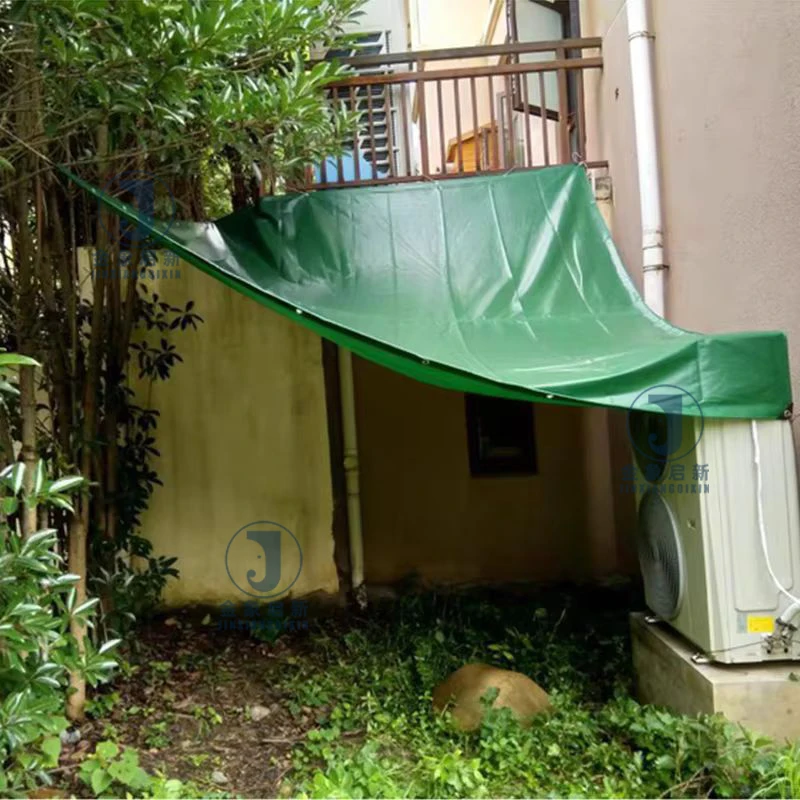
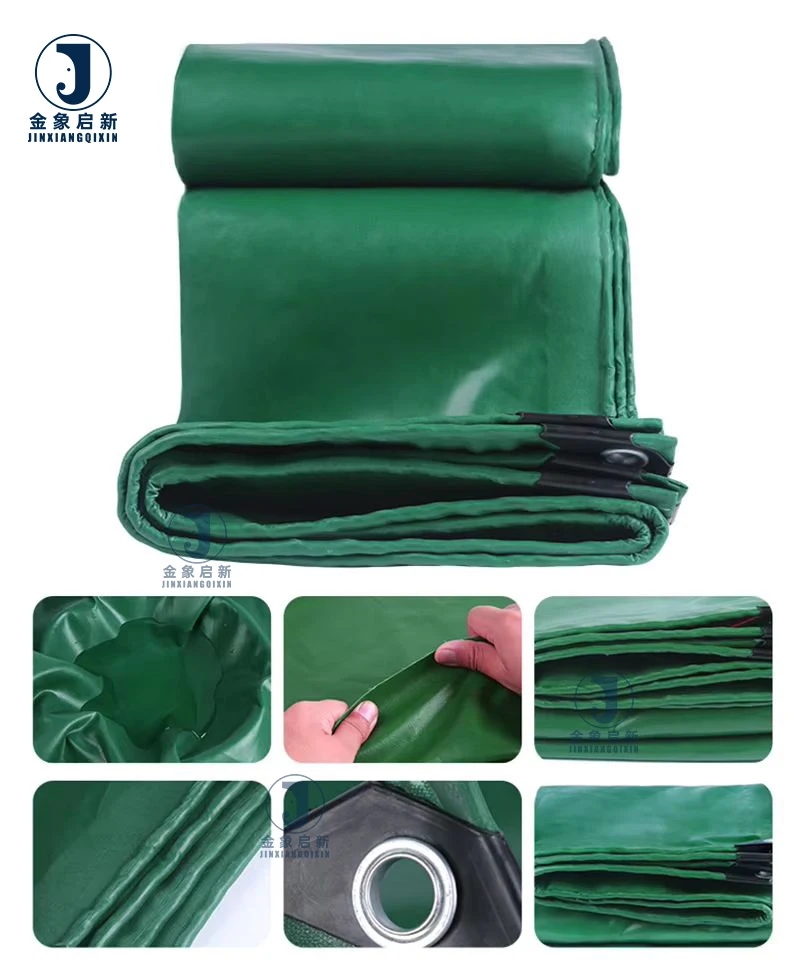
Coating adhesion under thermal stress — each roll of PVC coated fabric undergoes in-process peel testing to ensure the polyester substrate and coating bond survives hot-air welding without delamination at the seam.
Technical Specifications
| Parameter | Value |
|---|---|
| Product Type | PVC Coated Tarpaulin |
| Base Fabric | Polyester |
| Yarn Count (Denier) | 500D × 500D |
| Coating Material | PVC (polyvinyl chloride) |
| Weight Range | 450–900 g/m² |
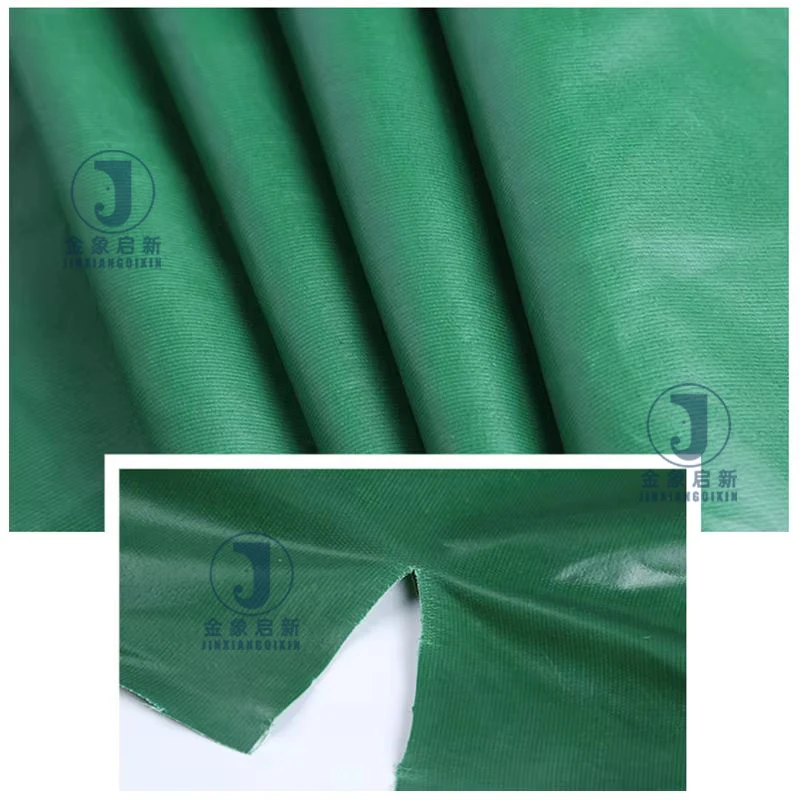
| Surface Finish | Smooth, leather-like texture |
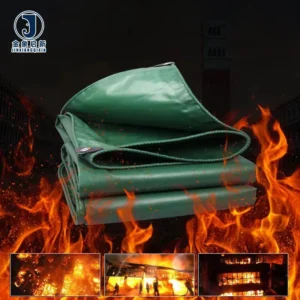
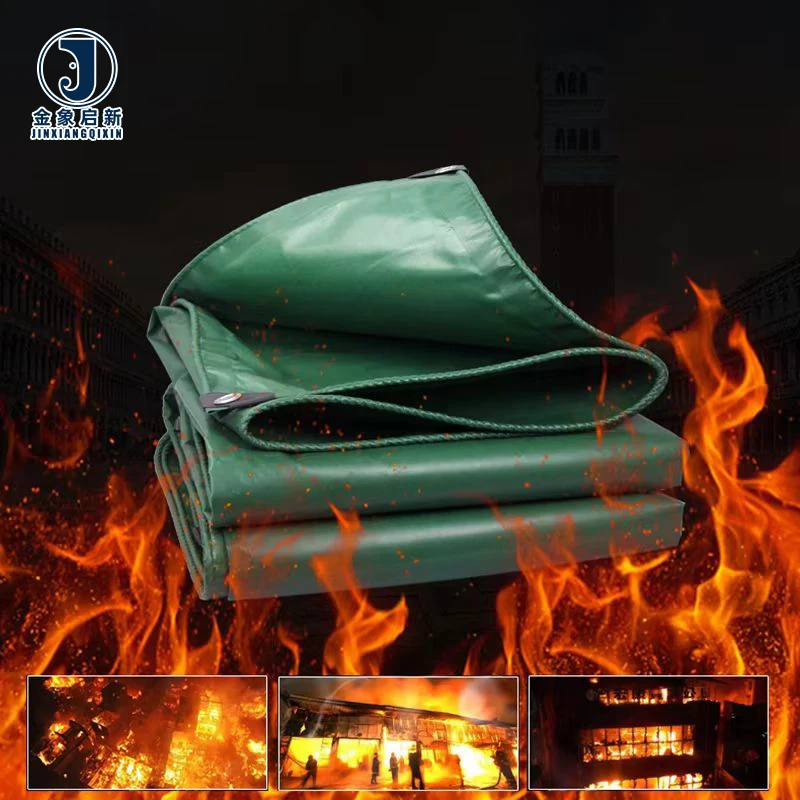
| Flame Retardancy | Flame-retardant type customizable (grade not stated — confirm the grade required for your market) |
| UV Resistance | Anti-UV treatment available (test basis not stated — request accelerated weathering report) |
| Waterproofing | Fully coated, continuous film seal |
| Welding Method | Hot-air weldable |
| Abrasion Resistance | High surface wear tolerance |
| Standards | ISO, CE |
Application Suitability
| Application | Exposure & Requirement |
|---|---|
| Truck and trailer side curtain | Constant flexing at load points, road spray, UV exposure, abrasion from tie-down straps |
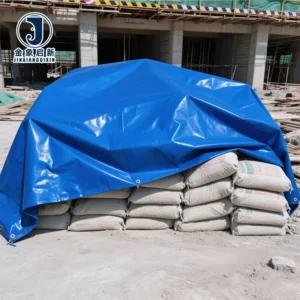
| Construction site and equipment cover | Wind-driven rain, UV exposure, repeated deployment and folding, puncture from sharp edges |
| Membrane and inflatable structure | Sustained tensile load, internal air pressure, fire code compliance for occupied spaces |
| Tent and awning fabrication | UV degradation over seasons, weld integrity at panel joins, colour consistency across panels |
| Mining and tunnelling ventilation duct | Fire-retardant and anti-static compliance, internal airflow abrasion, suspended installation stress |
What "Flame Retardant" Means Without a Grade Behind It
A flame-retardant claim on PVC coated fabric is only useful when the test standard and classification level are named on the certificate.
Technical buyers in mining, aviation and public-assembly structures routinely receive material quoted as "flame retardant" only to discover at site inspection that no test report accompanies the shipment, or that the report references a standard irrelevant to the local building authority. PVC coated tarpaulin fire retardant compliance varies by jurisdiction — DIN 4102 B1 in Germany, NFPA 701 in North America, M2 in France — and a generic claim satisfies none of them. When a ventilation duct or membrane structure fails fire inspection, the cost is not the fabric; it is the tear-down, the project delay and the reputational damage with the principal contractor [NEED_CITE: DIN 4102 fire classification for building materials].
Coating Composition and the Fire-Retardant Mechanism
PVC inherently contains chlorine, which provides a degree of self-extinguishing behaviour in the base polymer. However, achieving a classified flame-retardant grade in PVC coated fabric requires specific additive packages — typically antimony trioxide synergists combined with phosphate-based plasticisers — incorporated during the coating formulation stage. The concentration and dispersion of these additives determine the final classification. When sourcing PVC coated tarpaulin fire retardant grades, request the additive system description alongside the test certificate so you can confirm the treatment survives the expected service conditions without migrating or blooming to the surface.
Matching Grade to Jurisdiction for Membrane and Duct Applications
Membrane structures occupied by the public and ventilation ducts in underground mining face the strictest scrutiny. A B1 classification under DIN 4102 may be mandatory in European construction, while a mining ventilation authority in Australia or South Africa may require a separate anti-static test in addition to flame spread classification. This PVC coated polyester fabric is available in flame-retardant grades — confirm the grade required for your market before production begins, and request the specific test report referenced to the applicable standard [NEED_CITE: tensile and tear test methods for coated fabrics per ISO 1421].
Reading the 500D × 500D Substrate in Context
The 500D × 500D polyester base fabric defines the structural skeleton of this material. Denier refers to the mass in grams of 9,000 metres of yarn — at 500D, each warp and weft yarn provides a mid-range tensile platform suited to truck covers, awnings and general-purpose industrial curtains. The weave density, combined with the PVC coating weight (spanning 450–900 g/m² across the product family), governs the balance between flexibility for folding and rigidity for load-bearing membrane panels. Heavier coating fills the interstices of the weave more completely, improving waterproof continuity and weld-seam adhesion, but at the cost of increased roll weight and reduced drape.
The Cost of Specifying on Claim Rather Than Certificate
When a fabric arrives on site with a fire-retardant claim but no supporting certificate, the immediate consequence is a hold on installation while the contractor sources independent testing. This delays the project timeline and introduces cost that far exceeds the fabric itself. Similarly, colour inconsistency between rolls becomes visible only when panels are installed side by side on a membrane or awning structure — at which point selective replacement means re-welding adjacent panels and risking further mismatch. Coating weight that arrives lighter than the quoted specification compromises both tensile behaviour and weld-seam strength, showing up as premature failure at the flex points where the load moves most [NEED_CITE: field failure analysis of coated fabric seams under cyclic loading].
Why Fabricators and Contractors Source This Material Here
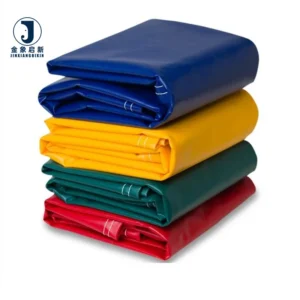
The 500D polyester substrate receives PVC coating on dedicated lines with in-process control over coating weight, ensuring the specified GSM is verified on each roll before packing rather than assumed from a batch average. Flame-retardant and anti-UV treatments are applied during formulation, and the corresponding test reports are generated against recognised standards — not claimed without documentation. Custom widths and colours are developed through a sample-first process: you approve a physical sample before bulk production begins, reducing the risk of roll-to-roll colour drift on visible structures. Hot-air welding compatibility is validated in-house, so fabricators receive material that welds consistently at standard temperature and pressure settings. The 10-person technical team handles material selection and pattern development, providing specification support that goes beyond a catalogue download.
Documentation & Verification
- Material specification sheet listing 500D denier, PVC coating type and confirmed GSM per roll
- Flame-retardant test report referencing the specific standard and classification achieved
- Anti-UV accelerated weathering test report where treatment is specified
- ISO and CE certificates on file with valid certificate numbers
- Pre-shipment inspection record confirming coating adhesion and surface consistency
- Roll packing list with individual roll weights and dimensions
Fabrication, Handling & Storage
- Hot-air weld at manufacturer-recommended temperature to ensure PVC coating fuses without scorching the 500D polyester substrate
- Store rolls upright on pallets to prevent flat-spot deformation of the coating surface
- Allow cold-transported rolls to reach ambient temperature before unrolling to avoid crease marks in the PVC layer
- Use compatible PVC-based repair patches for field welds, matching the coating formulation for adhesion continuity
- Plan panel layout to minimise cross-grain seams where tensile load is highest on membrane structures
- Avoid solvent-based cleaners on the smooth surface finish to prevent plasticiser migration from the PVC coating
What We Need to Quote Accurately
To provide a specification that matches your project, share the end-use application and the environmental exposure conditions — particularly whether the installation is indoors, semi-exposed or fully outdoor. Confirm the fire-retardant classification required by your local authority or project specification, including the test standard reference. State the required roll width, colour and approximate annual volume so we can confirm lead time and production scheduling.
Frequently Asked Questions
Q: Which flame-retardant grade should I specify for my market?
A: The grade depends on your local building or mining authority. European construction typically requires DIN 4102 B1, North American tent and membrane work often references NFPA 701, and French jurisdictions use the M-series classification. Share the applicable standard in your inquiry and the test report will be matched to that requirement before production.
Q: How is anti-UV performance verified before shipment?
A: When anti-UV treatment is specified, request the accelerated weathering test report that documents exposure duration and the measured retention of tensile strength and colour. Different test methods use different UV sources and cycle lengths, so confirming the test basis ensures the result is relevant to your installation’s expected outdoor exposure.
Q: How do I verify the quoted GSM on arrival?
A: Each roll is weighed and recorded during pre-shipment inspection. On receipt, cut a measured sample from the roll, weigh it and calculate grams per square metre. Compare this against the specification sheet and the packing list supplied with your container. Report any discrepancy with the roll number before fabrication begins.
Q: What are the hot-air welding parameters for this PVC coated polyester?
A: Welding temperature, speed and pressure depend on the exact coating weight and ambient conditions. Request the manufacturer’s recommended weld parameters for your specific GSM and test on a scrap piece before production welding. Consistent welds should show full coating fusion without substrate distortion or surface scorching.
Q: How is colour consistency maintained across multiple rolls?
A: Colour reference is locked during the sample approval stage, and production batches are formulated to that reference. For membrane and awning projects where panels are installed side by side, request that all rolls for one project are produced in a single batch run to minimise any lot-to-lot variation visible after installation.