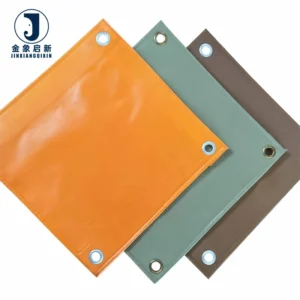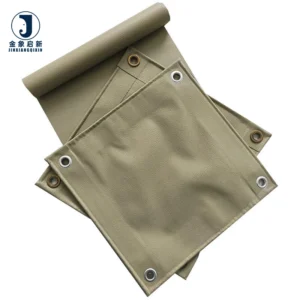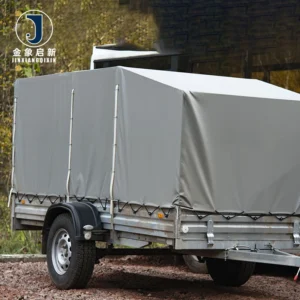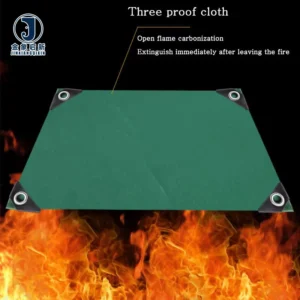
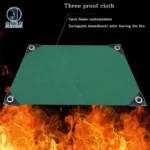
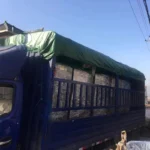

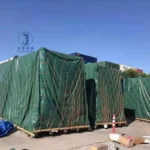

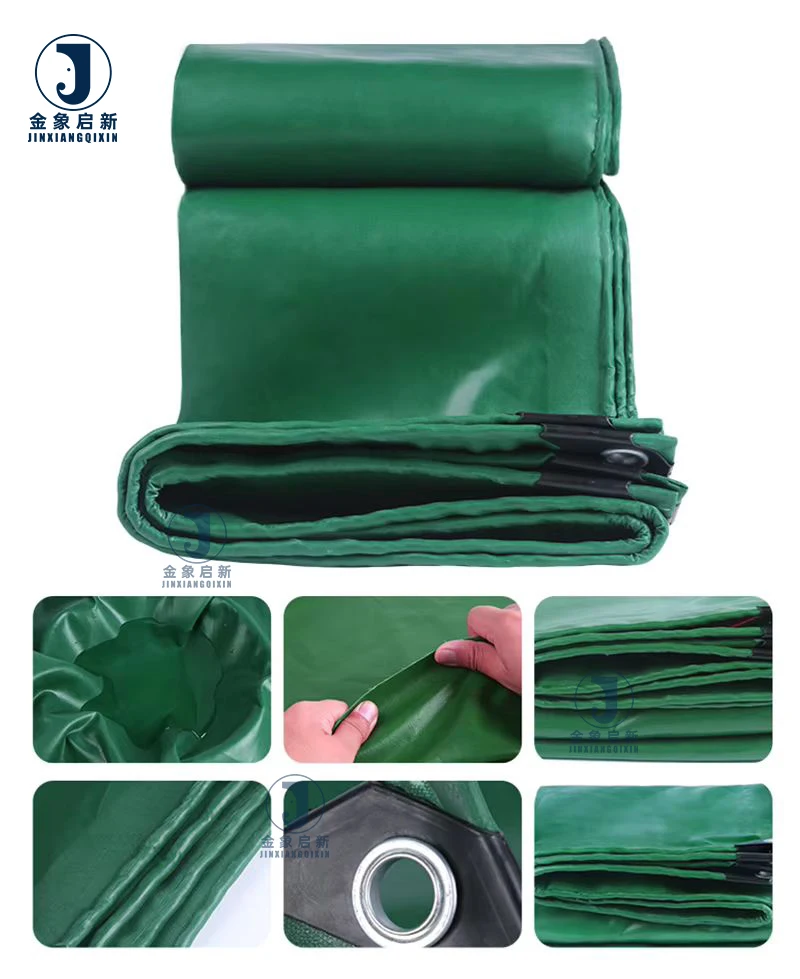
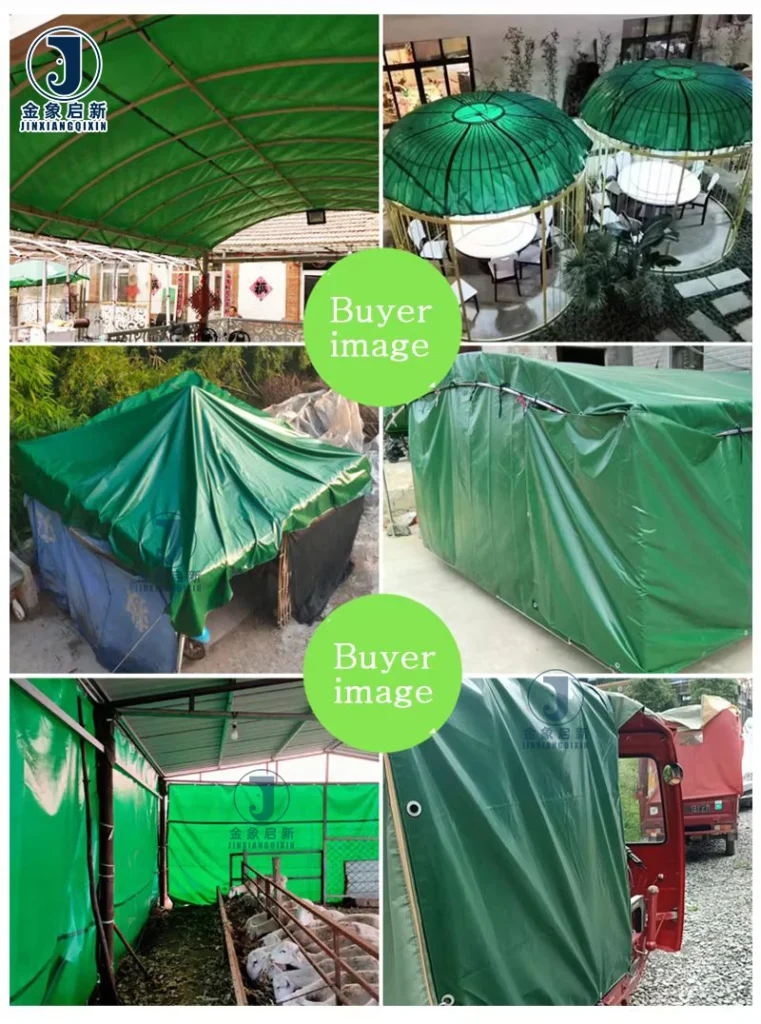
Proven coating control — Nearly 30 years focused on PVC coated fabric production, with dedicated QA at every stage ensuring treatment consistency across rolls for demanding industrial environments.
Technical Specifications
| Parameter | Value |
|---|---|
| Product Type | PVC Coated Tarpaulin |
| Weight Options | 700gsm, 850gsm, 900gsm |
| Coating Material | PVC |
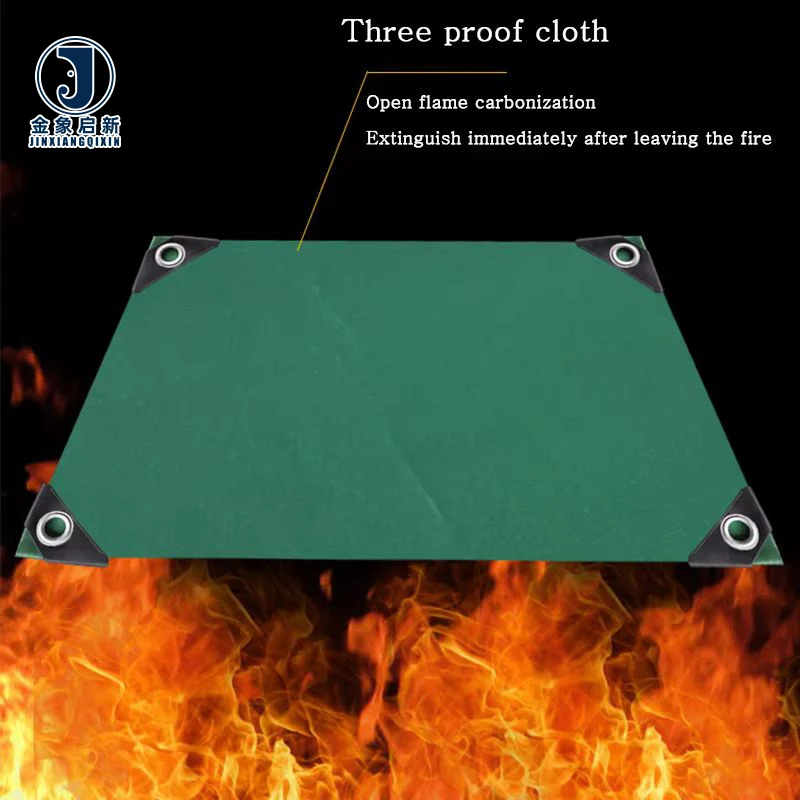
| Flame Retardant | Available (grade not stated — confirm required standard) |
| Anti-Static | Available (standard not stated — confirm surface resistance requirement) |
| Anti-Cold Treatment | Available |
| Anti-Mildew Treatment | Available |
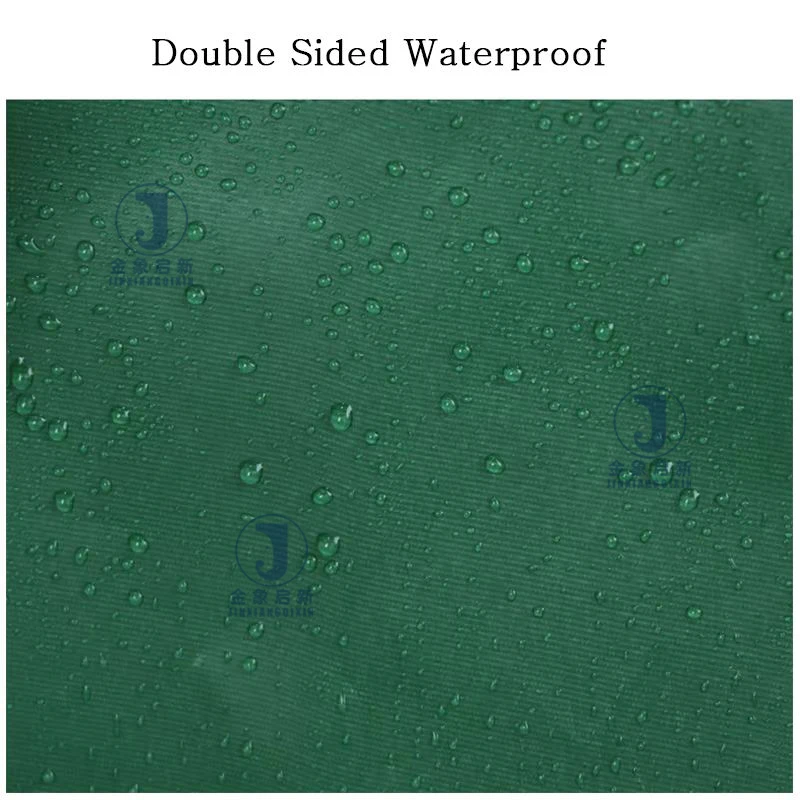
| Waterproof | Yes |
| Weather Resistance | Good |
| Customization | Size, treatment, finish available |
Application Suitability
| Application | Exposure & Requirement |
|---|---|
| Mining and tunnelling ventilation duct | Constant airflow, underground humidity, mandatory fire-retardant and anti-static compliance |
| Aviation ground support structures | Temporary hangar covers requiring flame-retardant certification and weather protection |
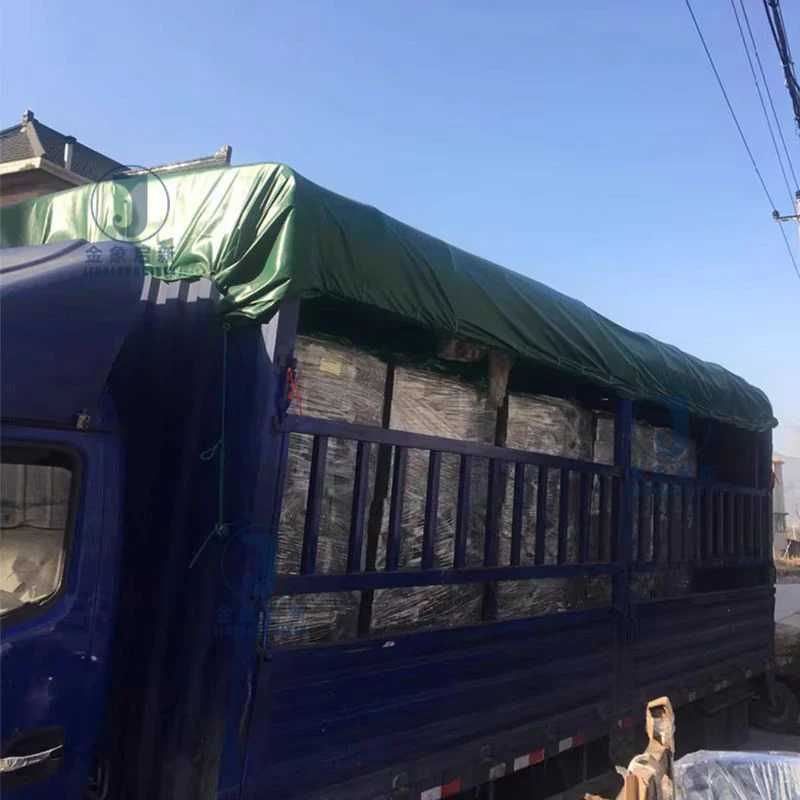
| Truck cargo covers for regulated freight | Road abrasion, flex at load points, weather exposure, safety compliance for hazardous environments |
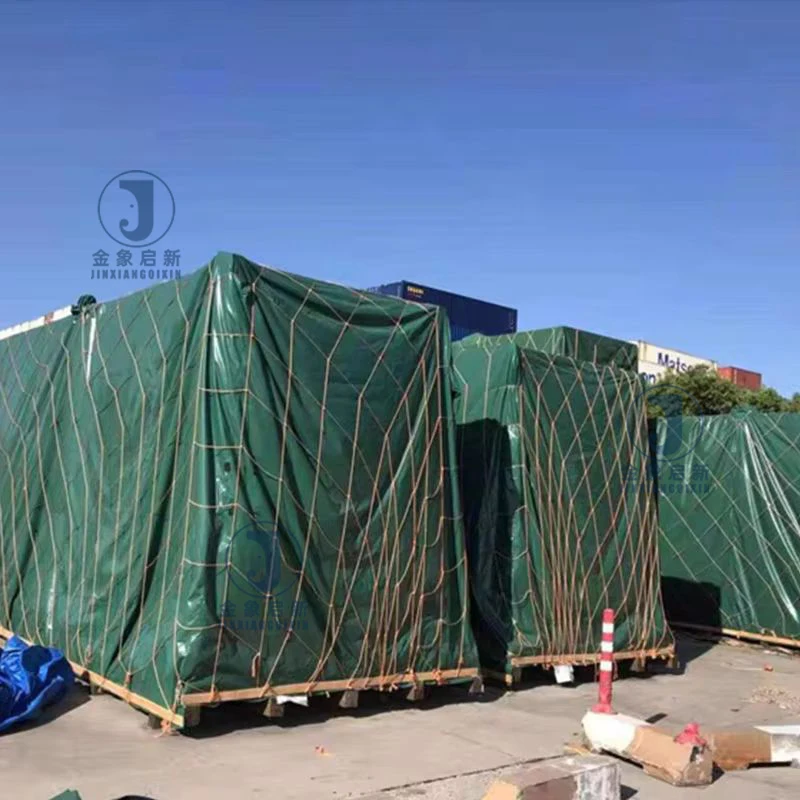
| Industrial site enclosures | Dust and weather containment, long-term outdoor exposure, site safety mandates |
What Happens When Fire-Retardant PVC Coated Tarpaulin Arrives Without Proof of Grade
A material certificate that does not match the site safety standard halts the entire operation.
Mining and tunnelling sites specify fire-retardant grades based on local regulations — DIN 4102 B1 in Europe, NFPA 701 in North America, M2 in France. When a supplier ships PVC coated tarpaulin fire retardant anti-static certified material without the matching test report, the site inspector rejects the delivery. [NEED_CITE: regional fire classification standards for coated textiles in underground and aviation environments]. The cost is not just the return freight; it is the project delay while replacement material is sourced and verified. I have seen contractors forced to leave ventilation duct uninstalled for days because the paperwork did not align with the specified grade.
Matching Treatment Chemistry to the Compliance Standard
Flame retardant and anti-static treatments are not universal additives. The PVC coated tarpaulin fire retardant anti-static certified material must be formulated to meet the specific test method required at the destination. A mining ventilation duct in Australia requires different surface resistance values than one deployed in a European tunnelling project. The treatment must be confirmed against the applicable standard before production begins, not assumed from a generic product description.
Why Dual Treatment Demands Separate Verification
When a specification calls for both flame retardant and anti-static properties, each treatment requires its own test protocol. A single certificate covering only one property leaves the other unverified. [NEED_CITE: independent test methods for flame propagation and surface resistivity in coated fabrics]. The PVC coated tarpaulin fire retardant anti-static certified material should arrive with documentation addressing both requirements independently, so site inspectors can validate compliance without requesting additional samples for third-party testing.
How GSM and Base Fabric Interact in Heavy-Duty Applications
The 700gsm, 850gsm, and 900gsm weight options reflect different ratios of base fabric denier to coating thickness. A higher GSM does not automatically mean higher tear strength — a 700gsm fabric with a dense base weave can outperform a 900gsm fabric that achieves its weight through thick but soft coating layers. The base fabric denier and mesh count determine how the material resists tear propagation once a puncture occurs. Coating weight contributes to abrasion resistance, puncture protection, and waterproof integrity, but it is the woven substrate that carries the structural load during flexing and tension. [NEED_CITE: relationship between base fabric construction and tear resistance in PVC coated textiles per ISO 1421]. Selecting the right GSM requires understanding whether the primary stress on the material is tensile (pulling at seams and tie-downs) or abrasive (rubbing against cargo or ductwork frames).
The Cost of Specifying Treatment Without Confirming the Test Standard
Ordering flame retardant material without specifying the grade means the supplier selects a default treatment that may not satisfy the destination market’s fire code. The PVC coated tarpaulin fire retardant anti-static certified roll arrives with a generic certificate that the site safety officer cannot accept. [NEED_CITE: consequences of non-compliant fire-retardant documentation in mining and aviation construction projects]. This leads to rejected shipments, project delays, and the expense of re-testing or replacing the material. The same applies to anti-static treatment — surface resistance values vary widely between standards, and a measurement that passes one protocol may fail another by a significant margin.
Why Procurement Verification Matters for Treated Coated Fabric
Every roll of treated PVC coated fabric must be traceable to a specific production batch with verified treatment application. Our three full production lines and 36 sets of professional equipment support batch-level tracking from coating through dispatch. The 10-person R&D team develops treatment formulations matched to project-specific standards rather than applying a single universal additive. Dedicated QA/QC inspection at every production stage ensures treatment consistency before shipment. Samples are developed within days for custom requirements, allowing buyers to verify compliance before committing to full production volume.
Documentation & Verification
- Material specification sheet stating GSM, base fabric type, and coating weight for each roll
- Test report for flame-retardant grade matched to destination market standard (confirm required grade)
- Anti-static surface resistance documentation with applicable test method referenced
- Pre-shipment inspection record confirming treatment application and batch consistency
- ISO and CE certificates supporting overall quality management compliance
- Certificate of origin and customs documentation for international dispatch
Fabrication, Handling & Storage
- Heat welding parameters must be adjusted per GSM option — 700gsm and 900gsm require different temperature and dwell time settings
- Store rolls upright on pallets to prevent flat-spot deformation of the PVC coating layer
- Anti-mildew treated rolls should be stored in ventilated areas to maintain treatment effectiveness
- Allow cold-treated rolls to acclimatise before unrolling to prevent coating crack at low temperatures
- Clean with mild detergent only — aggressive solvents can degrade flame retardant and anti-static surface treatments
- Reinforce high-flex zones with additional welding passes to distribute load across the PVC coating
Requesting the Right Specification for Your Project
Provide the specific fire-retardant grade or anti-static standard required at your project site, along with the intended application and environmental exposure conditions. Confirm whether you need rolls in standard width or custom-cut panels with welded seams. Specify the GSM preference based on your durability requirements and whether dual treatment is mandated by your site safety protocol.
Frequently Asked Questions
Q: What fire-retardant grades are available and which test standard applies to my market?
A: Flame retardant treatment is available with grades matched to project requirements. Confirm whether your site specifies DIN 4102, NFPA 701, M2, or another standard. We develop the treatment formulation and provide the corresponding test report once the required grade is confirmed during the specification stage.
Q: How is anti-static performance measured and what certification documentation is provided?
A: Anti-static treatment is measured by surface resistance value per the applicable test standard. The specific resistance range and test method must be confirmed before production. We supply documentation stating the measured value and referenced standard so your site inspector can validate compliance on delivery.
Q: Can the tarpaulin be supplied with both fire-retardant and anti-static treatment simultaneously?
A: Yes, dual treatment is available. Each property is tested independently with its own documentation. Confirm both the flame-retardant grade and the anti-static surface resistance standard required for your application so we can formulate and verify each treatment separately.
Q: What GSM options are available and how is coating weight verified on delivery?
A: Available weight options are 700gsm, 850gsm, and 900gsm. Coating weight and total GSM are verified during pre-shipment inspection. Each roll is checked against the stated specification, and the inspection record is included in the dispatch documentation for your verification on receipt.
Q: What is the lead time for custom-treated rolls with compliance documentation?
A: Lead times depend on the specific treatment combination and order volume. Custom formulations for fire-retardant and anti-static grades require sample development and approval before full production. Contact us with your required standards and quantities for a project-specific timeline.