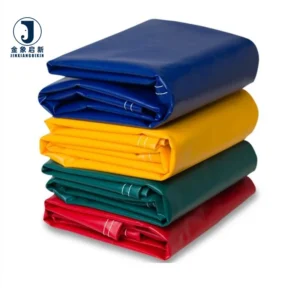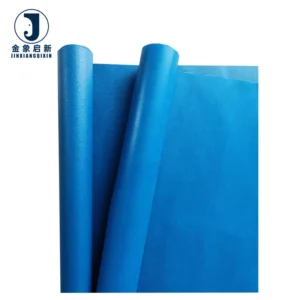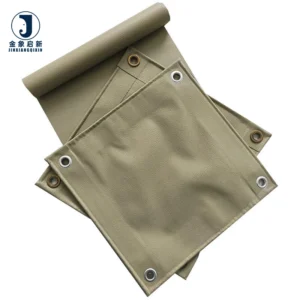
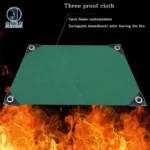

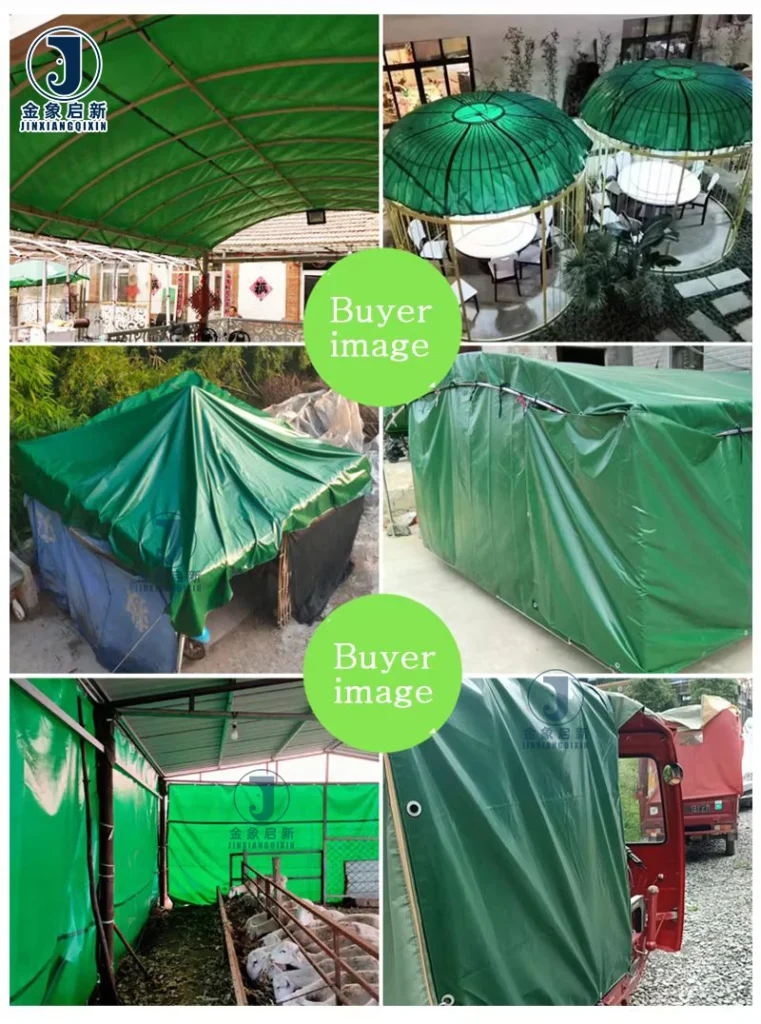
Process-Controlled Coating — Nearly 30 years focused on PVC coated fabric with dedicated QA at every production stage, ensuring each roll of technical-grade tarpaulin meets the stated specification before dispatch.
Technical Specifications
| Parameter | Value |
|---|---|
| Product Type | PVC Coated Tarpaulin |
| Coating Material | PVC |
| Weight (GSM) | 700gsm, 850gsm, 900gsm |
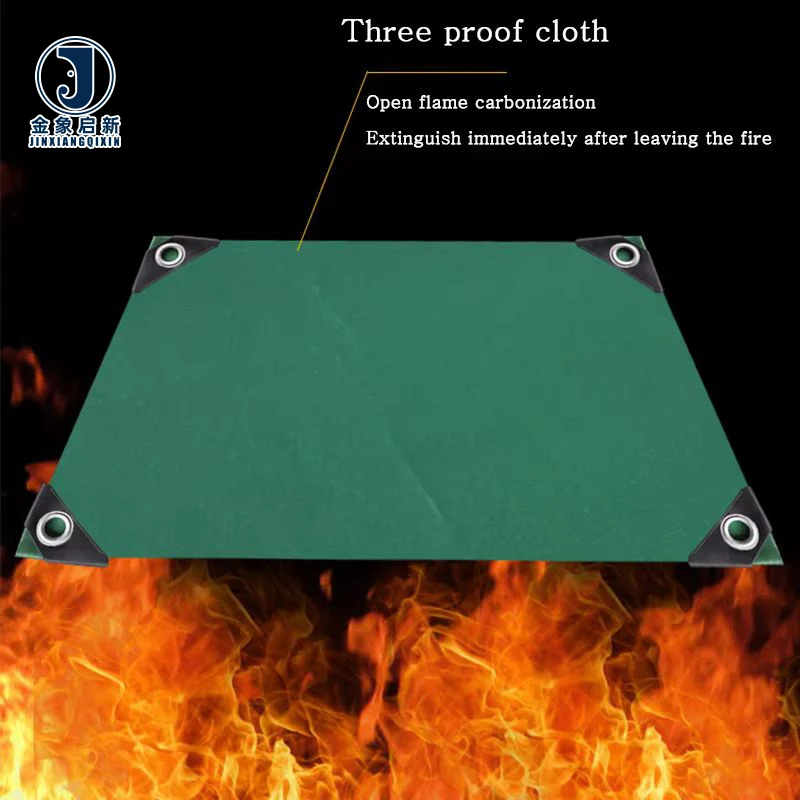
| Flame Retardant | Available — confirm the grade required for your market |
| Anti-Static | Available — confirm surface resistance standard required |
| Anti-Mildew | Available |
| Anti-Cold | Available |
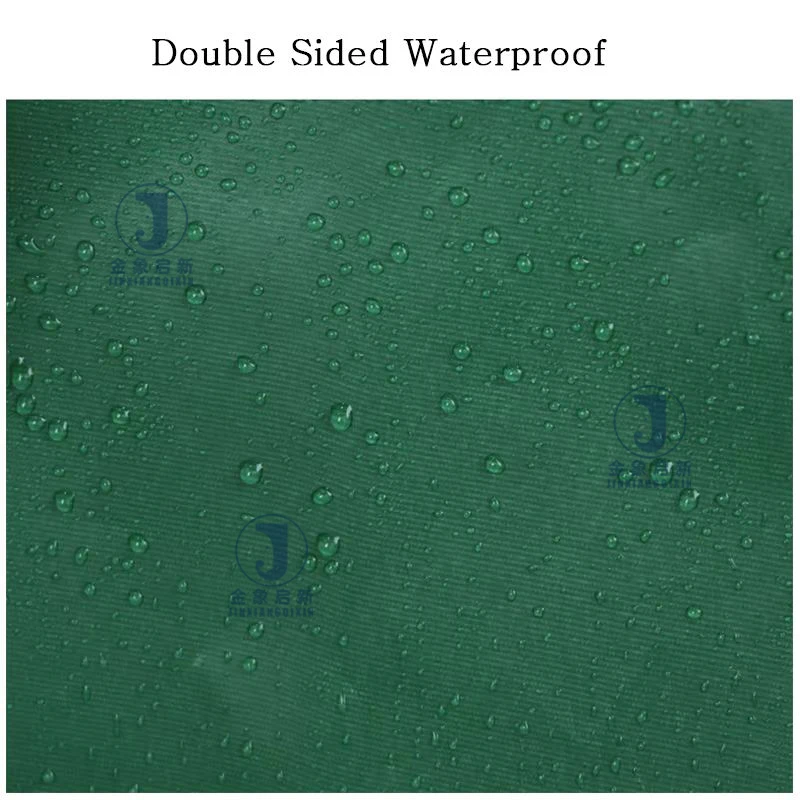
| Waterproof | Yes |
| Weather Resistance | Good weather resistance (grade not stated) |
| Key Features | High strength, waterproof, soundproof, customizable |
| Standards | ISO, CE |
Application Suitability
| Application | Exposure & Requirement |
|---|---|
| Aviation ground equipment covers | Fire-retardant fabric certification required, outdoor UV and weather exposure, frequent handling |
| Mining and tunnelling cargo covers | Anti-static properties mandated on site, heavy abrasion from rock dust and equipment contact |
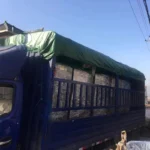
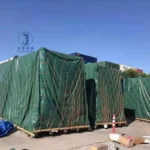
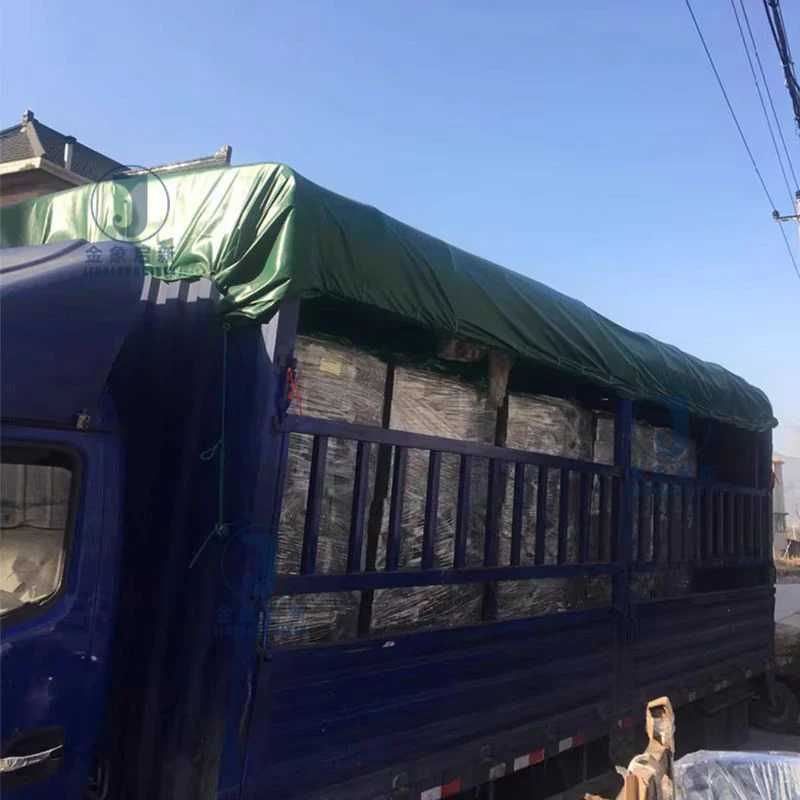
| Transport fleet truck and trailer covers | Continuous road weather exposure, flex-point abrasion at load tie-downs, wind-driven rain ingress |
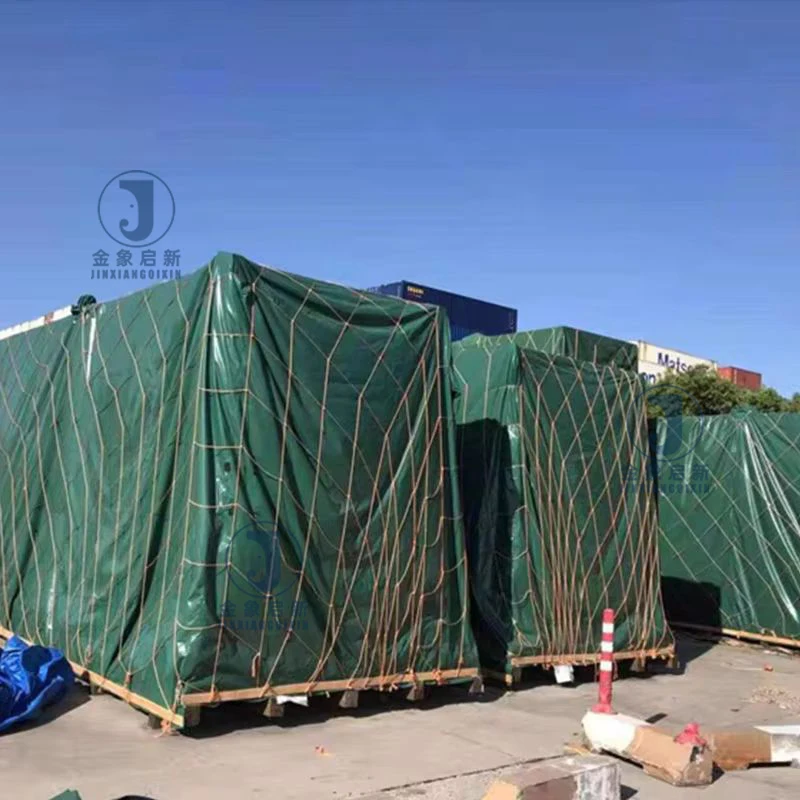
| Outdoor industrial equipment covers | Long-term sun and moisture exposure, mildew risk in humid climates, low-temperature brittleness in winter |
What "Certified" Really Means When a Site Inspector Asks for Your Tarpaulin Test Report
A certificate without a matching test standard is just paperwork — compliance depends on the grade, the test method, and the documentation trail behind each roll.
We have seen cargo covers arrive on a regulated site only to be turned away because the flame-retardant claim had no test method attached. The same applies to PVC Coated Tarpaulin fire retardant anti-static certified specifications: a buyer may specify the treatment, but if the test report does not reference a recognised standard acceptable to the site safety officer, the fabric is functionally uncertified. [NEED_CITE: recognised flame retardant test standards for coated textiles including NFPA 701 and DIN 4102] This problem compounds when an entire container load must pass inspection before installation, meaning one missing report stalls a full project timeline.
Coating Weight and Adhesion Under Flex Stress
Truck and trailer cargo covers experience repeated bending at tie-down points and load edges. The PVC coating must bond to the base fabric with enough peel strength to resist delamination through thousands of flex cycles. This PVC Coated Tarpaulin fire retardant anti-static certified range is produced on lines where coating weight is controlled at each stage, not simply estimated from the finished roll weight. Consistent coating adhesion is what prevents the visible cracking and peeling that signals early failure at high-stress zones.
Anti-Static Treatment Where Spark Risk Is Non-Negotiable
Mining ventilation ducts, fuel transport covers, and certain aviation ground equipment environments require anti-static fabric properties by regulation. The anti-static treatment in this PVC Coated Tarpaulin fire retardant anti-static certified product range is applied to manage surface charge buildup, but the specific surface resistance value must match your site’s compliance threshold. [NEED_CITE: anti-static surface resistance measurement methods for coated fabrics in hazardous environments] We recommend requesting the test data sheet before placing a bulk order so your procurement file is audit-ready from day one.
Reading GSM Alongside Base Fabric Construction
GSM tells you how much material is in each square metre, but it does not tell you how that mass is distributed between the base yarn and the coating layer. A 900gsm roll with a low-density base fabric and heavy coating may weigh the same as one with a high-denier weave and balanced coating — yet their tensile and tear behaviour will differ substantially. The 700gsm, 850gsm, and 900gsm grades in this range serve different load profiles: lighter grades for site covers and temporary shielding, heavier grades for long-haul truck curtains and permanent equipment protection. Coating method also matters; knife-over-roll application typically yields better adhesion and heat-welding performance than simple lamination, directly affecting seam durability in fabricated covers.
The Real Cost of Specifying by Price per Kilogram Instead of Performance
When a buyer selects a PVC coated tarpaulin based on cost per kilogram alone, the common outcome is a fabric that passes initial inspection but fails under field conditions. Coating weight may be reduced to hit a target price, leaving the base fabric exposed to moisture ingress and UV degradation. Flame-retardant treatment may be omitted or applied at a level that does not achieve the stated grade, discovered only when the site safety audit demands original test reports. Batch-to-batch colour drift across a multi-roll order forces panels to be rejected once they are laid side by side on a trailer body. [NEED_CITE: common causes of premature tarpaulin failure in fleet and construction applications] These failures are not material defects — they are specification and verification gaps.
Why Technical Buyers Source This Range from Jinxiang
Deep process control over coating weight and adhesion comes from nearly 30 years of continuous PVC coated fabric production, not from a single production run. Three full production lines and 36 sets of equipment provide the capacity to deliver bulk roll orders on schedule without compressing quality checkpoints. A 10-person R&D team handles material selection and sample development so that custom GSM, treatment, and sizing requirements are validated before full production begins. Every roll undergoes dedicated QA inspection at each production stage, with 100% pre-shipment verification against the specification sheet. Samples for custom fire-retardant or anti-static requirements are developed within days, allowing buyers to confirm performance before committing to container quantities.
Documentation & Verification
- Material specification sheet stating GSM, base fabric, and coating weight for each roll shipped
- Flame-retardant test report referencing the applicable standard where treatment is specified
- Anti-static surface resistance data sheet matched to the compliance grade requested
- 100% pre-shipment inspection record documenting roll-level QA results
- ISO and CE certificates included with packing list and certificate of origin
Fabrication, Handling & Storage
- Heat-weld parameters must be adjusted to the specific 700gsm, 850gsm, or 900gsm grade to avoid seam delamination
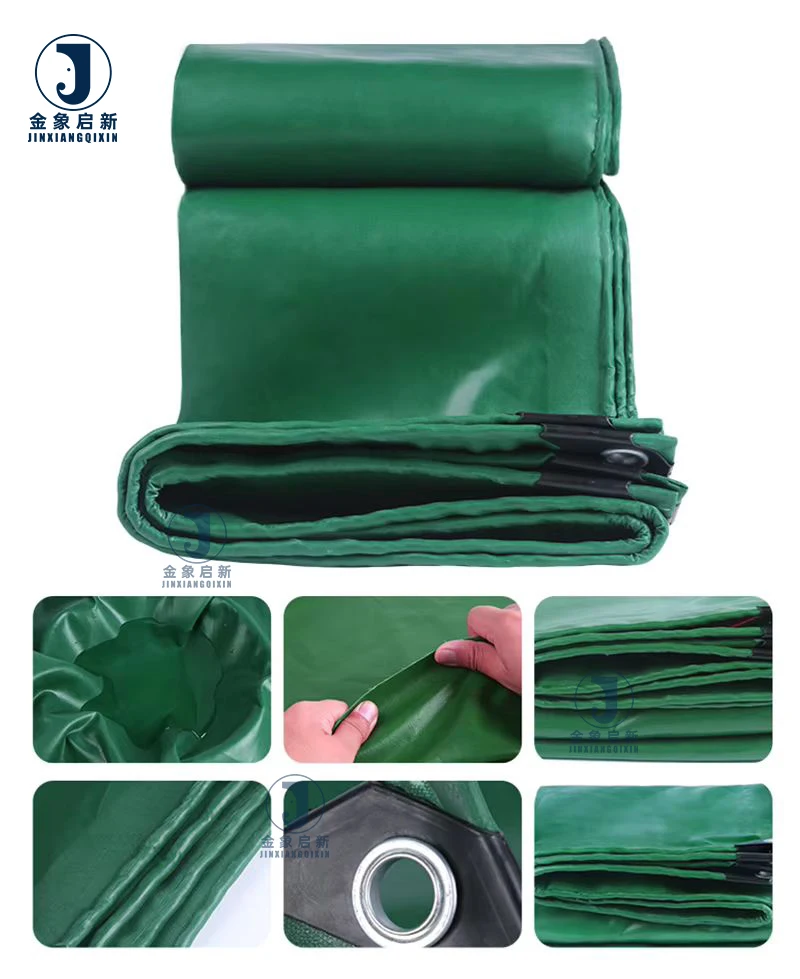
- Reinforce tie-down and eyelet zones with additional PVC patches to distribute flex-point loads
- Store rolls upright on pallets in dry conditions to prevent permanent creasing of the coated surface
- Allow cold-stored rolls to reach ambient temperature before unrolling to avoid coating crack damage
- Use mild detergent and soft brush for cleaning; avoid solvent-based agents that attack PVC coating adhesion
- Plan cutting layout across roll width to minimise offcut waste and reduce the number of welded seams per cover
Before You Request a Quote
Provide the specific truck or trailer model, the operating environment including any fire-retardant or anti-static compliance standards your site requires, and the annual volume you expect to order. If you need custom width or finished covers fabricated to vehicle dimensions, include the panel sizes and any colour matching requirements. We will return a specification recommendation with sample options so you can verify material properties before confirming production.
Frequently Asked Questions
Q: What flame-retardant grade does this PVC tarpaulin carry, and which test standard applies?
A: Flame-retardant treatment is available in grades matched to different market requirements. The specific grade and test standard depend on your site’s compliance framework. Request the test report with your sample so you can confirm the classification against your local fire safety regulations before placing a production order.
Q: How is anti-static performance verified on each shipment?
A: Anti-static treatment is applied to meet a target surface resistance range. We supply a test data sheet with the measured values for the batch. Your site safety officer can cross-reference this against the required standard. Confirm the compliance threshold during the inquiry stage so we match the correct treatment level.
Q: Which GSM grade suits heavy-duty truck cargo covers versus lighter applications?
A: The 900gsm grade provides the highest tensile and tear margin for long-haul truck curtains exposed to continuous road stress. The 700gsm grade suits temporary site covers and lighter equipment shielding. The 850gsm grade balances durability and weight for standard fleet operations. Your application exposure determines the correct selection.
Q: How do you ensure colour consistency across multiple rolls in one order?
A: Colour is controlled at the coating formulation stage with reference standards checked during production. Each roll in a multi-roll order is inspected for shade variation before dispatch. If your project requires panels installed side by side, we recommend requesting a pre-production sample to confirm colour approval before full batch manufacture.
Q: What documentation accompanies the shipment for compliance audits?
A: Every order ships with a material specification sheet, applicable test reports for flame-retardant or anti-static treatment, a pre-shipment inspection record, ISO and CE certificates, a roll-level packing list, and a certificate of origin. These documents support site safety audits and customs clearance without requiring follow-up requests.