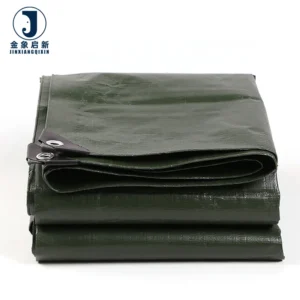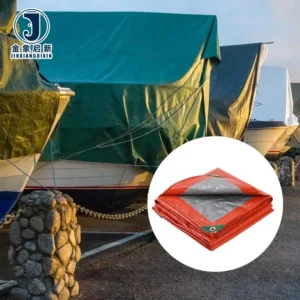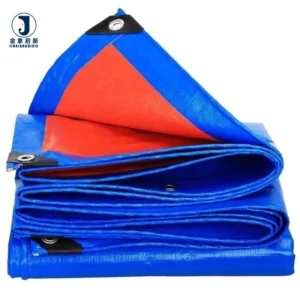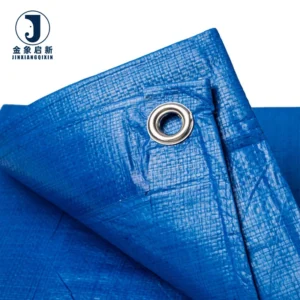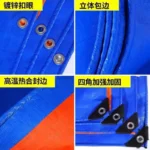
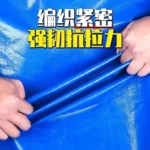

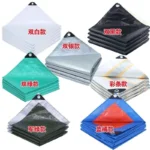
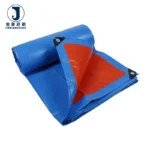
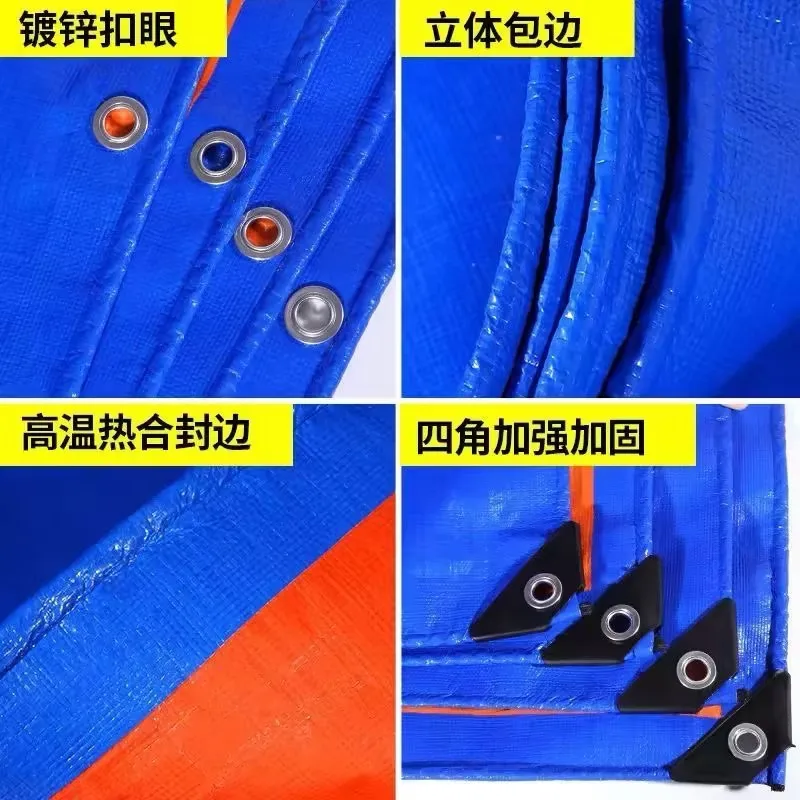
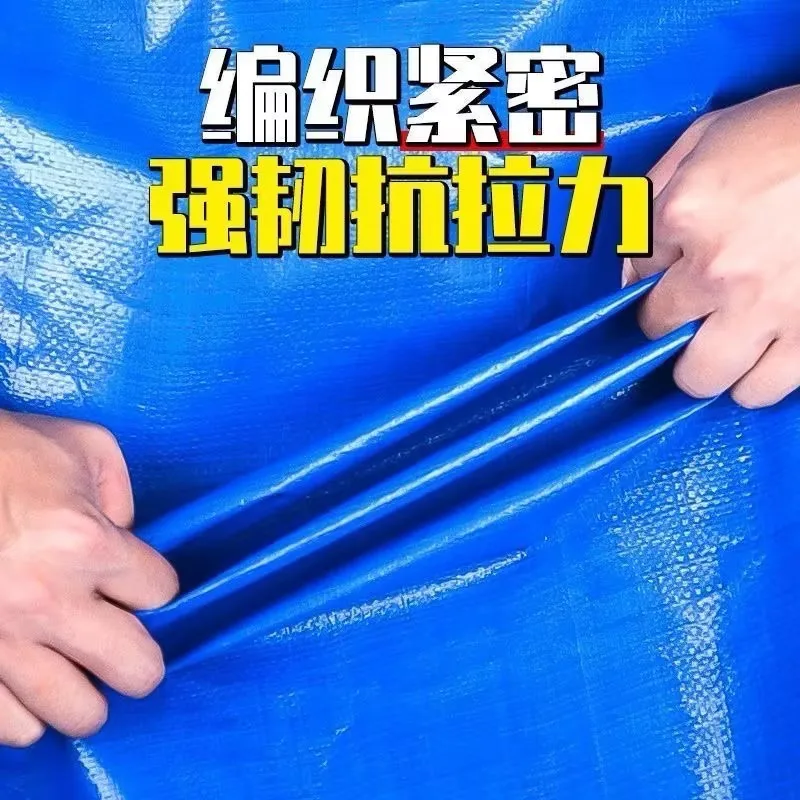
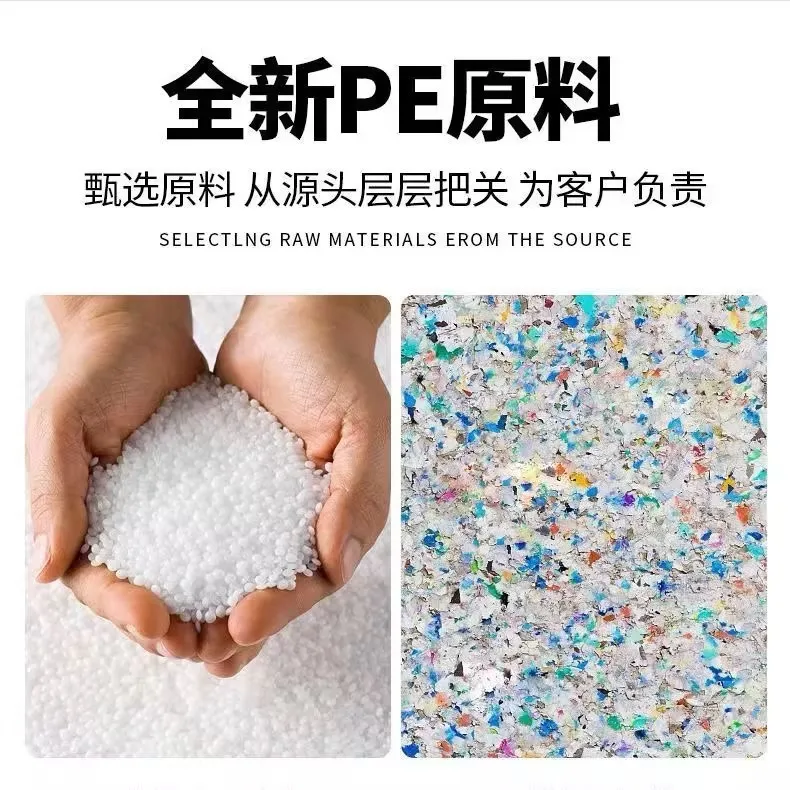
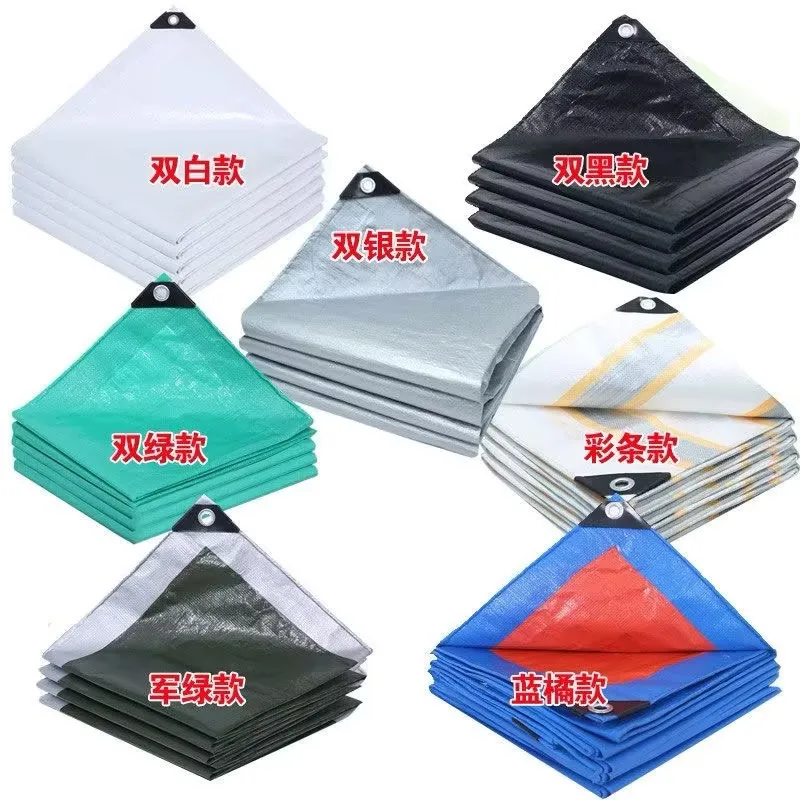
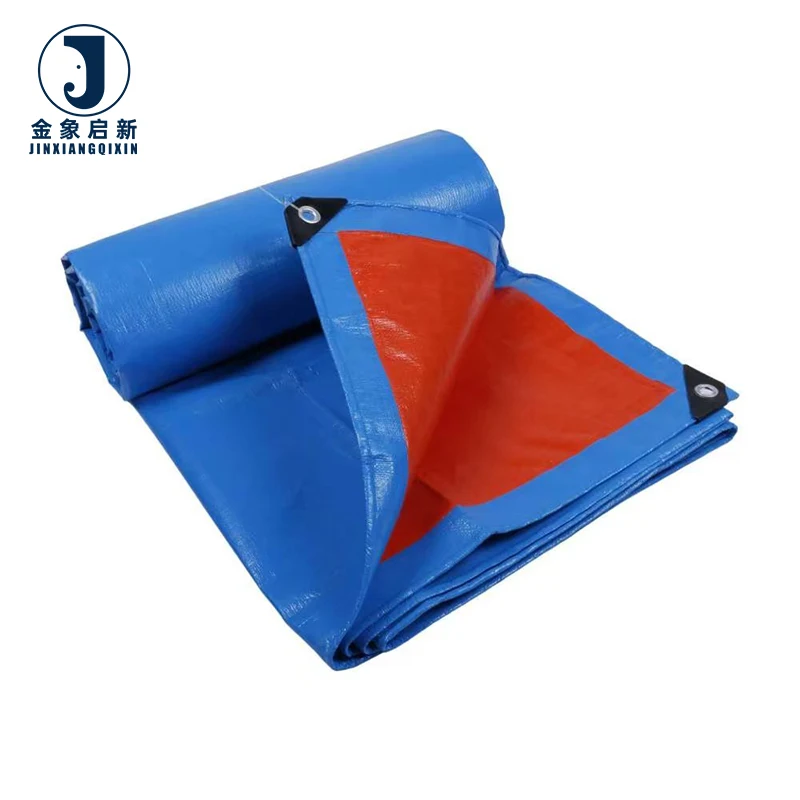
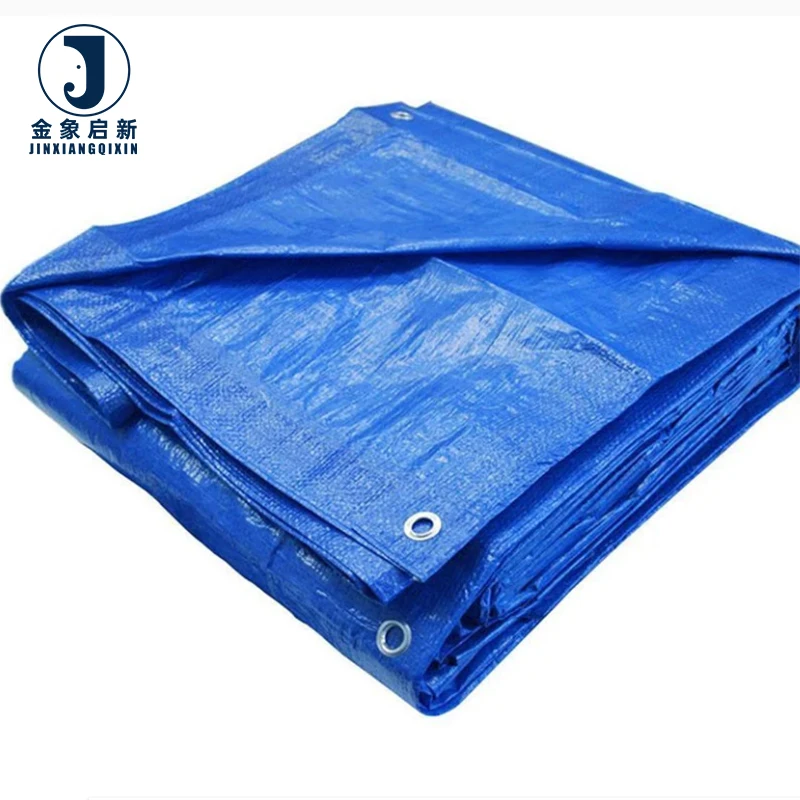
Material Consistency at Scale — Three dedicated production lines maintain batch-to-batch uniformity in PE woven tarpaulin, ensuring every roll matches the approved sample for specialist structure projects.
Technical Specifications
| Parameter | Value |
|---|---|
| Product Type | PE Tarpaulin |
| Coating Material | PE |
| Weave Style | Plain |
| Construction | Heavyweight |
| Waterproof | Yes |
| Mildew-Proof | Yes |
| UV Resistant | Yes (test basis not stated in source) |
| Color | Customizable |
| Size | Customizable |
| Key Features | Waterproof, mildew-proof, UV resistant treatment |
Application Suitability
| Application | Exposure & Requirement |
|---|---|
| Membrane and inflatable structures | Sustained wind load, structural tension, UV exposure, weather cycling |
| Temporary and semi-permanent tent shelters | Rain ingress prevention, mildew risk in humid climates, repeated assembly and teardown |
| Outdoor event and field operation covers | Sun exposure, ground moisture, abrasion from contact with equipment and staging |
| Specialist outdoor enclosures for aviation or construction | Wind-driven rain, dust containment, compliance with site safety requirements |
Why PE Woven Tarpaulin for Specialist Structure Demands More Than a GSM Number
Specifying PE Woven Tarpaulin for specialist structure without verifying treatment claims against test documentation is how projects fail inspection.
Buyers sourcing fabric for membrane, inflatable or temporary shelter applications frequently receive quotations that state UV resistance or fire retardancy in general terms, yet the material arrives without a test report to substantiate those claims. When the installation site mandates compliance — whether for fire classification in a public event tent or anti-static performance in an aviation hangar enclosure — the absence of documentation becomes a project-stopping problem [NEED_CITE: DIN 4102 fire classification for building materials]. I have reviewed specifications where the PE Woven Tarpaulin for specialist structure was described as fire retardant on paper but carried no grade, leaving the contractor exposed during the handover audit.
PE Woven Plain Construction and Structural Tension Behaviour
The plain weave in this PE Woven Tarpaulin provides a balanced warp-and-weft interlace that distributes tensile load evenly across the fabric plane. For membrane and inflatable structure applications, this dimensional stability under tension means the fabric resists distortion when stretched across a frame or inflated form. The interlock pattern limits yarn slippage at stress concentrations, which is the typical failure point when a tent panel is subjected to gusting wind loads.
Waterproof and Mildew-Proof Treatment for Sustained Field Deployment
Outdoor tent and event shelter fabric faces continuous moisture exposure — from rainfall, ground evaporation and humidity trapped inside enclosed spaces. The waterproof PE coating prevents water ingress through the fabric body, while the mildew-proof treatment addresses biological growth on the surface and within fold lines during storage. For contractors deploying temporary structures across multiple event cycles, this combination reduces the risk of fabric degradation between deployments [NEED_CITE: tensile and tear test methods for coated fabrics per ISO 1421].
Reading the Specification Sheet: What GSM, Weave and Coating Together Determine
The heavyweight construction classification of this PE Woven Tarpaulin indicates a fabric designed to carry structural loads and resist wind-induced flexing, but the actual performance depends on how the base fabric denier, weave density and coating weight interact. A higher GSM achieved through excessive coating rather than a dense base fabric will feel heavy but may crack at fold points under repeated tension cycles. The plain weave style contributes to tear propagation resistance by forcing any rip to break individual yarns sequentially rather than unzipping along a single direction. For specialist structure applications, the coating must bond fully to the woven substrate — inadequate adhesion shows up as delamination at welded seams or eyelet reinforcement zones. UV resistant formulation claims should be supported by a stated test duration or standard, as the expected outdoor service life of the structure depends directly on how the stabiliser package performs under the specific solar exposure of the installation site. Confirm the UV test basis before committing to a production order.
The Hidden Cost of Specifying on Price Alone
When PE Woven Tarpaulin for specialist structure is selected primarily on quoted price, the compromises tend to surface after installation. Fabric that is lighter than the agreed specification may pass a visual check but will deflect excessively under wind load, pulling eyelets from the hem and overstressing welded seams. Colour variation between rolls in the same shipment becomes visible once panels are joined side by side on a tent structure — a defect that cannot be corrected without replacing entire sections [NEED_CITE: colour consistency standards for coated fabric batches]. Welded seams that fail before the fabric itself does typically indicate either insufficient coating weight for proper heat fusion or incorrect welding parameters applied during fabrication.
Why Source PE Woven Tarpaulin for Specialist Structure Through Jinxiang
Nearly 30 years of focused production on coated fabric means process control over coating weight and adhesion is embedded in every production stage, not treated as an end-of-line check. Three full production lines and 36 sets of professional equipment support bulk roll output with consistent on-time delivery for structure projects that cannot absorb schedule delays. A 10-person R&D team handles material selection, custom sizing and sample development, producing samples within days so that you can verify fabric behaviour before committing to volume. Dedicated QA and QC at every production stage, with 100 percent inspection before shipment, catches GSM deviation and surface defects before the rolls leave the facility.
Documentation & Verification
- Material specification sheet stating GSM, base fabric denier and PE coating weight for the ordered grade
- UV resistance test report with stated test duration or standard — request before order confirmation
- Fire-retardant or anti-static certification provided where the grade and test basis are confirmed for your site requirement
- Pre-shipment inspection record covering GSM verification, colour consistency and surface quality per roll
- Roll packing list and certificate of origin for customs clearance at destination
Fabrication, Handling & Storage
- Heat-weld seams using temperature and dwell time matched to the PE coating weight to avoid delamination at structural flex points
- Reinforce eyelet zones with additional PE fabric patches to distribute tie-down loads across the heavyweight plain weave base
- Store rolls horizontally on padded racks to prevent permanent creasing in the coated surface before fabrication
- Allow cold-stored rolls to reach ambient temperature before unrolling to prevent coating cracking in the PE layer
- Clean installed fabric with mild detergent and soft brush to preserve the mildew-proof treatment on the surface
What to Include in Your Inquiry
Provide the intended structure type — membrane, inflatable, frame tent or enclosure — along with the expected environmental exposure at the installation site. Specify any fire-retardant or anti-static grade required by local building or event safety regulations. Indicate the roll width, colour and total linear meterage needed, and state whether you require finished cut-to-size panels or roll stock for your own fabrication line.
Frequently Asked Questions
Q: How is the GSM of PE woven tarpaulin verified on arrival versus the quotation?
A: We provide a pre-shipment inspection record that documents the measured GSM per roll. On arrival, you can verify by cutting a measured sample and weighing it against the stated specification. Any deviation should be reported immediately with the inspection record as reference for resolution.
Q: What fire-retardant or anti-static certifications are available for specialist structure applications?
A: Fire-retardant and anti-static grades are available — confirm the specific grade and test standard required by your installation site or local regulations before ordering. We supply the corresponding test report and certification documentation with the shipment once the grade is agreed.
Q: What UV test basis supports the anti-UV claim for this PE woven tarpaulin?
A: UV resistant treatment is applied, but the test basis is not stated in the standard specification. Request the UV test report with duration and method before placing your order so you can assess whether it aligns with the expected outdoor service life of your structure.
Q: Can custom widths and lengths be supplied for membrane or inflatable structure projects?
A: Custom widths and lengths are available for this PE Woven Tarpaulin for specialist structure. Provide your required dimensions and total meterage in the inquiry. Minimum order quantities and lead times depend on the specification and will be confirmed in the quotation.
Q: What documentation is provided with shipment for site compliance audits?
A: Each shipment includes a material specification sheet, pre-shipment inspection record, roll packing list and certificate of origin. Where applicable, UV test reports and fire-retardant or anti-static certification documents are included to support site compliance and handover audits.