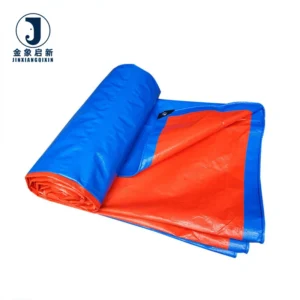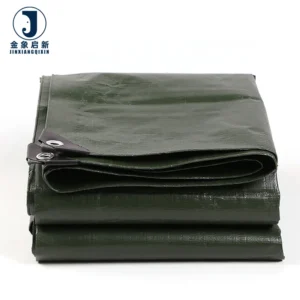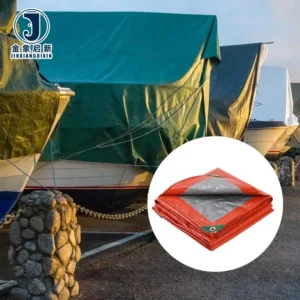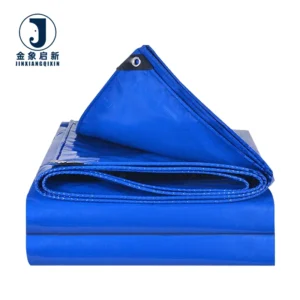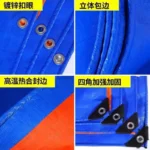


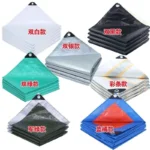
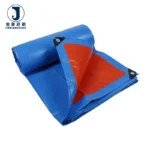
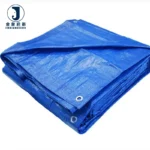
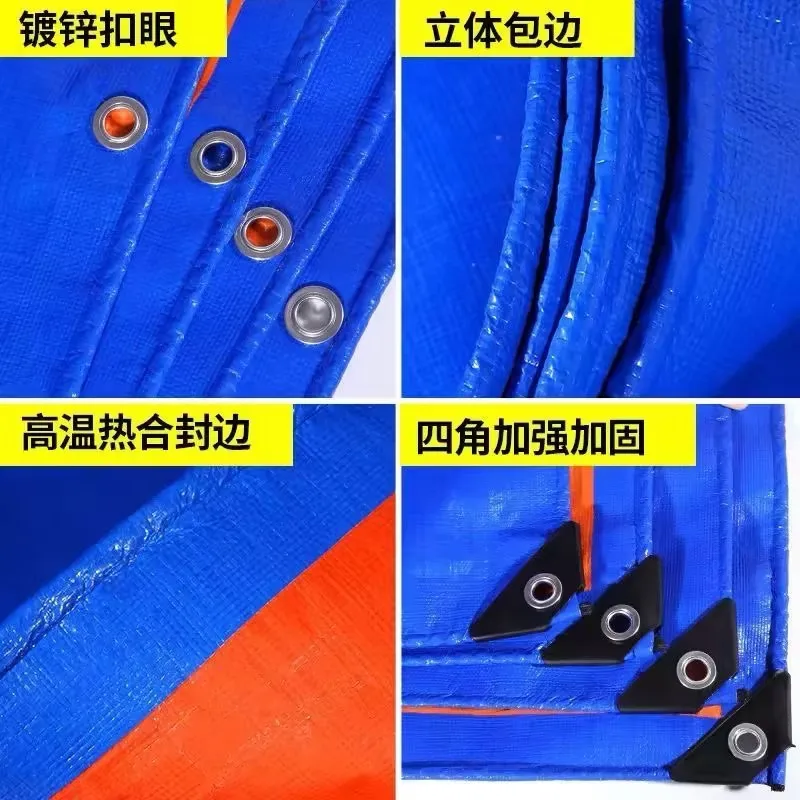
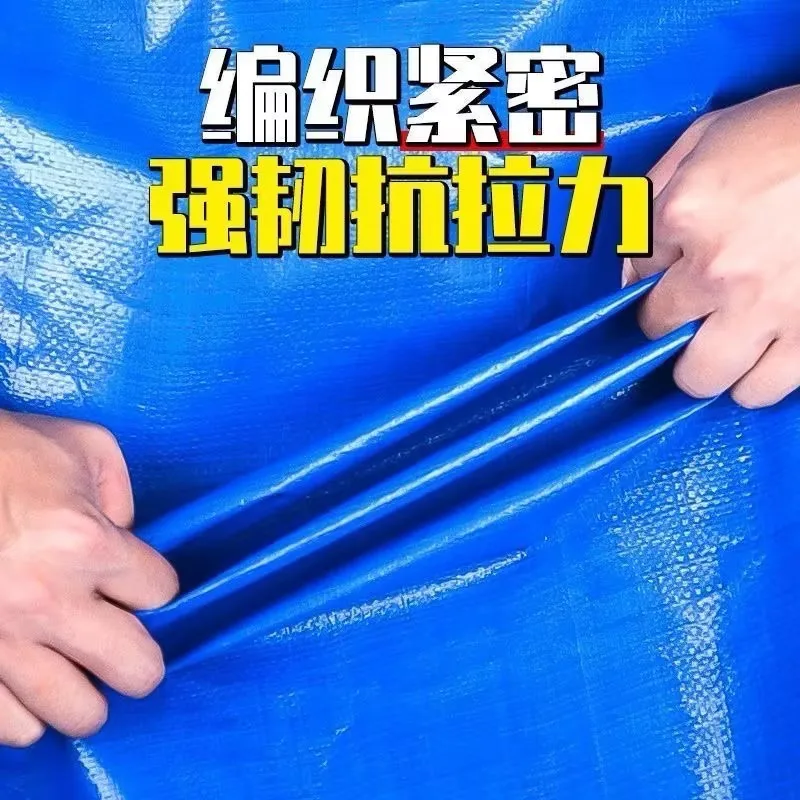
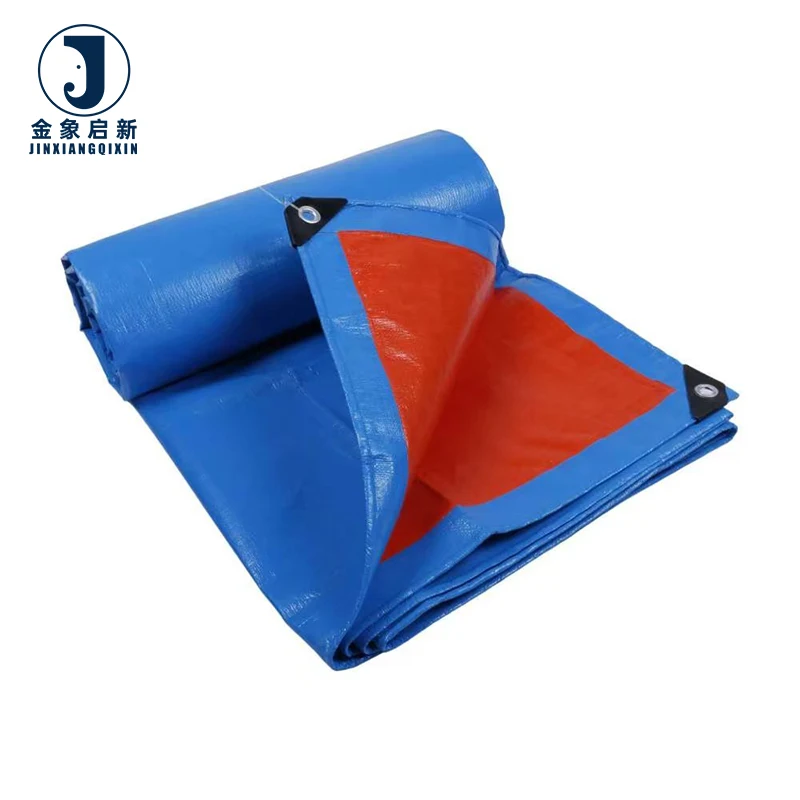
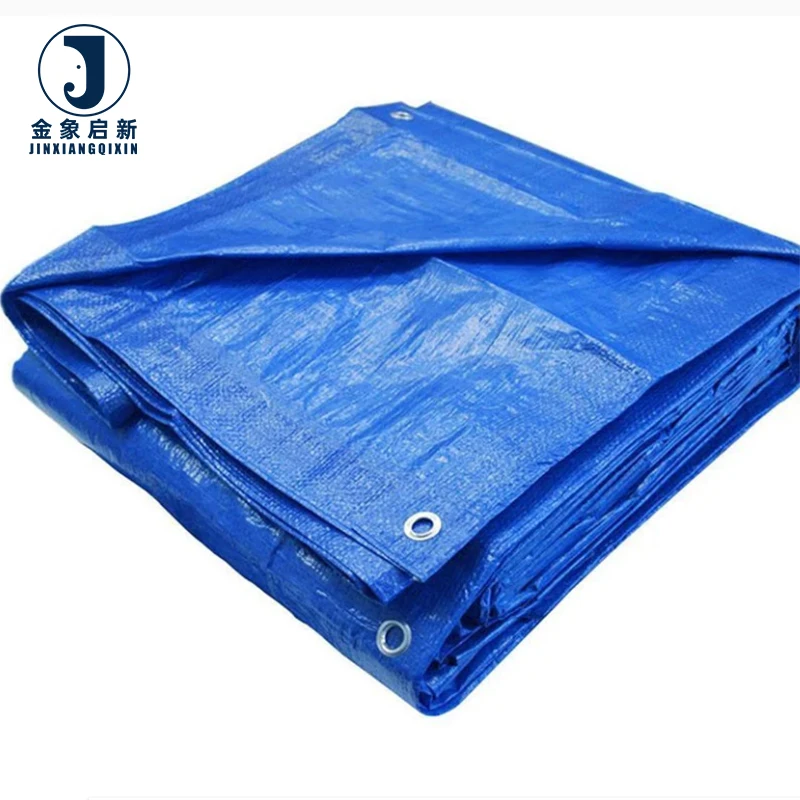
Process-Controlled Weave — Every roll undergoes 100% inspection before dispatch, with GSM verified against the stated coating weight rather than left to quotation claims.
Technical Specifications
| Parameter | Value |
|---|---|
| Product Type | PE Tarpaulin |
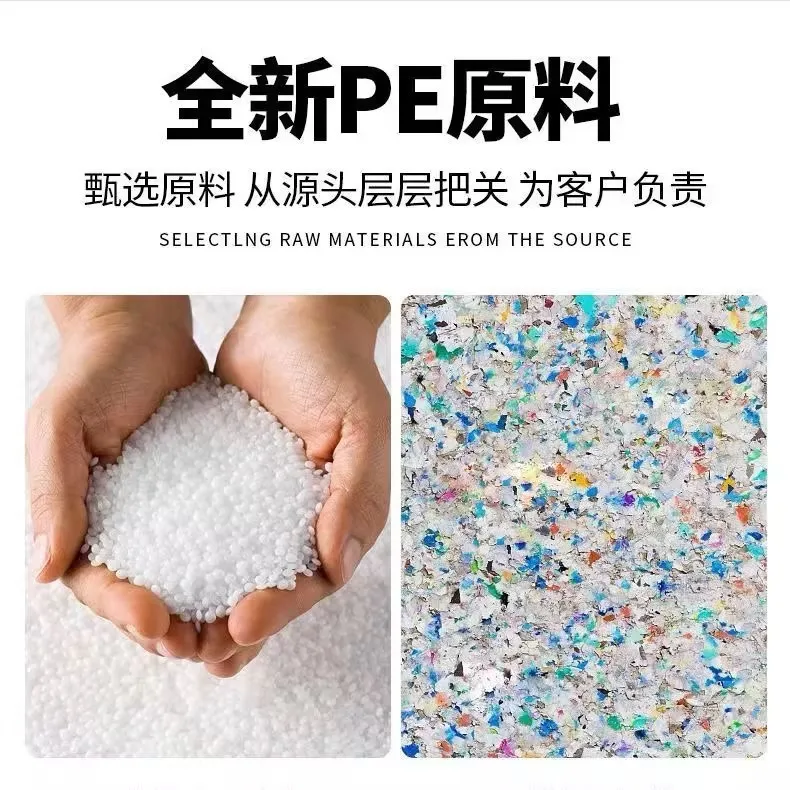
| Coating Material | PE |
| Weave Style | Plain |
| Waterproof | Yes |
| Mildew-Proof | Yes |
| UV Resistant | Available — test basis not stated in source, confirm grade required for your project |
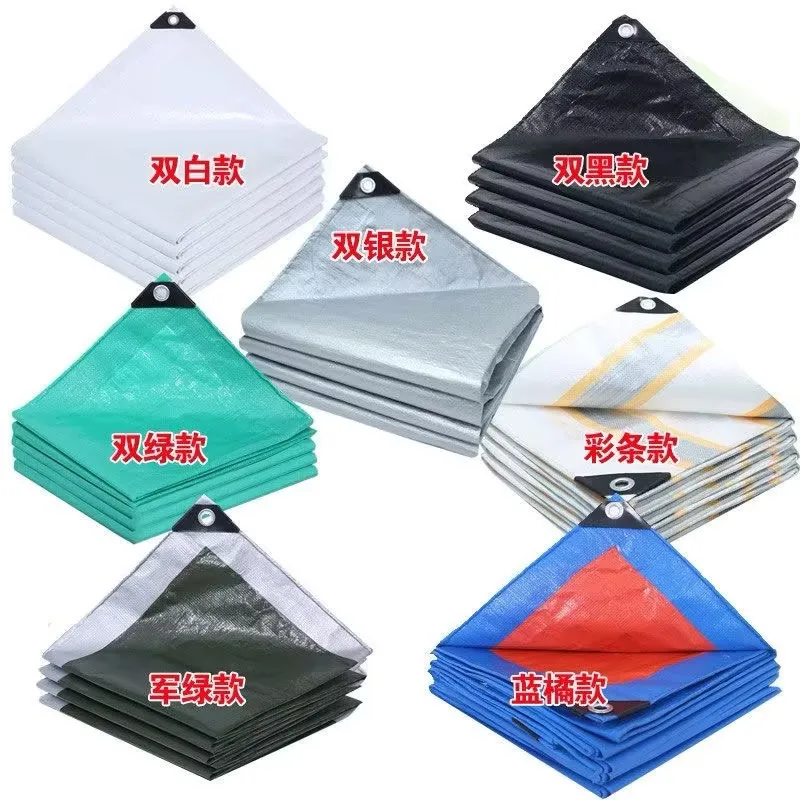
| Color | Customizable (various colors available) |
| Size | Customizable (various sizes available) |
| Construction | Heavyweight |
Application Suitability
| Application | Exposure & Requirement |
|---|---|
| Tent and awning structures | Sustained rain contact, wind tension on fabric panels, repeated assembly and breakdown |
| Outdoor event shelters | Direct sunlight exposure, crowd safety requirements, temporary weather enclosure |
| Membrane and inflatable structures | Continuous tension load, UV degradation risk, seam integrity under internal pressure |
| Vehicle and equipment covers | Abrasion from contact surfaces, pooled water drainage, UV and mildew during storage |
| Specialist contractor covers | Site debris exposure, chemical splash resistance, compliance documentation for audit |
What Happens When PE Tarpaulin Arrives Without Compliance Documentation
A waterproof claim means nothing on a job site if the fire-retardant or anti-static certification your local authority demands is missing from the shipment.
Specialist contractors frequently specify PE tarpaulin fire retardant treatments for membrane structures or temporary enclosures, only to discover the test report was never issued or does not match the grade their market requires. The fabric performs in the rain, but the structure fails inspection. Anti-static requirements for aviation or mining ventilation applications face the same gap — the coating is applied, but the verification paperwork does not travel with the roll. [NEED_CITE: fire classification standards for temporary structures and membrane buildings]
Coating Weight and Adhesion Under Process Oversight
The PE woven base fabric receives its coating through a controlled application stage where adhesion is monitored rather than assumed. For heavyweight PE tarpaulin used in tent and membrane applications, the bond between coating and woven substrate determines whether the panel holds tension without delaminating at stress points. Rolls produced under consistent process control show uniform coating distribution across the full width, which matters when multiple panels are heat-welded together for large-span structures.
Colour Consistency Across a Multi-Roll Shipment
When tent manufacturers or event contractors order several rolls for a single project, colour variation between rolls becomes visible once panels are installed side by side. Batch-controlled coating ensures that the pigmentation remains consistent throughout the production run. This PE tarpaulin is produced with colour matching checked at the coating stage, so the finished structure presents a uniform appearance without panel-to-panel shifts that force costly replacements or visible patchwork on completed installations. [NEED_CITE: colour consistency measurement methods for coated technical textiles]
Understanding Plain Weave Construction in Heavyweight PE Fabric
The plain weave pattern interlaces warp and weft yarns at every crossing point, creating a balanced fabric structure that distributes load evenly in both directions. For heavyweight PE tarpaulin used in tent and membrane applications, this weave delivers predictable tensile behaviour when the fabric is tensioned across a frame or inflated structure. The coating fills the interstices between yarns, locking the weave geometry in place and contributing to waterproof performance. Unlike ripstop or twill constructions that bias strength toward one axis, plain weave provides symmetrical tear resistance, which simplifies panel layout and reduces the risk of directional failure when wind loads shift. The combination of plain weave base fabric and PE coating also supports reliable heat-welded seams, as the coating melts at a consistent temperature across the panel surface. [NEED_CITE: ISO 1421 tensile and tear test methods for coated fabrics]
The Cost of Skipping Pre-Shipment Verification
When rolls arrive with GSM lighter than the quotation stated, the entire project budget shifts — panels cut to specification may not meet the tensile requirements the structural engineer signed off on. UV treatment claimed without a supporting test report means the fabric degrades faster than expected, forcing premature replacement on structures that were designed for extended outdoor exposure. Colour variation between rolls in a single order means installed panels look mismatched, and the contractor absorbs the cost of re-ordering or accepting a visually compromised installation. Heat-welded seams that fail before the fabric itself tears indicate inconsistent coating adhesion, a problem that surfaces only after the structure is under load. [NEED_CITE: common failure modes in coated fabric structures at seam junctions]
Why Procurement Teams Source This PE Tarpaulin Here
Deep process control over coating weight and adhesion means the GSM stated on your material specification sheet is the GSM verified at dispatch, not an estimate that drifts during production. Three full production lines and dedicated equipment capacity support bulk roll orders without sacrificing the batch consistency that multi-panel tent and membrane projects demand. A 10-person R&D team handles material selection, custom sizing, and sample development so you can confirm fabric behaviour before committing to a full production run. QA inspection at every stage catches coating weight deviations and colour shifts before they leave the facility, backed by a 100% pre-shipment inspection record for each order. Documentation travels with the shipment — material spec sheets, test reports, certificates of origin — so customs clearance and site compliance audits proceed without delays or missing paperwork requests.
Documentation & Verification
- Material specification sheet confirming PE coating type, base fabric construction, and stated GSM
- Test report for UV resistance and applicable flame-retardant grades where project specifications require them
- ISO and CE certificates supplied with each shipment for compliance and audit purposes
- Pre-shipment inspection record documenting roll-by-roll verification before dispatch
- Roll packing list and certificate of origin included for customs and receiving confirmation
Fabrication, Handling & Storage
- Heat-weld seams at temperatures matched to the PE coating melt point for full-width adhesion
- Reinforce tie-down and anchor points where the heavyweight fabric concentrates stress under tension
- Store rolls upright on pallets to prevent flat-spot deformation of the PE coated surface
- Allow rolls to acclimate to ambient temperature before unrolling in cold conditions to avoid coating stiffness
- Use mild, non-solvent cleaners on the PE surface to preserve mildew-proof and waterproof treatment integrity
- Plan panel layout to minimise off-cuts and welded seam count across large-span tent or membrane structures
Before You Request a Quote
Provide the application type, expected environmental exposure, and any fire-retardant or anti-static grades your local regulations mandate. Specify the required roll width, colour reference, and whether you need cut-to-size panels or full roll stock. Indicate your annual volume and whether pre-production samples are needed to confirm material behaviour before the full order enters production.
Frequently Asked Questions
Q: How is GSM verified on delivery versus the quoted value?
A: Each roll undergoes weight verification against the stated GSM during pre-shipment inspection. The inspection record accompanies your dispatch documentation, so you can cross-reference the actual coating weight with your original specification sheet upon receipt rather than relying solely on quotation claims.
Q: Can UV and flame-retardant test reports be provided before shipment?
A: Test reports for UV resistance and flame-retardant grades are available where applicable. Request these during the specification stage so the correct treatment is applied and documented before production begins, ensuring the reports match the fabric you receive.
Q: What is the lead time for custom widths, colors, or printed branding?
A: Custom widths, colours, and branding requirements involve dedicated production runs. Typical lead times vary based on order volume and specification complexity. Submit your requirements early to allow time for sample development and approval before full production.
Q: How is colour consistency maintained across multiple rolls in one order?
A: Coating is batch-controlled so pigmentation remains uniform throughout the production run. Rolls destined for a single project are produced together, and colour is checked during the coating stage to prevent visible variation when panels are installed adjacent to each other.
Q: What documentation is included for export and customs clearance?
A: Each shipment includes a roll packing list, certificate of origin, material specification sheet, and pre-shipment inspection record. ISO and CE certificates are provided as applicable. Additional customs support documentation is available upon request to facilitate clearance in your destination market.