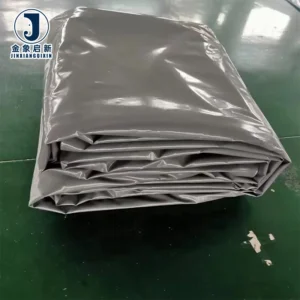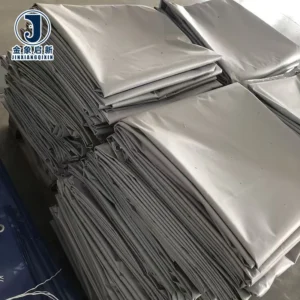
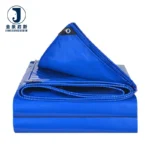
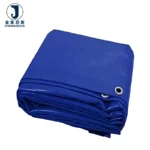
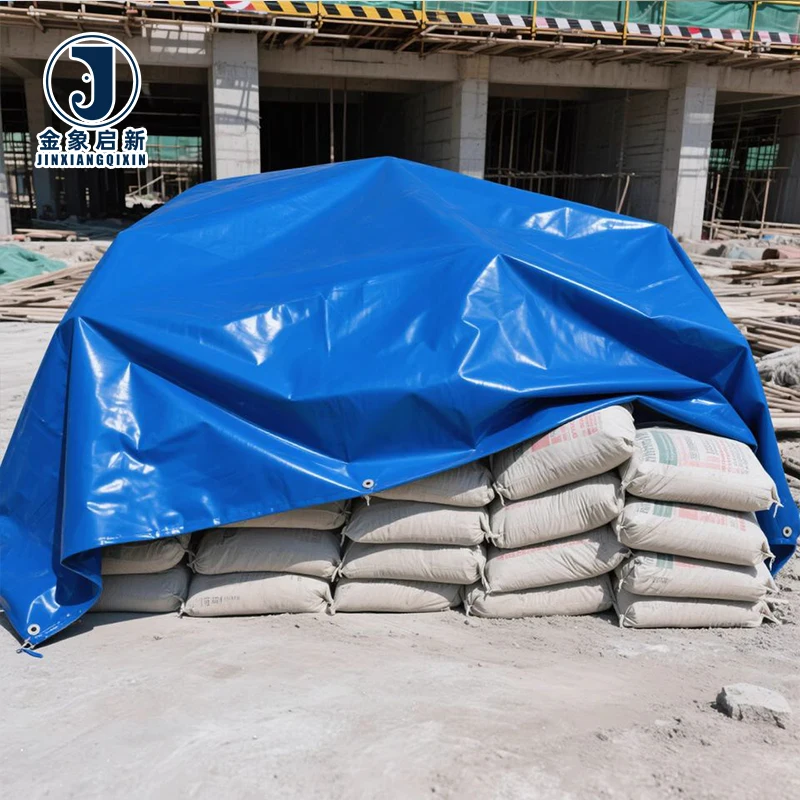
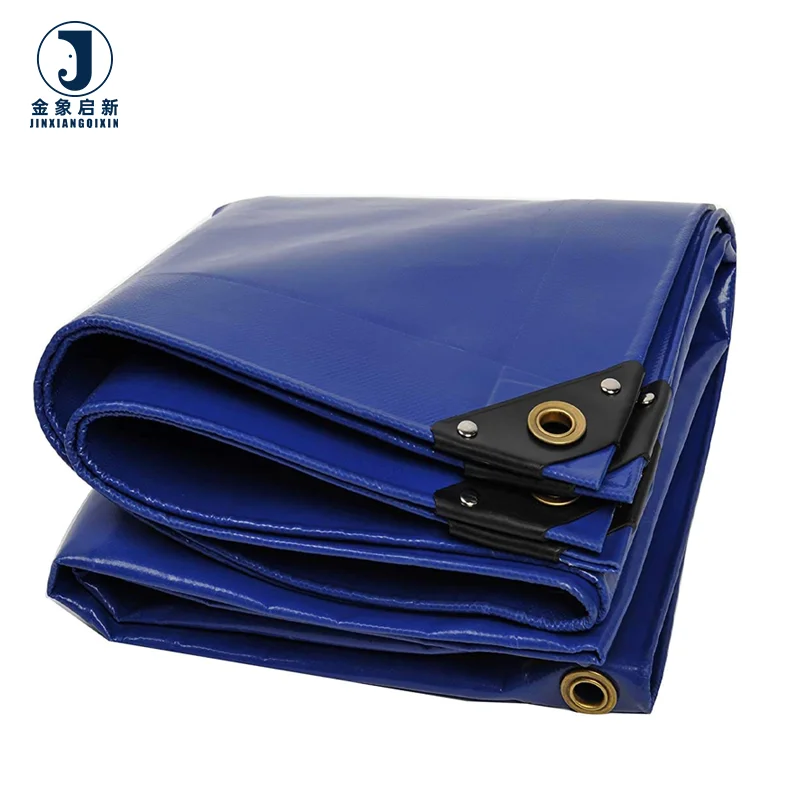
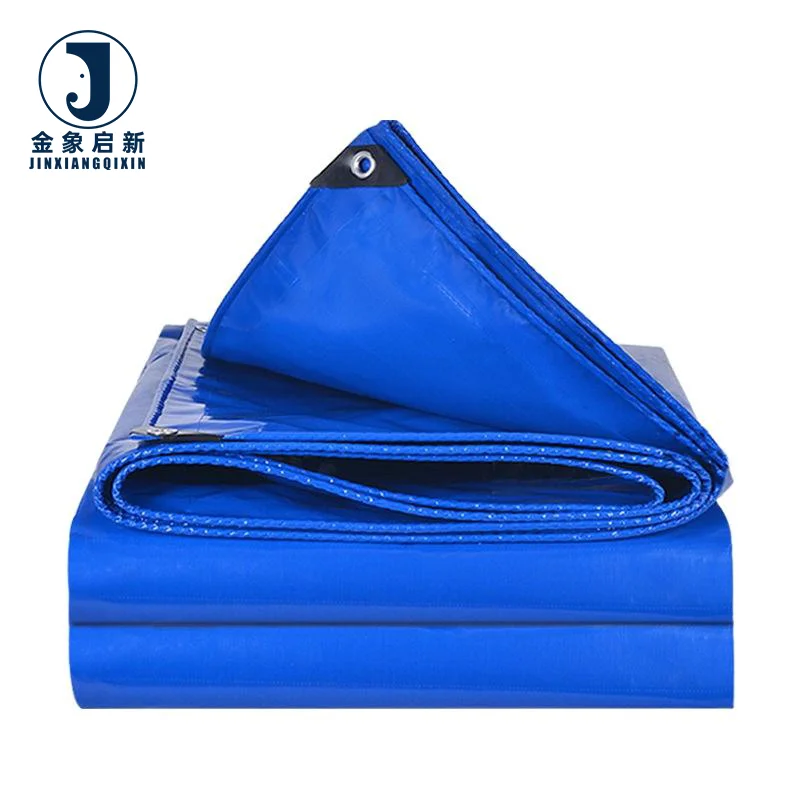
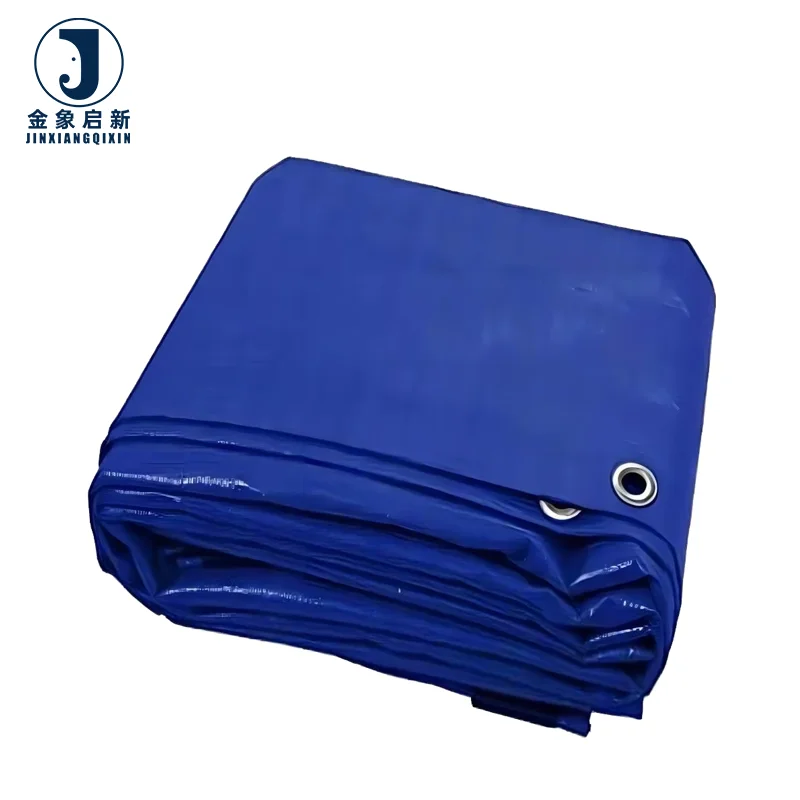
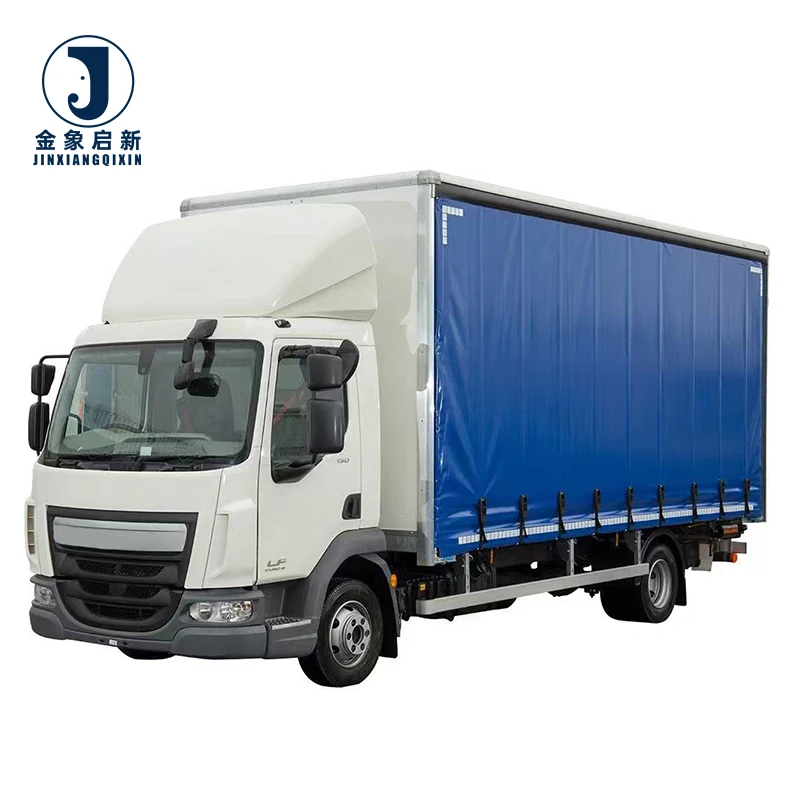
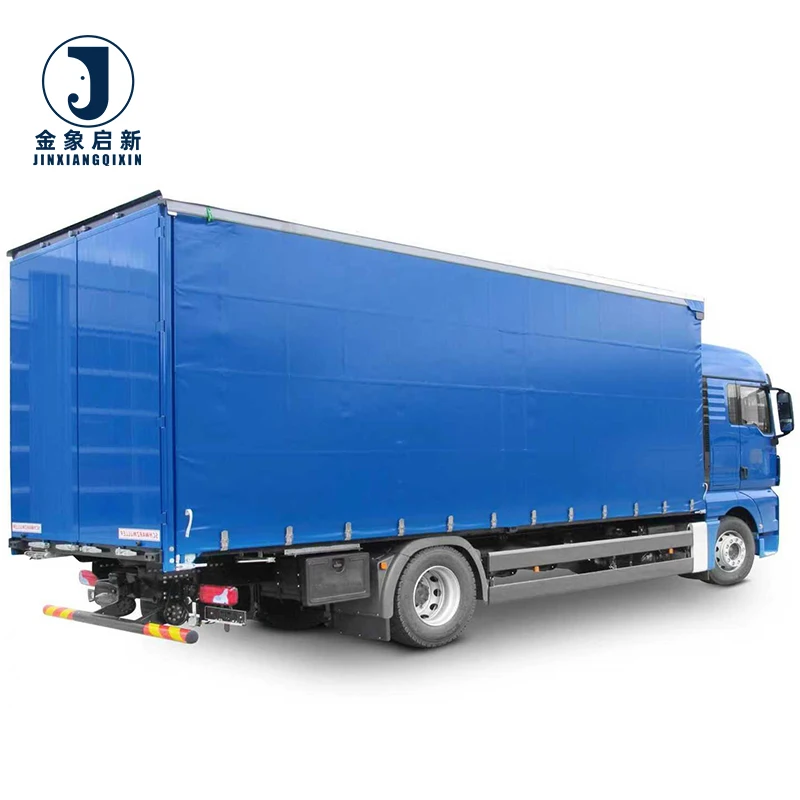
Nearly three decades of coated fabric focus — deep process control over coating weight and adhesion ensures every roll of PVC coated tarpaulin leaving this facility meets the fire-retardant and anti-static demands of technical ventilation and membrane structure projects.
Technical Specifications
| Parameter | Value |
|---|---|
| Product Type | PVC Coated Tarpaulin |
| Base Fabric Denier | 200DX300D, 500DX500D, 840DX840D, 1000DX1000D |
| Coating Material | PVC |
| Surface Finish | Glossy or Matte |
| Temperature Range | -15ºC to 70ºC |
| Flame Retardant | FR treated (grade not stated — confirm required standard) |
| Anti-Fungal | Anti-fungal treated |
| Waterproof | Yes |
| UV Treatment | Customized (test basis not stated) |
| OEM/ODM | Accepted |
Application Suitability
| Application | Exposure & Requirement |
|---|---|
| Mine and tunnelling ventilation duct | Continuous airflow, combustible dust, fire-retardant and anti-static compliance required by site regulation |
| Aviation ground support duct | Rapid inflation cycles, temperature fluctuation, certified flame-retardant fabric mandated |
| Membrane and tensile structures | Sustained tensile load, UV exposure, weld seam integrity under flex |
| Inflatable structures | Repeated pressurisation, internal abrasion, airtight seam welds |
Why Certified PVC Coated Tarpaulin Matters for Technical Ventilation
A ventilation duct is only as safe as the test report that accompanies it.
In mining and tunnelling operations, a duct that lacks the fire-retardant or anti-static documentation required by the site authority will not pass installation inspection — regardless of how well the fabric performs in practice. Procurement teams frequently receive shipments labelled "FR treated" with no grade, no standard reference, and no laboratory name behind the claim [NEED_CITE: fire safety compliance in underground ventilation systems]. The result is a costly standstill: duct sections fabricated but not installed, project timelines slipping, and a scramble to source replacement fabric that carries the correct certification.
This PVC coated tarpaulin addresses that gap. Fire-retardant treatment is available in grades aligned to recognised test standards — confirm the grade required for your market before placing an order. Anti-static treatment is also available where site regulation mandates controlled surface resistance. Each shipment is supported by test documentation matching the specification on the purchase order, not a generic data sheet.
Base Fabric Denier and Structural Demand in Duct Construction
Ventilation ducts in mining and aviation environments experience internal pressure pulses, mechanical handling during installation, and continuous flex from airflow vibration. Selecting the correct base fabric denier — from 200DX300D for lighter temporary ducts up to 1000DX1000D for heavy-duty mainline ventilation — directly determines how the fabric resists tensile load and tear propagation at seam junctions.
Higher denier yarns create a denser weave structure that distributes stress across more fibre intersections. When the duct is suspended over long spans or routed around bends, the base fabric carries the structural load while the PVC coating provides airtightness and environmental resistance. Matching denier to duct diameter and operating pressure is essential, and this PVC coated tarpaulin range covers multiple grades for that purpose.
Fire-Retardant and Anti-Static Compliance Without Guesswork
Underground mining regulations in most jurisdictions require ventilation duct fabric to meet a specific fire-retardant classification, and many also mandate anti-static properties where combustible dust is present [NEED_CITE: anti-static surface resistance requirements in mining ventilation]. A fabric that is merely "FR treated" without a stated grade provides no assurance that it will satisfy the inspector on site.
This PVC coated tarpaulin is available with fire-retardant treatment aligned to test standards such as DIN 4102 or NFPA 701 — specify the grade your project requires, and the corresponding test report ships with the rolls. Anti-static treatment is available with surface resistance test results documented for sites that demand it. The key is stating the requirement at inquiry stage so the correct formulation is applied and verified before dispatch.
Reading the Specification Sheet: Denier, GSM, and Coating Weight
GSM alone tells only part of the story. A fabric with a high GSM achieved through heavy coating on a light base fabric may weigh the same as one with a balanced weave and moderate coating, yet the two behave very differently under tension. The base fabric denier and weave density — listed here as 200DX300D through 1000DX1000D — govern the structural skeleton, while the PVC coating weight governs airtightness, weld seam strength, and surface durability.
For ventilation duct fabrication, the relationship between coating and base fabric determines how well the material holds a heat-welded seam. Excess coating on a low-denier base can produce a seam that is stiffer than the surrounding fabric, creating a hinge point where fatigue cracks initiate under vibration. Conversely, adequate coating penetration into a properly specified denier yields a seam whose strength approaches that of the parent fabric. Surface finish — glossy or matte — also plays a role: matte surfaces generally accept weld energy more evenly, while glossy finishes may require adjusted temperature settings on hot-air or wedge welding equipment.
Temperature operating range from -15ºC to 70ºC defines the environmental boundary. Below the lower limit, PVC becomes progressively more rigid and susceptible to impact damage during handling; above the upper limit, coating softening can reduce dimensional stability under load. Anti-fungal treatment is included to address the humid conditions typical of underground mine and tunnel environments, where biological growth on duct interiors would otherwise degrade airflow efficiency and fabric integrity over time.
The Cost of Specifying Without Verification
When fire-retardant grade is assumed rather than confirmed with a test report, the consequence often surfaces only at site inspection — after duct sections have been fabricated, transported, and hung [NEED_CITE: project delays from non-compliant ventilation duct fabric]. Removal and replacement at that stage costs far more than the price difference between certified and uncertified fabric. Similarly, when anti-static treatment is claimed without a surface resistance measurement, the duct may pass visual inspection but fail the spark test in a combustible dust zone.
Batch inconsistency in colour or coating weight across rolls within the same order can also disrupt fabrication: weld parameters dialled in on the first roll may not transfer to a subsequent roll with slightly different coating formulation, producing weak seams that fail during pressure testing. Pre-shipment inspection and documentation at every production stage are designed to prevent these outcomes.
Why Source Technical Ventilation Fabric Here
Three full production lines and 36 sets of professional equipment provide the capacity to fulfil bulk duct fabrication orders without splitting production across subcontractors, maintaining batch consistency throughout the run.
A 10-person R&D team handles material selection, custom width development, and sample preparation — critical when duct circumference or membrane panel dimensions fall outside standard roll widths.
Dedicated QA/QC at every production stage with inspection before shipment ensures that GSM, denier, and treatment are verified on every roll, not sampled from a batch average.
Samples are developed within days for custom requirements, allowing fabrication trials and weld parameter setting before committing to the full production run.
ISO and CE certified production provides a documented quality framework that aligns with the compliance expectations of mining, aviation, and construction authorities.
Documentation & Verification
- Material specification sheet stating coating weight, base fabric denier, and colour reference per roll
- Fire-retardant test report stating grade matched to project standard such as DIN 4102 or NFPA 701
- Anti-static surface resistance test result supplied where site regulation requires certification
- Pre-shipment inspection record confirming GSM and treatment on every roll before dispatch
- Roll packing list with certificate of origin and customs support documentation
Fabrication, Handling & Storage
- Hot-air weld temperature should be calibrated to the selected glossy or matte surface finish for consistent seam strength
- Allow rolls to acclimatise above -15ºC before unrolling to prevent coating cracking during handling
- Store rolls vertically on pallets to avoid flat-spot deformation that affects weld flatness
- Use PVC-compatible cleaners only; solvent-based agents may degrade the anti-fungal treatment layer
- Cut patterns with allowance for weld overlap, particularly on high-denier grades where fabric stiffness requires wider seam zones
Request a Technical Quotation
To provide an accurate specification and lead time, please share the ventilation duct diameter, operating pressure, and length of run — along with the fire-retardant standard your site authority requires. If anti-static treatment is needed, indicate the surface resistance threshold specified in your project documentation. Confirm whether you require rolls in custom width for your fabrication equipment, or cut-to-size panels with hem and eyelet finishing. Sample rolls are available for weld parameter trials before the main order enters production.
Frequently Asked Questions
Q: What fire-retardant grade can be supplied for mining ventilation duct?
A: Fire-retardant treatment is available in grades aligned to standards including DIN 4102 and NFPA 701. Specify the classification your site authority requires at inquiry stage, and the corresponding test report will ship with your rolls. If your jurisdiction mandates a different standard, share the reference so the correct formulation is confirmed before production.
Q: Is anti-static treatment available with a surface resistance test report?
A: Yes. Anti-static treatment can be applied with surface resistance measured and documented. This is essential for ventilation ducts operating in combustible dust environments where spark ignition is a risk. Request the specific resistance range your project specification calls for, and the test result will accompany the shipment documentation.
Q: How is GSM verified on each roll before dispatch?
A: Every roll undergoes inspection as part of the pre-shipment QA process. Coating weight and base fabric denier are checked against the material specification sheet. The inspection record is included in the shipping documentation so you can cross-reference the values against your purchase order on receipt.
Q: Can custom widths be produced for large duct diameters?
A: Custom roll widths can be developed to match duct circumference requirements, reducing the number of longitudinal weld seams. The R&D team prepares samples within days so you can verify weld parameters and seam strength on your fabrication equipment before the full production run is committed.
Q: Which denier grade suits membrane structures versus ventilation ducts?
A: For membrane and tensile structures carrying sustained load, higher denier grades such as 840DX840D or 1000DX1000D provide the tensile capacity required. For lighter temporary ventilation ducts, lower denier options offer adequate strength with easier fabrication handling. Share your application and load conditions for a denier recommendation.